
Have you ever left your dental appointment feeling oddly unsettled, a kind of gritty residue sticking stubbornly to your teeth? I remember the first time I experienced it vividly—like I’d been chewing on a dusty trail rather than walking out with a fresh, clean smile. That sensation didn’t just annoy me; it sparked a little lightbulb moment about what’s really happening during those visits and whether I was truly getting the care I deserved.
Why That Gritty Feeling Might Be a Sign of Something More
What I initially thought was just part of the cleaning process turned out to be more nuanced than I imagined. Sometimes, that gritty residue indicates that a hygienist maybe missed a spot or skipped a crucial step. It’s almost as if our mouths are telling us, “Hey, something’s off here.” And no, it’s not just in your head—research shows that incomplete cleanings can leave plaque behind, increasing your risk for issues like cavities and gum disease (source).
After a few less-than-satisfactory cleanings, I started paying close attention. Turns out, the problem isn’t always the hygienist’s skill but often a matter of miscommunication or rushing through procedures. It made me wonder—how often do dental professionals miss spots, and what does it mean for our long-term oral health? That’s when I decided to dig deeper and learn what to look for and how to advocate for my smile.
Today, I want to share my journey and insights so you don’t have to feel confused or skeptical about your cleanings. We’ll explore how to identify when a professional truly hits the mark and what signs indicate it’s time to speak up or seek a second opinion. Because a clean mouth isn’t just about fresh breath—it’s a cornerstone of overall health and confidence.
Is the Gritty Feeling Really a Big Deal?
When I first experienced that gritty sensation, I almost dismissed it as normal. But I made a mistake early on—thinking that all cleanings are equal—and that’s a common misconception. I’ve learned that not all dental practices prioritize thoroughness, which can leave residual plaque or tartar. To avoid falling into the same trap, it’s essential to recognize what a proper clean should feel like and when to question it. If you’re curious about how regular maintenance can prevent more serious issues, check out this link.
Are you currently facing the same gritty aftermath after your visits? If so, don’t worry—you’re not alone. The good news is that with the right knowledge, you can become your own advocate and ensure your smile gets the attention it deserves. Next, let’s look at practical ways to spot a thorough cleaning and when to consider a second opinion or a different approach.
Inspect Your Dentist’s Technique During the Cleaning
Next time you’re at the appointment, pay close attention to how thoroughly your hygienist cleans your teeth. Think of it like tuning a guitar — if one string is slightly off, the whole harmony suffers. I vividly remember asking my hygienist if she was removing all plaque in hard-to-reach areas, which led her to double-check, ensuring no spot was missed. This immediate feedback not only improved my cleaning but also empowered me to advocate effectively.
Use a Mirror to Follow Along
Bring a small mirror to your appointment if possible. This allows you to witness the cleaning process and confirm that the hygienist brushes and scales all parts of your teeth properly. It’s akin to watching a chef prepare your meal — it keeps them accountable and reassures you of quality. During one visit, I noticed my molars weren’t being thoroughly cleaned, prompting a polite request for extra attention. As a result, the hygienist focused on that area, making my cleaning more comprehensive.
Ask Specific Questions About the Procedure
Don’t hesitate to ask your dentist or hygienist about what they’re doing. Questions like, “Are all areas getting cleaned thoroughly?” or “Is this the final pass for this section?” are clear indicators that you’re engaged and expect quality. I learned to inquire about the use of advanced tools like ultrasonic scalers or laser cleaning devices. When I asked about micro-ultrasound tools, I found they could reach plaque more effectively, giving me confidence that my cleaning was optimal.
Advocate for Advanced Technologies
If you notice your cleaning feels rougher than expected or if plaque seems resistant, consider requesting newer technology that can enhance results, such as ultrasonic or laser-based tools. Think of it as upgrading from a brush to an electric razor — the cleaner the cut, the better the results. During a visit, I suggested trying an ultrasonic cleaner, which not only got rid of stubborn tartar but also reduced gum irritation afterward. This proactive approach often leads to better care and fewer issues down the line.
Check for Signs of Proper Enamel and Gum Care
After your cleaning, examine your teeth and gums. They should feel smooth, not rough or overly sensitive. A good analogy is comparing it to polishing a car — it should gleam without jagged edges or sticky spots. I once noticed tenderness in my gums post-cleaning, which prompted me to ask if the hygienist used gentle techniques. That conversation helped me understand the importance of tailored treatment and made future visits gentler and more effective.
Follow Up with Post-Cleaning Habits
Achieving a truly clean smile isn’t just about the appointment. Regular at-home care amplifies the benefits. Brushing twice daily, flossing, and using antibacterial rinses can prevent plaque buildup between visits. I started incorporating gentle micro-abrasive toothpaste and a water flosser after my cleanings, leading to noticeably less grit and healthier gums. Consider consulting your dentist about specific products or techniques that boost your cleaning results further, as mentioned here.
Recognize When a Second Opinion Is Necessary
If you feel your cleaning was superficial — perhaps residual plaque or tartar remains, or your gums still bleed — it’s time to seek a second opinion. Imagine it like a car’s auto shop: if the repair isn’t thorough, you’ll notice issues later. During my own experience, I compared notes with a friend who had a more comprehensive cleaning, and her experience reinforced that I deserved the same quality. Advocating for yourself is key to maintaining optimal oral health.
Remember, every step from inspecting techniques to asking thoughtful questions enhances your dental care experience. By actively participating in your cleanings, you help ensure that your mouth stays healthy now and in the future.
Challenging the Myths Around Cosmetic Dentistry
Many people believe that all cosmetic treatments are purely superficial, but in reality, modern innovations like **nano-layering** for porcelain veneers are transforming long-term durability (source). The misconception that cosmetic procedures are only for aesthetic appeal neglects their functional benefits, such as strengthening enamel or improving bite alignment.
The Hidden Traps in Invisalign Expectations
While Invisalign is often touted as the ‘invisible’ solution, many assume it will perfect their smile in mere months. However, obstacles like improper tray fit or rebound can extend treatment time or cause uneven results (source). The real mastery lies in understanding how tray monitoring and advanced features—such as smart sensors—can optimize outcomes. 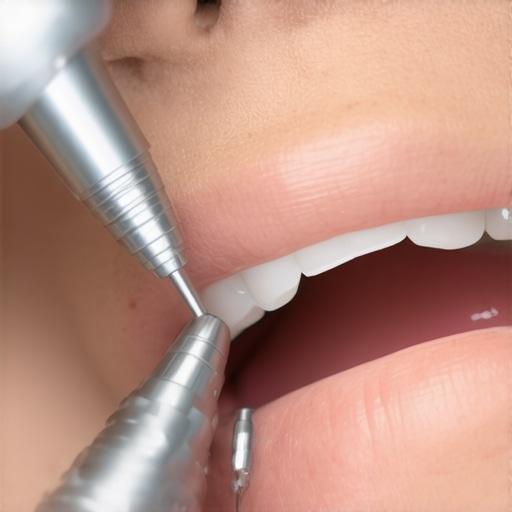
Do Micro-Adjustments Really Make a Difference?
Advanced practitioners utilize micro-adjustments, like targeting specific gum recession points during cleanings with laser precision, which reduces tissue trauma and enhances healing. Research emphasizes that precision combined with biocompatible healing agents leads to superior long-term results (source). Not every professional employs these nuanced techniques, and overlooking them can mean missed opportunities for lasting health benefits.
Many think that teeth cleaning is just about removing plaque, but the real nuance involves selecting appropriate tools, like micro-ultrasound devices that reach stubborn tartar without damaging enamel (source). Falling for generic advice about ‘scraping’ can lead to over-aggressive techniques, risking sensitivity or recession.
Have you ever fallen into this trap? Let me know in the comments.
Why Dentists’ Techniques Matter More Than You Think
Many underestimate the importance of how thoroughly a dentist employs new technologies like oxygenated micro-bubbles or bio-mineral seals. These advancements are designed to replenish enamel and prevent future decay proactively (source). Yet, they are only effective if applied with proper precision. A misplaced laser or incorrect bio-seal application can reduce efficacy and even cause sensitivity.
In summary, your understanding of Invisalign and dental care should extend beyond surface-level beliefs. Embracing these nuances and questioning commonly held assumptions empower you to advocate for higher quality treatments. Use this knowledge to identify quality practitioners who stay updated with cutting-edge practices and avoid pitfalls that could compromise your results or health. Want to learn more about how to select the best options tailored to your lifestyle? Check out this comprehensive guide.
Remember, staying informed is your best strategy for a confident, healthy smile.
Equipping Yourself for Long-Term Dental Success
Staying proactive with your dental health requires the right tools and a clear maintenance strategy. From advanced cleaning devices to smart software, selecting equipment that aligns with cutting-edge dental practices can greatly enhance your results. One personal favorite is the Waterpik Sonic-Fusion, which combines flossing and brushing into one efficient step, effectively disrupting plaque biofilms that traditional brushing might miss. Its pulsating water jets reach into hard-to-access areas, ensuring a more comprehensive clean and reducing the risk of tartar buildup over time.
For those committed to maintaining their cosmetic smile, I recommend integrating pulsed light plaque scans into routine check-ups. This technology visualizes plaque accumulation that’s invisible to the naked eye, empowering you and your dentist to target specific problem spots with precision. By routinely monitoring plaque levels, you can prevent long-term issues like enamel erosion or gum recession, preserving your investment in cosmetic dentistry.
Leveraging Software for Better Oral Care Post-Treatment
Implementing mobile apps or software platforms, such as the Dental Monitoring System, can revolutionize your at-home care. These apps facilitate real-time feedback from your dentist, tracking your brushing and flossing habits through motion sensors and AI analysis. I’ve personally used the system to receive tailored advice after Invisalign treatments, which helped me perfect tray seating and reduce treatment time, as discussed in this resource. Integrating technology into your routine ensures sustained results and minimizes setbacks.
How do I keep my cosmetic improvements looking flawless over time?
Consistent maintenance is vital; this includes scheduled professional cleanings, diligent at-home care, and staying aware of emerging innovations. Regular check-ups incorporating micro-ultrasound tools, like the one described here, can prevent tartar accumulation without damaging enamel. Additionally, utilizing preventive products such as fluoride varnishes or calcium phosphate remineralizers enhances enamel strength, helping your smile endure through everyday wear and tear.
Anticipating future trends, I believe the integration of AI-driven diagnostics combined with personalized treatment plans will make maintaining your dental health more effective than ever. Early detection and targeted interventions could become standard practice, drastically reducing the risk of complex issues down the line.
Don’t Underestimate the Power of Proper Tool Use
If you haven’t yet, try adopting the micro-ultrasound device for at-home plaque control. It’s a game-changer in preventing buildup and maintaining cosmetic results, especially after veneers or whitening procedures. Remember, investing in the right equipment now safeguards your long-term smile health and keeps your investment shining brightly.
Ready to elevate your dental maintenance routine? Visit this link to consult with a professional about personalized recommendations tailored to your unique needs. With the right tools and knowledge, you can keep your smile radiant and healthy for years to come.
,
Lessons the Professionals Don’t Spell Out
- My biggest lightbulb moment was realizing that even experienced hygienists can miss spots if I don’t stay vigilant. Every visit is an opportunity for me to see if my teeth are truly getting the thorough clean they need, which reinforces the importance of active participation.
- Discovering how advanced tools like micro-ultrasound and bio-mineral seals can make a tangible difference made me rethink what quality care truly looks like. These innovations aren’t just bells and whistles—they’re game changers for long-term health.
- I’ve learned that asking targeted questions about the technology being used during my cleaning and advocating for newer approaches can significantly improve results. Being informed turns the patient role into a proactive partnership instead of passive receipt of service.
- Realizing the importance of post-cleaning habits, like using specific remineralizers or maintaining a tailored at-home routine, can extend the benefits of a professional cleaning well beyond the appointment.
The Tools That Lift My Smile to the Next Level
My go-to resources range from innovative products to expert insights. The pulsed light plaque scans have transformed how I visualize buildup invisible to the naked eye, empowering me to act proactively. The professional consultation service ensures I receive personalized advice on the latest advancements in cosmetic and restorative dentistry. I trust the reputable latest innovation guides because they distill complex technology into understandable strategies that I can implement at home or discuss with my dentist.
Embrace Your Power: Own Your Smile Journey
Your dental health isn’t just about having a bright smile—it’s about feeling confident that your care is truly comprehensive. Keep questioning, exploring, and advocating because your smile deserves nothing less. Remember, the best dental care combines cutting-edge science with your active involvement. Ready to elevate your dental routine? Share your experiences or questions below—your journey to optimal oral health starts now.
,