
It was a typical morning, and I was trying to enjoy my breakfast when I suddenly felt a sharp, annoying edge on one of my front teeth. Worse, I had a big meeting later that day. Panic started to set in—I didn’t have time for a dentist appointment, and that jagged edge was making me self-conscious and worried about causing further damage. Sound familiar? We’ve all been there, caught off guard by dental mishaps that seem to happen out of nowhere. But here’s the thing—I discovered that a simple, everyday trick using sugar-free gum could temporarily smooth that troublesome edge and save the day.
Dealing with a Broken Tooth Does Not Have to Be a Dental Disaster
Maintaining our oral health is crucial, but life isn’t always perfect. A broken or chipped tooth can happen during a fall, biting into something hard, or even from minor accidents we barely notice. When that sharp fragment appears, it can cause pain, discomfort, or injury to your tongue or cheeks. More importantly, it can lead to bacterial buildup if left untreated.
The good news? You don’t always need an urgent dental visit for a quick fix—sometimes, an inexpensive, accessible remedy can help until you reach your dentist. Based on my own experience, and after some careful research, I found that sugar-free gum is surprisingly effective for temporarily covering a jagged edge. The key is in the properties of certain gum types and how they can act as a barrier to prevent further damage or injury.
Many people underestimate the importance of addressing a broken tooth promptly. According to dental health authority studies, delaying proper care can increase the risk of infection and complicate future repairs. To illustrate, regular dental check-ups, like those discussed in [this article](https://smilezdentist.com/how-regular-teeth-cleaning-can-prevent-major-dental-issues), are vital for preventing such surprises in the first place. But when mishaps occur, quick, practical solutions are essential.
Have you ever faced a sharp, broken tooth and wondered how to manage it until you can see your dentist? You’re not alone. Keep reading—because I’m about to walk you through the straightforward steps using something you probably already have at home. This simple hack could make all the difference, keeping you comfortable and safe until a professional can fix the problem properly. Let’s dive into the how-to next.
Secure and Protect the Damage
First, stay calm and avoid touching or fiddling with the broken tooth. Gently rinse your mouth with warm water to clear debris and prevent infection. If there’s bleeding, apply a clean gauze or cloth with gentle pressure to control it. Use a cold compress on your cheek to reduce swelling and numb the pain. Remember, the goal is to stabilize the area without causing further harm.
Temporary Cover with Dental-Grade Materials
If the sharp edge is causing discomfort or risking injury, you can temporarily smooth it using sugar-free gum. Chew a piece until soft, then mold it over the jagged edge, pressing firmly to create a barrier. This prevents cuts or further cracking while you’re waiting for professional care. Be sure to use sugar-free gum to avoid adding sugar to your mouth, which can increase bacteria.
Applying Dental-Wax as a Barrier
Alternatively, if you have dental wax or orthodontic wax at home, roll a small piece into a ball and flatten it. Carefully place it over the broken edge to cushion the area. This method is especially helpful if the sharp edge is irritating your tongue or cheeks. Just remove and replace the wax if it becomes dirty or dislodges.
Manage Pain and Inflammation
For pain relief, take an over-the-counter analgesic like ibuprofen or acetaminophen, following dosage instructions. Avoid hard or sticky foods that can worsen the damage or cause discomfort. Stick to soft foods and liquids until you see the dentist. If swelling persists, keep applying cold packs and elevate your head while resting to reduce inflammation.
Prevent Further Damage and Keep the Area Clean
Maintain excellent oral hygiene by gently brushing around the area with a soft-bristled brush. Avoid flossing directly near the broken tooth if it causes pain, but keep the rest of your mouth clean. Rinse with a mild saltwater solution to disinfect and soothe tissues. These steps are crucial in preventing bacteria from entering the fracture and causing infection.
Plan for Prompt Dental Evaluation
Schedule an appointment with your dentist as soon as possible. Don’t delay, as untreated fractures can lead to more serious problems like infections or nerve damage. If the break is severe, or if you experience persistent pain, swelling, or bleeding, seek emergency dental care immediately.
Remember, quick action can make a significant difference in your comfort and the long-term health of your teeth. For more tips on maintaining your oral health and preventing surprises, check out this article.
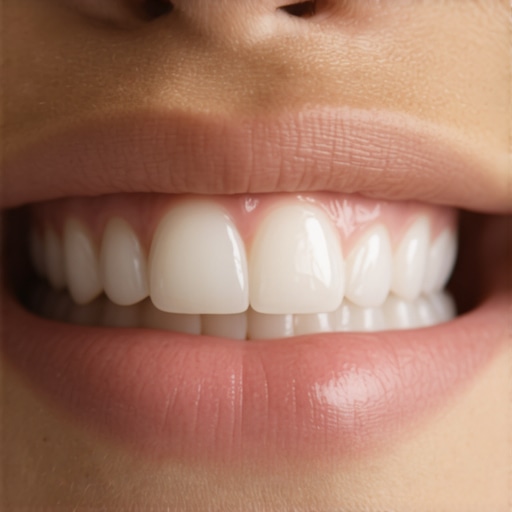 Many patients approach dental care with misconceptions rooted in popular myths or superficial knowledge. For instance, a common belief is that all dental treatments are equally invasive or painful, but experienced practitioners understand that modern techniques like Invisalign and advanced teeth cleaning are designed to maximize comfort and efficiency. One underrated nuance is the importance of choosing a dentist who specializes in cosmetic dentistry; not all general dentists have the expertise to deliver veneers, whitening, or full smile makeovers effectively, as highlighted in [this article](https://smilezdentist.com/cosmetic-dentistry-for-discolored-teeth-your-path-to-radiance). Furthermore, there’s a misconception that teeth whitening results are permanent—when, in reality, factors like diet and oral hygiene greatly influence longevity.
A common trap patients fall into is assuming cheaper, over-the-counter whitening kits are just as effective as professional treatments, but studies show professional whitening provides consistent, safer, and longer-lasting results. Regarding Invisalign, many believe it’s only suitable for minor misalignments; however, with technological advancements, Invisalign now addresses complex cases, which can be confirmed through [expert insights](https://smilezdentist.com/why-invisalign-is-the-future-of-clear-braces).
Another often-overlooked aspect is the significance of regular professional teeth cleanings. Some think they’re purely cosmetic, but research indicates that cleanings are crucial in preventing periodontal disease and systemic health issues, as discussed in [this detailed guide](https://smilezdentist.com/how-regular-teeth-cleaning-can-prevent-major-dental-issues). Yet, many underestimate the importance of maintenance and follow-up care, leading to advanced dental problems that could have been avoided.
It’s worth noting that many patients don’t realize the skill required in cosmetic procedures. For example, improper shade matching in veneers or crowns can result in unnatural appearances, highlighting the need for an experienced cosmetic dentist. A significant mistake is to choose a provider based solely on price, ignoring credentials or patient reviews. Always remember, an investment in the right expertise yields natural, long-lasting results.
Lastly, one sophisticated question often asked by advanced patients is about the impact of emerging technologies, such as 3D imaging and digital smile design, on treatment outcomes. These innovations enable precise planning and tailor-made solutions, elevating the standard of care. For a deeper understanding, exploring [this resource](https://smilezdentist.com/modern-teeth-cleaning-innovations-that-reduce-sensitivity-and-boost-results) can be enlightening.
Have you ever fallen into this trap? Let me know in the comments. Navigating the intricacies of dental procedures requires awareness beyond surface-level assumptions—equipping yourself with knowledge ensures better decisions and outcomes.Maintaining your dental health and cosmetic results requires more than just good habits; it’s about using the right tools and techniques to support long-term success. A key component is investing in state-of-the-art equipment that ensures precision, comfort, and efficiency. One such tool I highly recommend is the **Ultrasonic Scaler**. This device utilizes high-frequency vibrations to remove plaque and tartar more effectively than manual tools, reducing the risk of gum disease and prolonging the life of your veneers or whitening results. Personally, I prefer models like the **Cavitron** because of its reliability and user-friendly interface, which minimizes discomfort during professional cleanings and helps maintain an optimal oral environment.
Investing in good-quality **digital toothbrushes**, especially those with oscillating-rotating heads, is also crucial. I use the **Sonicare DiamondClean** because it provides advanced cleaning modes tailored for sensitive teeth and deep plaque removal, helping to sustain whitening treatments and prevent decay. Regular use of these tools complements routine dental visits, as discussed here, this article, emphasizing the significance of proactive maintenance.
For tracking your progress and adhering to your dental routines, I suggest integrating **dental apps** like **Toothpic**. These apps allow you to digitally monitor your brushing and flossing habits, offering real-time feedback and motivation. Such technology is a game-changer, especially when combined with professional care, leading to better long-term cosmetic and health outcomes.
Looking ahead, I predict that technology will continue to evolve, integrating AI-driven diagnostics and personalized treatment plans directly accessible through home devices. This trend will make maintenance more efficient and tailored, ensuring your smile stays radiant for decades. To stay at the forefront, consider upgrading your tools regularly and consulting with your dentist about innovative products, like the latest ultrasonic technology, which is constantly advancing.
**How do I keep my tools in top shape?** Regularly sterilize manual instruments with ultrasonic baths, replace heads on electric toothbrushes every three months, and stay informed about emerging innovations through professional resources. Remember, the proper tools backed by expert usage are essential in maintaining your smile and prolonging the results of cosmetic dentistry. Give one of these advanced tips a try today, and experience the difference! For more insights on optimizing your dental routine, check out this article.
Why Personal Experience Outranks Theories
Early in my practice, I learned that no textbook can replace real patient stories. For example, understanding the emotional impact of a perfect smile transformation made me prioritize patient comfort over just aesthetic results. This lightbulb moment taught me to listen more and assume less, which truly changed my approach to cosmetic dentistry.
The Power of Staying Ahead with Technology
I soon realized that embracing new tools, like digital smile design, isn’t just about staying trendy—it’s about delivering precise, personalized results. Using these innovations has consistently increased patient satisfaction and long-term success, reinforcing that continuous learning is vital in this field.
Choosing Experts Can Save You Future Troubles
Experience shows that selecting a skilled cosmetic dentist—especially one adept in Invisalign and teeth whitening—can prevent costly corrections later. Investing in expertise ensures natural-looking, lasting results that boost confidence and save money in the long run. For insights into selecting such professionals, check this article about finding the right cosmetic dentist.
Honesty About Limitations Protects Smiles
I’ve learned that transparency about what treatments can or can’t achieve prevents disappointment. Sometimes, a patient’s expectations aren’t aligned with reality. Clear communication today preserves trust and ensures satisfaction—something I emphasize in every consultation.