
It was just another Saturday morning when I bit into my toast and felt a sudden, sharp pain—my molar had chipped. In that instant, I realized how vulnerable I was without immediate access to professional help. Have you ever experienced something similar? That lightbulb moment where you understand—sometimes, dental emergencies happen far from the comforting chair of your dentist, leaving you feeling helpless and anxious.
Why a Chipped Molar Can Ruin Your Day—or Even Your Week
A chipped molar isn’t just a cosmetic concern; it can lead to sensitivity, pain, and even infection if not addressed properly. The tricky part is knowing what steps to take when visiting a dentist isn’t immediately possible. I remember rushing to Google, trying to find quick fixes, only to realize that not all advice out there is reliable. That early mistake—trying home remedies without understanding the severity—could have worsened my situation.
Now, after navigating several dental mishaps myself, I want to share what I’ve learned. Today, we’ll explore practical, realistic ways to manage a chipped molar when you’re miles away from the nearest professional. Because let’s be honest, emergencies don’t wait for your calendar to clear or your dentist’s office hours. And whether you’ve faced similar trouble or are just trying to be prepared, this guide is for you.
What to Expect in This Guide
We’ll cover the best immediate actions to take, how to protect the tooth from further damage, and when it’s crucial to seek professional care. Plus, I’ll share some tips that might just save you a trip to the emergency room—or worse. Remember, while these tips are helpful, they are no substitute for professional treatment. Still, in a pinch, being equipped with the right knowledge can make all the difference.
Have you dealt with a chipped tooth before? Or are you worried about facing it someday? If so, keep reading—what follows could be the most helpful thing you learn today.
As soon as you realize your molar is chipped, check if there’s bleeding. Apply gentle pressure with a clean cloth or sterile gauze to stop bleeding. If blood flow persists, elevate your head and avoid swallowing excess blood to minimize nausea. Also, rinse your mouth with a warm saltwater solution (half teaspoon salt in eight ounces of water) to clean the area and reduce bacteria, much like washing a wound to prevent infection.
Find a piece of the chipped fragment if possible, storing it in milk or saliva—these fluids help preserve the fragment for potential reattachment. To shield the exposed dentin or nerve endings, cover the area with dental wax or sugar-free gum, acting like a temporary shield to prevent sensitivity and prevent further breakage. I once used a clean piece of chewing gum to cover a loose fragment, which held until I saw my dentist.
Take over-the-counter pain relievers such as ibuprofen or acetaminophen following the recommended dosage. Applying a cold pack to the cheek can also numb the area and reduce swelling. Remember, just like a baseball glove cushions an impact, these measures help minimize discomfort until professional treatment can be obtained.
Stay away from very hot, cold, or sticky foods that can aggravate pain or dislodge any temporary coverings. Chewing on the opposite side of your mouth minimizes pressure on the injured area. I learned this the hard way—biting into an icy apple after chipping my molar made the pain unbearable, so I shifted my chewing habits temporarily.
Even if the chipped tooth seems minor, visiting your dentist as soon as possible is crucial. Timely intervention can prevent further damage, infection, or the need for more extensive procedures. When you arrive, your dentist might perform procedures like bonding, veneer placement, or even root canal treatment, depending on the damage severity. Meanwhile, avoiding home remedies that claim to fix chips permanently is wise; professional assessment guarantees the best outcome. If you’re interested in cosmetic options to restore your smile, explore innovative treatments like those discussed here.
Having a chipped molar might be alarming, but knowing these immediate steps can make a significant difference in protecting your dental health until you see your dentist. Preparation and prompt action are key to ensuring your smile stays healthy and beautiful long-term.
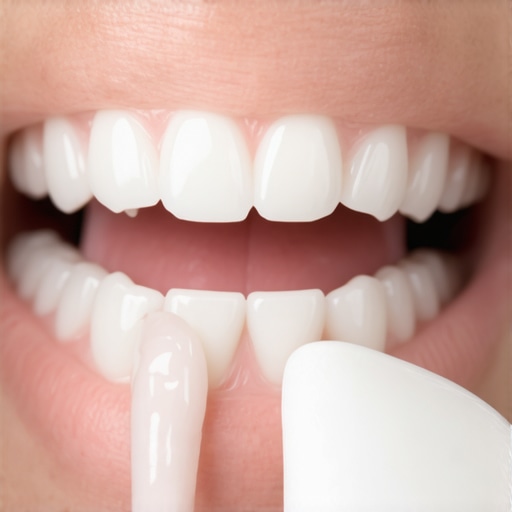 While many believe that cosmetic dentistry is primarily about superficial enhancements, the reality is far more nuanced. A common misconception is that all procedures, like teeth whitening or veneers, are quick fixes that last forever. In fact, the longevity of cosmetic treatments depends on proper maintenance and understanding their limitations. For example, teeth whitening results can fade faster if you don’t follow your dentist’s aftercare instructions or neglect regular cleanings.
Are There Underrated Risks in Cosmetic Procedures That Top Dentists Warn About?
Experts emphasize that aggressive whitening or improperly placed veneers can sometimes cause irreversible damage, such as enamel erosion or gum recession. According to a study published in the Journal of Clinical Dentistry, overusing or misapplying whitening agents can weaken tooth structure and increase sensitivity. This underscores the importance of consulting qualified professionals rather than relying on over-the-counter solutions.
Many people get caught in the trap of believing that cosmetic treatments are purely aesthetic, neglecting their impact on oral health. A common myth is that Invisalign is just an alternative to braces for adults; however, the technology involves precise tooth movements that require a full understanding of occlusion and bite dynamics. Without expert guidance, improper aligner wear can lead to bite issues or root resorption, complicating long-term dental health. For a deeper dive, check out this comprehensive guide.
Another underestimated aspect is the significance of professional teeth cleaning. Many assume that brushing alone suffices for oral hygiene, but top dentists highlight that plaque buildup in hard-to-reach areas can lead to gum disease and cavity formation despite regular brushing. Neglecting professional cleanings can be a silent contributor to periodontal problems. For myth-busting insights, visit this article.
What Advanced Mistakes Do Even Experienced Patients Make About Dental Care?
Patients often overlook the importance of tailored maintenance routines, assuming one-size-fits-all advice is sufficient. Overuse of whitening products, poor flossing techniques, or delaying professional assessments can silently degrade oral health. Regular checkups help detect issues at their earliest, but many delay appointments until discomfort or damage becomes evident. Remember, proactive care and personalized advice from your dentist can save significant pain and expense later on. Have you ever fallen into this trap? Let me know in the comments.
Invest in the Right Dental Maintenance Tools
To keep your smile in top shape, I personally rely on a few specialized tools that make daily care more effective. A high-quality electric toothbrush, like the Philips Sonicare DiamondClean, offers superior plaque removal through sonic vibrations, which I find essential, especially for those with sensitive gums. Pair it with antimicrobial fluoride toothpaste to strengthen enamel and suppress bacterial growth, an approach recommended by dental experts to maintain long-term oral health.
Another indispensable tool is a water flosser, such as the Waterpik Aquarius, which I use because it reaches challenging areas that traditional floss can miss. Regular flossing remains critical, but for stubborn plaque around braces or implants, water flossers provide thorough cleaning without damaging delicate tissues.
Adopt Advanced Software and Monitoring Techniques
Beyond physical tools, I recommend tracking your oral health progress with apps like Brush DJ or Philips Sonicare’s app. These platforms remind you to brush for the recommended two minutes and provide feedback on your brushing patterns, which helps in maintaining consistent daily routines. For those seeking to enhance their cosmetic results, specific apps facilitate visualization of smile makeovers, aiding in realistic expectations and preparation.
Furthermore, voice-activated reminders for dental hygiene can complement your routine, ensuring consistency amid busy schedules. The integration of smart technology in dental care is trending and is expected to become a staple in long-term maintenance strategies, as outlined in recent dental innovation reviews.
Refine Long-Term Results Through Professional Support
While at-home tools keep your mouth healthy daily, regular professional cleanings are irreplaceable. Scheduling biannual visits ensures that plaque accumulation—even in hard-to-reach areas—is addressed. To maximize these visits, I advise asking your dentist about high-tech cleaning methods, such as laser-based plaque removal, which offers a deeper clean with less discomfort, according to recent studies in dental technology journals.
Tip: Using a combination of at-home tools and professional treatments ensures your oral health is optimized and preserved, prolonging the aesthetic and functional benefits of cosmetic procedures like veneers or Invisalign. To understand the latest trends in cosmetic dentistry that can complement your maintenance routine, explore these innovative approaches.
How do I maintain my dental work over time?
Maintaining your dental work, such as veneers, crowns, or Invisalign aligners, requires disciplined daily care. Use gentle, non-abrasive cleaning tools—like soft-bristle toothbrushes—and avoid overly aggressive flossing that can damage restorations. Regular checkups help your dentist identify early signs of wear or damage, making repairs easier and more affordable. Additionally, I recommend discussing the use of adjunctive tools like interdental brushes designed for specific restorations, ensuring they stay pristine for years to come. According to dental research, incorporating these targeted cleaning methods greatly reduces the risk of long-term complications and ensures your investment in cosmetic enhancements endures. For personalized advice on maintaining your specific dental work, don’t hesitate to consult your dentist. Try integrating a water flosser into your routine if you’re not already using one—it’s a game-changer for long-term upkeep.
Lessons Only Insiders Stumble Upon
- Patience During a dental mishap can be a game-changer; rushing to fix a chipped tooth without professional guidance often leads to more damage and pain.
- Having a small dental kit with essentials like sterile gauze, dental wax, and a clean container for fragments can save you precious time and reduce panic.
- Understanding that some home remedies might do more harm than good made me rethink my instant reactions and trust professional advice more.
- Realizing that continuous maintenance and proactive care are the best insurance for long-term dental health helped me avoid future surprises.
- The most profound lesson was discovering that comfort in knowing what to do can turn a stressful situation into an opportunity to care for myself more consciously.
My Tried-and-True Tools for Smile Mastery
- My electric toothbrush from Philips Sonicare, which ensures thorough cleaning without damaging sensitive gums, is indispensable—trust me on this one.
- The Waterpik Aquarius water flosser has transformed my daily routine, reaching crevices traditional floss can’t access, especially around dental work.
- A good-quality dental mirror helps me check areas I usually miss, preventing plaque buildup and catching early signs of trouble.
- For maintaining bright, healthy teeth, I swear by professional-grade whitening kits recommended by my dentist, found through trusted resources like this guide.
Keep Moving Forward, One Smile at a Time
Your journey towards a resilient, radiant smile starts with knowledge and action. With the right preparations and attitude, you can handle dental surprises confidently and keep your smile shining for years to come. Remember, staying proactive and seeking expert advice ensures that your cosmetic dentistry investments truly pay off. Are you ready to prioritize your dental health and embrace the habits that protect your smile? Let me know below!