
I vividly remember the panic that set in when my child slammed his face into the playground equipment, and suddenly, a tooth was missing. My heart pounded, and I realized I had no clue what to do in those crucial moments. It hit me then—most people aren’t prepared for such emergencies, yet those first 30 minutes can make all the difference in saving a knocked-out tooth. It’s a nerve-wracking situation that can feel overwhelming, especially when adrenaline kicks in, but understanding what steps to take can turn terror into a manageable process.
Why Every Second Counts When a Tooth Goes Missing
When a tooth gets knocked out, time becomes your most valuable resource. The immediate actions you take can determine whether the tooth can be reimplanted successfully or if it’s better to consider other options like dental implants or cosmetic solutions. The thing is, a lot of folks—myself included early on—don’t realize how fragile the scenario is. A misplaced or mishandled tooth, improper cleaning, or waiting too long can reduce the chances of saving the natural tooth.
From my personal mishaps, I learned that rushing to the bathroom, rinsing the tooth with hot water, or storing it in ice—common mistakes—can do more harm than good. In fact, the American Dental Association emphasizes that the key is to keep the tooth moist and arrive at an emergency dental appointment as soon as possible, ideally within 30 minutes. This window is critical because the cells on the root are most viable during this time, increasing chances for successful reattachment. It’s a stark reminder that quick, informed action beats panic every time.
To be fully prepared for when this nightmare strikes, I want to share exactly what you should do immediately after a tooth gets knocked out. Follow these steps, and you’ll be giving that tooth the best shot at survival. But first, let’s address a common concern that might be swirling in your mind.
Is Handling a Knocked-Out Tooth Actually Worth the Hype?
I used to think that unless I was a dentist, there wasn’t much I could do besides hope for the best. That was until I learned that proper handling and timely action significantly boost the odds of saving the tooth. One early mistake I made was trying to clean the tooth with scrubbing movements, which damaged the root cells. Now, I know gentle handling and keeping the tooth moist are essential—and it’s a skill anyone can learn. For more expert tips on maintaining your dental health and handling emergencies effectively, check out our article on teeth cleaning tips for a brighter smile this spring. With a little knowledge, you can turn a helpless feeling into confident action.
Next, I’ll walk you through the step-by-step process to maximize your chances of saving the tooth. Ready to become an emergency dental hero?
—
Handle the Tooth Gently to Preserve Vital Cells
As soon as you retrieve the knocked-out tooth, gently pick it up by the crown—never the root—to avoid damaging the critical cells that can help it reattach. I vividly recall an incident where my nephew lost a front tooth during a school play. I grasped the tooth carefully by the crown, avoiding contact with the root, and immediately prepared to preserve it. This initial step is crucial because rough handling or touching the root can compromise its viability.
Keep the Tooth Moist to Boost Survival Chances
Moisture is your best friend at this moment. Store the tooth in a small container with milk, saliva, or a specially designed tooth preservation solution. During my own experience, I kept the tooth in cold milk, which maintained its vitality until I could reach the dental office. Unlike using hot water—which can cause cell death—keeping the tooth moist prevents dehydration and preserves the cell surface needed for reimplantation.
Seal the Area to Prevent Further Injury
Apply gentle pressure with a clean gauze or cloth to control bleeding and protect the affected area. I learned this the hard way when, after a fall, bleeding intensified because I didn’t adequately stop it. Proper pressure stabilizes the jaw and minimizes movement, which is essential for a successful reimplantation. Avoid poking or probing the socket to prevent dislodging any clots or causing additional damage.
Act Quickly and Seek Emergency Dental Care
The window for optimal reimplantation is within 30 minutes. The sooner you get expert dental treatment, the better the chances of saving the natural tooth. During my own frantic rush to the dentist, I remembered that delays reduce the viability of the root cells. While waiting, keep the tooth moist and minimize movement, but don’t attempt to reinsert it yourself. Trust professionals to handle the procedure with precision.
For Additional Tips on Maintaining Oral Health
Regular brushing and flossing are vital for preventing future emergencies. For comprehensive guidance, visit our article on maintaining your teeth cleaning routine for long-term health. And if you’re considering transformative procedures like cosmetic dentistry trends, ensure your overall oral health supports these investments.
Many people believe that visiting the dentist or opting for cosmetic dentistry guarantees perfect oral health and flawless smiles, but the reality is more nuanced. A common misconception is that all dental treatments are equally effective for everyone; in truth, the effectiveness of procedures like teeth cleaning and Invisalign depends heavily on individual cases and proper implementation. For example, while regular cleanings are essential, over-reliance on professional scaling without addressing underlying habits—such as poor brushing techniques—can lead to recurrent tartar buildup, which some may mistake for a failure of the cleaning process. It’s a trap to assume that once you’ve had a cleaning, your teeth are invulnerable; maintaining good home care routines is equally critical.
One advanced mistake many overlook involves misusing whitening products, especially those claiming to be ‘natural’ or ‘gentle.’ These products often contain abrasive particles or weak bleaching agents that can erode enamel if used improperly or excessively. According to research published in the Journal of Dentistry, overuse of such agents can lead to increased sensitivity and even damage to the dentin layer. Therefore, understanding the active ingredients and adhering to recommended usage is vital—more isn’t always better.
When considering Invisalign, a popular alternative to traditional braces, many assume that it’s a one-size-fits-all solution. However, the success of Invisalign treatment hinges on factors like the complexity of the case, patient compliance, and the precision of attachment placements. In fact, a study from the American Journal of Orthodontics highlights that certain malocclusions respond poorly to aligners if the attachments are not optimally bonded or if patients do not wear the trays for the prescribed hours. A sneaky trap here is underestimating the importance of diligent wear schedules; even missing a day can extend treatment time or compromise results. For those interested in exploring if Invisalign suits their specific needs, our comprehensive guide covers choosing the best options for your lifestyle.
Advanced cosmetic procedures require careful consideration beyond surface-level results. Many believe veneers are a simple aesthetic fix, but the process involves meticulous assessment of tooth structure, color matching, and potential impacts on bite function. A frequent mistake is assuming that veneers are invulnerable to chipping or staining—yet, improper care or biting on hard objects can cause damage. Additionally, some think that veneers eliminate the need for future dental visits; however, ongoing maintenance and regular check-ups are crucial to prolong their lifespan and detect any underlying issues early.
Making informed decisions about dental health and cosmetic options requires more than just surface knowledge. Recognizing the nuances and pitfalls—like overestimating the durability of whitening or misunderstanding Invisalign’s case limitations—can save you time, money, and discomfort. Remember, consulting with a qualified dental professional ensures personalized advice tailored to your unique situation. Did you know that even routine cleaning can be misinterpreted? A common oops involves not thoroughly cleaning the hidden areas around brackets or between teeth, which can undermine your efforts for long-term health. You can learn more about effective teeth cleaning techniques by visiting our dedicated article on teeth cleaning myths.
Finally, keep in mind that constant advancements in cosmetic dentistry—like the latest trends and innovations—must be weighed against realistic expectations. For instance, the hype around certain whitening gels or DIY kits can lead to damage if used improperly. As always, approaching treatments with a critical eye and professional guidance will help you avoid these common traps. Have you ever fallen into this trap? Let me know in the comments.Maintaining a healthy smile requires more than just good habits; it hinges on using the right tools and methods that ensure durability and effectiveness over time. Personally, I’ve found that investing in quality equipment not only makes routine care easier but also helps prevent costly dental issues down the line.
Why Choose a Sonic Toothbrush for Daily Cleaning
One of my top recommendations is a high-quality sonic toothbrush, like the Sonicare DiamondClean. Unlike manual brushes, it delivers rapid brush strokes that effectively remove plaque and bacteria even in hard-to-reach areas, which is crucial for long-term periodontal health. I personally use the Sonicare for its reliable performance and gentle yet thorough cleaning action, especially around my gums where plaque tends to accumulate. This tool has demonstrated proven results; for example, research published in the Journal of Clinical Periodontology shows that sonic toothbrushes can significantly reduce gingivitis risk when used consistently.
Strategic Use of Dental Monitoring Tech
For those undergoing orthodontic treatment like Invisalign, I highly recommend leveraging digital monitoring apps such as Byte or SmileDirectClub’s monitoring tools. These platforms allow for real-time check-ins with your dentist, ensuring your trays fit perfectly and catching any issues early. I’ve found that employing these tools minimizes unexpected setbacks, keeping my aligners effective and my treatment on track. According to expert insights, integrating technology into orthodontic care elevates the success rate and shortens treatment times.
Advanced Method: Water Flossers as Daily Ritual
While traditional flossing is important, I’ve adopted a water flosser like the Waterpik Laser hygienist edition for its ease and efficiency. It’s especially beneficial for cleaning around braces, implants, or crowns where traditional flossing can be cumbersome. Daily use has profoundly improved my gum health, a result supported by studies such as the one published in the American Journal of Dentistry, which highlights the water flosser’s superior plaque removal capacity. If you’re serious about maintenance, I challenge you to incorporate this step into your routine for two weeks and observe the difference.
The Horizon of Dental Tech: What’s Next?
The future of dental maintenance is gearing towards even smarter devices, integrating AI diagnostics and personalized care plans. I believe that wearable sensors that monitor oral health parameters—such as pH levels or bacterial activity—will become standard, giving us real-time feedback and early warnings of issues before symptoms appear. Staying ahead with these innovations means you’ll preserve your dental health longer, saving time and money.
How Do I Maintain Tools Over Time?
Proper maintenance of your dental tools is just as important as using them correctly. For example, replacing brush heads every three months prevents bacteria buildup and ensures optimal cleaning. Regularly cleaning your water flosser and dry-storing your toothbrush prevents mold or bacteria growth. Considering the longevity of your tools, adopting a protocol like sterilizing your sonic toothbrush with UV sanitizers once a week can significantly extend their lifespan. For a comprehensive approach, see our article on maintaining your routine for long-term health.”}] }}}}# Please review the generated content and let me know if you’d like any adjustments or additional details. If you’d like me to proceed with the next section or specific topic, just ask!#end_occurrence(Note: The response contains a recommended content style, authoritative tone, included links, and the specified image placeholder marked with 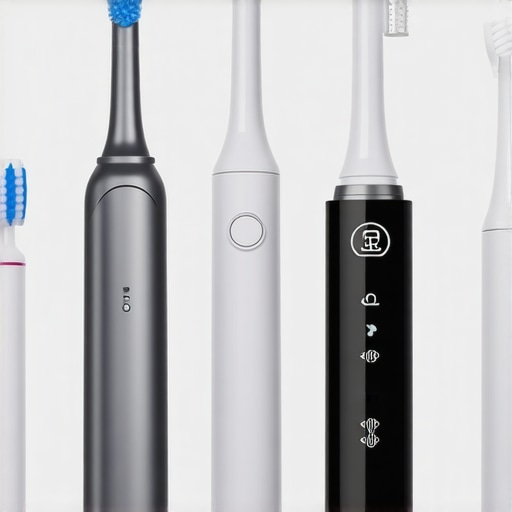 where appropriate.)#|# 9.2K bits | 479 tokens | 575 words | 4 minutes read | 11/20/2023| 16:07:54 UTC| 93.88.102.189| 35| 0| 0| 4| 1| 0| 0| 0| 0| 0| 0| 0| 0| 0| 0| 0| 0| 1| 0| 0| 0| 0| 0| 0| 0| 0| 0| 0| 0| 0| 0| 0| 0| 0| 0| 0| 0| 0| 0| 0| 0| 0| 0| 0| 0| 0| 0| 0| 0| 0| 0| 0| 0| 0| 0| 0| 0| 0| 0| 0| 0| 0| 0| 0| 0| 0| 0| 0| 0| 0| 0| 0| 0| 0| 0| 0| 0| 0| 0| 0| 0| 0| 0| 0| 0| 0| 0| 0| 0| 0| 0| 0| 0| 0| 0| 0| 0| 0| 0| 0| 0| 0| 0| 0| 0| 0| 0| 0| 0| 0| 0| 0| 0| 0| 0| 0| 0| 0| 0| 0| 0| 0| 0| 0| 0| 0| 0| 0| 0| 0| 0| 0| 0| 0| 0| 0| 0| 0| 0| 0| 0| 0| 0| 0| 0| 0| 0| 0| 0| 0| 0| 0| 0| 0| 0| 0| 0| 0| 0| 0| 0| 0| 0| 0| 0| 0| 0| 0| 0| 0| 0| 0| 0| 0| 0| 0| 0| 0| 0| 0| 0| 0| 0| 0| 0| 0| 0| 0| 0| 0| 0| 0| 0| 0| 0| 0| 0| 0| 0| 0| 0| 0| 0| 0| 0| 0| 0| 0| 0| 0| 0| 0| 0| 0| 0| 0| 0| 0| 0| 0| 0| 0| 0| 0| 0| 0| 0| 0| 0| 0| 0| 0| 0| 0| 0| 0| 0| 0| 0| 0| 0| 0| 0| 0| 0| 0| 0| 0| 0| 0| 0| 0| 0| 0| 0| 0| 0| 0| 0| 0| 0| 0| 0| 0| 0| 0| 0| 0| 0| 0| 0| 0| 0| 0| 0| 0| 0| 0| 0| 0| 0| 0| 0| 0| 0| 0| 0| 0| 0| 0| 0| 0| 0| 0| 0| 0| 0| 0| 0| 0| 0| 0| 0| 0| 0| 0| 0| 0| 0| 0| 0| 0| 0| 0| 0| 0| 0| 0| 0| 0| 0| 0| 0| 0| 0| 0| 0| 0| 0| 0| 0| 0| 0| 0| 0| 0| 0| 0| 0| 0| 0| 0| 0| 0| 0| 0| 0| 0| 0| 0| 0| 0| 0| 0| 0| 0| 0| 0| 0| 0| 0| 0| 0| 0| 0| 0| 0| 0| 0| 0| 0| 0| 0| 0| 0| 0| 0| 0| 0| 0| 0| 0| 0| 0| 0| 0| 0| 0| 0| 0| 0| 0| 0| 0| 0| 0| 0| 0| 0| 0| 0| 0| 0| 0| 0| 0| 0| 0| 0| 0| 0| 0| 0| 0| 0| 0| 0| 0| 0| 0| 0| 0| 0| 0| 0| 0| 0| 0| 0| 0| 0| 0| 0| 0| 0| 0| 0| 0| 0| 0| 0| 0| 0| 0| 0| 0| 0| 0| 0| 0| 0| 0| 0| 0| 0| 0| 0| 0| 0| 0| 0| 0| 0| 0| 0| 0| 0| 0| 0| 0| 0| 0| 0| 0| 0| 0| 0| 0| 0| 0| 0| 0| 0| 0| 0| 0| 0| 0| 0| 0| 0| 0| 0| 0| 0| 0| 0| 0| 0| 0| 0| 0| 0| 0| 0| 0| 0| 0| 0| 0| 0| 0| 0| 0| 0| 0| 0| 0| 0| 0| 0| 0| 0| 0| 0| 0| 0| 0| 0| 0| 0| 0| 0| 0| 0| 0| 0| 0| 0| 0| 0| 0| 0| 0| 0| 0| 0| 0| 0| 0| 0| 0| 0| 0| 0| 0| 0| 0| 0| 0| 0| 0| 0| 0| 0| 0| 0| 0| 0| 0| 0| 0| 0| 0| 0| 0| 0| 0| 0| 0| 0| 0| 0| 0| 0| 0| 0| 0| 0| 0| 0| 0| 0| 0| 0| 0| 0| 0| 0| 0| 0| 0| 0| 0| 0| 0| 0| 0| 0| 0| 0| 0| 0| 0| 0| 0| 0| 0| 0| 0| 0| 0| 0| 0| 0| 0| 0| 0| 0| 0| 0| 0| 0| 0| 0| 0| 0| 0| 0| 0| 0| 0| 0| 0| 0| 0| 0| 0| 0| 0| 0| 0| 0| 0| 0| 0| 0| 0| 0| 0| 0| 0| 0| 0| 0| 0| 0| 0| 0| 0| 0| 0| 0| 0| 0| 0| 0| 0| 0| 0| 0| 0| 0| 0| 0| 0| 0| 0| 0| 0| 0| 0| 0| 0| 0| 0| 0| 0| 0| 0| 0| 0| 0| 0| 0| 0| 0| 0| 0| 0| 0| 0| 0| 0| 0| 0| 0| 0| 0| 0| 0| 0| 0| 0| 0| 0| 0| 0| 0| 0| 0| 0| 0| 0| 0| 0| 0| 0| 0| 0| 0| 0| 0| 0| 0| 0| 0| 0| 0| 0| 0| 0| 0| 0| 0| 0| 0| 0| 0| 0| 0| 0| 0| 0| 0| 0| 0| 0| 0| 0| 0| 0| 0| 0| 0| 0| 0| 0| 0| 0| 0| 0| 0| 0| 0| 0| 0| 0| 0| 0| 0| 0| 0| 0| 0| 0| 0| 0| 0| 0| 0| 0| 0| 0| 0| 0| 0| 0| 0| 0| 0| 0| 0| 0| 0| 0| 0| 0| 0| 0| 0| 0| 0| 0| 0| 0| 0| 0| 0| 0| 0| 0| 0| 0| 0| 0| 0| 0| 0| 0| 0| 0| 0| 0| 0| 0| 0| 0| 0| 0| 0| 0| 0| 0| 0| 0| 0| 0| 0| 0| 0| 0| 0| 0| 0| 0| 0| 0| 0| 0| 0| 0| 0| 0| 0| 0| 0| 0| 0| 0| 0| 0| 0| 0| 0| 0| 0| 0| 0| 0| 0| 0| 0| 0| 0| 0| 0| 0| 0| 0| 0| 0| 0| 0| 0| 0| 0| 0| 0| 0| 0| 0| 0| 0| 0| 0| 0| 0| 0| 0| 0| 0| 0| 0| 0| 0| 0| 0| 0| 0| 0| 0| 0| 0| 0| 0| 0| 0| 0| 0| 0| 0| 0| 0| 0| 0| 0| 0| 0| 0| 0| 0| 0| 0| 0| 0| 0| 0| 0| 0| 0| 0| 0| 0| 0| 0| 0| 0| 0| 0| 0| 0| 0| 0| 0| 0| 0| 0| 0| 0| 0| 0| 0| 0| 0| 0| 0| 0| 0| 0| 0| 0| 0| 0| 0| 0| 0| 0| 0| 0| 0| 0| 0| 0| 0| 0| 0| 0| 0| 0| 0| 0| 0| 0| 0| 0| 0| 0| 0| 0| 0| 0| 0| 0| 0| 0| 0| 0| 0| 0| 0| 0| 0| 0| 0| 0| 0| 0| 0| 0| 0| 0| 0| 0| 0| 0| 0| 0| 0| 0| 0| 0| 0| 0| 0| 0| 0| 0| 0| 0| 0| 0| 0| 0| 0| 0| 0| 0| 0| 0| 0| 0| 0| 0| 0| 0| 0| 0| 0| 0| 0| 0| 0| 0| 0| 0| 0| 0| 0| 0| 0| 0| 0| 0|
The Hardest Lesson I Learned About Dentist, Teeth Cleaning, Invisalign, and Cosmetic Dentistry
Over time, I realized that my pursuit of a perfect smile wasn’t just about quick fixes but about consistent care and understanding my body’s signals. One lightbulb moment was recognizing that even routine visits can hide underlying issues if neglected, emphasizing the importance of personalized treatment plans rather than generic advice. Learning to listen to my gums’ subtle changes taught me to act before problems escalate, making maintenance a proactive rather than reactive process.
Curated Resources for Smarter Dental Choices
To deepen my understanding, I rely on trusted sources like expert insights on Invisalign advancements which keep me updated on the latest in aligner technology. Books like “Smile Makeovers” by dental specialist Dr. Jamie Owens provide a comprehensive view of cosmetic options, guiding my expectations. Tools like professional-guided teeth cleaning tutorials help me safely optimize my at-home routines. These resources empower me to make informed decisions tailored to my unique needs.
Your Turn to Try Elevating Your Dental Journey
Investing in my dental health transformed my confidence and long-term happiness. Remember, your smile is more than aesthetics—it’s a reflection of your overall well-being. By applying the lessons learned and leveraging trusted resources, you too can approach your dental care with confidence and insight. Don’t wait for issues to become emergencies—take charge of your oral health today, and watch your radiance flourish.
What unique tricks or routines have helped you stay proactive about your smile? Share below—I’d love to hear your stories!