
It was that moment I’ll never forget—standing in the dental office, my toddler clutching my hand, eyes wide with terror, refusing to open her mouth no matter how many gentle prompts I offered. My stomach sank as I realized we were about to face a battle of wills, and I wondered if I’d ever navigate this melt-down without tears (hers or mine). That lightbulb moment hit me hard: securing a child’s cooperation during dental visits isn’t just about patience—it’s about understanding that little ones are often genuinely scared and resisting because they don’t understand what’s happening. If you’ve ever faced a similar scene—your child’s body stiffening when it’s time for their dental checkup—you know exactly what I mean. But I promise, with a bit of insight and the right strategies, you can turn this stressful scenario into a manageable, even positive experience. Today, we’re going to dive into effective ways to encourage your toddler to open wide without turning a trip to the dentist into a full-blown battle. Whether it’s your first visit or you’re just tired of the struggle, I’ve been there, and I want to share what really works. Avoiding the common mistake of forcing a reluctant child can make all the difference; in fact, try to remember that forcing can increase fear and resistance, making future visits even harder (according to a study by the American Academy of Pediatric Dentistry). So, if your child has ever refused to open their mouth during a dental checkup, keep reading—these practical tips are tailored to help you and your little one have a more stress-free experience. Now, let’s explore the first step in easing your child’s dental anxieties and encouraging cooperation.
Start with Preparation and Conversation
Before the appointment, talk to your child about what to expect. Use simple, reassuring language, like, “The dentist will count your teeth and make your smile shiny!” This helps demystify the process and reduces anxiety. I once prepared my toddler with a story about her “tooth fairy friends” visiting the dental office, which made her more eager to participate. Clear communication sets a positive tone from the outset.
Use Distraction Techniques During the Visit
Engage your child’s attention with their favorite toy, a story, or a brief video on a tablet. Imagine trying to fix a delicate machine; if you distract the technician with a familiar object, the repair becomes smoother. During my last visit, I handed my child her beloved stuffed animal, which she hugged tightly, allowing the dentist to perform a quick examination without resistance. Distraction minimizes the focus on uncomfortable sensations.
Incorporate Visual Aids and Rewards
Visual aids like colorful diagrams or a small mirror can help children see what’s happening, reducing fear of the unknown. For example, I used a mirror to show my child her reflection, making her curious rather than scared. Additionally, offering small rewards, like stickers or a favorite snack after the appointment, reinforces cooperation. These incentives motivate children to follow instructions and associate dental visits with positive outcomes.
Model Calmness and Patience
Children pick up on caregivers’ emotions. Maintaining a calm demeanor can influence your child’s attitude. Take deep breaths and speak softly to create a soothing environment. I remember quietly demonstrating how I relaxed my jaw to my daughter, which she mirrored, easing her tension. Patience is essential; rushing may increase resistance, so allow your child to take breaks if needed. Your composed attitude reassures them that there’s nothing to fear.
Gradual Exposure and Desensitization
Introduce your child gradually to dental tools and environments. Start with short visits where they simply tour the office or sit in the dental chair without any procedures. This approach builds familiarity and trust. I took my son to the dentist’s office for a quick tour, which made him comfortable enough to sit still during his next checkup, by desensitizing him to the environment. Regular, positive experiences diminish fears over time.
Partner with a Dentist Who Gets Kids
Choosing the right dentist makes a significant difference. Look for a professional experienced in pediatric care and who employs child-friendly techniques. Resources like these tips can guide your selection. A dentist who understands child behavior can adapt procedures to minimize discomfort and build a trusting relationship. Building rapport with a gentle, understanding practitioner encourages cooperation and future compliance.
Create a Routine and Stick to It
Consistency helps children feel secure. Establish a dental routine—brushing twice daily, regular checkups—and adhere to it. When my daughter knew what to expect each visit, she felt more in control, reducing anxiety. Reinforce the routine with praise and positive language, fostering a sense of normalcy and safety around dental care.
Dispelling the Myth That Invisalign Is Just About Straightening Teeth
Many believe Invisalign is solely a cosmetic solution for aligning teeth, but it offers functional benefits that often go unnoticed. Correctly managed, Invisalign can improve bite issues and reduce jaw discomfort, not just straighten teeth. Yet, some practitioners or patients overlook these nuances, thinking it’s merely a vanity fix. To maximize results, understanding the advanced engineering behind Invisalign and its comprehensive capabilities is crucial. Learn more about the latest innovations and how they can benefit your oral health beyond aesthetics.
Beware of the Common Mistake in Choosing Your Dentist—And Why It Matters
One often-overlooked error is selecting a dentist based solely on price or superficial credentials. Expertise in the latest techniques, especially for cosmetic procedures like veneers or whitening, is essential. A well-trained, experienced dentist will ensure your treatment is both safe and effective, reducing the risk of complications or unsatisfactory results. For guidance, review how to select a skilled provider who can elevate your smile journey.
Advanced Tooth Cleaning Techniques—Are You Missing Out?
Many assume that basic teeth cleaning suffices for maintaining oral health. However, modern dental practices incorporate innovations like laser periodontal therapy and ultrasonic devices that enhance plaque removal, especially in sensitive areas. These techniques can prevent gum disease more effectively and reduce discomfort. Failing to utilize these advancements might leave you vulnerable to long-term issues. Curious about how these innovations can benefit you? Find out more at modern cleaning methods.
Why Most People Misjudge Cosmetic Dentistry’s True Value
There’s a misconception that cosmetic dentistry is purely superficial. In reality, procedures like teeth whitening, veneers, or contouring can profoundly impact confidence and mental well-being. The key is understanding that these treatments should be personalized and performed by an expert to avoid over-treatment or unnatural results. An improperly applied veneer, for instance, can look bulky or feel uncomfortable, undermining your trust in the process. For tips on selecting the right professional, explore finding a dentist who truly gets your smile.
Embedding the Nuance: The Oops to Avoid in Teeth Whitening
Many assume that over-the-counter whitening products are equally safe and effective as professional treatments. However, improper use or incompatible products can cause tooth sensitivity or damage enamel. Professional whitening done under expert supervision ensures optimal, safe results tailored to your enamel’s condition. Don’t fall into the trap of DIY whitening without guidance; it might cost you more in repairs later. To learn about safe whitening practices, visit comprehensive whitening guides. Have you ever fallen into this trap? Let me know in the comments.
Keeping your smile in top shape extends beyond just wearing your Invisalign aligners diligently. It involves using the right tools and techniques to ensure long-term success and optimal oral health. One of my favorite innovations is the use of ultrasonic toothbrushes, like the Philips Sonicare DiamondClean. I personally rely on this device because its sonic technology produces up to 62,000 brush strokes per minute, effectively removing plaque especially around attachments and hard-to-reach areas. This precision helps prevent decay and keeps your Invisalign clear and odor-free. 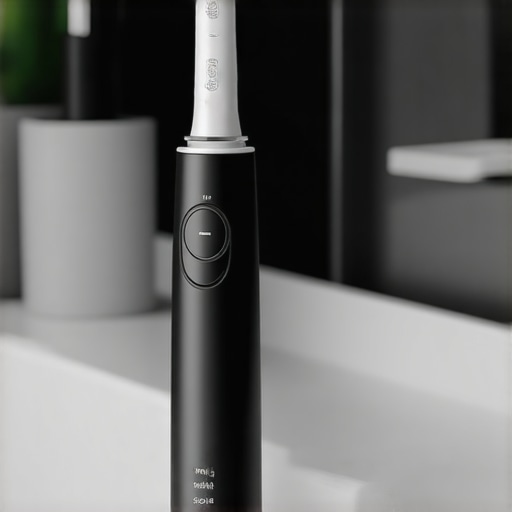 Having a reliable tool like this is critical, especially as you progress through treatment, to maintain the cleanliness and health of your teeth and gums.
Another essential aspect is professional guidance. I regularly update my techniques by consulting resources such as expert advice on Invisalign maintenance. Combining these resources with advanced tools ensures I stay ahead of potential issues, like early signs of enamel erosion or gum recession, which can be mitigated with proper care.
For those with busy schedules or who travel frequently, incorporating a water flosser such as the Waterpik Ultra is a game-changer. I use it daily because it effectively dislodges food particles caught in between brackets or aligners, reducing the risk of cavities and ensuring a truly clean mouth. Additionally, regularly scheduled professional teeth cleanings utilizing innovations like laser periodontal therapy can dramatically improve gum health and prevent complications that might delay your treatment.
Looking ahead, I anticipate that advancements like AI-driven monitoring systems will soon allow patients to track their oral health remotely, notifying them of issues before they escalate. The integration of smart devices with dental care is set to revolutionize long-term maintenance, making it more proactive and personalized.
What steps can you take today to improve your long-term dental hygiene?
Consider investing in an ultrasonic toothbrush or exploring new cleaning technologies. Regularly update your knowledge through credible resources, stay consistent with scheduled cleanings, and communicate openly with your dentist about your progress. To achieve the best results, I recommend trying the Philips Sonicare DiamondClean or similar high-powered toothbrushes—trust me, your future self will thank you. Discover more about expert-approved maintenance routines at these tips. Remember, proactive care today paves the way for a healthier, more confident smile tomorrow.
What I Learned the Hard Way About Invisalign’s Hidden Power
Initially, I thought Invisalign was just about discreetly straightening teeth, but I soon discovered its profound impact on my bite alignment and overall oral health. This insight motivated me to choose Invisalign over traditional braces, knowing it offered comprehensive benefits beyond aesthetics.
Choosing a Dentist: Why Experience Truly Matters
At first, I underestimated the importance of selecting a dentist who specializes in cosmetic dentistry and Invisalign. Finding a trusted professional, like those recommended at these tips, made all the difference in my treatment success and comfort. Don’t settle for less—your smile deserves the best expertise.
The Surprising Role of Regular Teeth Cleaning in Maintaining Invisalign Results
Beyond just sparkling teeth, consistent, modern cleaning techniques—such as laser periodontal therapy—are crucial for preventing gum issues that could delay your Invisalign journey. Incorporating these innovations, as explained at these resources, has kept my mouth healthy and my treatment on track.
Sometimes Less Is More: Do Less When Brushing
I used to think vigorous brushing was the key to oral health, but I learned that gentle, proper brushing combined with flossing and regular professional care is far more effective. Techniques highlighted at these tips have helped me avoid enamel wear and gum recession, ensuring my smile stays healthy long-term.
Preserve Your Glow with Professional Whitening Insights
Many believe over-the-counter products are enough, but I discovered that professional whitening supervised by an expert offers safer, longer-lasting results. The nuanced differences explained at these guides emphasized the importance of personalized care for radiant, healthy teeth.