
It caught me off guard one morning—sipping my favorite cold water, only to be hit by a lightning bolt of pain that made me gasp. My teeth, usually so sturdy, felt like daggers piercing through nerve endings. I remember thinking, “Why does drinking cold water suddenly become a test of my pain tolerance?” That moment was a wake-up call. Over the years, I had tried everything—dentist visits, special toothpaste, even avoiding cold beverages—but nothing truly worked. Until I discovered a simple yet effective solution that transformed my mornings and my relationship with cold drinks.
Why Does Cold Water Feel Like a Zinger in Your Tooth?
Many of us experience this unexpected sharp pain, often described as a zinger, when we indulge in icy drinks or desserts. It’s more common than we think and can be surprisingly debilitating. The culprit often lies in dentin hypersensitivity—a condition where the protective enamel wears down or gums recede, exposing the nerve-rich dentin layer beneath. This exposure causes the nerve endings to react painfully to cold stimuli. According to a study published in the Journal of Oral Rehabilitation, about 20% of adults report sensitivity to cold as a persistent issue.Early on, I made a mistake that many others do—I ignored the problem, thinking it was just temporary or a normal part of aging. That was a big mistake. Ignoring sensitivity can lead to worse issues down the line, like increased decay or gum disease. Instead, I should have consulted my dentist sooner and explored targeted treatments. If you’re nodding along, wondering if your pain is just a minor annoyance or something more serious, remember: addressing it early makes all the difference. Want to know how I turned this around? Stay tuned because I’ll share exactly what helped me, and can help you, to say goodbye to those icy zings for good.
Precisely Diagnose Your Sensitivity Problem
Start by identifying whether your pain is due to enamel erosion, gum recession, or exposed dentin. I vividly recall a time when I noticed my sensitivity worsened after a long weekend of sweets and acidic drinks. I visited my dentist, who performed a thorough examination, revealing early signs of enamel wear. Knowing the root cause guided my next steps effectively.
Implement Targeted Oral Hygiene Practices
Adopt gentle brushing techniques, avoiding abrasive toothpaste that can wear down enamel. Using a soft-bristled brush and low-abrasive toothpaste, as recommended in this guide, prevented further erosion. I switched to a toothpaste formulated for sensitivity, which immediately reduced discomfort. Consistent attention to proper brushing ensures long-term protection of vulnerable areas.
Consider Protective Dental Treatments
Ask your dentist about desensitizing agents, such as fluoride varnishes or bonding. During my last visit, a simple fluoride varnish application created a barrier over exposed dentin, offering instant relief. In more severe cases, options like night guards or gum grafts might be appropriate. These treatments reinforce tooth structure and gums, preventing exposure of sensitive nerve endings.
Optimize Your Diet and Habits
Avoid acidic foods and beverages—think citrus, soda, and vinegar—that hasten enamel erosion. I replaced my morning citrus juice with non-acidic options like herbal teas. Chewing sugar-free gum after meals stimulates saliva production, which naturally neutralizes acids. Avoiding frequent snacking on sugary or acidic snacks minimizes repeated attacks on enamel integrity.
Maintain a Consistent Cleaning Routine
Regular professional cleanings remove plaque and tartar that can contribute to gum recession, exposing roots. Check out this article for tips on effective cleaning practices. For those with mobility challenges, like a broken wrist, adapt your technique or use specialized tools to ensure thorough yet gentle cleaning. This preemptive approach keeps your teeth resilient against sensitivity triggers.
Integrate Cosmetic Dentistry Solutions When Needed
Suppose enamel erosion or tooth shape irregularities contribute to sensitivity; cosmetic procedures like bonding or veneers can shield vulnerable areas. I once had a small bonding procedure to cover a chipped tooth, which not only improved aesthetics but also reduced sensitivity. Consulting a cosmetic dentist can offer tailored solutions that enhance both function and appearance.
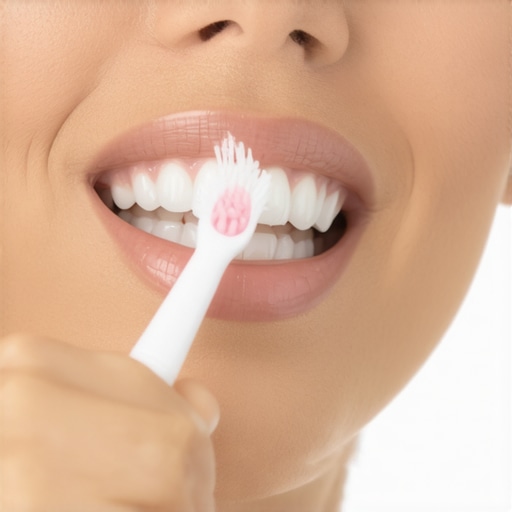
Visual guide to proper gentle brushing techniques for sensitivity prevention. A close-up of a soft-bristled toothbrush and correct angle on the gumline.
Many individuals believe that choosing Invisalign is simply about the clear aligners and little else, but the reality is far more nuanced. A common misconception is that all Invisalign providers use the same techniques, yet, as outlined in this article, the experience and technology integration significantly influence treatment outcomes. It’s a trap to assume that cheaper or less experienced dentists can deliver results comparable to top-tier specialists. Advanced cases, especially those involving complex bite issues, require a tailored approach only seasoned orthodontists can provide, emphasizing the importance of selecting the right professional.Maintaining your dental health after Invisalign or routine teeth cleaning requires more than just good habits; it demands the right tools and consistent strategies. Personal experience has shown me that investing in high-quality equipment makes a significant difference in preventing issues like sensitivity, decay, or misalignment. One essential device I recommend is a water flosser, such as the Philips Sonicare AirFloss, which effectively reaches areas traditional floss may miss and reduces the risk of gum recession that can expose sensitive dentin. I personally use mine daily after meals to keep my gums healthy and my aligners clean. Additionally, an ultrasonic toothbrush, like the Sonicare DiamondClean, has proven crucial in removing plaque more thoroughly, especially around brackets or attachments, maintaining the integrity of cosmetic procedures.
Regular use of these tools complements professional maintenance visits, like long-term teeth cleaning, which many overlook. According to a comprehensive guide on dental maintenance from this resource, combining advanced personal devices with professional cleanings drastically reduces risks of decay, gum disease, and sensitivity flare-ups.
Predicting the future of dental care, innovations in AI-driven toothbrushes and personalized oral health apps are set to revolutionize maintenance routines. These technologies can analyze wear patterns or detect early signs of issues through smartphone integrations, leading to even more proactive care.
How do you keep your dental tools effective over time? Regular tool replacement is paramount; for instance, I swap my sonic brush head every three months, which is recommended by the manufacturer and supported by dental experts to prevent bacterial buildup and maintain cleaning efficiency. Cleaning your devices properly—using alcohol wipes or sterilizing in an ultrasonic cleaner—also extends their lifespan and ensures optimal performance.
Incorporate routine check-ins with your dentist to assess whether your tools are still suitable for your evolving needs. For example, if you notice increased sensitivity or plaque buildup despite using your devices correctly, it might be time to upgrade or supplement your kit with new technology or techniques.
Finally, don’t underestimate the power of personalized dental software, which can sync with your devices and provide tailored advice based on your oral health data. As highlighted in this article, such innovations are paving the way for custom, effective long-term maintenance plans.
Start by trying out a water flosser and an ultrasonic toothbrush today—these small changes can dramatically boost your dental health and preserve your investment in Invisalign or cosmetic treatments. Remember, consistent maintenance is the key to a confident, healthy smile that lasts a lifetime.
What Hidden Twists Did My Invisalign Journey Teach Me?
One of the most surprising lessons was realizing how psychological comfort plays a massive role in actually sticking to dental routines. Initially, I thought the technology and treatments were the core—yet, embracing a mindset focused on self-care made all the difference. I learned that patience and perseverance often outweigh the most advanced tools. Sometimes, minor setbacks like wire pokes or aligner discomfort are just signs to revisit your approach rather than give up.
Tools That Became My Secret Weapons for Lasting Results
After extensive personal experience, I can attest that certain tools truly elevate your dental maintenance. A quality water flosser, such as the Philips Sonicare AirFloss, ensures thorough cleaning around braces or veneers. Coupled with an ultrasonic toothbrush like Sonicare DiamondClean, they make everyday routines more effective. These devices, combined with consistent professional cleanings, drastically reduce sensitivity and prevent future issues. For deeper insights, check out this resource.
Why Investing in Your Smile Is a Lifelong Commitment
Opting for cosmetic dentistry or Invisalign is just the beginning. True confidence stems from ongoing care—regular check-ups, proper tools, and smart habits. My experience has shown that integrating emerging technologies like personalized oral health apps can help you stay proactive. Remember, your smile is an investment in your future self—protect it with deliberate, consistent efforts, and you’ll enjoy a radiant, healthy smile for years to come. Curious about the latest innovations? Explore this article.
Unearthing Lessons Others Don’t Share
- Don’t wait until minor sensitivities turn into major problems; early intervention is your best defense.
- Prioritize gentle, nonabrasive tools to preserve your enamel and gums over time.
- Advanced technology can provide personalized insights—embrace and adapt to them for optimal results.
- Consistency in routine, combined with professional guidance, transforms your dental health from average to exceptional.
Gear Up for Your Next Growth Step
If you’re serious about elevating your dental health, start by evaluating your current routine. Consider upgrading to a water flosser or ultrasonic toothbrush, and schedule that dental check-up you’ve been postponing. Stay informed about emerging trends, like AI-driven oral health solutions, and see how they might fit into your regimen. Remember, a confident smile is within reach—commit to it today, and watch your lifelong journey towards dental excellence unfold. Ready to take that first step? Or perhaps share your own dental breakthroughs below!