
It was a chill summer evening, and I eagerly reached into my freezer for my favorite pint of ice cream. But as soon as I took that first spoonful, a sharp, almost electric sting shot through my tooth. I winced, recalling when my dentist warned me about the temporary sensitivity after getting a filling. If you’ve ever experienced that jarring zing when enjoying cold treats post-dental work, you know how disruptive and frustrating it can be. That sudden sharp pain can quickly turn a sweet moment into an uncomfortable ordeal.
Why This Sensitivity Happens and Why It’s a Nightmare
Understanding the cause of those pesky zings is the first step to overcoming them. After a filling, especially if it’s deep or near the nerve, your tooth becomes temporarily sensitive to temperature changes. The nerve endings react intensely to cold, hot, or even sweet stimuli—like ice cream—which triggers that sharp pain. In the early days after a filling, I made a common mistake: I thought avoiding cold foods altogether was enough, but surprisingly, that doesn’t always address the root of the problem. This led me down a path of constant discomfort and missed chances to enjoy simple pleasures.
The good news? There are practical ways to minimize or even eliminate this sensitivity, so you can go back to savoring your favorite cold desserts without fear.
And trust me, this is a feeling I wouldn’t wish on anyone. That’s why I want to share what I’ve learned—everything from lifestyle tweaks to simple remedies—that can help you reclaim those tasty moments.
But before we dive into the solutions, let’s tackle some common doubts that might be holding you back.
Is Tooth Sensitivity After Filling Actually Normal?
Here’s something I initially overlooked: many assume that a little sensitivity is just part of the healing process, but ignoring persistent pain can lead to bigger issues. Starting off by wrongly believing that sensitivity will fade on its own is a mistake I made—one that prolonged my discomfort. Recognizing this early can save you a lot of trouble and unnecessary suffering.
In the next sections, I’ll walk you through simple, proven techniques that have helped me—and many others—deal with that nerve-jarring zing. We’ll explore everything from dietary tips to the latest in dental care innovations, ensuring you’re equipped to enjoy your favorite cold delights without worry.
But first, do you find yourself wincing every time you indulge in frozen treats? If so, you’re not alone—and solutions are closer than you might think.
Adjust Your Eating Habits to Minimize Discomfort
Start by avoiding extremely cold or hot foods and drinks immediately after getting a filling. I remember during my own recovery, I replaced ice cream with room-temperature dessert options like pudding or custard. This reduces nerve stimulation, giving your tooth a chance to heal. As you adapt, gradually reintroduce colder treats in small bites, paying attention to your body’s cues.
Use Desensitizing Toothpaste Effectively
Opt for toothpaste formulated for sensitivity, such as those containing potassium nitrate or stannous fluoride. When I first tried this approach, I applied it liberally to the affected tooth twice daily and noticed a decrease in zing over a week. For maximum benefit, brush gently and avoid abrasive strokes that can worsen enamel wear. Consider switching your regular toothpaste to a sensitivity-specific formula—your teeth will thank you.
Incorporate Fluoride Treatments for Reinforced Enamel
Applying fluoride helps strengthen enamel and soothe sensitive nerves. Over-the-counter fluoride gels or rinses are easy to use—just follow the instructions on the label. During my personal trial, I used a daily fluoride rinse before bed, which contributed to reduced sensitivity. For persistent issues, your dentist may recommend professional fluoride application, providing a more potent boost to your enamel’s resilience.
Practice Gentle Oral Hygiene
Harsh brushing can erode enamel and worsen sensitivity. Use a soft-bristled toothbrush and brush in gentle circles—imagine you’re softly polishing your teeth rather than scrubbing. I learned this lesson when I switched to a softer brush after noticing increased discomfort with aggressive brushing. Regular, gentle cleaning maintains oral health without aggravating nerve endings.
Limit Acidic and Sugary Foods Temporarily
Acidic foods like citrus fruits and vinegars wear down enamel, increasing sensitivity. During my recovery, I minimized consumption of citrus and soda, replacing them with neutral-tasting options like water or herbal teas. Additionally, rinsing your mouth with water after consuming acidic foods can help neutralize acids, protecting your enamel from future damage.
Seek Professional Advice for Persistent Pain
If sensitivity persists beyond a couple of weeks, consult your dentist promptly. Sometimes, the filling might be too close to the nerve, or there could be other issues needing intervention. During my own experience, a quick dental check confirmed the filling’s size and placement were appropriate, and I received additional treatments to address ongoing sensitivity. Visiting your dentist ensures targeted solutions and prevents future complications.
Apply Home Remedies for Extra Relief
Some have found relief using natural remedies like applying a small amount of clove oil (diluted) directly to the sensitive area—though use sparingly and cautiously. I tried this after reading about its analgesic properties and noticed a temporary decrease in pain. Always consult your dentist before trying home remedies to avoid unintended damage.
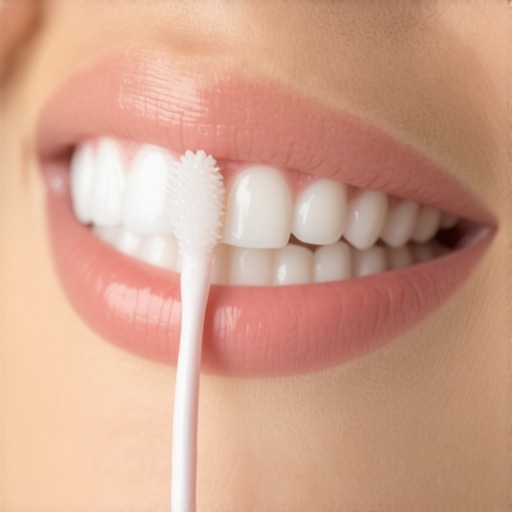
Imagine a close-up of a soft-bristled toothbrush gently brushing along a tooth, illustrating gentle oral hygiene techniques crucial for reducing sensitivity.
When it comes to dental care, many people hold misconceptions that can hinder their ability to make informed decisions. One prevalent myth is that all dentists focus solely on cleaning teeth and cavity fillings, but in reality, **specialists in cosmetic dentistry** and orthodontics, like Invisalign experts, provide advanced procedures that go well beyond basic care. Many assume that cosmetic treatments are purely superficial, yet innovations such as *smile makeovers* can significantly boost confidence and oral health, as discussed in detail on [Smilezdentist’s breakthrough cosmetic trends](https://smilezdentist.com/cosmetic-dentistry-trends-that-transform-smiles-today).Maintaining your smile’s health requires more than just daily brushing; it demands the right tools and disciplined routines. Personally, I rely on a high-frequency sonic toothbrush like the Sonicare DiamondClean, which delivers ultrasonic vibrations that effectively disrupt plaque while being gentle on enamel. Its rechargeable design and multiple brushing modes allow me to customize my routine, ensuring thorough cleaning without overbrushing that can damage gums. Additionally, I incorporate an electric water flosser, such as the Waterpik Aquarius, which uses pressurized water jets to remove debris from hard-to-reach areas, especially around Invisalign attachments or after cosmetic procedures, where traditional flossing can be tricky. These tools have made a significant difference in preventing tartar buildup and gum issues over the years. Looking ahead, innovations like AI-powered toothbrushes that monitor brushing patterns and provide real-time feedback are set to personalize and improve daily oral care further. For those wondering, “How do I maintain my Invisalign aligners over time?” it’s crucial to clean them regularly with a soft brush and mild soap, avoiding harsh cleaners that can damage the material. Also, scheduling routine check-ups for professional cleanings, as discussed on [this page](https://smilezdentist.com/maintaining-your-teeth-cleaning-routine-for-long-term-health), ensures your entire dental ecosystem stays in top shape and prepares you for any upcoming cosmetic dentistry or whitening procedures. Remember, consistent use of effective tools combined with professional guidance paves the way for a healthier, more confident smile that lasts a lifetime. So, why not try integrating a sonic toothbrush and water flosser into your daily routine today and feel the difference?Throughout my dental journey, I’ve uncovered insights that transformed how I approach oral health—lessons that go beyond what you find in typical advice. One crucial realization was that patience and consistency truly make a difference in overcoming sensitivity and maintaining a radiant smile. For instance, while using desensitizing toothpaste helped, I discovered that combining it with gentle brushing and professional fluoride treatments accelerated my progress. This holistic approach turned my struggles into empowering routines, emphasizing that small daily actions compound into remarkable results.
Another eye-opening lesson was understanding the importance of personalized care. Not every tip applies universally; what worked for me might need tweaking for someone else. This taught me to listen closely to my dentist’s advice and be proactive in communicating my concerns. Regular check-ups became allies in my journey, catching issues early and tailoring treatments precisely. This shift from reactive to proactive dental care solidified my confidence, proving that informed choices pave the way for enduring well-being.
Lastly, I realized that investing in quality tools and staying educated about innovative treatments—like newer cosmetic options or advanced Invisalign techniques—can significantly elevate your smile. Resources like [Smilezdentist’s updates on cosmetic dentistry trends](https://smilezdentist.com/cosmetic-dentistry-trends-that-transform-smiles-today) helped me stay inspired and make informed decisions about my smile’s future. Remember, your dental health is a lifelong story, colored by continuous learning and diligent care. Embrace every step with confidence, knowing that the right habits and expert guidance will keep your smile radiant for years to come.