
I remember it like it was yesterday: a sunny Sunday brunch with friends I hadn’t seen in months. I was feeling great about my smile until I had to pop my aligners out to eat my avocado toast. As I tucked them into their case, a wave of that distinct, sharp, stale-saliva scent hit me like a physical blow. I spent the rest of the meal paranoid that everyone at the table could smell the funk coming from my purse. It’s a specific kind of gross that regular rinsing just doesn’t touch, and in those early days of the ultimate guide to Invisalign for adults in 2025, I honestly wondered if I had made a huge mistake. I felt like a walking petri dish, constantly worrying if my breath was clearing the room.
That funky morning scent doesn’t have to be your new normal
Listen, I’ve been there in the trenches of clear aligner life. I know the absolute panic of a mid-day coffee date when you realize you forgot your cleaning crystals. In my first month, I made the classic rookie mistake of trying to ‘deep clean’ my trays with a bowl of dark blue mouthwash. I figured the alcohol would kill the germs and leave them minty fresh. Instead, I ended up with neon-blue tinted aligners that made my teeth look like I’d been eating Smurf-flavored ice cream for a week. It was mortifying, but it taught me that Invisalign maintenance is more of a science than just throwing random soap at the problem. Today, I’m going to share the exact routine that finally killed the smell and restored my sanity.
Is this weird plastic smell actually a sign of something worse?
You might be sitting there wondering if you’ve traded crooked teeth for a permanent case of breath that smells like vinegar. It’s easy to feel like the convenience of clear aligners is overshadowed by the constant maintenance. But here’s the reality: that smell isn’t coming from the plastic itself; it’s a biofilm of bacteria. Research published in the Journal of Orofacial Orthopedics indicates that oral appliances can harbor hundreds of species of bacteria if they aren’t managed with a strict hygiene protocol. The good news? Once you learn the secret to keeping your trays clear, the smell vanishes instantly. Have you ever felt that ‘morning breath’ dread the second you take your aligners out? Let me know in the comments—I promise you aren’t the only one struggling with this.
Stop letting bacteria have a party in your mouth
The biggest hurdle isn’t the cleaning itself—it’s the timing and the technique. We often wait until the trays look cloudy or start to reek before we actually do anything about it. By then, the bacteria have already set up a permanent residence. I learned the hard way that a quick rinse under the bathroom tap does absolutely nothing for the microscopic grime that builds up during an eight-hour sleep. You need to treat those trays like a second set of teeth. If you’ve noticed your front teeth feel loose on tray swap days, you already know how sensitive your mouth becomes during this transformation. Don’t add a bacterial infection or chronic bad breath to the mix by being lazy with your soaking routine. We are going to dive into the exact steps to ensure your breath stays as fresh as your new smile.
I once spent a weekend at a remote cabin, and in my rush to pack, I forgot my cleaning tablets and my dedicated aligner brush. I figured a few days of just rinsing with hot water would be fine. By Sunday morning, I didn’t just have ‘morning breath’—I had a tray that felt like it was coated in a layer of fuzzy moss. I actually tried to use a toothpick to scrape off the visible plaque, nearly scratching the plastic in the process. It was a nightmare that taught me one thing: if you don’t actively break down the biofilm, it becomes a permanent part of your hardware. To avoid that ‘fuzzy’ feeling, you need a system that attacks bacteria before it hardens into tartar.
The daily soak is not negotiable
Think of your aligners like a sponge. Even though they look solid, they are porous enough to trap microscopic food particles and saliva proteins. If you just rinse and wear, you are essentially trapping a bacterial buffet against your enamel for 22 hours a day. The most effective way to reset the clock is a dedicated morning soak. While you are eating breakfast and drinking your coffee, your trays should be submerged in a cleaning solution. This isn’t just about aesthetics; it is about Invisalign maintenance that protects your actual teeth from decay. When you skip this, you’re practically inviting a case of breath that smells like vinegar to take up residence in your mouth.
Ditch the scratches with a soft touch
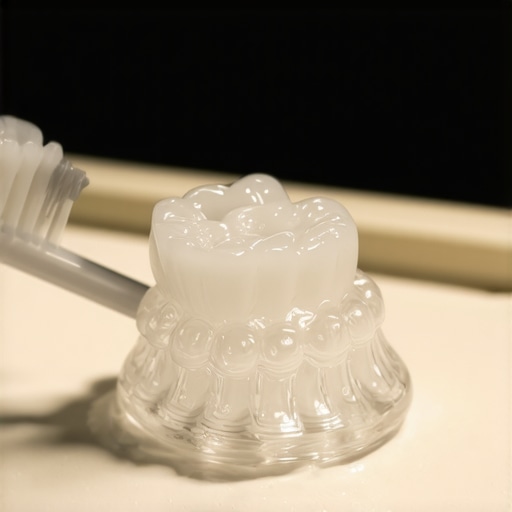
Many people reach for their regular toothbrush to scrub their trays, but that’s a recipe for cloudy plastic. Standard toothbrushes, especially those with medium or firm bristles, create micro-scratches on the surface of the aligner. These scratches act like little canyons where bacteria can hide, making it even harder to get the morning breath smell out of your case for good. Instead, use a dedicated soft-bristled brush or even a high-quality ultrasonic cleaner. An ultrasonic cleaner uses sound waves to create cavitation bubbles that blast the gunk off without you ever having to touch the plastic. It’s the same technology used in modern teeth cleaning innovations to ensure a deep clean without damaging sensitive surfaces.
Clean the canvas before you paint
You wouldn’t put on a clean shirt after running a marathon without showering first, right? The same logic applies to your mouth. Putting fresh, clean aligners back over teeth that haven’t been brushed is the fastest way to turn your trays yellow. Every time you eat, you must brush and floss before the trays go back in. If you’re out at a restaurant and can’t do a full scrub, at least rinse your mouth vigorously with water. This prevents pigments from your meal from being trapped against the tray. This is especially vital if you have sensitive teeth, as trapped sugar and acid can lead to rapid enamel erosion. Mastering how to get your clear aligners back in after a long dinner involves more than just force; it’s about ensuring the environment is pristine so you don’t feel that ‘gritty’ sensation later.
The dry rule for storage
One of the biggest mistakes I see is people tossing wet aligners into a closed case. Bacteria love dark, damp environments. If you’re taking your trays out for a quick meal and aren’t soaking them, rinse them and let them air dry slightly if possible, or at least ensure your case has proper ventilation. A funky case leads to funky trays. If you’ve ever wondered how to tell if your Invisalign tray is actually seated correctly, look at the clarity. If they are cloudy from poor drying habits, you won’t be able to see the gaps between the tray and your teeth, which is your primary indicator of a good fit. Keeping the plastic crystal clear is the secret to keeping your trays clear for the full duration of your two-week wear cycle.
Most people treat their dental appointments like a car wash—get the grime off and go. But let’s dig deeper into the nuance most influencers won’t tell you: the goal of a professional cleaning isn’t just a shiny surface; it’s about the microscopic topography of your enamel. I’ve seen so many people fall for teeth cleaning myths debunked by top dentists, thinking they can replicate office results with abrasive DIY kits at home. The reality is that if you use something too gritty, you create micro-fissures in your teeth. This is the real reason your coffee stains come back a week after a professional cleaning—those pigments find a permanent home in the tiny scratches you made yourself. This is where cosmetic dentistry myths debunked truly matters; true whitening is about chemical change, not physical abrasion.
The charcoal miracle is actually a trap for your enamel
The ‘oops’ factor of the current charcoal trend cannot be overstated. Everyone says it’s a natural miracle, but in my experience, it acts like sandpaper on a fine mahogany table. You need to perform the grit test how to tell if your charcoal toothpaste is destroying your enamel before you brush your heart out. Once that enamel is gone, it’s gone forever, leading to permanent yellowing as the dentin underneath shows through and your sensitivity levels skyrocket. It’s a sophisticated trap because the teeth look whiter for a week, but they are actually becoming more porous and prone to decay. 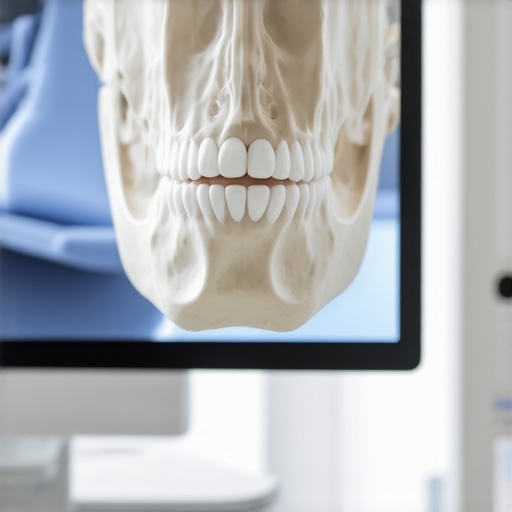
Why do your teeth feel sharp after a deep cleaning?
Sometimes, patients panic because their teeth feel sharp after a professional cleaning. They assume the hygienist chipped or wore down their teeth during the session. In reality, you are just finally feeling the actual shape of your teeth without the ‘buffer’ of hardened tartar that has been there for months. This is where modern teeth cleaning innovations that reduce sensitivity and boost results come into play. We are moving away from aggressive manual scraping toward ultrasonic tools that preserve the tooth structure while obliterating the bacterial biofilm. Have you ever fallen into this trap and felt like something was ‘wrong’ because your teeth finally felt clean? Let me know in the comments.
Your 2D X-ray is only giving you half the story
The most sophisticated nuance in modern care is the shift toward three-dimensional imaging. According to a study in the Journal of Clinical Periodontology, traditional 2D x-rays can miss up to 30% of early-stage bone loss or hidden infections because they flatten a complex 3D object into a single flat plane. That is why I always advocate for what a 3d cbct scan reveals about your jaw health that standard x-rays cant. It’s the difference between seeing a photograph of a house and having the actual structural blueprints. If you are planning an Invisalign journey, skipping the 3D scan could mean missing root issues that complicate your progress later. Don’t settle for 1990s technology for your 2025 smile.
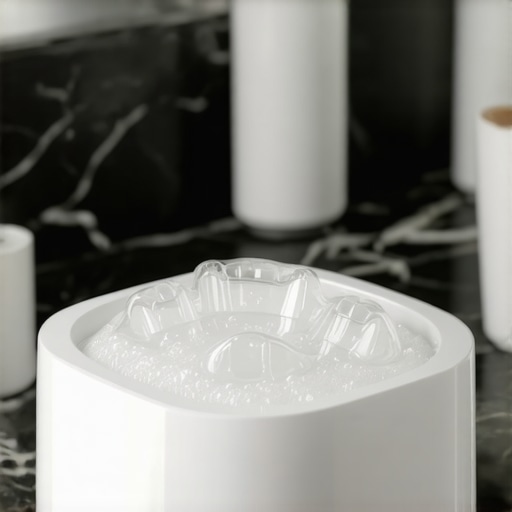
Once you’ve used a 3D scan to map out your journey, the real work starts at home. I’m a tech nerd, but I’ve learned that the flashiest tools aren’t always the best—except for the ultrasonic cleaner. If you aren’t using one, you’re basically trying to wash a car with a spray bottle. These little pods use high-frequency sound waves to create microscopic bubbles that implode against the plastic, literally shaking the plaque off. It’s one of those modern teeth cleaning innovations that actually lives up to the hype. I noticed that my trays stopped smelling like… well, a mouth… the very first day I started using it. It creates that feeling where your teeth feel like polished glass after a cleaning, but for your plastic hardware.
Another tool I carry everywhere is a simple ‘ortho-key’ or removal tool. Trying to pry a tight tray off with your fingernails on day one is a special kind of torture. It can actually cause micro-fractures in the aligner or, worse, leave your nails shredded. Learning how to handle the intense pressure during the first day often comes down to having the right leverage. This tool is also a lifesaver for your attachments. If those little bumps get stained—and they will if you drink coffee—you’ll need to know how to get the coffee stains out of your Invisalign attachments without using anything too abrasive that could wear down the composite material.
How do I maintain my new smile over the long haul?
The biggest trap people fall into is thinking the finish line is the end. It’s not. It’s just the transition into the ‘forever’ phase. Dr. Robert L. Boyd, a legendary figure in orthodontic research, famously emphasized in the American Journal of Orthodontics and Dentofacial Orthopedics that retention is the most critical phase of treatment. Your bone needs time to solidify around the new positions. This usually means a permanent wire behind your teeth or Vivera retainers. If you go the wire route, prepare yourself for the ‘spinach struggle.’ I’ve had to look up how to remove stubborn spinach stuck in your permanent retainer more times than I care to admit. It requires a different level of maintaining your teeth cleaning routine because that wire is a literal magnet for plaque.
I predict that by the end of the decade, we won’t even need to visit the office for routine checks. We are already seeing Invisalign innovations that use AI-driven smartphone apps to scan your teeth from your bedroom. Your dentist gets a notification if a tooth isn’t tracking, and you only go in when there’s an actual problem to solve. It’s the ultimate scaling of care. If you want to stay ahead of the game, I highly recommend investing in a high-quality ultrasonic cleaner this week. It’s the single biggest upgrade you can make to your daily routine that pays off in both fresh breath and crystal-clear trays. Trust me, your future self (and your friends at brunch) will thank you.
The Unspoken Rituals of a Successful Smile Transformation
I wish someone had told me early on that the ‘tightness’ of a new tray is actually a signal of progress, not just discomfort. When you feel like your teeth feel loose during your Invisalign treatment, it’s a sign that your ligaments are stretching and the bone is remodeling—a necessary biological dance. Another thing? Confidence doesn’t wait for the final day. I noticed people reacted differently to me almost immediately, not because my teeth were perfect yet, but because I was finally smiling without hesitation. Reading Invisalign success stories from real patients helped me realize that the mental shift happens much faster than the physical one.
My Personal Survival Kit for Dental Hardware
If you’re serious about this journey, don’t just wing it. My toolkit includes three non-negotiables: a dedicated ultrasonic cleaner (the only way to truly keep that polished glass feeling), silicone chewies to ensure the trays are fully engaged, and a portable cleaning kit for every single meal out. When choosing the best Invisalign options for your lifestyle, think about the tools that make the 22-hour rule easier to follow, not just the price point. These small investments make the difference between a frustrating two years and a seamless transformation.
The Best Version of Your Smile is Within Reach
Taking the first step into the world of cosmetic dentistry trends that transform smiles today can feel overwhelming, but the clarity you gain—both in your plastic and your perspective—is worth every soak and every scrub. You are essentially designing the future version of your face, and that is an act of self-care that pays dividends for decades. Your smile is the first thing people see; make sure it tells the story you want it to tell. What’s the one thing holding you back from starting your Invisalign journey? Is it the maintenance or the time commitment? Let me know below and let’s talk about it!