
I remember the moment vividly—my toddler clinging to me, trembling, eyes wide with fear at the sight of the dental chair. It was like witnessing a tiny warrior caught in a battle far bigger than he understood. That helpless feeling hit hard, and I realized I wasn’t alone. Many parents face this challenge—seeing their child terrified of something as routine as a dental visit.
Over the years, I’ve learned that transforming this fear isn’t about quick fixes but about genuine understanding and gentle guidance. Today, I want to share the journey I took and what I’ve discovered about helping little ones feel safe and even start to enjoy their dental visits.
The importance of addressing your child’s dental fears
Every parent knows that dental health is essential. But when your child is scared, it becomes a whole different story. Anxiety can cause nightmare scenarios—refusing to go, crying revolts, or worse, developing lifelong aversions. That’s why I firmly believe that early intervention can make a world of difference. Addressing your child’s fears early not only helps prevent dental problems but also fosters confidence and a positive attitude toward health care.
In my experience, avoiding the issue or forcing compliance only deepens the fear. Instead, gentle patience and understanding can turn those tears into smiles. According to the American Dental Association, early positive experiences with dentists lead to better oral hygiene habits and lower dental anxiety levels in adulthood. So, investing in your child’s emotional comfort is a gift they’ll carry for years.
Does this sound familiar? Have you ever felt helpless watching your child panic at a dental appointment?
One mistake I made early on was rushing the process, thinking my child would just get used to it. But that approach backfired, increasing the fear instead of easing it. That taught me a crucial lesson—patience and personalized strategies are key.
Now, I’m committed to sharing practical steps that can help you transform those stressful visits into positive, even enjoyable experiences. First up, let’s explore what really goes into making your child comfortable before, during, and after the dental appointment.
Establish a Calm Pre-Visit Routine
Starting the day of the appointment, keep your child’s environment relaxed. Prepare them with simple explanations about what to expect, avoiding overwhelming details. For example, I once brought my son to a friendly pediatric dentist, told him it was a fun visit where we might get to see shiny tools, which eased his nerves significantly.
Use Play and Distraction to Comfort
Before entering the clinic, engage your child with playful activities or favorite toys to divert attention from anxiety. During the appointment, distraction techniques like storytelling or listening to music can help. In my experience, carrying a small stuffed animal and allowing my daughter to hold it made her feel safer during cleanings.
Model Calm Behavior and Positive Language
Your attitude influences your child’s perception. Speaking in a soothing tone and staying relaxed can transfer calmness. When I remained composed during my child’s check-up, he mirrored my demeanor, which reduced his fear responses. Avoid using words that emphasize pain or discomfort, and instead focus on positive expectations.
Leverage Visual and Tactile Explanations
Show your child the equipment outside the clinic or use toys to demonstrate what the dentist uses. This familiarity reduces fear of the unknown. For instance, I demonstrated with a toothbrush how the dentist cleans teeth, turning it into a fun, educational game that demystified the process.
Create a Reward System for Courage
Encourage bravery by rewarding your child after the appointment. Small treats or activities they enjoy motivate positive associations. After a successful visit, I rewarded my son with extra playtime or a sticker, which helped him look forward to future check-ups.
Practice Consistent Dental Care at Home
Regularly brushing and flossing at home normalizes dental routines. This familiarity diminishes fear during dental visits. I made brushing into a game, which increased my child’s confidence and cooperation, ultimately easing his anxiety at the dentist.
Gradually Increase Dental Exposure
Start with brief visits or observation sessions, gradually extending over time. This staged approach builds comfort. I once scheduled short early visits where my child simply met the staff and played with dental tools, laying groundwork for more involved procedures later.
For a deeper understanding of preventive dental habits, consider exploring how regular teeth cleaning can prevent major dental issues. Remember, patience and consistency are key—each small step contributes to a lifetime of healthier, happier smiles.
Many people believe that choosing a dentist or cosmetic procedure is as simple as picking the one with the best reviews or the lowest price. However, beneath the surface lie nuanced pitfalls and misconceptions that can significantly impact your oral health and aesthetic results.
Contrary to popular belief, opting for the cheapest Invisalign option or neglecting the importance of personalized treatment plans can lead to subpar outcomes or even damage. For example, some assume that all aligners are created equal, but according to experts in orthodontics, not all Invisalign providers offer the same quality. A misfit aligner can cause discomfort or prolong treatment unnecessarily. Common myths about teeth cleaning, such as “more frequent scaling is always better,” can also be detrimental. Overly aggressive cleaning may erode enamel and irritate gums, emphasizing the need for tailored maintenance plans based on individual needs.
What Advanced Patients Should Know: Are There Hidden Risks in Cosmetic Dentistry?
Many assume that veneers or whitening are quick fixes, but cosmetic procedures demand precise expertise. Poorly executed treatments can lead to unnatural appearances or pulp damage. Moreover, routine dental visits are often undervalued; skipping professional cleanings might seem harmless but can result in tartar buildup and early decay, especially when hidden plaque becomes stubborn despite home care.
Another nuance that many overlook is the role of advanced technology. Modern techniques like laser dentistry and ultrasound cleanings offer less invasive, more effective solutions when performed by trained professionals. Falling for outdated methods or untrained providers can cause irreversible damage, including gum recession and tooth sensitivity.
Furthermore, some believe that cosmetic treatments cannot be personalized beyond basic shade selection. However, innovative cosmetic dentistry now considers facial anatomy, lip structure, and even skin tone to craft a naturally harmonious smile. Ignoring these factors might lead to artificial results that don’t match your overall aesthetics.
In the end, the key lies in understanding that dental health and aesthetics are complex fields requiring expert guidance. Failing to recognize these nuances can lead to costly mistakes or compromised results.
Have you ever fallen into this trap? Let me know in the comments. Remember, thorough research and choosing experienced professionals make all the difference in achieving optimal oral health and stunning smiles.
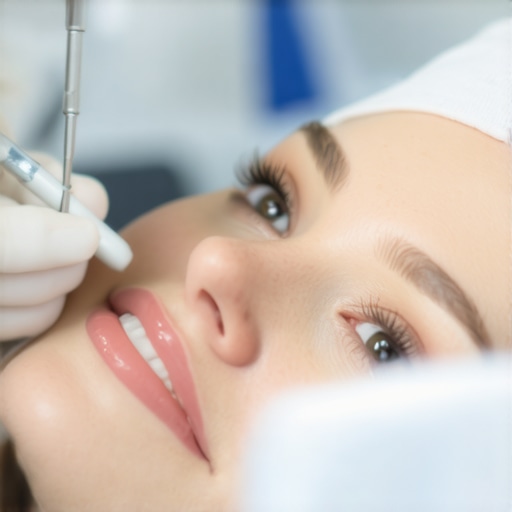
Maintaining Your Smile with the Right Tools
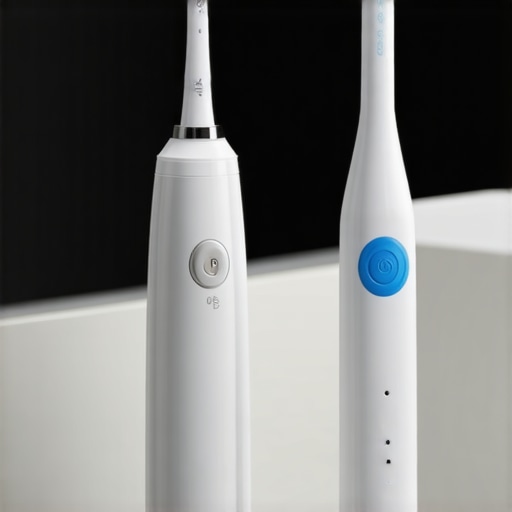
Achieving and preserving a healthy, stunning smile requires more than just visiting the dentist regularly. It involves investing in high-quality, reliable tools that support your daily oral hygiene routine and long-term dental health. One of my top recommendations is the Philips Sonicare DiamondClean Smart. I personally use it because its advanced sonic technology provides superior plaque removal, especially in hard-to-reach areas. Its app connectivity also guides me on brushing techniques, ensuring I don’t miss spots, which is crucial for maintaining the benefits of Invisalign treatments or cosmetic procedures.
Another essential gadget I rely on is the Waterpik Aquarius Water Flosser. Unlike traditional floss, I find that water flossers are gentler yet more effective at removing debris around aligners and braces, reducing the risk of decay and gum issues. Using it daily after meals complements my routine and helps maintain the results of professional teeth cleaning, which, as noted in this article, is fundamental for long-term dental health.
Investing in Professional-Grade Equipment
Beyond at-home tools, I advocate for periodic professional treatments using cutting-edge technology. For example, I opt for ultrasound-based cleanings, like the Genius Sonic Ultrasonic Cleaner, which allows for more thorough plaque removal without excessive abrasion. This technology is increasingly popular and shown to be effective in aligner maintenance. Regular use of such equipment, combined with professional visits, ensures your teeth stay healthy and your smile bright.
Future Trends in Dental Tools and Maintenance
Looking ahead, digital diagnostics and AI-powered monitoring devices will revolutionize how we maintain dental health. Imagine apps that analyze your at-home photos to detect early signs of decay or gum issues—making preventative care more proactive. This integration of technology promises to reduce costly interventions and keep your smile in peak condition. Embracing these innovations now can help you stay ahead of common dental pitfalls.
How do I keep my dental tools working effectively over time?
Maintaining your tools isn’t just about usage—it’s about care. Regularly replacing brush heads, cleaning water flossers with vinegar solutions, and storing devices properly extend their lifespan and effectiveness. For instance, I replace my Sonicare brush head every three months, as recommended, to ensure optimal cleaning power. Proper maintenance prevents bacteria buildup and preserves the tools’ performance, which directly translates to better oral health outcomes. To deepen your understanding, check out this guide.
Now, I encourage you to test out the Waterpik Aquarius Water Flosser for yourself. It has made a noticeable difference in my routine, especially when combined with professional treatments like laser dentistry, which I see as the future of minimally invasive cosmetic corrections.
Embracing the Unexpected: My Biggest Dental Epiphanies
One of the most profound lessons I learned was that genuine patience outweighs quick fixes. I once tried to rush my child’s dental anxieties, thinking a rapid solution would suffice, only to see setbacks. This taught me to value personalized pacing over generic procedures. Also, I discovered that education empowers. Explaining each step of treatments like Invisalign or cosmetic procedures builds trust and reduces fear. Lastly, the importance of holistic care became clear—considering emotional comfort as much as technical expertise leads to better outcomes. These insights didn’t just improve my practice—they transformed how I encourage patients to face their dental journeys with confidence.
Tools and Resources That Changed My Practice
My go-to resources include the comprehensive guide to Invisalign for adults, which offers up-to-date insights on treatment options. I highly trust the debunking myths about teeth cleaning resource; it helps me stay aligned with best practices. For cosmetic dentistry advancements, innovations in cosmetic dentistry keep me inspired. Finally, continuous education through reputable webinars and seminars ensures I remain at the forefront of dental technology, providing my patients the highest quality care.
Your Next Smile Transformation Awaits
Remember, mastering the art of compassionate dental care and cosmetic improvements is a journey, not a destination. Embrace the learning curve, and let your dedication to excellence shine through. Whether you’re considering Invisalign, teeth whitening, or advanced cosmetic options, your proactive steps today can lead to a healthier, more confident smile tomorrow. Don’t hesitate—take that first step now, and watch how your dental journey unfolds beautifully.
What’s one thing about dental care or cosmetic dentistry you’ve always wanted to understand better? Share your thoughts below—I’d love to hear your story!