
Picture this: I was in the middle of a meeting, trying to concentrate, when suddenly I felt that annoying, unnatural sensation—my tongue was hitting something at the back of my mouth, again. It wasn’t just uncomfortable; it was distracting and made me wonder if I had somehow messed up my new dental work. That lightbulb moment hit me hard: I realized that my own tongue was acting like an untrained pet, constantly bumping into my fresh dental bridge. If you’ve gone through something similar, you know exactly what I mean.
Why Does My Tongue Keep Hitting My New Dental Bridge?
That nagging issue is more common than most people realize. When I first got my dental bridge, I thought it was just a matter of getting used to the new shape. But it turns out, the problem runs deeper. Your tongue is a wily muscle organizer; it loves to explore and can play tricks on your new mouth setup. If your dental bridge isn’t perfectly smoothed or aligned, your tongue might continually hit the edges or the back, trying to figure out what’s new and different. Early on, I made the mistake of ignoring these sensations, thinking they’d fade away naturally. Spoiler alert: they didn’t. Instead, they caused discomfort and occasional irritation.
Research suggests that improper fitting or rough edges on dental restorations can lead to tongue irritation and even sores. This is why it’s crucial to communicate with your dentist and address these issues promptly. My own experience reinforced that a small oversight—like neglecting to ask my dentist to smooth out a tiny rough spot—can turn into months of discomfort. Regular check-ups and adjustments are vital. For more insights on common cosmetic dentistry pitfalls, you might want to read about debunking cosmetic dentistry myths.
Could I Just Get Used to It and Ignore the Bumping?
Here’s the thing—initially, I thought I’d adapt over time, like I did with braces or retainers. But ignoring it only led to increased sensitivity and a persistent feeling that my whole mouth was out of whack. That approach isn’t just uncomfortable; it can also hamper your speech and daily comfort. So, if you’ve been met with the same problem, don’t assume it’ll disappear on its own. The good news? There’s a practical way to overcome this issue—and I’ll walk you through it.
Before diving into the solutions, I want to share a mistake I made early on: I didn’t schedule a follow-up appointment right away, thinking I could fix it myself. Turns out, that was counterproductive. Instead, a quick visit to my dentist resolved the rough edges and ensured my bridge fit perfectly. Regularly checking in and communicating with your dental provider can save you from months of unnecessary discomfort.
Now, are you facing this problem right now? If so, you’re not alone—and the good news is, there’s an easy way to put an end to your tongue’s mischief. Let’s explore how to train your tongue and work with your dentist to make sure your dental restoration feels natural and comfortable.
Assess Your Dental Fit and Identify Rough Edges
The first step is to carefully examine your mouth in a well-lit mirror, looking for any uneven or sharp edges on your dental bridge. I remember feeling a harsh spot on my right side, which kept bumping my tongue. Using a clean finger or a soft toothbrush, gently feel around the area to pinpoint any rough spots. If you detect irritation or rough edges, schedule a follow-up with your dentist to have these smoothed out. Remember, a properly fitted bridge minimizes discomfort and prevents recurrent tongue irritation.
Practice Conscious Tongue Movements
Think of your tongue as your body’s most agile muscle: with mindful practice, you can retrain it. Sit comfortably and consciously move your tongue along the roof of your mouth, gently tracing the edges of the dental bridge. Focus on guiding your tongue away from the rough areas. In my case, I set aside five minutes after brushing to do this exercise silently, slowly, and deliberately. Over time, this helps your tongue learn the new contours, reducing unnecessary bumps against rough edges.
Use Gentle Oral Hygiene Tools to Promote Adaptation
Maintain a soft oral hygiene routine that encourages comfort and adaptability. Use a toothbrush with soft bristles to clean your teeth and bridge area, avoiding aggressive scrubbing that could aggravate sensitized tissues. An antimicrobial mouthwash can help reduce irritation, especially if your tongue has developed small sores from friction. As I found out, gently cleaning with a soft brush and avoiding overly hot or cold rinses created a more soothing environment, allowing your tongue to adapt more quickly.
Gradually Introduce Tongue-Training Devices or Techniques
Consider using tongue-positioning exercises or devices designed to improve muscular awareness. For example, placing your tongue in the front of your mouth and slowly moving it back can enhance muscle control. Some people find that applying gentle pressure with their tongue against the palate helps reinforce smoother movements. During my journey, I experimented by pressing my tongue gently against the roof of my mouth while swallowing, which surprisingly increased my awareness of positioning. Be cautious and start slowly to avoid unnecessary soreness.
Consult Your Dentist for Custom Solutions
If rough edges or misalignments persist, don’t hesitate to seek professional help. Your dentist can perform minor adjustments or recommend custom exercises to facilitate better adaptation. When I finally visited my dentist, they polished a tiny rough spot and advised specific tongue exercises, which significantly reduced my discomfort within days. Remember, professional adjustments are quick, effective, and essential for long-term comfort—more info on choosing the right dentist for your needs can be found here.
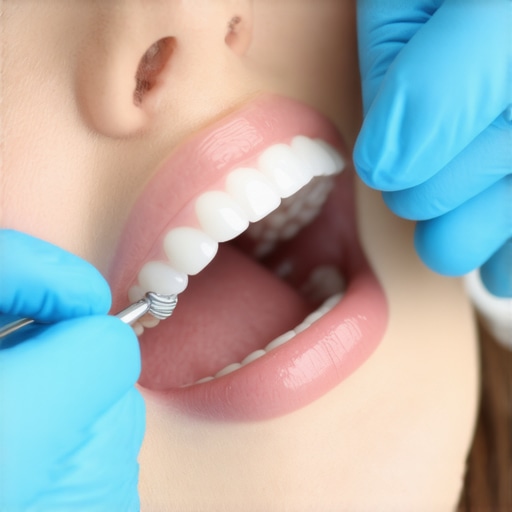
Many patients embark on their dental journey believing they understand the basics of Invisalign, teeth cleaning, or cosmetic dentistry. However, even seasoned dental enthusiasts often miss the subtle intricacies that can impact results significantly. Contrary to popular belief, not all attachments or aligners are created equal. The quality, fit, and material of Invisalign trays, for instance, vary among providers, and these differences can influence treatment efficiency. One common myth is that more frequent aligner changes always accelerate progress, but in reality, too rapid a transition can lead to discomfort and unanticipated tooth movements, as supported by orthodontic research published in the Journal of Orthodontics.
Another overlooked nuance relates to dental hygiene during orthodontic treatment. Many assume brushing more often will prevent issues, but what truly matters is technique and tools. Aggressive brushing can erode enamel or damage restorations, especially if using hard-bristled toothbrushes. A common mistake is neglecting interproximal cleaning, which often leads to plaque buildup hidden from plain sight, increasing the risk of decay beneath aligners or around crowns. As highlighted in latest dental guides, precision in cleaning is paramount.
What advanced factors influence long-term success with cosmetic treatments?
Beyond the visible results, the hidden factor is the compatibility of materials with your oral microbiome. Recent studies suggest that certain composites or bonding agents may interact differently based on individual oral flora, affecting longevity and color stability. Ignoring this nuance can lead to premature discoloration or bond failure, a trap I’ve seen many overlook. Consulting a dentist who understands these subtleties, such as those recommended here, can save you frustration later.
Additionally, the psychological impact of dental aesthetics often gets underestimated. Perfection isn’t always achievable, and chasing flawless symmetry or brightness might lead to unnecessary procedures or dissatisfaction. Recognizing the balance between function and aesthetics, and setting realistic expectations, forms the bedrock of a successful cosmetic journey. For in-depth insights, see this resource.
In my experience, the true mastery lies in understanding that dental care is an evolving science. Staying informed about emerging research and technological advances empowers you to make smarter choices. Remember, what many get wrong is often rooted in superficial knowledge—digging deeper allows for better, more long-lasting results. Have you ever fallen into this trap? Let me know in the comments!
How do I keep my teeth and Invisalign working their best over time?
Maintaining your oral health and orthodontic results requires more than just regular brushing and flossing. I rely on specialized tools and disciplined routines to ensure long-term success. One indispensable device I recommend is a water flosser. Unlike traditional floss, it effectively removes plaque and debris from hard-to-reach areas around aligners and dental restorations. I personally use the Oral-B Water Flosser Aqua Care because of its adjustable pressure settings, which allow me to customize my cleaning without irritating sensitive gums. Regular use of this tool has significantly reduced plaque buildup, especially around bracketed teeth or crowns, contributing to healthier gums and a smoother Invisalign experience.
Another essential item is a plaque disclosing tablet. These small tablets stain plaque, making it visible and helping me identify neglected areas that need extra attention. I prefer the Colgate Plaque Disclosing Tablets because they are gentle yet effective, encouraging me to brush more thoroughly. Incorporating this into my routine has prevented plaque accumulation and reduced the risk of decay beneath aligners or restorations—key for preserving long-term results.
For maintaining your aligners, I strongly recommend a ultrasonic cleaner. I use the Smile Brilliant Ultrasonic Cleaner because it thoroughly removes saliva, biofilm, and other residues that manual brushing might miss. Running my aligners through this device weekly keeps them clear and reduces odors, which is crucial for comfortable wear and maintaining their transparency. Regular cleaning with such a device also prevents bacterial buildup, decreasing the likelihood of oral infections.
Through my experience, a smartphone-compatible tongue scraper has become surprisingly helpful. Companies like Smilezdentist highlight the importance of tongue hygiene, which can be overlooked. I use the GUM Oral Care Tongue Cleaner with a gentle ergonomic design, which I run across my tongue after brushing. This practice reduces bacterial load, freshens breath, and helps my mouth adapt to new restorations and aligners, especially in the crucial maintenance phase.
Looking ahead, innovations like AI-powered oral health monitors and smart toothbrushes integrated with apps are promising. These tools analyze brushing patterns, suggest improvements, and track your progress over months—making maintenance more personalized and effective. I predict that in the next few years, these intelligent systems will become standard, helping patients proactively manage their dental health from home.
If you’re serious about keeping your smile long-term, I suggest trying a comprehensive approach: combine a water flosser, plaque disclosing tablets, and ultrasonic aligner cleaning. These tools have worked wonders for me, minimizing mishaps and enhancing comfort. Remember, consistent, informed maintenance empowers your natural teeth and orthodontic investments to serve you beautifully into the future.
The Hardest Lesson I Learned About Invisalign and Smile Confidence
One of the most profound realizations I encountered was how critical personalized care is. Generic advice can only take you so far; understanding your unique oral landscape makes a world of difference. For example, I once thought that changing aligners faster would swiftly perfect my smile, but I learned that patience and listening to my dentist’s guidance yielded better, longer-lasting results.
Why Clear Aligners Need Your Personal Attention
Many assume Invisalign is a one-size-fits-all solution, but the truth is, custom adjustments and diligent maintenance are vital. Skipping regular check-ups or neglecting proper cleaning can cause discomfort or prolong treatment—something I experienced firsthand when I ignored early signs of misfit trays. Trusting specialist insights, like those shared here, enhances your journey significantly.
Living Up to Your Best Smile Starts Now
Real progress begins with action. Whether it’s scheduling that overdue dental check or adopting a new cleaning routine, each step moves you closer to the confident smile you desire. Remember, proactive care—like using a water flosser, as I do—empowers you to maintain your cosmetic results and enjoy long-term oral health. Dare to take that first step; your future self will thank you.
Decoding the Secrets Hidden in Your Oral Routine
One lesson I wish I uncovered earlier is that not all tools are created equal. Upgrading to a quality ultrasonic cleaner and adopting targeted flossing techniques made a noticeable difference in my alignment and gum health. Tailoring your hygiene tools, as detailed in this guide, unlocks the potential of your dental investments. Small tweaks can lead to huge improvements.
My Essential Toolkit for a Smile That Lasts
Over time, I found that combining several trusted tools amplifies results: a soft-bristled toothbrush, plaque disclosing tablets, ultrasonic aligner cleaners, and gentle tongue scrapers. I rely on brands like GUM and Colgate, which I trust for their proven effectiveness. These tools, embraced consistently, help prevent setbacks like plaque buildup or aligner discoloration, reinforcing the importance of a comprehensive approach.
I Wish I Knew That Dentists Have My Back
If there’s one big takeaway, it’s that a good relationship with your dentist transforms the experience. Regular professional guidance ensures swift fixes for rough edges or misalignments, saving you discomfort and frustration. Scheduling timely appointments and voicing concerns—no matter how small—has kept my treatment on track. For tips on choosing the right dental expert, consider reading this resource.