
I’ll never forget the first time I tried to eat a crisp apple after my implant surgery. I was terrified. Even though my dentist said things looked “good,” I kept waiting for that sharp zing of pain or a sickening wiggle. For weeks, I lived on lukewarm soup and protein shakes, staring longingly at anyone eating a sandwich. The truth is, the “healing period” they tell you about in the chair feels like an eternity when you’re the one living it. If you’ve been wondering if that titanium post in your jaw is actually becoming part of you or if it’s just a very expensive paperweight, you aren’t alone. Today, I’m going to walk you through the real-world markers of a fully integrated implant, based on my own trial and error (and one very stressful incident with a baguette). By the end of this, you’ll know if you’re ready to move past the “liquid diet” phase and finally enjoy the cosmetic dentistry innovations you’ve invested in.
Your Jaw is the Boss of This Timeline
People always ask how long it takes, but the honest answer is that your body doesn’t follow a calendar. I made the mistake of thinking at exactly the six-week mark, I was “done.” I pushed it too hard, and let me tell you, the reason your dental implant feels heavy can often be a sign of minor inflammation if you aren’t careful. Osseointegration—the fancy word for your bone hugging that implant—takes time. I remember thinking I could skip the soft-food rule just once for a slice of pizza. That tiny bit of pressure sent a wave of panic through me that lasted for three days. According to the American Academy of Implant Dentistry, this process of bone fusing to metal can take anywhere from three to six months depending on your bone density. It’s a biological handshake, and you simply cannot rush the greeting. Have you felt that weird pressure yet, or are you still in the “don’t touch it” phase? Let me know in the comments if you’ve had a moment where you thought you’d ruined everything over a piece of toast.
Does a fake tooth ever really feel like the real thing?
Most people are naturally skeptical. They think a dental implant will always feel like a cold, foreign object lodged in their head. Early on, I felt that way too. I even worried why my dental implant felt slightly different than my natural teeth during the first month. It’s normal to be hyper-aware of every sensation. But there is a specific moment—usually around month four for me—where that “phantom” sensation simply disappears. You stop thinking about “the implant” and start thinking about “my tooth.” Have you ever found yourself poking at your gums with your tongue, just waiting for something to feel wrong? That’s the anxiety we’re going to silence today. We’ll also look at how maintaining your teeth cleaning routine is the secret to making sure that healing sticks for life. If you’ve been putting off regular care, you might want to check out some teeth cleaning secrets to keep that investment healthy. [image] Let’s dive into the unmistakable signs that your jaw has finally accepted its new permanent resident.
Listen for the Solid Tapping Sound
One of the coolest—and weirdest—ways to tell if that titanium has become part of your anatomy is what I call the ‘clink’ factor. When you tap a natural tooth, there’s a slight cushion because of the periodontal ligament. An integrated implant, however, is fused directly to the bone. This creates the tapping sound where your dental implant feels different compared to your other teeth. It should sound solid, like a hammer hitting a wall stud rather than a pillow. I remember sitting in my car, tapping my new crown with a fingernail for ten minutes just to hear that reassuring, metallic thud. If it sounds hollow or mushy, you might not be fully there yet. This density is the foundation of all cosmetic dentistry trends that transform smiles today.
Run the Temperature Test to Check Sensitivity
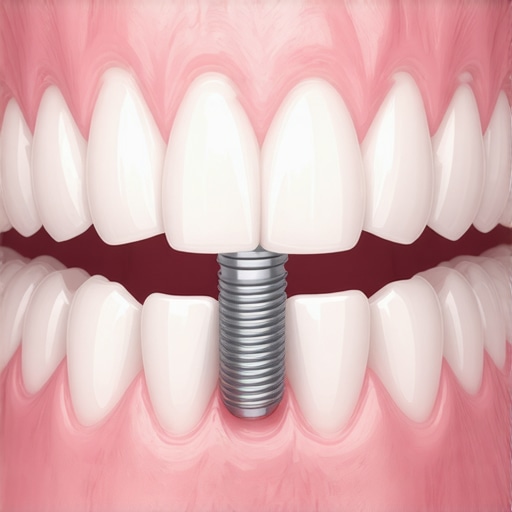
Your new tooth shouldn’t have a nervous system, but the tissues around it certainly do. Early on, you might notice the reason your dental implant feels cold when you drink ice water is simply the metal post conducting temperature to the surrounding bone. As integration finishes, this sensation should stabilize and feel less like a shock. I once tried a double-shot iced espresso three weeks in and nearly jumped out of my seat from the weird, deep pressure. By week twelve, it felt just like any other tooth in my mouth. If you can handle a cold drink without a radiating throb in the jawbone, that is a massive milestone for your recovery.
Keep the Hardware Clean Without Disturbing the Bone
Even as you heal, you cannot neglect hygiene, but you have to be tactical. Think of it like a new piercing; you must keep the site clean, but you cannot be aggressive. I learned the hard way that a manual toothbrush isn’t always enough to reach the nooks. You need to focus on maintaining your teeth cleaning routine specifically around the abutment. One night, I noticed my gums looked a bit angry and inflamed. I realized I was being too timid with my cleaning out of fear. I shifted to a soft-bristled brush and gentle, circular motions. If you ever feel something actually shifting during cleaning, you need to know how to handle a loose healing cap immediately. Don’t poke it with your tongue—that just makes it worse. A stable cap usually means the bone underneath is doing its job.
Watch for Pink and Tight Gums
The most visible sign of success is the gum line itself. Healthy gums should hug the implant tightly, like a turtleneck sweater. If the tissue is red, swollen, or receding, the integration might be under stress. When I was going through my own journey, I monitored the color daily in a magnifying mirror. Seeing that healthy pink return was the green light I needed to start considering other upgrades, like looking into the ultimate guide to invisalign for adults in 2025 to straighten the rest of my smile. If you are also fixing your alignment, you might notice why your teeth feel loose during your invisalign treatment, which is a totally different sensation than implant failure. One is controlled movement; the other is a structural breakdown. Stick to the ‘pink and tight’ rule for your implant, and you will know your body has finally accepted the guest.
One of the biggest lies in modern dentistry is the idea that once your procedure is finished, you’re in the clear. I see patients and readers all the time who treat their new veneers or titanium posts like bulletproof armor. They think, ‘It’s metal and porcelain; it can’t decay.’ While it’s true that titanium doesn’t get cavities, the bone and tissue supporting it are still very much alive and vulnerable. In fact, research published in the Journal of Clinical Periodontology indicates that peri-implantitis—a form of gum disease that affects the area around an implant—occurs in roughly 20% of patients. This is where cosmetic dentistry myths debunked become essential knowledge for your long-term health.
The Dangerous Trap of Being Too Gentle With Your Gums
Here is an ‘oops’ factor I see constantly: people become so terrified of ‘disturbing’ their expensive dental work that they stop cleaning it effectively. They brush the surface of the crown but barely touch the gum line, leading to bacterial buildup. If you are too timid, you might eventually notice why your gums bleed only in the back of your mouth when you floss. You have to be thorough, not just careful. This is why teeth cleaning secrets are so vital; they teach you how to maintain the structural integrity of the site without causing trauma. Have you ever fallen into the trap of thinking your dental work was invincible? Let me know in the comments if you’ve been ‘babying’ your smile a little too much.
Can a Standard X-Ray Actually See Everything Happening Around Your Implant?
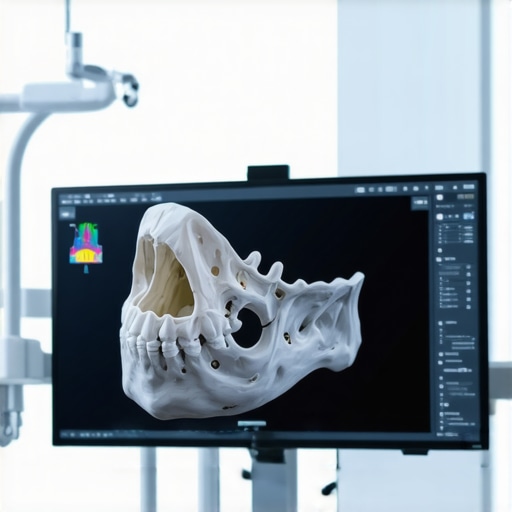
Many patients assume their regular annual check-up is enough to catch any issues. However, standard 2D bitewing X-rays are often insufficient for assessing the true health of a 3D bone-integrated post. They are like looking at the shadow of a tree rather than the tree itself. To truly understand if your bone is dense and healthy, you need to understand what a 3D CBCT scan reveals about your jaw health. These scans provide a 360-degree view, ensuring there are no hidden pockets of infection that could lead to a sudden, painful failure. If your dentist hasn’t mentioned 3D imaging yet, it’s a conversation worth starting.
Why Invisalign Success Is About More Than Just Wear Time
When it comes to orthodontic alignment, many adults assume that just keeping the trays in for 22 hours a day guarantees a perfect result. But there is a massive nuance often ignored: the fit of the attachments. If your trays aren’t fully ‘seated’ on those little composite bumps, the tooth won’t move, no matter how long you wear them. This is often the honest reason your invisalign trays keep popping off your back teeth. If you notice a gap between the tray and the tooth, your progress has stalled. Following invisalign maintenance expert tips is about more than just keeping them clean; it’s about ensuring the mechanical force is actually being applied. If you’re considering this path, make sure you look into the ultimate guide to invisalign for adults in 2025 to set realistic expectations for the discipline required. Your smile is an investment, and like any investment, it requires active management, not just passive waiting.
The Specialized Tools That Actually Keep My Implant Healthy
Once I realized my dental work wasn’t indestructible, I had to overhaul my morning routine. I moved away from the ‘scrub-and-go’ method to a three-step process involving an ultrasonic cleaner for my aligners and a specialized water flosser for my implant. When you are following invisalign maintenance expert tips, you realize that the tray is only as clean as the teeth underneath it. I personally use a Waterpik with the Plaque Seeker tip—it’s designed specifically for implants and crowns to avoid scratching the abutment. According to a study in the Journal of Periodontal Research, water flossing around an implant is significantly more effective at reducing gingival bleeding than traditional string floss because it reaches deep into the sulcus without causing mechanical trauma. If you’re still using thick, waxy floss, you might be missing the very area where bacteria love to hide.
Why You Need More Than Just a Standard Toothbrush
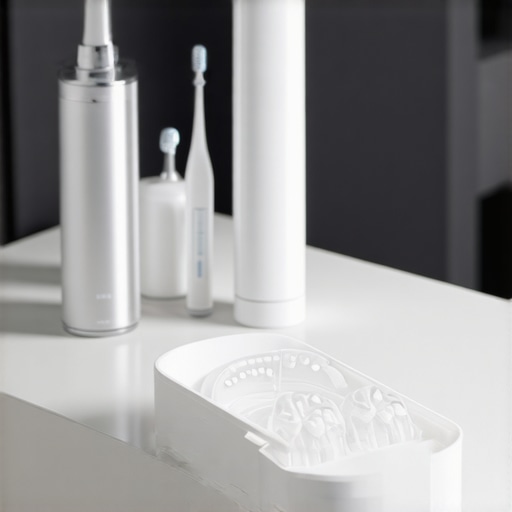
I used to think an electric toothbrush was a luxury, but now I see it as a necessity for anyone with cosmetic dentistry innovations in their mouth. The high-frequency vibrations help break up biofilm that manual brushing just can’t touch. I’ve found that using a brush with a pressure sensor is the only way to ensure I’m not receding my own gums further. This is especially true if you are dealing with teeth cleaning for sensitive teeth what works best in 2025, as over-brushing can strip away what little enamel you have left. I also recommend keeping a dedicated cleaning foam for your trays. If you’ve been struggling with how to keep your clear aligners from staining when you drink iced coffee, a quick rinse and a foam soak are your best friends. It’s about being proactive rather than reactive with your hygiene.
How do I keep this smile looking this good for decades?
The secret isn’t just what you do at home; it’s about the synergy between your bathroom sink and the dentist’s chair. You should be looking for modern teeth cleaning innovations that reduce sensitivity and boost results during your professional visits. I personally request air-polishing treatments now because they are much gentler on my veneers than the old-school gritty paste. If you have been consistent with maintaining your teeth cleaning routine for long-term health, these professional cleanings become ‘tune-ups’ rather than deep-cleaning rescue missions. I also make it a point to check my bite alignment every six months. Even a tiny shift in your jaw can put uneven pressure on an implant, potentially shortening its lifespan.
The High-Tech Future of Home Dental Care
I predict that by 2030, we won’t just be visiting the dentist for checkups; we’ll be using smartphone-attached intraoral cameras that use AI to flag inflammation before we even feel it. We are already seeing the beginning of this with apps that track your Invisalign wear-time and tooth movement in real-time. This is why the ultimate guide to invisalign for adults in 2025 emphasizes digital compliance so heavily. The data doesn’t lie, and soon, our bathrooms will be mini-dental labs. For now, the best thing you can do is invest in high-quality interdental brushes—specifically the ones with plastic-coated wire—to ensure you aren’t scratching your titanium posts. If you want to take your maintenance to the next level, try swapping your traditional mouthwash for a pH-balancing rinse tonight; it’s a total game-changer for preventing that ‘fuzzy’ tooth feeling by the end of the day.
The One Thing My Dentist Never Mentioned About the Long Game
Looking back, I realize that the physical healing is only half the battle. There is a ‘mental integration’ that happens where you finally stop treating your mouth like a construction zone. One lightbulb moment for me was realizing that my anxiety about the implant failing was actually causing me to grind my teeth at night—the very thing that can jeopardize integration! I also learned that choosing the right dentist isn’t just about their technical skill, but about finding someone who validates your ‘small’ concerns. Don’t be afraid to ask for extra reassurance; a good pro expects it. Finally, remember that the ‘Baguette Test’ shouldn’t be your first goal. Start with softer textures and build your confidence alongside your bone density. You aren’t just healing a jaw; you’re relearning how to trust your own smile again.
My Recovery Arsenal for a Lifetime
I’ve curated a specific set of tools that moved me from ‘scared patient’ to ‘confident owner.’ First, I can’t recommend a 3D CBCT scan enough for your peace of mind; it’s the only way to truly see the bone-to-titanium bond in high definition. For daily maintenance, I swear by plastic-coated interdental brushes which reach the tricky spots around the abutment without the risk of scratching the metal. If you’re also using aligners during this journey, a dedicated cleaning foam is a lifesaver—I learned how to keep your clear aligners from staining by using a quick-soak method every single morning. These aren’t just gadgets; they are the insurance policy for your investment. Consistent use of these tools, combined with maintaining your teeth cleaning routine, ensures that your new smile remains as bright as the day it was finished.
[image]
Take the Leap into Your New Smile
It is completely normal to feel a mix of excitement and nerves as you cross the finish line of your dental journey. Whether you are navigating the nuances of implants or simply perfecting your look through cosmetic dentistry innovations, the most important step is to remain an active participant in your own care. By having cosmetic dentistry myths debunked and arming yourself with facts, you remove the fear from the equation. Your new smile is a masterpiece of modern engineering and biology working in harmony. Treat it with respect, keep it clean, and most importantly, start using it! You didn’t go through this process to hide your teeth; you did it to reclaim your confidence. What is the one food you are most excited to eat again once your healing is 100% complete? Let me know in the comments below!