
I vividly remember the moment I looked in the mirror and realized my smile was missing that perfect touch. A small chip on one tooth had been bothering me for years, and I finally decided to do something about it. But then came the daunting question—how do you match a single veneer to your existing teeth without it looking out of place? It was a puzzle I had to solve, and honestly, I felt overwhelmed just thinking about the color, texture, and fit.
Why Matching a Veneer to Your Existing Teeth Matters More Than You Think
Getting a single veneer isn’t just about fixing a chipped tooth. It’s about seamlessly blending it with your natural smile so nobody notices it’s not part of the original set. A mismatched veneer can draw more attention than the flaw it’s meant to hide, and that’s the last thing anyone wants. Luckily, through personal experience and a lot of digging into cosmetic dentistry, I’ve learned some tricks to ensure that your new veneer blends perfectly—keeping your smile looking natural and confident.
But what really complicates things is the variability in natural tooth shades and translucency. Every tooth is unique, and matching that perfectly isn’t as straightforward as buying a shade from a paint store. It requires understanding the nuances of color, texture, and how light interacts with your teeth. According to dental experts, precisely matching a veneer can also enhance the longevity of your restoration, preventing issues like staining or uneven wear over time.
If you’ve ever felt uncertain or even anxious about choosing the right shade for your veneer, trust me—you’re not alone. And that’s exactly what I’d like to help you with today. We’re going to walk through the essential steps for achieving a natural match, based on real-world insights and professional guidance.
Is the hype about perfect veneer matching actually worth the effort?
Early in my journey, I made the mistake of simply picking a shade that seemed close without considering underlying factors like translucency and your existing tooth color variations. That led to a veneer that looked mismatched under certain lighting. From my experience, the devil is in the details—details that many overlook when trying to save time or money. For the best results, understanding the science behind color matching and working closely with your cosmetic dentist is crucial.
Now, let’s explore how you can navigate this process step by step, avoiding common pitfalls and ensuring your new veneer looks as natural as your original teeth.
Assess the Natural Tooth Color Under Natural Light
Start by examining your teeth in natural daylight to get an authentic view of their shades. I remember a time when I tried to compare shades indoors, and the artificial lighting made everything look off. So, I stepped outside with a white card to compare my teeth directly against the sunlight. This simple trick helped me see the true color, which is crucial for an accurate match.
Use a Shade Guide for Precise Matching
Ask your dentist for a shade guide—think of it as a paint swatch for your teeth. I remember sitting in the chair, holding various shade tabs against my teeth until I found one that seamlessly blended. Hold the guide close to your tooth and observe the hue; compare both in natural light and under the clinic’s lighting to ensure consistency. This step minimizes surprises when the veneer is fabricated.
Consider Translucency and Texture
Natural teeth aren’t just about color. They have translucency and surface variations. I learned this when I noticed my front teeth reflected light differently than my molars. Communicate these nuances to your dentist, as they can select or customize a veneer that mimics light transmission and surface texture for a more natural look. Don’t overlook this—it’s what differentiates a good match from a bad one.
Opt for Custom Shade Matching with Your Dentist
Professional shade matching often involves digital tools that analyze your tooth color precisely. During my appointment, the dentist used a spectrophotometer—a device that reads the reflected light from my teeth. This data ensures an exact match, especially if your teeth are multi-shaded or have unique features. For more insights into advanced techniques, check out cosmetic dentistry insights.
Communicate Clearly and Review Before Finalizing
Always ask to see a mock-up or a digital preview of how the veneer will look. I requested to see a simulation, which revealed that my veneer was slightly whiter than my natural teeth. With this foresight, adjustments could be made before fabrication. Clear communication prevents surprises post-procedure and ensures you’re satisfied with the result.
Match Over Multiple Appointments if Needed
If your teeth have undergone whitening or other procedures, their shade may change over time. I scheduled a follow-up to reassess and fine-tune the shade, ensuring the veneer still matches perfectly after some whitening treatments. This ongoing attention guarantees harmony in your smile.
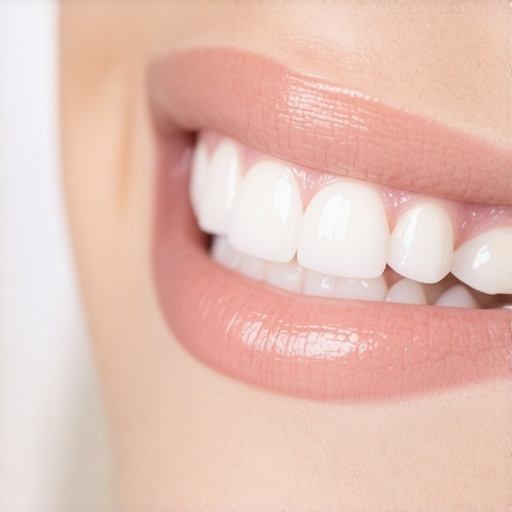 Many people assume that cosmetic dentistry, teeth cleaning, or Invisalign treatments are straightforward processes, but beneath the surface lie critical nuances that can make or break your results. One prevalent misconception is that more frequent whitening or cleaning always leads to better oral health. In reality, overwashing without proper methods can erode enamel, increasing sensitivity and staining over time. According to the American Dental Association, aggressive brushing or overuse of whitening products can cause irreversible damage, so understanding the appropriate frequency and technique is essential. Additionally, many believe that Invisalign aligners can be swapped out early or without strict adherence, but this can lead to ineffective results or longer treatment durations. The key is consistent wear and following your dentist’s precise instructions, as outlined in guides like the ultimate Invisalign guide for adults. A common myth specifically about teeth cleaning is that professional cleaning is sufficient for lifelong oral health; however, neglecting daily habits like proper brushing and flossing can undo months of dental work and lead to gum disease. Experts highlight that efficient oral hygiene routines, including techniques from teeth cleaning tips, are critical for maintaining results between visits. For those considering cosmetic options, many overlook the importance of texture and translucency matching, which requires advanced shade assessment and communication with your dentist—mistakes here can result in unnatural-looking restorations. An often missed nuance is the impact of light interaction on perceived tooth color; a veneer that matches under clinic lighting might appear mismatched outdoors. Professional shade matching devices like spectrophotometers provide precise data, ensuring harmony with your natural teeth. To avoid these pitfalls, always collaborate closely with experienced practitioners who are aware of such advanced techniques. Have you ever fallen into this trap? Let me know in the comments.Maintaining your smile’s brilliance requires the right tools and a disciplined routine. I personally rely on high-precision digital shade matching devices like spectrophotometers, which analyze the exact hue, translucency, and texture of your natural teeth. This technology ensures that your veneers, whitening, or Invisalign treatment will blend seamlessly, providing long-term satisfaction. Incorporating advanced cleaning tools, such as ultrasonic scalers with micro-vibration technology, helps remove plaque without damaging enamel—preserving your dental work longer. For daily maintenance, I recommend using an electric toothbrush with pressure sensors; it prevents over-brushing that can erode enamel and compromise restorations. Additionally, interdental brushes tailored for specific gaps facilitate gentle yet effective cleaning in hard-to-reach areas, reducing plaque buildup that can stain or damage cosmetic enhancements.
Looking ahead, the trend points toward even smarter dental tools integrated with AI, offering real-time feedback and personalized care plans. Imagine a future where your toothbrush connects with your smartphone, analyzing data and advising adjustments to improve your oral health proactively.
How do I maintain my cosmetic results over time?
Consistent follow-up with your dentist is essential. Scheduling regular check-ups every six months allows professionals to monitor your restorations and catch any issues early. Invest in high-quality oral hygiene products, especially those designed for cosmetic maintenance, such as remineralizing toothpaste with nano-hydroxyapatite, which helps reinforce enamel and prevent staining. Be mindful of your habits—limit foods and drinks that cause discoloration, like coffee and red wine—and consider touch-up bleaching treatments if recommended by your dentist. For instance, intermittent whitening sessions can refresh your smile’s brightness without overexposing teeth to chemicals.
Incorporating these tools and habits ensures your investment in cosmetic dentistry continues to pay off, maintaining a radiant, confident smile for years to come. For more detailed tips on long-term teeth maintenance, check out maintaining your teeth cleaning routine for long-term health. Also, exploring the latest advancements in cosmetic dentistry trends can help you stay ahead and make informed decisions about future enhancements. Remember, ongoing care isn’t just about appearance—it’s about preserving your oral health and the longevity of your treatments.
Lessons That Changed How I Approach Cosmetic Smiles
One of the biggest realizations I had was that perfection isn’t about finding the closest shade but understanding how light and translucency affect our perception of natural teeth. I once thought a simple shade guide was enough—until I saw how my veneer looked under different lighting conditions, revealing subtle mismatches that a professional’s eyes could catch. This taught me that investing in advanced shade-matching technology or detailed consultations truly elevates the final result.
Another lightbulb moment came when I learned that textures and surface reflections play as crucial a role as color. A veneer that mimics natural enameled surfaces, with appropriate translucency and surface variation, makes the difference between an obvious restoration and a subtle enhancement. Working closely with a skilled cosmetic dentist who understands these nuances ensures the final smile feels genuine.
I’ve also realized that patience in the matching process—reviewing mock-ups, considering lighting conditions, and communicating precisely—can save costly corrections later. Rushing through shade selection might seem tempting, but taking the time guarantees confidence and satisfaction in the end.
Tools That Transformed My Smile Maintenance Game
- Spectrophotometers: These digital devices analyze tooth color with incredible precision. I trust them for their consistency and accuracy, ensuring my veneers blend flawlessly.
- Advanced Whitening Kits with Nano-Hydroxyapatite: They help maintain the brightness of my natural teeth, preventing mismatches over time without harsh chemicals.
- interdental brushes and sonic toothbrushes: These tools keep my smile clean in hard-to-reach spots, upholding the natural translucency and surface texture that make my veneers look authentic.
- Regular Consultations and Digital Previews: Using technological tools to visualize results before committing helps me make informed decisions and avoid surprises after placement.
Sealing the Deal with Consistent Care and Genuine Confidence
I’ve found that maintaining your smile after veneers or whitening isn’t about changing everything but about preserving what’s already working. Regular visits, careful selection of oral hygiene products, and being mindful of foods and habits that can stain or damage your restorations contribute to their longevity. Embracing new technologies and staying informed through reputable sources empowers me to keep my smile radiant and natural-looking for years.
Insider Wisdom: The Hidden Lessons About Achieving Flawless Smile Matches
• I learned the hard way that a veneer can look perfect in the clinic but fall flat outdoors unless lighting conditions are considered. Now, I always check natural light, realizing that the true test of color match happens outside the visit.
• Trusting digital shade-matching tools doesn’t mean ignoring personal judgment. Combining technology with personal observation creates the most authentic results.
• Overconfidence in a quick shade pick often leads to mismatched veneers. Patience and thoroughness are worth the effort for a seamless smile.
• Small details like translucency and surface texture are often overlooked but define whether your veneer looks natural or artificial. Communicating these nuances with your dentist makes all the difference.
From Here, Your Smile Can Shine Even Brighter
With the right knowledge, tools, and mindset, perfecting the match of your veneer becomes an achievable goal. It’s not just about the aesthetics; it’s about embracing a confident smile that feels truly yours. If you’re considering a veneer or other cosmetic enhancement, empower yourself with these insights and work with experienced professionals dedicated to your natural beauty.
What was your biggest takeaway about matching veneers naturally? Share your thoughts below!