
I remember the exact moment I realized how tricky matching a single veneer to my natural teeth could be. I was at my dentist’s office, staring nervously as they selected the shade—only to find out that the color looked off once the veneer was placed. It was a lightbulb moment for me—how could something so small cause so much frustration? Since then, I’ve learned that achieving a seamless match isn’t just about picking a shade; it’s about understanding the nuances of color, light, and even individual tooth characteristics.
The Struggle of Perfectly Matching Your Veneer to Natural Teeth
Matching the color of a veneer to your existing teeth can feel like trying to find the perfect puzzle piece—flawless, elusive, and often disappointing. The challenge lies in the fact that every tooth is unique, reflecting light and aging differently. Many patients don’t realize that even natural teeth aren’t perfectly uniform, which complicates the process all the more. Early on, I made the mistake of assuming that choosing the same shade as my neighbor’s smile would be enough—big mistake. That misjudgment led to an uneven appearance that I had to correct later, proving that shade matching is an art, not just a science.
Is It Really Possible to Match a Veneer to Your Teeth Perfectly?
Many people worry that matching a veneer perfectly is an impossible goal. I used to think so too—until I discovered expert techniques and trusted professionals who understand the subtle differences in tooth color and translucency. It’s crucial to recognize that natural teeth have depth and movement of color, which simple shade guides often fail to capture. This realization came from personal experience and a bit of research; for instance, I learned that light plays a significant role in how we perceive tooth color. Professional dentists use specialized tools and techniques, like digital shade matching, to replicate these shades with impressive accuracy. Still, it’s essential to communicate openly with your dentist about your expectations and preferences.
If you’re facing a similar dilemma—wondering how to make your restoration blend seamlessly—you’re not alone. Many patients ask, “Can I really get a veneer that looks like my natural teeth?” The answer is a resounding yes, with a bit of knowledge and the right approach. Before diving into the steps, I want to share a common mistake I made early on—focusing solely on shade without considering factors like translucency and surface texture. Skipping those details resulted in a veneer that was close but not quite right, something that could have been avoided with proper planning and professional guidance. For more insights on achieving that perfect smile, check out this guide on cosmetic dentistry.
Now, let’s explore how you can confidently match your veneer to your natural teeth by understanding these subtle yet crucial details. From color science to practical tips, I’ll walk you through everything you need to know for the best results.
Select Your Perfect Shade Precisely
Start with a calibrated shade guide in natural daylight—don’t rely on artificial lighting or your phone screen. I once tried to match my veneer shade under fluorescent lights, and the result was off in natural sunlight. Always verify the shade in different lighting conditions and ask your dentist to take a photo for future reference.
Assess Translucency and Depth
Natural teeth aren’t opaque. They have depth and translucency that shade guides can’t fully capture. I learned this the hard way when my initial veneer looked flat compared to the surrounding teeth. To mimic this, request your dentist to adjust the translucency settings or ask about layering techniques that add depth.
Understand Light Reflection and Aging
Teeth reflect light differently based on age and wear. I noticed my natural teeth had a subtle warmth and slight translucency at the tips. Work with your dentist to select a shade that matches not only the color but also the light-reflective qualities. Professional digital shade matching tools can greatly improve accuracy—check out this guide for more details.
Use High-Quality Digital Shade Matching Devices
Request your dentist to utilize advanced spectrophotometers or intraoral scanners that analyze your teeth’s color scientifically. I once visited a clinic that used such technology, and the results were impressively close to my natural teeth, reducing guesswork.
Communicate Clearly with Your Dentist
Be explicit about your expectations—bring photos of your smile in natural light to your appointment. During my last visit, I brought a picture of my favorite smile, which helped my dentist understand the exact tone and translucency I desired. Open dialogue ensures your expectations align with the final result.
Consider Surface Texture and Finish
Surface texture influences how natural a veneer looks. Smooth, glossy finishes mimic healthy enamel, while slightly matte textures can imitate aging or wear. I recommend discussing these nuances with your clinician and possibly reviewing sample textures before finalizing the veneer.
Follow Up for Fine-Tuning
After placement, schedule a follow-up to assess the match under different lighting conditions. Minor tweaks in translucency or shade can make a big difference. I experienced this firsthand when a quick polishing session improved the appearance of my veneer, making it blend seamlessly.
Maintain Consistent Oral Hygiene
Healthy, clean teeth reflect light better and help your veneer look more natural. Regular brushing, flossing, and professional cleanings are essential. For tips on maintaining optimal oral health, visit this article.
Many patients assume that straightforward explanations and common advice capture the full picture of dental treatments like Invisalign, cosmetic dentistry, or even routine teeth cleanings. However, these assumptions often lead to overlooked nuances that can significantly impact the outcome. For instance, while Invisalign is widely praised for its discreet nature, a common misconception is that it works equally well for everyone. In reality, factors such as tooth anatomy and bite dynamics can influence its effectiveness; experts highlight that customized treatment planning is essential to avoid subpar results, as emphasized in recent patient success stories.
What Mistakes Do Even Experienced Dentists Sometimes Make with Teeth Cleaning and Cosmetic Procedures?
The trap many overlook is the tendency to treat dental issues superficially without addressing root causes. A typical example is focusing solely on staining during whitening procedures, ignoring structural factors like enamel thickness or underlying decay, which could lead to sensitivity or uneven staining over time. Studies suggest that a comprehensive exam and tailored cleaning routines—beyond standard practices—are crucial for long-term oral health, as detailed in expert insights on cleaning myths.
Furthermore, an advanced mistake often made is underestimating the importance of light and translucency in cosmetic treatments. When selecting veneers or crowns, many rely heavily on shade matching without considering how light interacts with the material. This oversight can result in restorations that appear mismatched under different lighting conditions. Modern digital shade-matching devices can help mitigate this, but only if properly employed, as discussed in cosmetic dentistry insights.
How Can Advanced Knowledge Help You Avoid Common Pitfalls?
Equipped with a deeper understanding of these subtleties, you can communicate more effectively with your dentist and ensure your treatment plan considers all critical variables. For example, knowing that translucency and light reflection matter as much as shade can guide you to ask targeted questions about material choices and layering techniques. It’s also wise to inquire about the latest diagnostic tools—such as spectrophotometers—that can improve the accuracy of your treatment. Remember, selecting a knowledgeable provider who employs these advanced techniques can make the difference between a satisfactory outcome and an exceptional, natural-looking result. Want to take a proactive step? Contact us to schedule an evaluation and learn how to optimize your dental care.
In short, the realm of dental aesthetic and health care is more nuanced than most realize. Staying informed and questioning standard advice can prevent you from falling into these common traps—ensuring your smile remains both beautiful and healthy for years to come. Have you ever fallen into this trap? Let me know in the comments.
Keep Your Smile in Top Shape with Proven Tools
Maintaining cosmetic dental work, like veneers or Invisalign, demands the right tools and regular care. I personally rely on a combination of advanced equipment and meticulously curated routines to ensure my smile remains flawless over the long term. One device I swear by is the Dental Probe with Fluorescent Tip. Unlike standard probes, it uses UV light to detect early signs of plaque buildup and enamel erosion that are invisible to the naked eye. This allows me to address issues before they escalate, protecting my investment in my smile.
Another essential is the Electric Toothbrush with Oscillating-Pulsating Technology. I prefer models like the Oral-B Genius X, which boasts multiple cleaning modes and real-time feedback via a smartphone app. This ensures I’m brushing thoroughly, especially around veneers and bonded areas where plaque tends to accumulate. Using such a device reduces the risk of staining or decay that can compromise cosmetic treatments over time.
Digital Tools for Precision and Peace of Mind
When it comes to shade matching and monitoring progress, I incorporate digital systems like the Spectrophotometer—specifically, the VITA Easyshade. This device scans teeth to provide precise color data, ensuring that touch-ups or future restorations stay perfectly matched. For Invisalign users, I recommend the Invisalign Smile Try-On App; it helps visualize potential outcomes and guides your routine adjustments. These tools, backed by advancements in dental technology, help maintain your aesthetic investments for years to come.
How do I keep my dental results looking pristine over time?
Consistent maintenance is key. I schedule biannual professional cleanings, during which my hygienist uses ultrasonic scalers and air-polishing devices like Cavitron to remove stubborn deposits—something that standard brushing can’t always achieve. Post-cleaning, I follow a personalized routine of low-abrasive whitening toothpaste and interdental brushes to maintain brightness and structural integrity. Experts like those at modern dental practices emphasize that proper routine care combined with advanced tools can extend the lifespan of your smile.
Invest in Your Long-Term Smile Health
As the trend in cosmetic dentistry moves forward, we’re seeing innovations like laser enamel reshaping and bioactive restoratives gaining popularity. Future tools may include AI-powered diagnostic scanners and self-cleaning surfaces for veneers. Staying informed about these developments can empower you to partner effectively with your dentist and keep your results stunning for years. To get started, consider trying the ultrasonic scaler during your next professional clean—it’s a game-changer for long-term health and appearance.
If you’re ready to elevate your dental care routine, reach out to schedule a consultation. Investing in the right tools and consistent maintenance today will safeguard your smile’s beauty and function well into the future. Remember, longevity is achieved not just with initial treatment but through dedicated, ongoing care.’
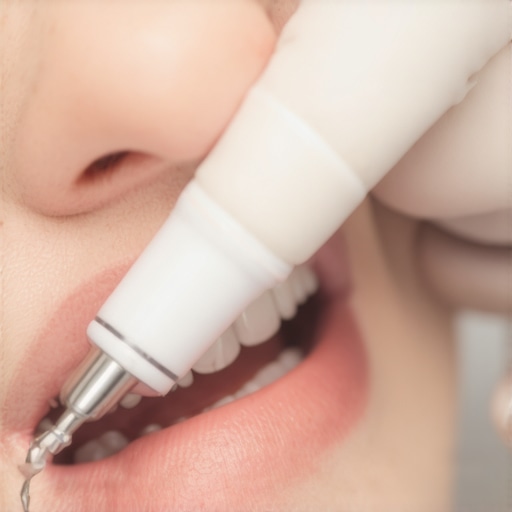
Over the years, I’ve discovered that the journey to a perfect smile isn’t just about the procedures—it’s about understanding the subtle art and science behind it. Personal experiences and lessons learned have shown me that patience, education, and honest communication with your dental professional can make all the difference. Remember, every smile is unique, and so should be your approach to enhancing it.
The Hidden Lessons That Transformed My Smile Journey
- Don’t underestimate translucency: Natural teeth reflect light differently based on age and wear. Embracing these nuances helped me select restorations that truly looked natural, and it can do the same for you. A simple tip: ask your dentist about layering techniques to mimic depth.
- Lighting matters more than you think: Shade matching in natural daylight reveals discrepancies artificial lights hide. I now always check my shade outdoors before approving the final look. Share this tip with your dentist for remarkable results.
- Technology is a game-changer: Digital shade analyzers and intraoral scans drastically reduce guesswork, ensuring a seamless blend. Trust me, investing in these tools pays off in a perfectly harmonized smile.
- Communication is key: Bringing photos and expressing your expectations clearly can prevent surprises. I learned this the hard way when a slight adjustment made my veneer look more authentic.
- Maintenance preserves your investment: Regular professional cleanings and proper home care keep veneers and Invisalign looking and functioning like new. Incorporate high-quality tools like ultrasonic scalers for long-lasting results.
My Custom Arsenal for Dental Confidence
These are the resources and tools I personally trust and recommend:
- VITA Easyshade Spectrophotometer: This device provides precise color matching, ensuring your restorations blend flawlessly. I rely on it for every consultation.
- Invisalign Smile Try-On App: Visualize your future smile and make informed decisions about your treatment plan. It’s empowering to see potential outcomes before committing.
- Ultrasonic Scalers like Cavitron: Regular professional cleanings with advanced equipment help maintain cleanliness and prevent long-term issues. My hygienist swears by it.
- Low-abrasive Whitening Toothpaste: Keep your smile bright without damaging delicate restorations. It’s a simple step that makes a big difference.
Take Charge of Your Smile Transformation
Embarking on your smile enhancement journey is an exciting step toward confidence and well-being. Stay curious, ask questions, and seek out advanced techniques—they’re available and accessible. Remember, your best smile is a reflection of your unique personality, and proper care today ensures it shines for years to come. Ready to start? Schedule a consultation now and take the first step toward a radiant, natural look.