
I was sitting in that familiar, slightly-too-stiff dental chair, staring at a black-and-white X-ray of my molars. My dentist at the time pointed to a crisp, clear image and told me I was ‘all clear.’ I wanted to believe him. I really did. But deep down, I knew that sharp, electric zing I felt every time I took a sip of iced tea wasn’t just my imagination. A few months later, that ‘all clear’ tooth turned into a throbbing, middle-of-the-night emergency that required a root canal. That was my wake-up call: traditional X-rays are useful, but they certainly aren’t foolproof. I realized that my dentist was looking at a 2D map of a 3D problem.
The Day My X-Rays Lied to Me
I used to think that if a cavity didn’t show up on a film, it simply didn’t exist. I was dead wrong. Traditional 2D X-rays are essentially a flat shadow-graph. Think of it like looking at the front of a house to see if a pipe is leaking in the upstairs bathroom; you might see the water damage eventually, but by then, the floorboards are already rotting. These films miss early demineralization and those tiny, microscopic fissures where bacteria love to set up shop. This is exactly how regular teeth cleaning can prevent major dental issues, but that prevention is only as good as the diagnostic tools your dentist is holding. I made the massive mistake of assuming that the ‘old school’ methods were the gold standard just because they were what I grew up with. I didn’t want to be that ‘annoying’ patient who asked too many questions or requested ‘fancy’ scans. But here is the thing: your smile is your most important asset, and it is worth being a little bit vocal. Now, I always advocate for digital scans—high-definition, 3D maps of your mouth that can rotate, zoom, and peel back layers of your tooth structure to catch decay long before it ever touches a nerve. When you are choosing the right dentist, you shouldn’t just look at the lobby or the friendly staff; you need to see if they have invested in the tech that sees what the human eye and old film cannot.
Is this just a way to charge me more for a fancy camera?
I totally get the skepticism. Believe me, I have been there. When I first saw a digital scanner—looking like something out of a sci-fi movie—I assumed it was just a flashy gadget designed to pad the insurance bill. I remember thinking, ‘My parents’ teeth stayed in their heads with just X-rays, so why do I need this?’ But our understanding of dental health has evolved. According to a study published in the Journal of Dentistry, advanced digital imaging techniques, particularly those using near-infrared transillumination, can identify up to 40% more proximal lesions—cavities between teeth—than traditional bitewing X-rays alone. That is a massive margin of error. These modern teeth cleaning innovations aren’t about being trendy; they are about catching a minor issue while it is still a simple, affordable fix rather than a complex surgical one. Have you ever felt a phantom ache in a tooth that your dentist could not find on a standard film? It is a frustrating, isolating feeling to be told nothing is wrong when your body is screaming otherwise. Today, we are going to dive into how these digital scans work and why they are the secret weapon for anyone who wants to avoid the surprise dental bill from hell.
Stop settling for a flat map of a round tooth
Traditional X-rays are like looking at a photo of a forest to find a specific bird nest; you can see the trees, but the depth is gone. Digital scanners, however, function more like a high-definition video flyover. When you sit in the chair, your dentist uses a wand-like device that captures thousands of data points per second. This isn’t just about finding holes; it is about assessing the health of your enamel in real-time. I remember the first time I saw my own scan. The hygienist pointed out a spot where the enamel was thinning—something that appeared perfectly white on a standard film. Because we caught it then, we didn’t need a drill. We just adjusted my teeth cleaning tips for a brighter smile this spring to include a specific remineralizing paste. This proactive approach is the core of how regular teeth cleaning can prevent major dental issues before they require invasive surgery.
Watch for the shadows that traditional film misses
If you have ever wondered why your teeth feel like polished glass after a professional prophy cleaning, it is because your dental team is finally working with a clean slate. But even the best cleaning can’t reach deep inside the tooth structure without the right eyes. Advanced near-infrared transillumination technology literally shines a light through your teeth. Healthy enamel looks transparent, while decay looks dark and opaque. It’s like using a flashlight behind a piece of silk to find a snag. This technology is a game-changer for teeth cleaning for sensitive teeth what works best in 2025, because it identifies exactly where the sensitivity is coming from—often a microscopic crack—rather than just guessing and applying desensitizer everywhere. It is much more effective than falling for teeth cleaning myths debunked by top dentists that suggest sensitivity is always just ‘part of getting older.’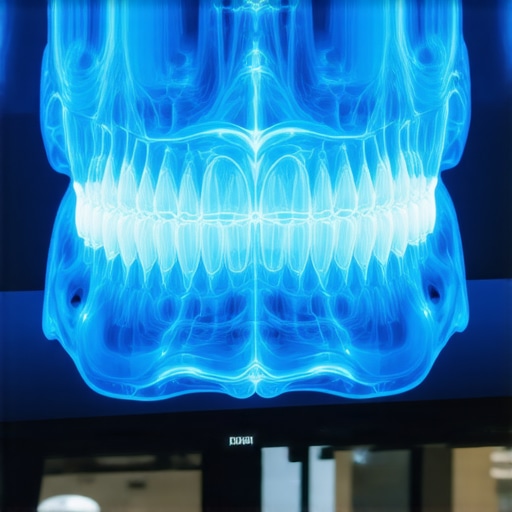
The three questions you must ask your dentist today
Don’t be a passive passenger in the dental chair. You need to know if your provider is using the best tools available. I once spent three years at a clinic that used 20-year-old equipment because the lobby had free lattes. Big mistake. Now, when I am choosing the right dentist, I ask: ‘Do you use 3D intraoral scanning?’ and ‘How do you track enamel wear over time?’ If they can’t show you a digital overlay of your mouth from six months ago compared to today, they are missing the forest for the trees. This is how you catch things like why your teeth look yellow near the gumline but white at the tips before it becomes a cosmetic disaster.
My own lightning bolt moment with a digital scan
A few years ago, I had a molar that felt ‘off.’ It didn’t hurt, but it felt heavy. My old-school dentist took a bitewing and said, ‘Looks great, keep flossing.’ I wasn’t convinced. I sought a second opinion from a tech-forward office. Within five minutes of using a 3D scanner, they showed me a hairline fracture—a literal lightning bolt shape—creeping down the side of the root. On the 2D film, the shadow of the bone had perfectly hidden it. We fixed it with a simple bond that afternoon. Without that tech, I would have been looking at a full extraction and an implant six months later. This is exactly why modern teeth cleaning innovations are your best defense against the ‘surprise’ root canal and part of maintaining your teeth cleaning routine for long-term health.
Everyone loves that post-appointment sensation, but let’s dig deeper into why that “squeaky clean” feeling can actually be a bit of a mask. A common contrarian view in modern dentistry is that the traditional “scrape and polish” is becoming outdated. Most people believe that the harder a hygienist scrapes, the better the job they are doing. In my experience, and based on shifting clinical standards, focusing purely on manual scaling often ignores the most dangerous player in your mouth: the microscopic biofilm. If your dentist is only removing the hard tartar (calculus) but not addressing the soft, invisible bacterial colonies, you are essentially just mowing the lawn while the weeds are still rooted deep in the soil.
Why a rough scrape doesn’t mean a better clean
I used to think that unless I felt that metal hook digging into my gums, I wasn’t getting my money’s worth. That is one of the biggest teeth cleaning myths debunked by top dentists today. In fact, aggressive scaling can sometimes create micro-scratches in the enamel where bacteria can hide even more effectively. This is often the real reason your coffee stains come back a week after a professional cleaning; the surface is slightly more porous, allowing pigments to latch on faster. Advanced clinics are moving toward Guided Biofilm Therapy, which uses a warmed, pressurized spray to gently dissolve bacteria before any manual tools even touch your teeth. A study published in the Journal of Clinical Periodontology found that this air-polishing method is significantly more effective at removing biofilm in difficult-to-reach areas than traditional hand instruments alone, all while being far more comfortable for the patient.
Does your dental team focus on biofilm or just the visible tartar?
This is the question you need to ask if you want to stay ahead of the curve. If they are still relying solely on the “pick and scrape” method, they might be missing the very thing that causes inflammation and bone loss. This is especially critical if you are investing in Invisalign maintenance expert tips for clear confident smiles. When your teeth are being moved, your gum tissue is under a constant state of remodeling. Any lingering biofilm can cause that process to stall or lead to “Invisalign gingivitis.” I’ve seen patients spend thousands on clear aligners only to have the results compromised because they weren’t maintaining your teeth cleaning routine for long-term health with the right diagnostic precision.
The one “white” mistake that ruins a $5,000 smile
Here is the “oops” factor that catches so many people off guard: the “Whitening Trap.” We often assume that because our teeth are bright white, they must be healthy. This is one of the most dangerous cosmetic dentistry myths debunked what you really need to know. I once saw a patient who had used over-the-counter strips for years to achieve a Hollywood glow, only to discover that the whitening had masked the subtle color changes that signal internal tooth decay. By the time they felt pain, the tooth needed a full crown rather than a simple filling. If you are following the ultimate guide to teeth whitening and cosmetic enhancements, ensure you have a professional scan first to check for structural integrity. Have you ever fallen into this trap of prioritizing the shade of your teeth over the actual health of the roots? Let me know in the comments. It’s a mistake I see all too often, and it’s why choosing the right dentist who prioritizes high-tech diagnostics over mere aesthetics is the most important decision you’ll make for your smile.
Investing in your smile—whether it is through advanced 3D scans, professional cleanings, or Invisalign—is only half the battle. The real work happens in the 180 days between your dental visits. I used to think a standard manual brush and a bit of string floss were enough, but once you’ve seen the microscopic reality of biofilm, you realize you are fighting a high-tech war with low-tech tools. Don’t let your investment fade because of a five-dollar toothbrush; the precision of your home care must match the precision of your dentist’s office.
Don’t let your investment fade because of a five-dollar toothbrush
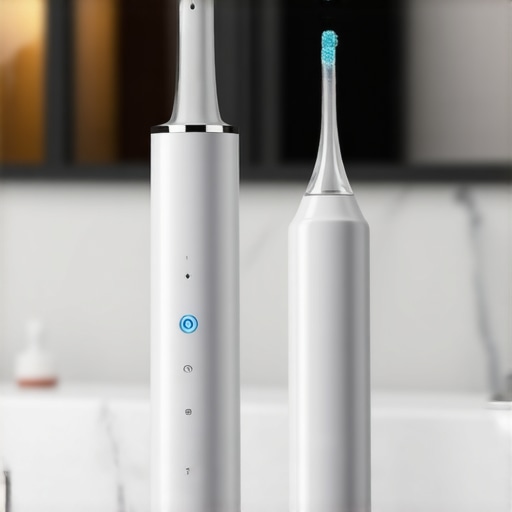
I switched to an electric toothbrush with a pressure sensor specifically because I was scrubbing my enamel away. My dentist pointed out that I had ‘notched’ my teeth near the gumline—a classic sign of being too aggressive. I personally recommend the oscillating-rotating technology found in higher-end models because they do the micro-movements for you. If you are maintaining your teeth cleaning routine for long-term health, you need a tool that stops you from doing more harm than good. When that little red light flashes on my brush, it is a literal stop sign for my hand, protecting my gums from recession. Similarly, if you are currently in treatment, following Invisalign maintenance expert tips for clear confident smiles means ensuring your tools are actually reaching the spots where your aligner attachments live.
How do I maintain professional results over time?
The secret is consistency and specialized equipment. For example, I swear by my water flosser. If you struggle with the dexterity of string floss, or if you find that your gums are always tender, a water flosser is a non-negotiable. A clinical study published in the Journal of Clinical Periodontology demonstrated that water flossing can be up to 50% more effective than traditional string floss for reducing gingivitis and removing plaque from difficult-to-reach areas. If you find it messy or uncomfortable, learning how to stop your gums from bleeding when you use a water flosser is usually just a matter of adjusting the pressure and temperature. For those of us who have used aligners, knowing the secret to keeping your trays perfectly clear for two weeks often involves using ultrasonic cleaners—the same tech dentists use for their instruments—at home.
AI is coming for your dental hygiene routine
Looking ahead, the landscape of home dental care is about to get much more analytical. I predict that within the next five years, our toothbrushes will be equipped with spectroscopic sensors. These tools will likely analyze the chemical composition of our saliva and the density of our enamel in real-time, sending an alert to our smartphones the moment a ‘hot spot’ for a cavity develops. We are moving away from the era of ‘wait and see’ and into an era of ‘detect and prevent.’ Until then, your best defense is a proactive mindset. Swap your manual floss for a high-pressure water flosser for just one week and see if that ‘heavy’ feeling in your gums finally disappears. Your future self—and your bank account—will thank you.
The hard lesson I learned about trusting my eyes over the data
For years, I thought a bright white smile was the ultimate sign of oral health. I was wrong. The most important lesson I’ve learned is that what you can’t see is usually what hurts your wallet the most. Here are the lightbulb moments that changed how I approach the dental chair:
- Demineralization is a stealth ninja: By the time a cavity is visible to the naked eye, the structural damage is already significant. Digital scans catch the ‘soft spots’ months or years earlier than a standard mirror exam.
- Biofilm is the real boss: Scouring away hard tartar is great, but managing the invisible bacterial colonies is the key to longevity. This is why I prioritize teeth cleaning secrets how regular care boosts oral health at any age over a quick cosmetic polish.
- Technology is an advocate, not an upsell: A 3D scan isn’t just a fancy picture; it’s the only way to see if a root is fractured or if your dental implant vs bridge decision is being made on solid ground.
The small investments that save me thousands in dental bills
I don’t just trust my dentist; I also trust the tools I use at home to maintain those professional results. If you want to keep your smile pristine without constant office visits, here is the toolkit I personally vouch for:
- A pressure-sensitive electric brush: If you are prone to aggressive scrubbing, this is a lifesaver. It protects your gums and keeps your enamel safe from abrasive pastes that can lead to permanent thinning.
- The Water Flosser: It reaches the gaps that string simply misses. If you’ve struggled with soreness before, learning how to stop your gums from bleeding when you use a water flosser is the first step to total gum health.
- 3D Diagnostic Records: Even if you aren’t currently in pain, ask your clinic for a digital baseline scan. It’s the only reliable way to track microscopic wear and tear over decades.
#IMAGE_PLACEHOLDER_E#
Your path to a truly healthy Hollywood smile
Modern dentistry has moved past the era of ‘drilling and filling’ into a world of ‘detection and prevention.’ Whether you are exploring Invisalign innovations for 2025 or just want to make sure your next checkup is truly ‘all clear,’ don’t be afraid to ask for the high-tech options. Your smile is a lifelong investment, and you deserve a dentist who uses every tool available to protect it. Have you ever been surprised by a dental issue that didn’t show up on a standard X-ray? Let me know in the comments below!