

Ever glanced in the mirror after a few weeks into your Invisalign journey and felt a moment of dismay? Maybe your teeth aren’t shifting as quickly as you’d hoped, or you notice some stubborn spots that still seem out of place. I remember the lightbulb moment when I realized I was unintentionally sabotaging my own treatment—it’s not always the aligners or the dentist’s work, but the daily habits I overlooked. That realization changed everything for me and could do the same for you.
Why Your Daily Routine Could Be Holding Back Your Smile
Keeping your teeth in check isn’t just about wearing your aligners diligently; it’s about the small, often unnoticed habits that creep into our daily lives and slow down our progress. I used to think missing a single meal or forgetting to rinse after eating wouldn’t make a difference. Turns out, those tiny lapses add up. For example, not cleaning your teeth thoroughly can lead to plaque buildup, which interferes with the movement of your teeth. In fact, proper maintenance can accelerate results, as highlighted by dental experts who stress consistent hygiene routines for optimal Invisalign outcomes (source).
Is Slowing Down Your Invisalign Progress Really a Big Deal?
This was my biggest fear—thinking I was ‘stuck’ or that my treatment was taking longer than necessary. Early on, I made the mistake of thinking that occasional negligence wouldn’t matter. Spoiler: it does. Missing routine habits like brushing, flossing, or adhering to your dentist’s instructions can extend your treatment time unnecessarily. The good news? With a few simple adjustments, you can turn things around and get closer to your dream smile faster. Want to learn how? Stay tuned, because I’m about to share some practical, proven strategies to keep your Invisalign progress on track.
Sharpen Your Daily Hygiene Routine
Think of your teeth like a well-oiled machine—they need regular maintenance to perform optimally. Begin with brushing your teeth at least twice a day using a soft-bristled toothbrush and fluoride toothpaste. Focus on cleaning all surfaces, especially around the gum line, where plaque can hide and cause delays in teeth movement. Floss daily to remove debris stuck between teeth, which can be as stubborn as dried glue—disrupting the alignment process. I remember the morning I set a timer for two minutes and thoroughly brushed, then flossed meticulously. That simple act made my aligners fit better and sped up my progress visibly.
Implement Strategic Cleaning Techniques
Use the Right Tools
Invest in interdental brushes, water flossers, or dental picks to reach tricky spots. These tools act like precision instruments, cleaning areas a regular brush can’t reach. For example, I used a water flosser to clear out food particles after meals—especially after eating sticky foods like caramel—which can get lodged around the aligners and slow their work. This practice not only keeps your mouth healthier but also ensures your treatment advances without unnecessary setbacks.
Maintain Consistency
Stick to a cleaning schedule that aligns with your dentist’s recommendations. Daily routines should be non-negotiable—think of it as fueling your car; skipping maintenance leads to breakdowns. I set reminders on my phone for specific times to brush and floss, turning good hygiene into an unbreakable habit.
Optimize Your Diet and Habits
Limit foods and drinks that stain or promote plaque—such as coffee, red wine, and sugary snacks. Dropping these from your routine is like reducing wear and tear on machinery; it prolongs the effectiveness of your treatment. Drinking plenty of water, especially after meals, helps wash away residual particles. I learned this the hard way when a sugary snack caused temporary discomfort and slowed my aligner movement. Adjusting my diet reinforced my commitment to my smile goals.
Collaborate Closely with Your Dentist
Schedule regular check-ins and communicate any concerns. Your dentist can identify issues early, like misaligned teeth or improper aligner fit, preventing minor problems from turning into major setbacks. During my visits, I asked about additional tips like using some specialized cleaning techniques to boost results. Following their guidance ensures you’re maximizing every step toward your perfect smile.
Stay Disciplined and Patient
Consistency in these routines is key. Think of your Invisalign journey as training a muscle—progress is gradual, but with persistent effort, results become undeniable. I kept my routine simple yet rigorous, and over a few weeks, I noticed my teeth shifting more noticeably than before. Remember, each small effort compounds, bringing you closer to your ideal smile faster than you’d expect.
Many individuals embarking on their journey with cosmetic dentistry, especially Invisalign or teeth cleaning, harbor misconceptions that can hinder their progress and satisfaction. While it’s tempting to believe in the simplified narratives often promoted online or through advertising, a deeper understanding reveals overlooked nuances that are crucial for optimal results. Let’s explore some of these advanced insights that even seasoned patients might miss.
Challenging the Myth of Perfect Immediately
One prevalent misconception is that cosmetic procedures like Invisalign promise instant transformation. In reality, the process is a gradual collaboration between patient discipline and precise treatment protocols. Overestimating the speed can lead to frustration or neglect of essential routines. Experts emphasize that adherence to customized plans accelerates results, as detailed in comprehensive guides.
Why Do Some Teeth Respond Faster Than Others?
This question puzzles many, yet the answer lies in nuanced factors like bone density, age, and periodontal health—elements that influence teeth mobility. Misjudging these can cause patients to push too hard or become complacent. For instance, higher bone density may necessitate extended treatment durations. Recognizing this helps set realistic expectations and avoids common pitfalls.
Beware of One-Size-Fits-All Advice
All too often, people follow generic tips—think brushing techniques or dietary restrictions—without considering individual dental anatomy and health status. What works perfectly for one patient might be ineffective or even counterproductive for another. Tailored advice from a trusted dentist is paramount, and ignoring this can lead to advanced mistakes, such as improper aligner fit or unanticipated enamel wear.
What Are the Risks of Overlooking Long-Term Maintenance?
Many assume that cosmetic treatments are a one-off solution. However, neglecting ongoing care and maintenance routines—like regular professional cleaning or retainer use—risks regression. Studies highlight that without consistent follow-up, even the most successful transformations can diminish over time. Learn more about maintaining long-term results at our maintenance strategies.
The Importance of Critical Evaluation Before Proceeding
Before committing to any cosmetic dentistry, evaluate the credibility of the advice and the qualifications of your provider. Beware of exaggerated promises or procedures not suited to your specific case. Investing time in understanding your options—such as reviewing latest Invisalign innovations—can safeguard you from costly mistakes and unsatisfactory outcomes. Remember, a well-informed patient is an empowered one.
Have you ever fallen into this trap? Let me know in the comments. Let’s ensure everyone makes smarter, more informed choices about their smiles.
Perfecting Your Maintenance Routine for Long-Term Success
Maintaining your dental improvements, whether it’s through Invisalign, expert teeth cleaning, or regular check-ups, requires dedicated effort and the right tools. Over time, a strategic approach to everyday maintenance ensures your smile stays stunning and healthy. The future of dental care is moving toward smarter, tech-enabled solutions that not only make routine tasks easier but also provide precise feedback on your oral health.
My Go-To Tools for Dental Longevity
First and foremost, investing in a high-quality electric toothbrush has transformed my daily routine. I personally use the Oral-B Genius X, which offers personalized brushing guidance via an AI sensor. The device’s real-time feedback helps me focus on neglected areas, ensuring thorough plaque removal. This proactive approach is essential because inadequate cleaning can hinder your Invisalign results or allow plaque buildup that may cause cavities or gum disease.
Alongside my toothbrush, I rely on water flossers like the Waterpik Aquarius. Unlike traditional floss, water flossers can target hard-to-reach areas, especially around braces or aligners. I find this device particularly useful after meals, especially when dealing with sticky foods that can lodge between teeth. Incorporating this into my routine has significantly reduced post-meal plaque accumulation and enhanced my overall oral health.
Why Smart Tech Is the Future of Dental Maintenance
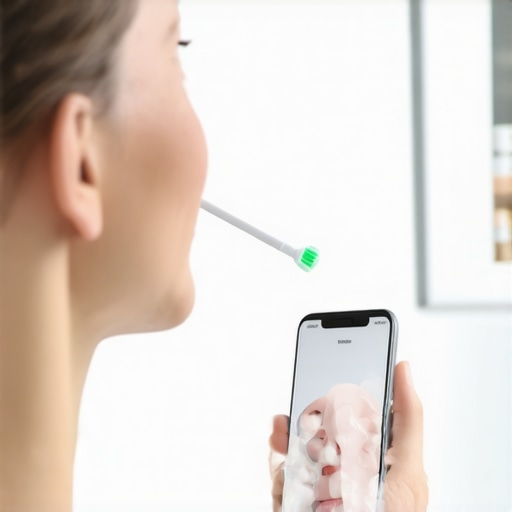
Emerging innovations, such as app-connected toothbrushes and AI-powered dental sensors, are transforming long-term dental care. These devices can monitor brushing patterns, measure plaque levels, and even notify you when it’s time for a professional cleaning. Such tools are not only about convenience—they also empower you to take precise control over your oral health, ensuring best practices are followed consistently. Trend analysts project that this integration of technology will become the standard, making dental maintenance more effective and personalized than ever.
How do I keep my oral health routine working well over time?
The key is consistency combined with leveraging advanced tools that fit into your lifestyle. Regularly replacing brush heads and calibrating your devices ensures optimal performance. Scheduling biannual professional cleanings further solidifies your maintenance efforts, preventing the minor issues from escalating. Remember, an ounce of prevention is worth a pound of cure—staying vigilant today guarantees a healthier smile tomorrow. For additional inspiration, check out some common teeth cleaning myths and how to overcome them.
If you’re eager to take your routine to the next level, try integrating a smart toothbrush with an app for guided brushing. It’s a simple yet powerful way to ensure every session counts and your smile remains radiant for the long run.
What I Wish I Knew About Your Daily Habits and Smile Success
The biggest breakthrough for me was realizing that progress isn’t just about the appointments or the aligners—it’s about the small, consistent actions I took every day. I underestimated how much a forgotten floss or a late-night snack could set me back. That lightbulb moment taught me that mastering tiny habits can make or break your dental transformation. Remember, your routine isn’t just routine; it’s the secret foundation of your dream smile.
My Go-To Recommendations for Lasting Results
First, I swear by the best teeth cleaning practices and tools I could find. An electric toothbrush like the Oral-B Genius X helps me ensure every corner of my mouth gets attention, promoting smoother aligner movements. Adding a water flosser like the Waterpik Aquarius allows me to reach difficult spots after meals, keeping my mouth pristine and preventing setbacks. These tools, combined with routine check-ups, create a safety net for your smile journey.
Embrace Your Power: Your Smile’s Future Is In Your Hands
Remember, every small effort compounds into a beautiful, confident smile. Staying disciplined with your hygiene, diet, and regular dental visits can drastically cut down your treatment time. Your dedication now means fewer surprises later, and a smile you’ll love for years to come. Take control of your smile today and celebrate each step forward.
What’s been your biggest challenge in maintaining your Invisalign or teeth cleaning routine? Share your story below—your experience might inspire someone else to stay committed!