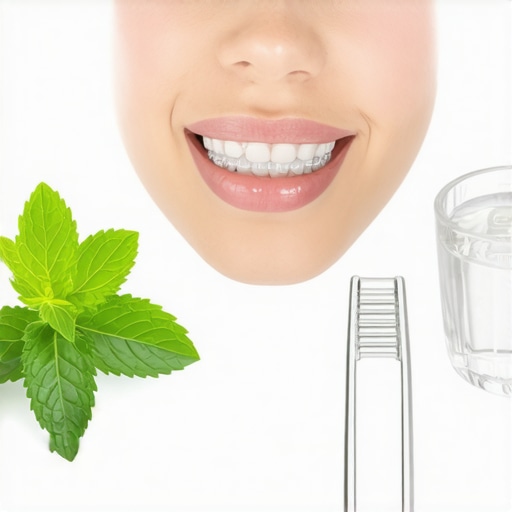

I’ll never forget that moment in the mirror—aiming to smile confidently at a social gathering, only to realize my breath was less than fresh. The culprit? My Invisalign trays had become a breeding ground for bacteria, and I didn’t even notice how much my hygiene routine had slipped. It was a lightbulb moment that made me deeply reconsider my daily habits and the importance of consistent cleaning, especially with clear aligners.
Why Fresh Breath Should Be a Priority in Your Invisalign Journey
Honestly, when I first started wearing Invisalign, I thought regular brushing and flossing would suffice. But I soon learned that Invisalign trays can trap food particles and bacteria more than I expected. According to the American Dental Association, poor hygiene with aligners can lead to bad breath, cavities, and even gum disease. Not exactly the results I was aiming for! So, I embarked on a mission to discover the best habits that keep both my breath and my smile fresh. If you’ve faced similar frustrations, you’re not alone—many experience the same challenge, especially as the trays accumulate buildup over time.
Is a simple rinse enough or am I missing out on big benefits?
One mistake I made early on was thinking that just rinsing my trays was enough. Trust me, it’s not. Skipping proper cleaning can turn your aligners into a bacteria hotspot. This mistake not only affects your breath but can also slow down your treatment progress. The good news? Small, consistent habits can make a huge difference. I found that incorporating dedicated cleaning routines significantly improved my breath and overall oral health. Want to learn how to avoid the common pitfalls and boost your confidence? Check out this guide on Invisalign for adults for more tips on maintaining your treatment effectively.
Now, let’s dive into the five habits I swear by to keep my breath fresh and my Invisalign trays in top shape. These routines are simple, realistic, and have truly transformed my experience—so you can enjoy a confident smile without the worry of odor or plaque buildup. Are you ready to take your oral hygiene to the next level? Because a fresher breath and a healthier smile might be just a habit away.
Start each day by rinsing your Invisalign trays under lukewarm water, just like rinsing a paintbrush to remove any leftover residue. I remember one morning when I rushed through my routine without proper cleaning—by midday, my trays looked cloudy and my breath was noticeably off. After that, I dedicated 30 seconds each morning to a thorough rinse, which kept my trays clear and my breath fresh all day. Regular rinsing prevents bacteria and plaque buildup, much like how washing wine glasses keeps them sparkling.
Next, gently brush both your teeth and trays with a soft-bristled toothbrush and a small drop of clear, unscented antibacterial soap. Avoid toothpaste, which can scratch the surface of your aligners—think of it as sanding a fine wooden surface. Once I used regular toothpaste accidentally, I noticed tiny scratches that trapped plaque, making my trays look dull. Switching to soap and a gentle brush kept my trays shiny and smooth, much like polishing fine china.
Once a week, soak your trays in a homemade solution of equal parts water and white vinegar for 15 minutes. This step is like cleaning patio furniture with a vinegar-based spray—it kills bacteria and removes stubborn stains. I once forgot this step and noticed a slight odor after a few days; after adopting weekly vinegar soaks, my trays stayed odor-free and pristine. Be sure to rinse thoroughly afterward to remove any vinegar scent, ensuring nothing dulls your smile’s sparkle.
Cut out foods and drinks that can stain or cling to your trays—think of your aligners as delicate artwork that needs protection. I learned this the hard way when I snacked on berries, leaving purple stains that took days of extra cleaning to remove. Always remove your trays before eating or drinking anything besides water. This keeps food particles, bacteria, and odors from forging an unwanted alliance inside your mouth, much like a gardener removing weeds to protect the flowers.
Use the original case or a dedicated travel container to store your aligners when not wearing them. This prevents accidental damage and keeps unwanted germs at bay—consider it as keeping delicate jewelry in a jewelry box rather than tossing it into a cluttered drawer. I once lost a tray because I left it on my nightstand, overgrown with dust and bacteria. Proper storage is security, ensuring your trays stay in top condition for your next wear session.
Even with diligent cleaning, visiting your dentist for professional cleanings every six months is vital. Think of this as taking your car for preventive maintenance; it keeps everything running smoothly. During a routine appointment, my dentist cleaned areas I couldn’t reach, removing tartar buildup that could have hindered my treatment. To boost your progress, consult your dentist about the best cleaning schedule and any additional tips for maintaining your smile’s health.
By locking into these tangible habits—daily rinsing, gentle brushing, weekly deep-cleaning, mindful eating, proper storage, and regular dental visits—you’ll transform your Invisalign experience into a confident journey. Keep your trays and breath in check, and your smile will reflect the effort you invest daily.
Many believe that effective teeth cleaning is just about brushing twice a day and visiting the dentist regularly, but there’s a deeper layer that often goes unnoticed. A common myth is that brushing harder cleans better; in reality, aggressive brushing can erode enamel and cause gum recession, which complicates whitening treatments and Invisalign outcomes. According to the American Dental Association, gentle but thorough brushing preserves tooth integrity while removing plaque effectively. When it comes to cosmetic dentistry, many assume that procedures are purely superficial, yet the truth involves understanding subtle nuances like the shape, contour, and how minor adjustments can significantly enhance overall harmony—details that trained cosmetic dentists master for optimal results.
An advanced mistake some make is neglecting the importance of proper enamel remineralization after whitening or bleaching treatments; skipping products with fluoride can leave teeth vulnerable to sensitivity and decay, defeating cosmetic goals. Expert advice suggests using remineralization gels post-procedure to maintain enamel strength. Moreover, many overlook the importance of comprehensive assessments before opting for Invisalign. While the device corrects alignment, the success hinges on understanding the oral environment, bite dynamics, and potential jaw issues—elements that require a nuanced evaluation beyond just crooked teeth. As highlighted by leading orthodontic specialists, overlooking these factors can lead to prolonged treatment or relapse.
This brings us to a critical question for the experienced reader: How can you incorporate advanced diagnostics into your dental routine to prevent common pitfalls? For instance, integrating 3D imaging or digital scans allows precise planning, reducing the risk of unforeseen complications. Studies show that utilizing such technology can improve treatment accuracy and speed—making your journey smoother and more predictable. For detailed insights on leveraging modern tools in Invisalign treatment, check out this resource on choosing the right aligners.
Remember, mastering dental health isn’t just about the routine; it’s about understanding and responding to these subtle nuances. Do you think you’ve been missing out on some of these advanced considerations? Share your experiences or questions in the comments. There’s always more beneath the surface when it comes to achieving that perfect, healthy smile.
Optimize Your Dental Maintenance with Trusted Tools
Maintaining optimal oral health, especially during treatments like Invisalign, requires more than just brushing and flossing. The right tools can make all the difference in ensuring long-term results and a flawless smile. Personally, I swear by my ultrasonic cleaner, which offers deep cleaning for aligners, removing stubborn plaque and bacteria more effectively than manual brushing. This device oscillates at ultrasonic frequencies, ensuring a thorough clean without damaging the material—perfect for keeping my trays crystal clear and odor-free. Regular use of such devices has profoundly improved my treatment experience.
Beyond ultrasonic cleaners, investing in a dental air polisher like the AirFloss allows me to reach difficult spots that traditional floss might miss. It uses microdroplets of water and abrasive particles to gently but effectively remove plaque, especially around brackets or aligners—an essential step in preventing cavities and ensuring clear trays stay pristine. When combined with a good quality electric toothbrush featuring pressure sensors, I can customize my brushing to avoid overzealous scrubbing, which can harm enamel and gums. This combo helps me maintain a gentle yet effective regimen, reducing sensitivity and avoiding unnecessary wear.
What tools will make your long-term dental care easier?
Looking ahead, the trend points toward smart dental devices, integrating Bluetooth connectivity with apps that monitor your brushing habits and suggest improvements. Imagine having a toothbrush that tracks your pressure and timing, providing real-time feedback. This technology ensures you’re not just brushing longer but smarter, optimizing plaque removal without overdoing it. Such innovations are already becoming affordable and accessible, paving the way for more personalized oral health management.
To ensure these tools genuinely benefit your routine, select products endorsed by veteran dentists or based on peer-reviewed studies. For example, the latest research emphasizes the importance of using ultrasonic cleaning as part of a comprehensive hygiene protocol when wearing aligners. Don’t hesitate to invest in high-quality equipment—your smile is worth it.
How do I maintain tool efficacy over time?
Keeping your dental tools functioning optimally requires regular cleaning, adherence to manufacturer guidelines, and timely replacement. For instance, toothbrush heads should be replaced at least every three months, while ultrasonic cleaners need occasional descaling to prevent mineral buildup. Setting a monthly maintenance check helps ensure your tools continue providing maximum benefit, which in turn sustains your treatment progress and oral health. Remember, as technology advances, newer tools may offer even greater efficiency—so staying informed on innovations like AI-powered brushing devices can be a game-changer.
Start integrating at least one of these advanced tools into your routine today. For example, if you haven’t used an ultrasonic cleaner, give it a try — it’s a small investment with big long-term benefits in fight against bacteria and plaque. An improved toolset not only accelerates results but also makes daily care more manageable and effective. Want more personalized recommendations? Visit our contact page to consult with a dental professional about tailored solutions for your needs.
What I Wish I Knew About Lasting Results in Dental Care
One of the most eye-opening lessons I learned is that the true success of your dental journey depends on more than just routine cleaning—it’s about consistency, mindfulness, and understanding the deeper aspects of oral health. I once believed that once I practiced good habits, my smile was set for life. But I realized that small, daily adjustments—like paying attention to how I store my trays or choosing the right tools—made all the difference. My lightbulb moment was recognizing that investing in advanced cleaning tools and seeking ongoing education about cosmetic procedures could dramatically accelerate my results and boost my confidence. Remember, every step you take today builds the foundation of your future smile, and embracing continuous learning is the key to long-term success.