
Ever looked in the mirror after a hectic day and noticed that your tongue has a strange, whitish coating, and suddenly, a wave of embarrassment washes over you? I’ve been there more times than I’d like to admit. That gritty, cloudy layer on the surface of your tongue can make you feel self-conscious, especially when you’re about to meet someone important or post a selfie. What’s even more frustrating is that many of us ignore it, thinking it’s just a temporary thing or something we can’t control.
But here’s the honest truth: a white tongue isn’t something to dismiss lightly, and it can be a sign of various underlying issues, from minor dehydration to more serious oral health concerns. I used to brush it off as just part of life, but after a few embarrassing encounters and a lot of research, I realized that my white-coated tongue was telling me something. That lightbulb moment prompted me to dig deeper, and what I found was eye-opening.
Today, I promise to share exactly how you can effectively clean your tongue, understand what’s causing that white film, and—most importantly—how to prevent it from coming back. Whether it’s a simple trick or a tweak to your daily routine, I’ve got your back.
Why Your Tongue Turns White and Why It Matters
A white tongue results from an accumulation of dead cells, bacteria, and debris on the tiny papillae—those little bumps on your tongue’s surface. When these papillae become overwhelmed or inflamed, they trap more of the build-up, giving your tongue that fuzzy, white appearance. While this can often be harmless and linked to dehydration, poor oral hygiene, or smoking, it can also be a sign of conditions like oral thrush, dry mouth, or even certain systemic health issues.
Ignoring this change might lead to bad breath, taste disturbances, or more severe infections. In fact, many dental professionals emphasize that a clean tongue is just as important as brushing your teeth for overall oral health. Regular tongue cleaning can reduce the bacterial load, improve your breath, and promote a healthier mouth overall.
If you’re like me, you might have made the mistake early on of just scraping your tongue quickly with your toothbrush, thinking that’s enough. But that’s often not effective and can even cause irritation. For detailed insights on how regular care can boost your oral health at any age, you can check out this resource. [Learn more about teeth cleaning secrets and how they can help you maintain a healthy smile](https://smilezdentist.com/teeth-cleaning-secrets-how-regular-care-boosts-oral-health-at-any-age).
In the next section, I’ll walk you through simple, practical steps to thoroughly clean your tongue and keep that stubborn white coating at bay. Trust me, once you get into the routine, you’ll wonder why you didn’t start sooner.
Scrape Your Tongue Regularly for Better Hygiene
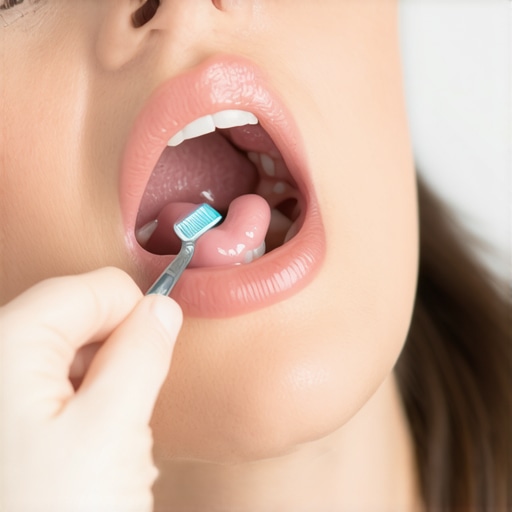
Start with a gentle tongue scraper or a soft-bristled toothbrush. I once used a dull spoon because I didn’t have a scraper handy, and it worked surprisingly well. Gently hold the scraper at the back of your tongue and pull forward to remove the white coating, then rinse and repeat. Doing this twice daily can significantly reduce bacteria and prevent that unwanted white film from returning.
Use Proper Technique to Avoid Gagging
Many people gag when cleaning the back of their tongue. To avoid this, start with only a small section and gradually work further back as your comfort grows. Take slow, deep breaths during the process. When I first began, I would get the urge to gag, but after relaxing my throat and pacing myself, I managed to clean thoroughly without distress.
Incorporate Salt Water Rinse as a Natural Aid
After scraping, rinse your mouth with a warm salt water solution. Mix a teaspoon of salt in a glass of warm water. This helps kill bacteria and soothe inflamed tissues. I found that doing this after cleaning left my mouth feeling cleaner and fresher. It’s a simple step that complements your routine without complicating it.
Maintain Consistency with Your Routine
Humidity and oral conditions vary, so sticking to a routine is key. Set specific times—morning and night—that become non-negotiable. I used to forget, leading to days of neglect, but now I associate tongue cleaning with my daily brushing, which keeps the white coating at bay and improves breath freshness.
Hydrate Adequately Throughout the Day
Dehydration often causes or worsens a white tongue. Drinking sufficient water hydrates your tissues and helps wash away debris. I noticed a difference when I increased my water intake; the need for aggressive cleaning lessened, and my tongue looked healthier.
Adjust Your Diet to Support Oral Health
Minimize sugary foods and drinks, which promote bacterial growth. Incorporate crunchy vegetables and fibrous fruits that naturally clean teeth and the tongue. I started adding apples and carrots to my snacks, and my tongue’s white coating became much less prominent.
Seek Professional Advice When Necessary
If the white coating persists despite diligent cleaning, consult a dentist. Persistent white patches could signal issues like oral thrush or other conditions that require medical attention. I had a minor candida infection once, which a quick visit confirmed; proper treatment cleared it up effectively. For tailored guidance, check out this contact page to find a trusted professional near you.
 Many individuals believe that cosmetic dentistry, like teeth whitening or Invisalign, will instantly grant them a perfect smile with minimal effort. However, this oversimplifies the reality and overlooks crucial nuances. For instance, a common misconception is that whitening treatments are permanent and require no maintenance, but in reality, factors like diet and oral hygiene significantly influence longevity. Overlooking these can lead to disappointment and unnecessary costs. Additionally, many think that Invisalign is merely about aligning teeth flawlessly, yet overlooking the importance of proper attachment placement and compliance can hinder results, as emphasized by experts in [advanced orthodontic practices](https://smilezdentist.com/invisalign-innovations-why-2025-is-the-year-for-a-perfect-smile).Maintaining a healthy, confident smile requires more than just daily brushing and flossing; it involves investing in quality tools and adopting effective routines. Personally, I swear by my ultrasonic toothbrush, the Philips Sonicare DiamondClean, for its superior plaque removal and gentle gum stimulation. Its sonic vibrations reach beyond the bristles, dislodging debris even in hard-to-reach areas, which traditional brushes often miss. Coupled with a tongue scraper like the Dr. Tung’s Tongue Cleaner, I ensure my oral hygiene routine targets bacterial buildup comprehensively, preventing issues like white-coated tongues or bad breath. Regular use of such tools enhances the longevity of treatments like Invisalign or whitening, ensuring they deliver results that last. Looking ahead, innovations like SMART toothbrushes that connect to mobile apps for real-time feedback are making personalized dental care more accessible, paving the way for smarter long-term maintenance. If you’re serious about your dental health, I recommend incorporating these advanced devices into your routine, starting today. For detailed guidance, check out this resource to learn how proper tools can transform your oral health journey.
How do I maintain my dental advancements over time? Take advantage of professional check-ups and periodic specialist cleanings, especially if you’ve undergone cosmetic procedures. Dentists can use tools like intraoral cameras to monitor subtle changes and catch issues early, saving you discomfort and costs later. Scheduling semi-annual visits ensures your investments—be it Invisalign, whitening, or dental implants—remain in optimal condition. Additionally, staying informed about evolving techniques through reputable sources, such as the latest research from the American Dental Association, helps you adapt your routine proactively. Remember, a well-equipped toolkit combined with expert oversight makes all the difference in achieving durable, radiant smiles. To find a professional who aligns with your goals, explore this guide. Now, challenge yourself to upgrade one aspect of your dental routine with a new tool or tech—your future self will thank you.Lessons That Changed My Smile Approach
One lightbulb moment was realizing that maintaining a beautiful smile isn’t about quick fixes but consistent, mindful routines. I learned that even high-tech solutions like Invisalign require diligent care—neglecting maintenance can compromise results. My biggest personal breakthrough was understanding that my oral health reflects my overall well-being, motivating me to stay committed. Lastly, I discovered that educating myself about cosmetic treatments helps set realistic expectations, making the journey more rewarding.
Tools and Resources That Transformed My Dental Care Routine
My go-to resource is this detailed guide on regular teeth cleaning, which emphasizes personalized routines. I trust the Philips Sonicare DiamondClean for its superior plaque removal, helping me maintain pristine whiteness. For understanding cosmetic options, this comprehensive overview clarified many misconceptions. Lastly, connecting with my local dentist through this contact page has been crucial for personalized advice and ongoing care.
Your Smile’s Potential Awaits
Every step towards better dental health is an investment in your confidence and happiness. Remember, achieving that radiant, healthy smile is a journey, not a one-time effort—embrace the process and celebrate each improvement. I encourage you to start today, whether that’s scheduling a check-up or upgrading your oral hygiene tools. Your future self will thank you for the commitment you make now, paving the way for a brighter, healthier smile that truly lasts.