
I remember the exact moment I realized I was doing it all wrong—brushing my braces like I was cleaning my gums, ignoring the tiny crevices and wires that kept my smile hostage. It was a frustrating, eye-opening experience, and I felt like I was losing the battle for dental hygiene despite daily efforts. That lightbulb moment pushed me to explore better techniques and routines, transforming not only my oral health but also my confidence.
Why Proper Teeth Cleaning Changes Everything When You Have Braces
Keeping your teeth clean with braces isn’t just about a brighter smile; it’s about preventing cavities, gum disease, and long-term dental issues that could turn a manageable situation into a costly nightmare. When I first got braces, I naively thought regular brushing would suffice. But I soon discovered that braces create nooks and crannies where plaque loves to hide, making thorough cleaning a challenge and increasing the risk of discoloration and decay.
Research shows that people with orthodontic appliances are twice as likely to develop plaque buildup if they don’t adapt their cleaning habits (source: Smilezdentist.com). That’s why mastering proper cleaning techniques isn’t optional—it’s essential for maintaining both your oral health and the investment you’ve made in your smile.
But let me ask you—have you ever felt overwhelmed trying to keep those brackets and wires spotless? Do you find yourself skipping days because the process feels too complicated or time-consuming? Trust me, I’ve been there, and I want to share what I’ve learned to make this part of your routine simpler, more effective, and even a little empowering.
Addressing the Skepticism: Is Special Care Really Necessary?
Early on, I made the mistake of underestimating the importance of specialized cleaning tools, thinking a simple toothbrush would do the trick. That misguided approach led to stubborn plaque, stubborn stains, and a lot of frustration. I soon realized that not all toothbrushes are created equal, and that using the right tools makes all the difference. If you’re skeptical about whether your current routine is enough, you’re not alone. Many people overlook how integral proper tools and techniques are for maintaining a healthy, beautiful smile with braces.
So, if you’re tired of feeling self-conscious about your teeth or frustrated with inconsistent results, don’t worry. We’re about to dive into proven methods that transformed my dental care routine—methods you can implement today to keep your smile radiant and healthy throughout your orthodontic journey. Ready to discover these game-changing tips?
Choose the Right Tools to Tackle Braces
Start with a soft-bristled toothbrush and an interdental brush. Think of it as using a gentle paintbrush to clean intricate artwork; the softer bristles reach tiny crevices without damaging wiring. I once used a stiff toothbrush out of habit, which caused gum irritation and wires to bend—lesson learned. Upgrading to the proper tools made a noticeable difference in plaque removal and comfort.
Implement Proper Brushing Techniques for Braces
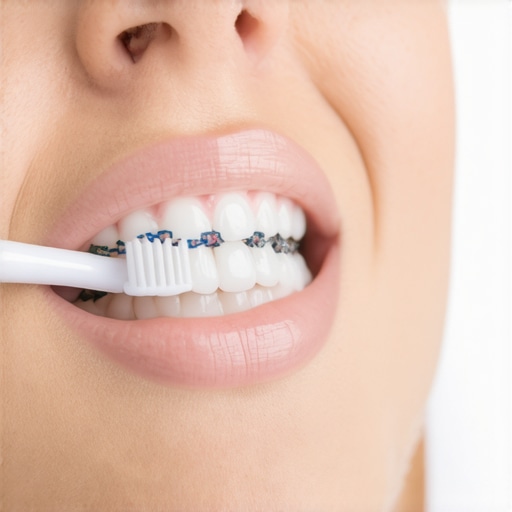
Hold your toothbrush at a 45-degree angle to your teeth and gently brush around brackets and wires in small circular motions. Imagine you’re polishing a detailed sculpture—you want to be thorough but gentle. I remember spending an extra five minutes meticulously cleaning each bracket, which initially felt tedious but ultimately kept my braces free of plaque. Step by step, this approach prevents cavities and stains.
Master Flossing with Aids Like Floss Picks or Water Flossers
Use floss picks to glide between teeth and wires, mimicking a delicate sewing needle. For stubborn areas, a water flosser can blast away debris with a gentle stream. I once skipped flossing and woke up to tender gums; after integrating daily flossing with my water flosser, my gums healed quickly, and my breath improved. Consistency is key—it’s like watering delicate plants regularly.
Pay Special Attention to Hidden Areas
Focus on the back molars and behind wires where plaque loves to hide. Use an interdental brush to clean around brackets, reminiscent of cleaning behind tight window shutters. I once discovered a tiny piece of food lodged between molars because I neglected this step, leading to discomfort. Regularly examining these spots prevents buildup and decay.
Integrate Routine Cleanings and Checkups
Schedule professional cleanings every six months. Think of your dentist as a craftsman—regular visits ensure detailed cleaning beyond your daily efforts. During my first cleaning, the hygienist used specialized tools to polish hard-to-reach areas, making my routine more effective. This step is vital for maintaining long-term health and catching issues early.
Maintain a Clean and Healthy Mouth Post-Cleaning
Rinse with a fluoride mouthwash to strengthen enamel and reduce bacteria. Be cautious with flavored rinses that contain alcohol; they can dry out your mouth. I learned that rinsing after brushing is like sealing a freshly painted surface—preserves cleanliness and protection. Proper rinsing completes your routine, ensuring a fresh, clean mouth every day.
 While many believe that cosmetic dentistry simply involves quick fixes like teeth whitening or veneers, the reality is far more nuanced. A prevalent misconception is that all dental procedures produce immediate results without considering the importance of proper aftercare and maintenance. In my experience, overlooking these details often leads to disappointment, even after expensive treatments. For example, some assume that Invisalign aligners require minimal effort beyond wearing them, but in truth, success hinges on diligent oral hygiene and adherence to the prescribed schedule.
Beware of Oversimplified Assumptions About Teeth Whitening
Many think that whitening results are permanent, but environmental factors like coffee, wine, and smoking can quickly reverse the benefits. Moreover, aggressive whitening treatments can sometimes damage enamel if not applied correctly. A study published in the Journal of Esthetic and Restorative Dentistry emphasizes that professional supervision ensures safer, more enduring whitening outcomes. So, don’t fall for the myth that cheap whitening kits deliver lasting results—quality and technique are vital.
Why Do Some Smile Makeovers Fail Despite Expert Procedures?
One common trap is neglecting the subtle nuances of individual oral anatomy. Every patient’s teeth and gums have unique characteristics, and a one-size-fits-all approach won’t produce natural-looking results. For instance, upgrading your smile with veneers or Invisalign without understanding the underlying bone structure and gum tissue can lead to uneven or unnatural outcomes. Top cosmetic dentists consider these factors carefully, utilizing advanced imaging to customize treatments. To learn more about achievable transformations, check out trends in cosmetic dentistry, which highlights the importance of personalized planning.
Pick Your Dentist Wisely: The Hidden Factor in Success
Many patients underestimate the significance of selecting a highly skilled professional. A general dentist offering quick fixes may not achieve the seamless results that an experienced cosmetic dentist provides. For example, precise enamel shaping and gum contouring require specialized training and artistic judgment. Failing to do due diligence can result in a smile that looks unnatural or requires revision—costing both time and money. Always review before-and-after photos and seek recommendations from trusted sources; high-quality results are worth the extra effort. Want tips on finding top cosmetic dentists? Visit how to find a top cosmetic dentist for your needs.
How Can You Maximize the Longevity of Your Invisalign Investment?
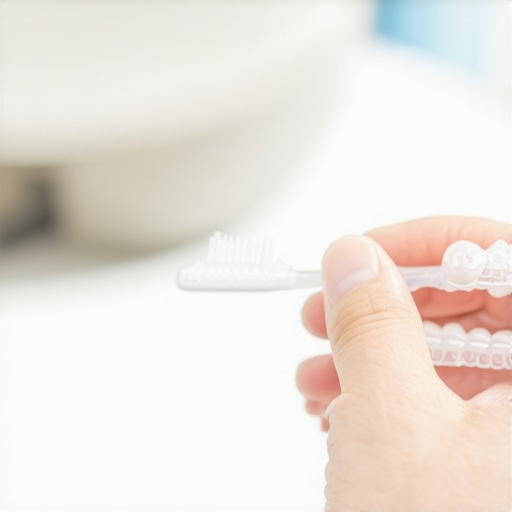
Beyond adhering to wearing schedules, proper cleaning is often overlooked. Many think that rinsing aligners or brushing them lightly suffices, but neglecting thorough cleaning can lead to bacteria buildup, bad odors, and even staining. Using specially designed cleaning tablets or brushes—highlighted in expert Invisalign tips—ensures that your aligners stay discreet and healthy. Remember, maintaining your aligners isn’t just about aesthetics; it’s crucial for oral health and the effectiveness of treatment overall. Do you know the best cleaning methods for aligners? Let me know in the comments.Maintaining the results of your cosmetic dentistry or Invisalign treatment requires more than just good intentions; it demands the right tools, consistent routines, and a proactive mindset. Over the years, I’ve refined my approach to dental maintenance, relying on specific equipment and practices that ensure lasting health and aesthetic appeal. Let me share what truly works for me—and what I recommend for sustained oral excellence.
Invest in Quality Oral Hygiene Tools for Optimal Results
First and foremost, a high-quality, soft-bristled electric toothbrush has been transformative in my routine. I personally use the Oral-B Genius X because its oscillating-rotating technology effectively dislodges plaque without damaging enamel or irritating gums. It features multiple cleaning modes tailored for braces and sensitive areas, which makes daily care more efficient. Manual toothbrushes, while affordable, often lack the precision needed for complex dental setups like Invisalign or veneers. By upgrading, you’re investing in long-term maintenance that saves time and prevents costly repairs.
Incorporate Specialized Accessories for Hard-to-Reach Areas
In addition to a good toothbrush, I use interdental brushes designed specifically for braces—such as the TePe Interdental Brush. These tiny tools easily clean around brackets, wires, and behind molars where traditional brushes can’t reach. I keep a pack handy and use them nightly, which has drastically reduced plaque buildup. Incorporating these into your routine elevates your cleaning efficacy and preserves the integrity of your cosmetic work.
Leverage Digital Tools to Monitor Your Progress
Technology has made it easier to stay on top of dental health. Apps like Dental Monitoring allow remote check-ins with your dentist, ensuring your maintenance routine remains on track. I use a combination of tracking apps and periodic virtual consultations, which helps catch issues early and adapt my care plan. Regular monitoring not only maintains results but also demonstrates proactive engagement in your health journey.
Follow Proven Techniques to Keep Your Smile Bright and Healthy
Effective maintenance involves more than tools; I practice oil pulling with coconut oil twice a week to reduce bacteria, and I swap my toothpaste for a fluoride-rich, whitening variant recommended by top dentists. Remember, consistency is key—skipping routine care can undo months of progress. For detailed insights, check out Invisalign maintenance tips.
How do I sustain my dental improvements over time?
Long-term success comes from integrating these tools and habits into daily life. Scheduling professional cleanings every six months, as advised in regular care guides, ensures thorough removal of plaque and early detection of issues. Also, investing in a custom-fitted night guard if you grind your teeth can protect your investments from undue wear or damage, especially when you’re sleeping soundly—often the most vulnerable period for unnoticed damage.
In the pursuit of perfect, long-lasting smiles, many overlook that technology and technique are continually evolving. Future trends suggest that AI-powered diagnostic tools and smart toothbrushes will become even more personalized, enabling dentists and patients to collaborate on maintenance like never before. It’s an exciting prospect, but for now, having reliable tools and disciplined routines remains paramount.
Don’t hesitate to try the latest tip I swear by: integrating an interdental brush into your nightly routine. It’s a game-changer for keeping braces and aligners in tip-top shape and ensuring your investment pays off for years to come. Ready to elevate your dental care? Visit our contact page for expert guidance tailored just for you.
The Surprising Truth About DIY Dental Hacks
Early in my journey, I believed that using over-the-counter whitening kits or skipping routine cleanings wouldn’t matter much. Turns out, there’s a fine line between convenient shortcuts and long-term damage. I learned that quick fixes often lead to more complex problems down the road, making it essential to rely on expert advice and proven tools, especially when dealing with braces or Invisalign. Trusting the process and investing in quality care yields results that last, saving you both money and stress.
Discover the Tools That Transformed My Routine
The real turning point came when I upgraded to a soft-bristled electric toothbrush and integrated interdental brushes into my nightly routine. These tools specialized for braces and aligners make cleaning effective and less frustrating. I couldn’t believe how much easier maintaining my smile became, and how much healthier my gums looked when I stopped using generic brushes. Remember, your toolkit can significantly influence your dental success.
The Power of Consistency and Mindful Maintenance
There were days I felt tempted to skip steps or rush through my routine. However, establishing consistent habits—like morning brushing, nightly flossing with aids, and routine checkups—created a cycle of care that kept my smile on track. It’s like exercise; progress isn’t instant, but steady effort brings lasting rewards. Think of your routine as a shield that protects your investment in your smile’s future.
Elevate Your Care with Personal Touches
Incorporating mindful practices such as oil pulling or using mouthwash tailored to my needs made a noticeable difference. These small adjustments compounded over time, reducing sensitivity and freshening my breath. I found that personalized care routines, aligned with expert guidance, empower you to take control of your oral health rather than feeling helpless against stubborn plaque or stain buildup. It’s about making your smile a priority every day.
Investing in Knowledge Beyond Routine
Beyond tools and habits, I immersed myself in reputable resources that explained the science behind cosmetic dentistry and Invisalign innovations. Knowing why specific treatments work or why certain habits matter turned routine maintenance into a mindful, satisfying process. For instance, reading about upcoming trends like laser gum contouring or new whitening techniques kept me inspired and eager to adopt safer, more effective methods. Continuous learning fuels confidence and better outcomes.