
I was sitting at my best friend’s wedding reception, trying to look composed, but all I could feel was a jagged piece of sourdough crust lodged deep in my gums. It felt like a mountain. In a moment of sheer desperation, I ducked into the bathroom, unpinned my boutonniere, and used the sharp end of the safety pin to go fishing. One slip later, I wasn’t just dealing with bread; I was dealing with a puncture wound and a future dental bill. It was a classic mistake—impatient, risky, and totally unnecessary. We’ve all had those moments where our reflection in the mirror becomes a battlefield, and any sharp object looks like a valid weapon of war. But today, I want to talk about why that safety pin is actually the most dangerous tool in your house when it comes to your smile. I learned that day that being a helpful neighbor to yourself means putting down the metal and reaching for the right tools.
Your Sewing Kit Has No Business Near Your Smile
[image_placeholder] The reality is that your gum tissue is incredibly delicate, almost like silk. When you use a metal object like a safety pin, you aren’t just aiming for the food; you’re inviting a host of complications into your mouth. Metal is hard, unforgiving, and rarely sterile. I learned the hard way that a quick fix can lead to weeks of discomfort and a very expensive visit to the professional chair. If you’re constantly finding things stuck, it might be time to look into maintaining your teeth cleaning routine for long-term health rather than performing amateur surgery on your own face. I used to think I could just pick and go, but your gums remember every single insult you throw at them.
Is a tiny scratch really going to cause a disaster?
You might think you have the steady hands of a surgeon, but your mouth is a different beast entirely. The American Dental Association (ADA) notes that using non-dental tools like pins, paperclips, or toothpicks can easily lacerate the gingival tissue, creating a direct highway for bacteria to enter your bloodstream. Unlike professional tools, a safety pin can have microscopic burrs that tear at the gum line. I remember thinking I was being careful, but I still ended up with a furry feeling in my mouth from the inflammation that followed my little stunt. If you’ve ever wondered why your teeth feel furry only four hours after cleaning, imagine what an actual injury does to that oral environment. It’s not pretty. Instead of reaching for the metal, there are far better ways to handle the best way to handle a stubborn popcorn kernel stuck under your gum that won’t leave you in the emergency chair. I spent years ignoring the warnings until a simple piece of trapped popcorn turned into a localized abscess because I used a handy tool. Trust me, the convenience isn’t worth the risk of how regular teeth cleaning can prevent major dental issues becoming a mandatory part of your life because of one bad decision. Have you ever been so frustrated by a stuck snack that you reached for something you shouldn’t have? I’d love to hear your stories in the comments below—let’s learn from each other’s mishaps.
Flush it out before you start digging
The first rule of home dental surgery is to stop reaching for the metal and start reaching for the tap. Think of your mouth like a delicate garden; you wouldn’t use a backhoe to move a single pebble. Instead, start with a warm salt water rinse. This acts like a gentle fire hose, loosening the debris without disturbing the peace. Swish aggressively—not just a polite gargle—to create enough hydraulic pressure to dislodge the culprit. If that doesn’t work, you might be tempted to use your fingernails, but remember that teeth cleaning secrets how regular care boosts oral health at any age always prioritize non-invasive methods first. I once spent twenty minutes swishing salt water after a steak dinner, and while I felt like a human fountain, that stubborn fiber finally floated free without a single scratch on my gums.
Master the dental lasso technique
If rinsing fails, it is time for the dental lasso—also known as floss. Most people snap the floss straight down into their gums, which is exactly how you cause a laceration. Instead, curve the floss into a “C” shape around the tooth. This distributes the pressure and allows the thread to slide under the gumline where the food is actually hiding. If the floss itself gets stuck, don’t panic and pull upward; learn the safest way to remove a stuck piece of dental floss by letting go of one end and pulling it through sideways. I remember a panicked Tuesday night where I thought I’d have to live with a string hanging out of my mouth forever because I pulled too hard. Sliding it out horizontally saved me from a very embarrassing emergency visit.
Turn your faucet into a precision tool
For those truly stubborn bits, a water flosser is your best friend. It provides a targeted stream of pressurized water that can reach deep into pockets where traditional floss might shred. However, there is a learning curve. I remember the first time I bought one; I turned it on full blast while looking in the mirror and ended up drenching my bathroom rug and my cat. It was a disaster, but it worked. To avoid the mess, lean low over the sink and keep your lips slightly closed. If you are new to the device, figuring out how to stop your gums from bleeding when you use a water flosser usually starts with lowering the pressure setting until your tissue toughens up. 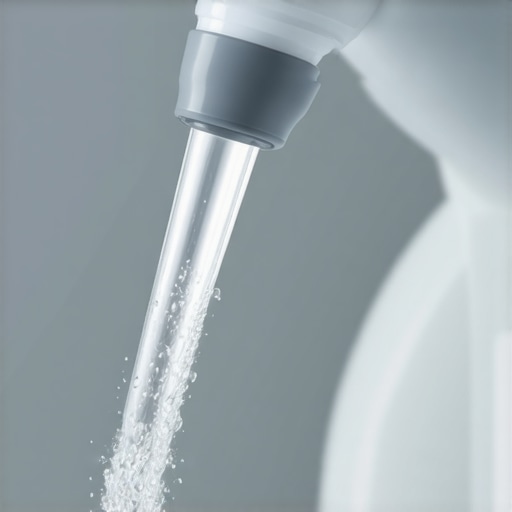
When to wave the white flag and call a pro
There comes a point where DIY methods are just dangerous. If you feel throbbing, see significant swelling, or notice a foul taste, the object might have already caused a small infection. This is the moment to stop. Poking a potential abscess with even a clean toothpick is like poking a hornet’s nest. Instead of risking a permanent scar or tooth loss, focus on choosing the right dentist expert tips for your best smile journey to find someone who can handle the extraction professionally. I’ve learned that a modest office visit is much cheaper than the restorative work required when a simple home fix goes sideways. Your mouth isn’t a DIY project; it’s the gateway to your health, and sometimes the most actionable step you can take is admitting you’re out of your depth.
I used to think that the harder I scrubbed my teeth, the more ‘virtuous’ my dental health was. But here is the nuance most people miss: your enamel isn’t a kitchen tile; it’s a living, finite resource. There’s a common belief that charcoal pastes and aggressive scrubbing are the keys to a Hollywood look, but the reality is often the opposite. According to a study published in the Journal of the American Dental Association (JADA), high-abrasivity toothpastes can cause irreversible wear on the cervical area of your teeth, leading to permanent sensitivity. I’ve seen many people try to ‘sandpaper’ their way to a brighter smile, only to find that the grit test how to tell if your charcoal toothpaste is destroying your enamel reveals they are literally thinning their protection until the sensitive dentin is exposed. If you are noticing a change in color that won’t go away, it might not be a stain you can scrub; it might be your tooth’s interior showing through. #IMAGE_PLACE_HOLDER_C#
Why do my teeth look yellow near the gumline even after professional whitening?
This is the advanced question I encounter most frequently from those who take their oral care seriously. If you’ve been bleaching like crazy but still see a persistent band of yellow at the base, you’re likely seeing the exposed root surfaces or naturally thinner enamel near the gingiva. This is where understanding why your teeth look yellow near the gumline but white at the tips becomes a diagnostic tool rather than just a cosmetic frustration. The ‘oops’ factor here is trying to solve a structural thinning issue with a chemical whitening solution. Over-whitening a thin tooth doesn’t make it whiter; it makes it translucent or even grey. Sometimes the most sophisticated choice for cosmetic dentistry for discolored teeth your path to radiance is about adding material back, like composite bonding, rather than stripping more away.
Stop treating your aligners like a part-time suggestion
When it comes to Invisalign, the nuance isn’t just about the technology of the trays—it’s about the biology of the ‘rebound effect.’ People often assume that because aligners are removable, the twenty-two-hour rule is just a goal, not a requirement. However, what happens if you skip wearing your invisalign for just one weekend is a physiological setback that can add weeks to your treatment. Your teeth are kept in a state of ‘controlled looseness’ during orthodontic work, and the truth about why your front teeth feel loose on invisalign tray swap days is that the ligaments are actively remodeling. If you don’t provide the constant pressure of the tray, those ligaments naturally try to pull the tooth back to its original crooked position.
The hidden trap of the ‘Squeaky Clean’ feeling
We’ve been conditioned to think that if our teeth don’t feel like polished glass, they aren’t clean. While why your teeth feel like polished glass after a professional prophy cleaning is a sign of a job well done, trying to achieve that at home with excessive pressure is a mistake. Modern tools like modern teeth cleaning innovations that reduce sensitivity and boost results are designed to do the work for you. Pushing harder on your electric brush doesn’t remove more plaque; it just stalls the motor and irritates your gums. The real secret to long-term health is the frequency of disruption, not the force of the strike. Finally, many avoid enhancements because they think cosmetic work is ‘fake’ and fragile. But cosmetic dentistry myths debunked what you really need to know includes the fact that modern porcelain is often more durable than the enamel it replaces—if you maintain the foundation. Have you ever fallen into the trap of thinking you could ‘scrub’ your way to a whiter smile? I’d love to hear about your experience in the comments below.I’ve moved past the ‘manual brush and a prayer’ phase of my life, and frankly, my gums have never been happier. The shift from basic maintenance to high-tech optimization changed everything for me. Now, I swear by the Philips Sonicare ProtectiveClean 6100. I chose this specific model not because of the branding, but because it includes a pressure sensor that pulses the moment I start acting like a caveman. It forces me to be a better neighbor to my gingiva, ensuring I am maintaining your teeth cleaning routine for long-term health without the accidental self-inflicted trauma. These modern teeth cleaning innovations that reduce sensitivity and boost results aren’t just gadgets; they are precision instruments that do the heavy lifting so you don’t have to.
Blast the gunk away with ultrasonic waves
For my friends currently in the orthodontic trenches, let’s talk about the ‘cloudy tray’ problem. If you have ever wondered why your invisalign trays have a weird smell no matter how much you soak them, you need to stop scrubbing them with a toothbrush. I personally use a generic 42kHz ultrasonic cleaner—the kind people use for jewelry. It uses high-frequency sound waves to create microscopic cavitation bubbles that physically blast the biofilm off the plastic. This is truly the secret to keeping your invisalign trays perfectly clear for two weeks without micro-scratching the surface. According to a study published in the American Journal of Orthodontics and Dentofacial Orthopedics, ultrasonic cleaning is significantly more effective at removing bacteria from clear aligners than chemical tablets or manual brushing alone. It’s a total game-changer for invisalign maintenance expert tips for clear confident smiles that actually keep your breath fresh. 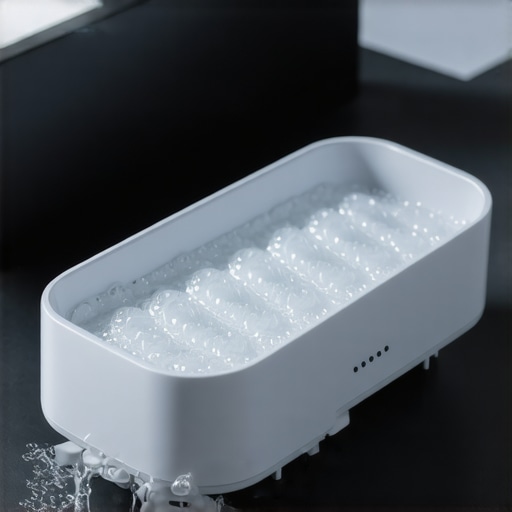
How can I keep my new smile looking fresh for years?
Maintenance isn’t just about the tools; it’s about the biology of preservation. If you’ve invested in the secret to a hollywood smile cosmetic dentistry insights, you have to treat your mouth like a luxury vehicle. I’ve found that using a water flosser with a dash of non-alcohol antimicrobial rinse is the only way to reach the margins of veneers or crowns where traditional floss might snag. If you find your the reason your new crown feels like a piece of popcorn is stuck is a persistent issue, it’s usually because of a tiny shelf of tartar that only a professional can clear. I predict that in the next five years, we will see the rise of ‘smart enamel’—bio-active coatings applied by dentists that actually remineralize your teeth while you sleep. We are already moving toward this with hydroxyapatite-based toothpastes, but the future is self-healing surfaces. For now, the best thing you can do is focus on how regular teeth cleaning can prevent major dental issues by being proactive rather than reactive. If you’re currently using an electric brush, I challenge you to try the ‘no-pressure test’ tonight—hold the brush with just two fingers and let the vibrations do 100% of the work. You’ll be surprised at how much cleaner your teeth feel without the force.
Why My Bathroom Mirror Is No Longer a Danger Zone
Reflecting on my own dental journey, the biggest ‘lightbulb moment’ was realizing that oral hygiene is not a test of strength. I spent years thinking that if my gums weren’t slightly sore, I hadn’t done a thorough job. The truth is that healthy tissue should never feel like it’s been through a battle. I’ve learned that patience is a far better tool than any piece of metal found in a sewing kit. When you stop treating your mouth like a DIY project and start treating it like a living ecosystem, the inflammation and ‘furry’ feelings start to disappear. I’ve also found that teeth cleaning myths debunked by top dentists often point to the same thing: we are usually our own worst enemies when it comes to over-cleaning and over-picking.
The Tiny Toolkit That Actually Works
If you want to move beyond the safety-pin era, I recommend three non-negotiable tools. First, a pressure-sensitive electric toothbrush is essential to prevent yourself from scrubbing away your enamel. Second, a high-quality water flosser will change how you handle trapped debris without the risk of lacerations. Finally, an ultrasonic cleaner for those of us with aligners or retainers is the only way to ensure invisalign maintenance expert tips for clear confident smiles stay relevant to your daily life. I trust these tools because they rely on physics—vibrations and water pressure—rather than manual force. Integrating modern teeth cleaning innovations that reduce sensitivity and boost results has saved me from at least three emergency dental visits in the last two years alone.
Your Teeth Deserve a Better Story
The future of your smile isn’t written in a single aggressive cleaning session; it’s written in the small, gentle choices you make every morning and night. We often forget that our teeth are meant to last a lifetime, and the best way to ensure that is by maintaining your teeth cleaning routine for long-term health with professional guidance rather than bathroom-mirror surgery. Don’t be afraid to put down the sharp objects and start fresh with a more mindful approach. If things feel out of control, remember that choosing the right dentist expert tips for your best smile journey can help you find a partner who understands your goals and helps you achieve them without the pain. Your teeth cleaning habits today are the foundation for the Hollywood smile you want tomorrow. Have you ever reached for a paperclip or a pin in a moment of desperation? Tell me your ‘oh no’ moments in the comments so we can all feel a little less alone in our dental mishaps!