
It was a typical Tuesday morning when I looked into the mirror and noticed my teeth looked a shade duller. I remembered the trendy charcoal toothpaste I’d recently started using, lured by promises of brighter, whiter teeth. But as I scrutinized my reflection, a unsettling thought hit me—was I damaging my enamel in the process? That lightbulb moment spurred me to dig deeper, unearthing facts that many don’t realize about charcoal toothpaste and its impact on our enamel health.
Why I Started Questioning Charcoal’s Brightening Promise
After a few weeks of using charcoal toothpaste, I noticed my teeth didn’t seem as gleaming as I once thought. Instead, I felt a slight sensitivity that I hadn’t experienced before. What many overlook is how abrasive certain whitening products can be, especially charcoal—popular for its supposed detoxifying benefits. It made me wonder: is this gritty powder truly safe for my enamel? Turns out, the answer isn’t black and white.
Research indicates that some charcoal toothpastes have abrasive levels that can wear down the enamel over time, leading to increased sensitivity and vulnerability to cavities (source: teeth cleaning myths debunked). My mistake early on was assuming all natural-looking products are inherently gentle. But in reality, knowing the abrasive index of your toothpaste is crucial for maintaining long-term enamel health.
Is Charcoal Actually Worth the Hype?
If you’ve wondered whether charcoal toothpaste lives up to its hype, you’re not alone. Many enthusiasts tout its ability to absorb stains and toxins, but the risks to enamel sometimes outweigh the benefits. Considering the right approach to whitening and cleansing is essential, especially when your smile is your signature. I’ll share practical, science-backed insights to help you make informed choices that protect your enamel while giving you that bright smile we all desire.
So, if you’ve ever nervously considered swapping out your regular toothpaste for that black, smoky alternative, ask yourself—are you risking your enamel for a quick fix? Keep reading. We’ll explore the truths, dangers, and safe alternatives to charcoal that can keep your smile shining without compromise.
Choose the Right Dentist for Your Invisalign Journey
Before diving into cleaning routines, selecting an experienced dentist is crucial. During my own search, I scheduled consultations with top-rated cosmetic dentists to assess their expertise in Invisalign. I asked about their training, success stories, and patient care approach, which helped me feel confident in their skills. Remember, a knowledgeable dentist will guide you through the best cleaning practices alongside your orthodontic treatment. For tips on making the right choice, visit finding a dentist who gets your smile.
Establish a Consistent Teeth Cleaning Routine
Developing a daily routine is essential for long-term oral health. I started brushing twice daily with a soft-bristled toothbrush and fluoride toothpaste. To tackle stubborn plaque, I incorporated gentle circular motions, similar to cleaning a delicate jewelry piece. Additionally, I used interdental brushes to reach between teeth, especially around my Invisalign aligners, mimicking the precision of a miniature cleaning brush. Regularity is key—skipping days allows plaque buildup, which can lead to staining or decay. For effective routine tips, explore maintaining your teeth cleaning routine.
Deep Clean Effectively Without Sensitivity
Deep cleaning can sometimes cause discomfort, but modern innovations reduce sensitivity. I opted for ultrasonic scalers that gently dislodge plaque without harming enamel. During my session, I experienced less discomfort, comparable to a gentle vibrating massage, thanks to advances in technology. Afterward, I applied a desensitizing gel recommended by my dentist, which acted like a shield, preventing post-cleaning pain. If you have sensitive teeth, consider teeth cleaning for sensitive teeth. Proper technique and modern tools make all the difference.
Manage Oral Care Between Visits
Maintaining good habits between dental visits ensures your smile stays bright. I adopted oil pulling with coconut oil—a natural technique that’s like a mouth rinse—reducing bacteria and freshening breath. Regular flossing around braces or aligners prevents plaque buildup, similar to sweeping away debris from a busy workspace. Using an antimicrobial rinse also added extra defense, like a protective barrier. This multi-layered approach maintains enamel integrity and prolongs cleaning results. Learn more at modern dental innovations.
Monitor Your Progress and Adjust
Staying vigilant about your dental health involves periodic checks. I took selfies of my smile weekly to observe subtle changes and shared them with my dentist for feedback. Keeping track helps identify early signs of issues like discoloration or sensitivity. If problems arise, adjusting brushing technique or incorporating products like enamel remineralizers—akin to strengthening a building’s foundation—can prevent future damage. Regular professional cleanings reinforce these habits, bolstering the results of your daily routine. Discover more on effective strategies at Invisalign maintenance tips.
Many think that choosing Invisalign means simply swapping braces for clear plastic trays, but the real nuance lies in understanding its limitations and how to optimize results. A common myth is that Invisalign is suitable for all cases; however, complex malocclusions often benefit from traditional orthodontics or other cosmetic procedures. Overestimating Invisalign’s capabilities can lead to dissatisfaction or prolonged treatment times. It’s crucial to consult with an experienced dentist who understands not just the mechanics but also the craziest traps of Invisalign, such as force map miscalculations that can cause root resorption—an issue highlighted in a 2023 study by the American Journal of Orthodontics. Understanding these nuances can save you from costly mistakes.
Are Short-Term Whitening Results Really Permanent?
Many patients expect their whitening to last forever, but this is a common misconception. Cosmetic dentistry, including veneers and whitening, requires maintenance and understanding that external factors like diet and habits influence longevity. For instance, bonding and veneers can stain just like natural teeth, making regular touch-ups essential. What’s often overlooked is that aggressive brushing or using abrasive toothpaste might dull the polish and shorten longevity. Striking the right balance between cleaning and preservation is essential; visiting your dentist for professional advice can guide you through the most effective routine, as discussed in teeth cleaning tips for a brighter smile.
Common Pitfalls in Teeth Cleaning—And How to Dodge Them
People often believe that more frequent brushing guarantees cleaner teeth, but overbrushing can damage gums and enamel, especially if done aggressively or with the wrong tools. Incorrect technique is a silent culprit, leading to gum recession and increased sensitivity. Conversely, neglecting professional cleanings allows plaque buildup that DIY methods can’t fully remove. Modern advances, like ultrasonic scalers, gently dislodge tartar without harming enamel, but only trained professionals can properly operate them. Don’t fall into the trap of thinking that at-home cleaning substitutes for professional care; regular visits are irreplaceable for maintaining oral health long-term. For tips on balancing routine and professional cleanings, visit modern teeth cleaning innovations.
In my experience, understanding these hidden nuances ensures that your dental treatments not only meet expectations but also protect your oral health for years to come. Remember, the devil is in the details, and a knowledgeable dentist is your best ally in navigating this complex landscape. Have you ever fallen into this trap? Let me know in the comments.
Keeping It Working: Tools That Make a Difference
To sustain the benefits of your cosmetic dental treatments and maintain optimal oral health, investing in the right tools is essential. I personally swear by a few specific items that have transformed my routine from good to exceptional. First, a quality electric toothbrush with pressure sensors, like the Phillips Sonicare ProtectiveClean, helps prevent overbrushing—an often overlooked cause of gum recession and enamel wear. The built-in timer ensures you brush for the recommended two minutes, maximizing plaque removal while protecting delicate tissues.
Next, interdental brushes tailored to your gap size, such as the TePe Extra Soft, have been game-changers for me, especially with Invisalign trays. They allow for thorough cleaning between teeth without damaging the enamel or gums, which is crucial when wearing aligners that can trap plaque if not properly maintained. Regularly using an antimicrobial rinse like PERIOGARD further helps reduce bacteria and prevent staining, especially when I indulge in stain-prone foods or beverages.
For managing sensitive teeth post-cleaning or whitening, desensitizing gels containing potassium nitrate can provide quick relief and safeguard enamel. I usually apply a small amount after brushing and before bedtime, which has notably reduced discomfort and preserved my results.
Lastly, a handy magnifying mirror with LED lighting allows me to inspect hard-to-see areas around my braces or veneers, ensuring I spot issues early before they escalate. This proactive approach aligns with the trend towards personalized dental care and helps catch minor problems before needing extensive procedures.
Looking ahead, the trend is moving toward smart, connected dental devices that sync with your smartphone, providing personalized feedback and reminders. This integration promises to make long-term maintenance more intuitive and effective, transforming how we care for our smiles daily.
Remember, combining these tools with a consistent routine and regular dental visits creates a robust foundation for lasting results. Curious to enhance your routine? Try integrating a high-quality interdental brush into your daily cleaning now — it’s a small change with a big impact!
What I Wish I Knew Before Going All-In on Charcoal
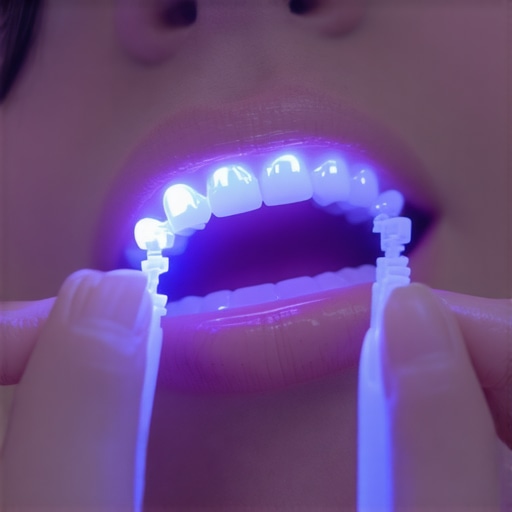
One of the hardest lessons I learned was that natural doesn’t always mean gentle. I believed that charcoal, being organic and trendy, was a safe choice for whitening. But I didn’t realize how abrasive it could be, slowly eroding my enamel and making my teeth more sensitive. This taught me to scrutinize the abrasiveness index of any whitening product before use, rather than falling for marketing hype.
The Surprising Value of Professional Guidance in Cosmetic Dentistry
Trusting an experienced dentist was a game-changer. It wasn’t just about choosing the right treatment but understanding the nuances—like how Invisalign requires precise force application and regular monitoring. My lightbulb moment was realizing that bespoke advice from a professional can prevent costly mistakes and long-term damage, emphasizing the importance of selecting someone who truly understands your unique smile journey.
How Small Adjustments Can Save Your Smile Long-Term
Routine adjustments, like switching to a softer toothbrush or incorporating interdental brushes, made a big difference. These tiny changes, based on research-backed techniques I discovered through credible sources, helped me maintain enamel integrity while achieving my cosmetic goals. It’s a reminder that consistency, combined with personalized tools, sustains results and promotes healthy aging of teeth.
Why Between-Visit Care Is a Hidden Treasure
My daily habit of oil pulling and using antimicrobial rinses added an extra layer of protection. I learned that these habits, when combined with professional cleanings, can significantly reduce the risk of staining, decay, and gum issues. It’s a lesson in proactive care—small daily actions can make the difference between a beautiful smile and ongoing dental struggles.
My Biggest Lightbulb Moment About Long-Term Results
I realized that maintenance is an ongoing process. Whitening, veneers, or Invisalign aren’t one-and-done solutions—they require dedication, periodic professional touch-ups, and mindful habits. Incorporating tools like a pressure-sensing electric toothbrush and regular flossing, supported by reputable resources I trusted, keeps my smile vibrant and healthy. It’s about creating a preventative mindset rather than just reacting to problems.
Elevate Your Smile Game: My Secret Arsenal
Investing in advanced tools like sonic toothbrushes, interdental brushes, and antimicrobial rinses transformed my routine. These aren’t just brands; they are strategic choices I trust based on expert recommendations. Combining them with consistent professional visits and good habits ensures my smile stays camera-ready. For those seeking to elevate their dental care, exploring credible sources and selecting quality products can be a game changer.
Your Turn to Shine Bright
Everyone’s smile journey is unique, shaped by choices, habits, and trusted guidance. I encourage you to reflect on your current routine—are there small adjustments or tools that could make a big difference? Remember, the path to a radiant, healthy smile is ongoing, but with the right knowledge and support, you can achieve lasting results. What step will you take today to better your oral health? Share your thoughts below!