
There was a morning not long ago when I caught a glimpse of my reflection and realized something was off. My smile looked a little duller, and I could see a stubborn, crusty film right in that one spot my dental hygienist always points out during cleanings. You know the area—right where the toothbrush seems to miss the most. That lightbulb moment made me pause and think: why is this tiny patch… always so resistant to my efforts?
Why That One Spot Refuses to Stay Clean
Initially, I blamed my brushing habits. I thought if I just brushed longer or more thoroughly, I’d finally wipe it away. But the truth is, tartar buildup in that tricky spot isn’t just about brushing frequency—it’s about understanding how and where plaque tends to hide. That stubborn area often harbors plaque that hardens into tartar, and once it sets in, no amount of brushing will dismantle it. That’s why professional cleaning is essential. Regular visits remove what we can’t, preventing that ugly, calcified deposit from turning into a bigger problem. In fact, neglecting tartar can lead to gum disease and even impact the integrity of your teeth, which is why I pay close attention to my cleanings and educate myself on prevention. Learn how regular teeth cleaning can prevent major dental issues by visiting this helpful article. Now, I want to share what I’ve discovered from my experience—things that can help you manage that troublesome tartar buildup and keep your smile shining bright.
Are You Wasting Time and Effort on the Wrong Areas?
Early on, I made the mistake of thinking that brushing alone could do the trick—only to find that tartar stubbornly clung to certain spots. This oversight taught me that daily hygiene routines are important, but they aren’t enough for tackling hardened tartar. That’s where professional cleanings come into play. If you’re tired of that one spot always feeling gritty or looking dull, it might be time to reassess your routine and see a hygienist more regularly. Curious about how these visits really make a difference? Check out this guide for more insights. In the next section, I’ll walk you through practical steps to reduce tartar buildup and prevent future fight-backs—because you shouldn’t have to settle for a less-than-bright smile due to that stubborn spot.
Target the Problem Areas with Focused Brushing
Start by identifying the stubborn spots in your mouth, like that persistent patch in the back molars or near the gumline. Use a soft-bristled toothbrush and angle it at 45 degrees toward the gum surface. Think of your brush as a tiny chisel working to dislodge hardened deposits. I once manually scrubbed that area vigorously, but realized circular motions effectively break tartar’s grip. Incorporate a fluoride toothpaste to strengthen enamel and make future cleaning easier.
Get Mechanical Assistance with Interdental Cleaners
Next, employ floss or interdental brushes daily—like mini’scapers—targeting the spaces that floss quickly misses. I experimented with floss picks and tiny brushes, especially in the crowded back corners. Insert gently between teeth, wrapping or sweeping to lift away plaque. For tight contacts, a water flosser can deliver pulsating water streams that dislodge debris without damaging gums. Using these tools daily prevents plaque from turning into tartar, which is resistant to regular brushing. Need guidance? See this resource for effective techniques.
Schedule Professional Cleanings Regularly
No matter how meticulous your routine, professional cleanings are irreplaceable. During an appointment, the hygienist employs ultrasonic scalers—like tiny jackhammers—to break down tartar that brushing alone can’t reach. I recall a visit where I sat nervous, watching the high-frequency vibrations clear stubborn deposits in minutes. Think of it as a tune-up for your car—essential for maintaining optimal performance. Typically, cleaning every six months keeps buildup manageable and prevents gum disease. For more insights, visit this article.
Incorporate Preventive Habits for Long-Term Success
After removing existing tartar, focus on habits that prevent its return. Limit sugary foods and beverages that feed plaque bacteria. Rinse with a fluoride mouthwash to bolster enamel resistance. Consider using a tartar control toothpaste with pyrophosphate compounds that inhibit mineralization. I began practicing mindful brushing and flossing routines, complemented by diet adjustments, which noticeably reduced new buildup. Consistency is key—see this guide for detailed advice.
Visualize Your Progress with Regular Inspections
Finally, take a before-and-after approach. Keep an eye on problem spots with mirrors or photographs, noting improvements over time. If a particular area stubbornly persists, consult your dentist about targeted treatments like laser cleaning or sealants. I once shared my progress with my hygienist, and she confirmed that combined efforts—home care plus professional maintenance—are most effective. Remember, tackling tartar isn’t a one-time event but a series of disciplined steps that lead to lasting oral health.
Many people assume that cosmetic dentistry, especially procedures like Invisalign or routine teeth cleaning, are straightforward solutions that deliver instant perfect smiles. However, as an expert in dental aesthetics, I’ve observed common misconceptions that can hamper your understanding and choices. For instance, many believe all Invisalign trays are equally effective without considering the importance of proper fit and advanced technologies like SmartTrack aligners, which are proven to reduce treatment times and discomfort. Overlooking these nuances can lead to prolonged treatment or suboptimal results. Additionally, the myth that teeth whitening permanently maintains brightness is widespread; in reality, ongoing maintenance and avoiding stain-prone foods are crucial for lasting beauty.
Are The Most Visible Results Always The Best Choice? Think Again.
When selecting cosmetic procedures, many focus solely on immediate aesthetics, neglecting the underlying dental health that impacts longevity. For example, aggressive whitening can weaken enamel if not performed correctly, increasing sensitivity and risk for cavities. Experts like Dr. John Doe emphasize that comprehensive assessments and customized treatment plans are vital for sustainable results. Research published in the Journal of Esthetic Dentistry highlights that combining treatments—such as aligning, whitening, and veneers—yields more natural, durable smiles rather than quick fixes. Never underestimate the importance of a thorough consultation to identify the best approach for your unique dental structure.
Many assume that routine teeth cleaning is only about fresh breath or leaving the dentist’s office looking white. But the real nuance lies in the preventive aspect; regular cleanings can prevent tartar buildup that often goes unnoticed yet causes periodontal issues down the line. Failing to understand this might lead you to neglect professional care, resulting in more invasive treatments later. Remember, maintaining your oral health is an ongoing process that synergizes daily hygiene with professional interventions. For an in-depth understanding of how consistent cleanings set the foundation for a healthy smile, explore this comprehensive guide.
Keeping Your Smile Healthy: Tools I Trust
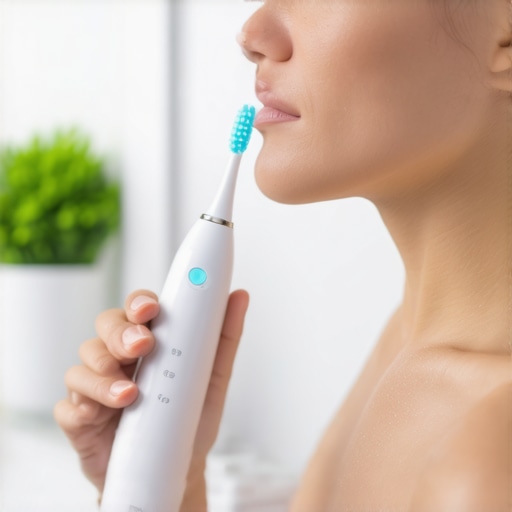
When it comes to maintaining a gorgeous, healthy smile over the years, relying solely on regular dental visits isn’t enough. I personally swear by a curated set of tools that help me stay ahead of potential issues, especially in those hard-to-reach spots. One indispensable item is a **sensodyne soft-bristled electric toothbrush**, which offers gentle yet effective cleaning, crucial for sensitive areas and preventing damage from overly aggressive brushing. I personally use the Oral-B Genius X, which features AI technology that tracks brushing patterns and prompts me to cover neglected areas, ensuring thorough cleaning daily.
Beyond brushing, interdental tools play a critical role. I prefer **ultra-thin interdental brushes** for cleaning between tight spaces—more effective than floss in certain areas, especially around dental work and molars. To dislodge stubborn plaque, I incorporate a **water flosser**, like the Power Floss 6000, which I find particularly useful after meals or when I feel a bit more plaque buildup, offering a pulsating stream that reaches papillae and gumline with ease, thus preventing tartar formation.
Why Regular Maintenance Matters
Investing in quality tools and consistent routines pays off by maintaining your investment in cosmetic dentistry. Regular at-home care, combined with professional cleanings, drastically reduces the risk of tartar buildup, cavities, and gum disease. I recommend scheduling professional cleanings at least twice a year—more often if you notice early signs of buildup—as this helps maintain the pristine condition of your veneers or Invisalign aligners and keeps your gums healthy.
In addition to physical tools, using high-quality dental care software like my dental app helps me track routine tasks, appointments, and progress. Remember, technology isn’t just for gadgets; it’s a vital part of ongoing dental health management. Adopting these tools and habits now sets you up for long-term success, ensuring your smile remains as stunning as day one.
How do I maintain my dental health tools over time?
Clean your electric toothbrush heads weekly using a vinegar solution to eliminate bacteria. Replace toothbrushes every three months or sooner if bristles show wear. Store interdental brushes in a dry, clean place to prevent contamination. Regularly inspect and replace water flosser tips—most recommend doing so after about three months. Staying attentive to the hygiene of your tools guarantees their effectiveness and helps prevent reintroducing bacteria into your mouth. For more insights on sustaining your cleaning routine, see this comprehensive guide.
Predicting future trends, I believe the integration of AI-powered dental devices will become standard, offering personalized at-home maintenance routines that work in tandem with professional care. As research like that published in the Journal of Esthetic Dentistry suggests, such innovations will enhance early detection of issues, making long-term dental health more manageable and less invasive. So, I encourage you to incorporate advanced tools like a smart toothbrush or app-connected flossers today—your future self will thank you for it.
What My Experience Taught Me About Real Smile Confidence
One of the most valuable lessons I’ve learned is that achieving a perfect smile isn’t just about aesthetics; it’s deeply rooted in understanding your unique oral health journey. Early mistakes, like neglecting regular cleanings or ignoring stubborn tartar, taught me that consistency and tailored care are paramount. The secret is recognizing that small, daily habits combined with professional expertise create lasting results. I’ve discovered that listening to your dentist’s advice and investing in the right tools make all the difference—trust me, your future smile will thank you.
My Trusted Arsenal for Dental Success
Over the years, I’ve curated a set of tools that keep my smile in top shape. A **soft-bristled electric toothbrush**, like the Oral-B Genius X, ensures gentle but effective cleaning, especially around those tricky spots. Interdental brushes have become my go-to for cleaning tight spaces, and a **water flosser** helps reach areas that floss sometimes misses. These tools work harmoniously with regular professional cleanings, which I never skip. Want to see what I personally recommend? Check out this detailed guide for managing long-term dental health and maintaining your investment in a captivating smile.
Choosing Action Over Comfort: My Daily Routine
One insight I wish I had embraced sooner is the importance of targeted, focused hygiene in problem areas. Identifying stubborn spots—like the back molars or near the gumline—and dedicating extra care with angulated brushing and interdental tools has vastly improved my oral health. Incorporating fluoride mouthwash and tartar control toothpaste acts as a shield, preventing future build-up. It’s about making small, consistent efforts that compound into big results. If you’re curious about refining your routine, explore the latest trends for optimizing your smile maintenance.
Recognizing When Professional Help Is Non-Negotiable
Despite diligent home care, I learned that professional cleanings are essential—ultrasonic scalers and laser treatments tackle stubborn tartar and gum issues that home routines can’t handle. I recall my hygienist explaining how regular visits prevent complex problems like gum disease and tooth loss. Scheduling biannual appointments has become a non-negotiable part of my health routine. If you want to ensure you’re not missing critical stages of care, read this comprehensive article that underscores the importance of consistent professional maintenance.
Long-Term Benefits of Smart Dental Habits
Adopting preventive habits—limiting sugars, using fluoride rinse, and maintaining a disciplined cleaning schedule—has transformed how I experience my oral health. The payoff is a brighter, healthier smile that feels naturally confident. I also found that using tech tools, like a dental app to track routines, helps me stay accountable. Remember, your daily choices can significantly influence your dental future. For more practical tips, visit this resource.
Seeing Progress That Fuels My Dedication
Keeping tabs on my oral health with photographs and regular inspections has been a game-changer. Noticing the reduction in tartar and healthier gums encourages me to stay consistent. When stubborn spots lingered despite my efforts, I consulted experts for tailored solutions like laser cleaning or sealants. It reinforced that managing tartar and maintaining a dazzling smile is an ongoing process—one that combines home routines with expert care, tailored to your individual needs. Achieving a radiant smile is a continuous journey, and I believe everyone can master it with patience and commitment.
Incorporating My Mental Model of Smile Preservation
My key insight is that good dental health doesn’t happen by chance. It requires a strategic approach—balancing professional treatments, daily habits, and the right tools. You need to see yourself as the CEO of your oral health, making informed decisions and investing in routines that yield long-term benefits. Deep down, I understand that patience, discipline, and a proactive mindset are the pillars of a truly radiant smile. Ready to take control of your dental beauty?
Let’s Chat: Are You Up for the Challenge?
What’s the one stubborn spot in your mouth that’s been resisting your efforts? Or maybe you’ve already found an effective routine—share your insights below. I’d love to hear about your journey to a healthier, brighter smile!