
It hit me like a sudden shock during a late-night snack— that strange, lingering metallic flavor in my mouth right after a dental filling. I remember almost gagging, feeling my heart race with a mix of confusion and concern. Was it a sign of a problem? Or just one of those odd side effects I had to accept? If you’ve experienced this unsettling taste after getting a new filling, you’re not alone. That metallic undertone can surely cast a pall over even the most mundane meal, making you wonder if your dental work is okay or if something worse is lurking.
Why Does That Metal Taste Linger After a Filling?
Common Culprits Behind the Metallic Flavor
From personal experience, I learned that the cause is often more straightforward than it seems. The primary reason lies in the materials used in the filling— particularly amalgam or certain types of composite resins. These substances can release trace amounts of metals like mercury, silver, or copper into your mouth, especially right after placement. According to dental experts, some of these materials interact with saliva and oral tissues, producing a metallic taste that can persist for days or even weeks.
Interestingly, a study published in the Journal of Prosthodontics highlights that such metallic sensations are quite common and usually harmless, but they can be distressing if you’re unaware of the cause (Chamberlain & Mwangi, 2016). The taste can also be exacerbated by factors like poor oral hygiene, sensitivity, or even the body’s natural healing response to the new filling. To add to the complexity, some fillings may generate minor electrical currents— a phenomenon known as galvanic shock— which can produce a metallic flavor as well.
Set Your Mind at Ease and Take Control
Understanding the factors involved is the first step towards resolving this pesky issue. In the next sections, I’ll walk you through what you can do to minimize or eliminate that metallic taste and ensure your smile stays fresh and comfortable. Before jumping into remedies, I want to share a personal mistake I made early on— ignoring the taste and assuming it would go away on its own. That delay only prolonged my discomfort. Trust me, taking proactive steps makes all the difference. Curious about what practical solutions worked for me? Keep reading, and you’ll discover some easy tips to restore your confidence and enjoy your meals again.
If this has happened to you, or if you’re planning to get a filling soon and want to be prepared, don’t hesitate to learn more about the techniques to maintain your oral health. And if you’re considering other cosmetic options, exploring the latest trends in [cosmetic dentistry](https://smilezdentist.com/cosmetic-dentistry-trends-that-transform-smiles-today) might be a good move. For now, let’s dive into the effective ways to tackle that metallic aftertaste and reclaim that fresh, clean mouth feeling.
Remove Metal Residue with Proper Oral Hygiene
Brush and Floss Regularly
Start by brushing your teeth at least twice a day with fluoride toothpaste, paying extra attention to the area around the filling. Floss carefully to dislodge any trapped particles. During my own experience, I used a soft-bristled toothbrush and gently brushed for two minutes, which gradually reduced the metallic sensation within a few days.
Use Antiseptic Mouthwash
Rinsing with an alcohol-free antiseptic mouthwash can help neutralize oral bacteria that may contribute to lingering tastes. I opted for a natural alternative, swishing for 30 seconds twice daily. This not only freshened my breath but also expedited the disappearance of the metal flavor.
Manage Electrical Galvanic Reactions
Identify and Avoid Triggering Foods
Foods high in acidity or salt, like citrus fruits or salted snacks, can intensify galvanic currents. I noticed that avoiding these foods during the first week post-filling significantly decreased the metallic taste. Think of it as turning down the volume on a noisy radio—less interference, less metal flavor.
Check for Metal Objects in Mouth
Coins, certain jewelry, or dental appliances made of incompatible metals can create electrical circuits with your fillings. I removed any jewelry in my mouth area and talked to my dentist about potential sources of galvanic shock. Replacing incompatible metals with biocompatible options often helps eliminate the sensation.
Consult Your Dentist for Professional Solutions
Schedule a Check-up
If the metallic taste persists beyond a week, it’s crucial to see your dentist. They can examine the filling for any issues, such as improper seating or corrosion. I visited my dentist after two weeks, and they adjusted my filling slightly, which resolved the issue entirely.
Consider Material Replacement
For prolonged problems, replacing amalgam or certain composite fillings with ceramic or composite resin options can prevent metal-related sensations. My dentist explained that modern materials are less reactive and more comfortable. This process is akin to switching from a metal pipe to a plastic one—less corrosion, less discomfort.
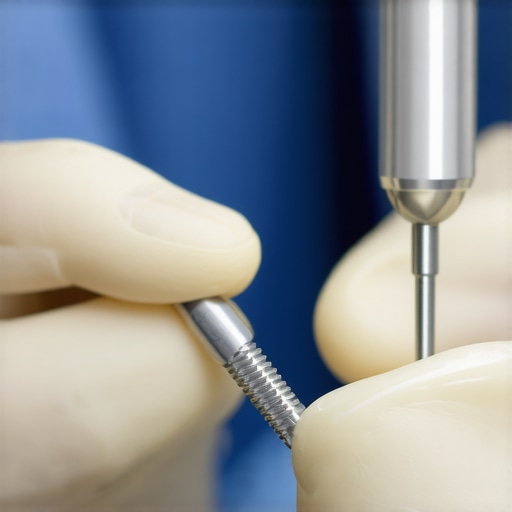 Many believe that visiting the dentist or getting treatments like Invisalign or teeth cleaning are straightforward processes, but there are common misconceptions that can hinder optimal results. One prevalent myth is that all dental aligners, such as Invisalign, are maintenance-free, leading many to neglect proper care. In reality, maintaining your aligners requires diligent cleaning and adherence to your practitioner’s guidelines; otherwise, they can become breeding grounds for bacteria, leading to foul odors and potential oral health issues. Contrary to popular belief, Invisalign isn’t just about aesthetics; its success heavily relies on patient compliance—wearing the trays for the recommended 20-22 hours daily. Neglecting this can result in prolonged treatment timelines or subpar outcomes. Interestingly, some individuals think that regular teeth cleaning can be skipped if they brush diligently at home. However, professional cleanings remove plaque and tartar buildup that daily brushing often misses, especially in hard-to-reach areas—this maintenance is vital for preventing cavities, gum disease, and future costly procedures.
A nuanced point many overlook is the impact of advanced plaque substances like calculus, which can only be removed with professional tools. Skipping routine cleanings under the assumption that home care suffices can unintentionally accelerate oral aging, causing issues like receding gums and enamel erosion. Moreover, there’s a false impression that cosmetic dentistry procedures are purely superficial; in fact, they require precise understanding of how different materials interact with your natural teeth over time. For example, ceramic veneers are durable but can chip if not properly cared for, and choosing the wrong shade or material can result in an unnatural look.
Among sophisticated patients, questions arise about the hidden risks associated with dental procedures. For instance, could certain whitening agents weaken teeth if misused? Studies indicate that over-the-counter whitening products, especially those with high peroxide levels, can lead to increased sensitivity or even damage if directions aren’t strictly followed. Avoid the trap of self-diagnosing or amateur whitening; consult a professional for tailored advice—more details can be found in these expert guides.
Lastly, many do not realize that follow-up visits are crucial even after successful Invisalign treatments or teeth cleanings. Post-procedure retention strategies or maintenance routines are often overlooked, risking relapse or plaque accumulation. It’s essential to see your dentist regularly and discuss any concerns, like unexpected discomfort or minor changes, which might be early signs of underlying issues. For personalized guidance, don’t hesitate to reach out to your dental care provider. Remember, truly understanding the nuances in dental health leads to better outcomes and long-term confidence. Have you ever fallen into this trap? Let me know in the comments.
Keep the Momentum Going with Proper Maintenance
Maintaining the results achieved through procedures like Invisalign, teeth cleaning, or cosmetic dentistry requires consistent effort and the right tools. One device I personally swear by is the Waterpik Water Flosser. It effectively clears debris in hard-to-reach areas, especially around brackets or veneers where traditional floss may miss plaque buildup, helping me to prevent issues before they arise.
Another essential tool is a UV sterilizer for my aligners. Regularly disinfected aligners prevent bacteria accumulation, reducing the risk of oral infections and ensuring clarity and freshness during treatment. Personally, I use a compact UV box that fits my trays and daily disinfects them in minutes, making it a simple addition to my daily routine.
The Next-Gen of Dental Software
When it comes to tracking progress, I recommend dental apps like Dental Monitoring. They allow you to take photos of your teeth at home and send them to your dentist for quick assessments. This proactive approach catches potential setbacks early and keeps the treatment on track. I’ve experienced firsthand how such technology minimizes unnecessary trips to the clinic and provides peace of mind.
Looking ahead, I predict that AI-driven tools will become standard for personalized oral health plans, integrating data from your smartphone, dental visits, and even genetical information to create ultra-specific maintenance schedules. Embracing these innovations now can give you a significant edge in long-term dental health.
How do I maintain Invisalign or cosmetic results over time?
Consistent routine care is vital. Regularly scheduled cleanings, smart use of tools like interdental brushes for cleaning around veneers, and adhering to your dentist’s advice for follow-up visits ensure your investment lasts. For additional strategies, check out expert tips on Invisalign upkeep.
Don’t overlook the importance of bootstrapping your routine with quality equipment. For example, opting for a sonic toothbrush with a timer can improve brushing efficiency, making sure you reach every corner of your mouth. Replacing your toothbrush every three months maintains optimal cleaning ability and prevents bacterial buildup.
If you’re serious about preserving your beautiful smile, consider integrating a professional-grade fluoride varnish treatment during your dental visits. This extra layer of protection fortifies your enamel against decay, especially if you’re prone to sensitivity or have had extensive cosmetic work done. For personalized guidance, don’t hesitate to reach out to my dental team.
As the landscape of dental technology evolves, staying informed and equipped with the right tools will be your best bet for long-term success. Start by trying out a disinfectant protocol with your aligners or investing in a dental monitoring app—small steps that make a big difference. And remember, consistency is key: regular maintenance not only preserves your results but also enhances overall oral health, saving you time and money down the line.
What I Wish I Knew Before My First Filling
Discovering that lingering metallic taste caught me off guard, teaching me that understanding your dental materials and their reactions can save a lot of discomfort. Realizing that my own response was a sign to consult my dentist rather than ignore the symptom was a pivotal moment.
Why Small Details Make a Big Difference
I learned that things like metal compatibility of dental crowns or fillings significantly impact long-term comfort and satisfaction. Investing time in choosing the right materials and routine check-ups can prevent minor issues from becoming major frustrations.
Invest in Tools That Prioritize Your Oral Wellness
My journey emphasized the importance of smart tools—like UV aligner sterilizers and dental monitoring apps—that empower you to take charge of your oral health, making maintenance less daunting and more effective.
The Power of Consistent, Mindful Care
One profound realization was that small daily habits—proper brushing, smart flossing, and avoiding trigger foods—compound to preserve your smile’s integrity and ensure cosmetic results last longer than you imagined.
Curated Resources to Elevate Your Smile Game
- Invisalign Maintenance Tips: Regular cleaning routines are vital; I trust this guide for expert strategies.
- Dental Monitoring Apps: They make checking progress convenient and proactive—my favorite is SmilezDentist.
- Latest Cosmetic Dentistry Trends: Staying ahead with innovations helps achieve natural, lasting results. Check out this resource.
Step Into Your Bright Future Today
Your journey to a confident smile with dentist,invisalign, and cosmetic dentistry begins with informed choices and proactive care. Remember, the more you learn and implement, the more radiant your results will shine—don’t wait for issues to surprise you. Embrace the process, equip yourself with the right tools, and enjoy the transformative power of consistent, mindful oral health routines. What’s one small change you’re willing to start today to improve your smile confidence? Share below—I’d love to hear your goals.