
It happened to me just last week. I sat in the dentist’s chair, expecting a routine cleaning, and suddenly, my gums started bleeding. Not minor little spots—more like a steady flow that made me freeze. Weeks of flossing, brushing diligently, and I still faced this startling surprise. If you’ve been puzzled by this, you’re not alone. Many people assume that bleeding gums during a cleaning are signs of neglect or poor oral hygiene. But here’s the thing—sometimes, the reason behind it isn’t what you think.
Decoding the Mystery of Bleeding Gums During Dental Cleanings
When I first experienced this, I felt embarrassed. I thought, ‘I do everything right; why is this happening?’ Turns out, there are underlying reasons that even meticulous flossers can encounter bleeding gums during professional cleaning sessions. The good news? Once I understood these triggers, I could take targeted steps to prevent it from happening again. Today, I want to share what I discovered so you won’t be caught off guard next time you visit your dentist.
Is Bleeding During a Cleaning Actually Harmful or Just Annoying?
This is the biggest concern many have—are bleeding gums a sign that something more serious is at play? The answer is nuanced. While minor bleeding can occur with inflamed gums, persistent or heavy bleeding may indicate gum disease or other dental issues. Early on, I made the mistake of ignoring minor bleeding, thinking my gums would heal naturally. That was a mistake. Regular professional cleanings are crucial for maintaining oral health, but understanding why bleeding occurs can help you address the root cause effectively. According to recent studies, untreated gum inflammation can lead to serious health problems beyond teeth, like heart disease. So, paying attention when it happens is essential.
Next, we’ll explore the common reasons behind this phenomenon and how to handle them so you can ensure your dental visits are both safe and effective.
,
Prepare Your Gums Before Your Dental Visit
Start with consistent oral hygiene habits, brushing twice daily with a soft-bristled toothbrush to minimize inflammation. Regular flossing removes plaque buildup, reducing gum sensitivity. I began flossing carefully a week before my appointment, which helped lessen bleeding during the cleaning. Using an antimicrobial mouthwash daily also lowers bacteria levels, making gums less prone to bleeding. For a step-by-step routine, consider consulting your dentist or hygienist for personalized advice.
Communicate with Your Dental Professional
Inform your dentist or hygienist about any gum issues or sensitivities beforehand. Clear communication ensures they can adjust their technique accordingly. For example, during my visit, I mentioned slight gum sensitivity, prompting the hygienist to use gentler scaling methods, which made the experience more comfortable. Don’t hesitate to ask questions about the tools or procedures—they can often modify their approach to protect delicate tissues.
Adopt Gentle Cleaning Techniques
Ultrasound scalers can be adjusted to lower vibrational intensity, reducing gum trauma. When I noticed my gums bleeding, I requested a softer setting, which resulted in less discomfort and bleeding. Modern technology, like *pulsed light plaque scans* available at many clinics, can target plaque precisely, minimizing tissue damage. Additionally, avoid aggressive brushing or flossing just before the appointment, as this can exacerbate sensitivity. Instead, gentle cleaning routines prepare your gums for professional care.
Post-Appointment Care to Minimize Bleeding
After your cleaning, rinse with salt water to soothe irritated gums. Apply gentle pressure with a clean cloth or gauze if bleeding persists. I learned to avoid hot foods and drinks immediately after, as heat can dilate blood vessels and prolong bleeding. Using an anti-inflammatory gel or natural remedies like aloe vera can also foster healing. Regularly maintaining good oral hygiene helps prevent gum inflammation, decreasing the likelihood of bleeding in future visits. For additional tips, visit this comprehensive guide.
Adjust Your Daily Routine for Better Gum Health
Incorporate interdental brushes or water flossers to clean hard-to-reach areas gently. Avoid smoking or excessive alcohol, as these irritants weaken gum tissues. Maintaining a balanced diet rich in vitamins C and D supports gum strength and healing. During my journey, adopting these habits significantly reduced my gum bleeding incidents, making dental visits smoother and less stressful. Consistency is key to long-term oral health improvements.
Stay Informed About Your Oral Health
Regular dental checkups help catch issues early, preventing severe gum disease. Additionally, staying informed about advances like cosmetic dentistry innovations can inspire proactive care for your smile. Remember, understanding the causes of gum bleeding and implementing these steps can empower you to maintain healthier gums and more comfortable dental visits.
Think You Know Everything About Cosmetic Dentistry? Think Again
Many patients walk into clinics convinced they understand the ins and outs of treatments like teeth whitening or Invisalign, but the truth is, misconceptions abound. A common myth is that all procedures are purely cosmetic; however, many offer functional benefits that extend beyond aesthetics. For instance, some modern cosmetic treatments can actually help correct bite issues or improve oral health, not just smiles. This nuanced understanding can help you make more informed decisions about your dental care, as highlighted in cutting-edge cosmetic dentistry trends.
Beware the Oversimplification: When Routine Teeth Cleaning Isn’t Just Routine
Many assume that teeth cleaning is just about removing surface stains, but the latest advancements reveal a deeper story. Techniques like pulsed-light plaque scans and bio-mineralization help detect and prevent issues like early cavities or enamel erosion before they become serious. Falling into the trap of viewing cleanings as purely superficial can delay essential preventative actions. The mistake here is neglecting the importance of the diagnostic aspects embedded within modern cleaning protocols. Don’t let this misconception hold you back from maximizing your oral health.
Invisalign Myths That Could Cost You More Than You Think
Many perceive Invisalign as a quick fix for crooked teeth, but the reality involves complexities that, if misunderstood, can jeopardize your results. For example, the concept of “wear time” is often underestimated; recent research emphasizes that adhering to the prescribed hours is crucial for optimal alignment. An advanced mistake is neglecting the importance of attachments and their precise placement—these tiny components have a profound impact on treatment success. The hidden nuance is that Invisalign is as much about patient compliance and understanding device mechanics as it is about the trays themselves. Don’t fall for the misconception that Invisalign is only about aesthetics; it’s a dynamic system requiring active engagement.
Are You Falling Into This Common Dentist Trap?
One of the most overlooked pitfalls is relying solely on your dentist’s routine without asking about the latest innovations. As dental technology evolves rapidly, some practitioners may still use outdated methods that compromise efficacy or comfort. For example, traditional scraping methods are increasingly replaced with oxygenated micro-bubbles or laser-based techniques that are gentler and more effective. The oops factor here is that assuming your dentist is using the latest technology can lead to missed opportunities for better care. Stay proactive: ask about advances and ensure you’re receiving treatments aligned with current standards.
In conclusion, peeling back the layers of common beliefs in cosmetic dentistry and routine care reveals a landscape rich with nuance and scientific progress. Be critical, stay informed, and challenge misconceptions—your smile and oral health will thank you. Have you ever fallen into this trap? Let me know in the comments.
Keeping Your Smile in Top Shape: Essential Tools and Methods
Once you’ve invested in cosmetic dental procedures like Invisalign or teeth whitening, maintenance becomes your best friend in preserving those results. Over the years, advancements in dental technology have provided us with innovative tools that are both effective and user-friendly. Personally, I swear by certain equipment and routines that make all the difference in ensuring that my smile remains bright and healthy long after the initial treatments.
One indispensable tool I’ve incorporated into my routine is the use of water flossers, like the Waterpik. Unlike traditional floss, water flosser devices provide a gentle yet thorough cleaning, reaching areas that are often missed. I use mine daily, especially after meals, to dislodge plaque in hard-to-reach spots, which helps prevent staining and gum inflammation. They are also excellent for those with sensitive gums or dental appliances such as Invisalign aligners, as they minimize irritation.
Complementing this, I utilize a dual-speed sonic toothbrush with customizable modes. These toothbrushes, like the Philips Sonicare, generate high-frequency vibrations that effectively disrupt plaque without aggressive scrubbing. I prefer a softer brush head and a gentle mode, which prevents gum recession and enamel wear—common pitfalls when cleaning with aggressive brushes. Regular use of a sonic toothbrush ensures that my teeth stay smooth and stain-free, prolonging my whitening results and preventing tartar buildup.
To keep track of my oral health, I also rely on app-connected dental monitoring systems. These smart devices sync with smartphone apps to provide real-time feedback on my brushing and flossing habits. I find that this technology encourages consistency and helps me identify trouble spots early, avoiding costly dental issues down the line. As research into smart dental tools progresses, I predict a future where personalized dental care via AI will become standard, offering tailored routines to maximize each patient’s long-term results.
How do I maintain my dental work over time?
Maintaining your cosmetic results requires more than just good oral hygiene—it involves a combination of proper tools, routine checkups, and adapting your habits. For instance, avoiding staining foods and beverages, like coffee or red wine, combined with using whitening-friendly toothpaste can help sustain a bright smile. Additionally, regular professional cleanings, ideally every six months, remove plaque effectively without damaging your dental investments. Exploring the latest innovations, such as the newest cosmetic dentistry trends, can also provide options to enhance longevity.
Remember, investing in these tools is a proactive approach to prevent issues before they arise. For example, using an anti-plaque bio-mineral sealant after cleanings, as detailed in recent studies, creates a protective barrier against future tartar accumulation. Incorporating advanced tools into your daily routine is a small step that yields significant long-term benefits—think of it as safeguarding your investment.
If you’re ready to upgrade your maintenance routine, try integrating a water flosser and a sonic toothbrush into your daily care regimen. These tools, combined with regular dental visits, will help you sustain that fabulous smile for years to come, just as they have benefited me personally. For more detailed insights on maintaining your teeth after cosmetic procedures, visit this guide.
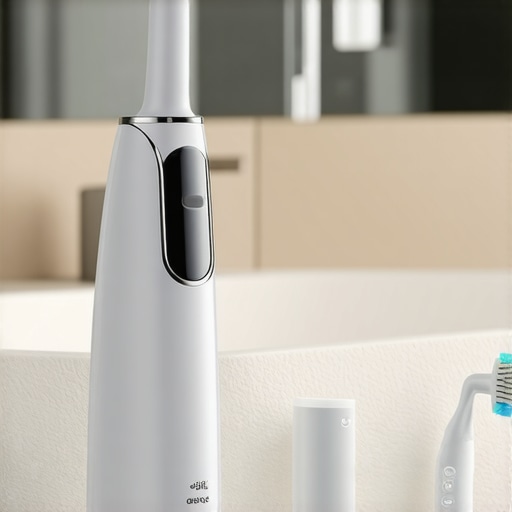
Image description: A close-up of a sleek water flosser and a sonic toothbrush on a white countertop, symbolizing modern oral hygiene tools.
What I Wish I Knew Before My First Bleeding Gums Encounter
Initially, I believed that bleeding gums during a cleaning meant I was neglecting my oral hygiene. However, I discovered that even the most diligent flossers can face this issue due to underlying inflammation or less obvious causes. Recognizing this helped me approach my dental visits with a proactive mindset, emphasizing communication and proper care rather than feeling embarrassed.
How My Perspective on Cosmetic Dentistry Evolved
I used to think treatments like teeth whitening or veneers were purely aesthetic. Now, I understand they often improve function and long-term oral health. This shift in mindset encouraged me to explore innovative solutions, such as advanced bio-mineralization techniques, which I found significantly beneficial in maintaining my results over time.
What I Learned About Staying Ahead with Dental Technology
Trusting that my dentist used the latest tools was a mistake. I started asking questions about modern procedures, like pulsed-light plaque scans and oxygenated micro-bubbles, which offer gentler and more effective cleanings. Staying informed empowered me to seek providers who incorporate cutting-edge technology, directly impacting my comfort and health outcomes.
My Lightbulb Moment: The Power of Personal Routine Adjustments
Incorporating tools like water flossers and sonic toothbrushes transformed my daily oral hygiene. These innovations help reach hard-to-access areas, reduce inflammation, and prolong cosmetic results. Recognizing that maintenance is an active process inspired me to stay consistent, making a real difference in my dental health and confidence.
Curated Resources That Changed My Approach
I recommend exploring topics like latest cosmetic dentistry innovations to stay ahead. Books such as “The Art of Smiles” provided valuable insights into holistic oral health. Trusted tools like Waterpik water flossers and Philips Sonicare toothbrushes are staples in my routine. Lastly, engaging with trusted dental blogs keeps me informed about emerging practices and technologies that can elevate my care.
Seize Your Smile Journey Today
Remember, understanding the complexities of dental health and embracing new technology can profoundly enhance your confidence and well-being. Don’t wait for issues to escalate—take control of your oral health now. By staying curious and proactive, you can enjoy a healthier, more radiant smile for years to come.
Which dental innovation or tip are you excited to try next? Share your thoughts below!
Comments are closed.