
I remember the moment I realized my gums would bleed only when I bit into a particularly crusty baguette at my favorite café. The crunch was satisfying, but the pinch of blood on my finger was a wake-up call. It wasn’t everyday bleeding—just this weird, specific situation. That lightbulb moment sparked my curiosity and led me down a path of understanding that changed how I approach my dental health.
Unlocking the Mystery of Bleeding Gums and Crunchy Breads
If you’ve ever experienced gum bleeding only when you’re biting into crispy, crusty foods, you’re not alone. It’s a perplexing problem that can make you wonder if your gums are just weak or if something more serious is happening. The good news? There’s often a straightforward explanation, and knowing what’s behind this can help you take steps to protect your smile and comfort.
For many, this specific bleeding points to an underlying issue like gum irritation or early stages of periodontal inflammation. When the gums are slightly inflamed or receded, certain textures—especially rough or crunchy foods—can cause minor trauma, leading to bleeding. I was surprised to learn that even slight gum sensitivity, often overlooked, can be triggered by the textured surfaces of crusty bread.
Another factor to consider is the health of your oral tissues. If your gums aren’t as healthy as they could be, eating hard or rough foods might inadvertently cause minor abrasions. Early mistakes I made included ignoring minor bleeding or brushing too hard, which can exacerbate the problem. If you’re experiencing this issue, it’s essential to explore it further with a dental professional.
And here’s a fascinating fact from the American Dental Association: Periodontal disease affects nearly half of adults over 30 in the U.S., often unnoticed until something like bleeding when eating crusty bread happens. This highlights the importance of regular dental check-ups and proper oral hygiene practices (source).
In this post, I’ll guide you through the common causes of this peculiar bleeding and, more importantly, how you can address it effectively. If this sounds familiar, keep reading. We’ll move beyond confusion into practical steps to help your gums stay healthy and your favorite foods remain enjoyable without worry.
Keep Your Gums Healthy with Proper Oral Care Techniques
First, recognize that minor bleeding often indicates inflammation or sensitivity. To address this, start by gently brushing your teeth twice daily with a soft-bristled toothbrush, much like soothing a delicate fabric—firm enough to clean, gentle enough not to cause harm (source). During brushing, use circular motions to avoid damaging your gums, similar to polishing a gemstone without scratching it. I once applied this technique on a hectic morning, focusing on gentle circles around my gum line, and gradually noticed less bleeding over a week.
Implement Targeted Flossing Methods
Next, integrate flossing into your routine with care. Use waxed floss and slide it gently between teeth, curving it into a C-shape around each tooth—imagine wrapping a soft ribbon around a delicate pipe. Pay attention to the gum line, where plaque buildup triggers inflammation. When I started flossing carefully, I noticed a significant reduction in bleeding, especially after meals with crunchy foods. Consistent flossing removes debris and reduces inflammation, preventing trauma during biting.
Refine Your Diet to Reduce Gum Trauma
Adjust your diet to favor softer, less abrasive foods temporarily. If crusty bread causes bleeding, try softer alternatives like well-soaked bread or steaming vegetables, similar to softening a hard-to-cut cheese before slicing. I learned this when I substituted my usual baguette with softer bread during a flare-up, which allowed my gums to recover without discomfort. Avoiding very hard foods gives your inflamed tissues a chance to heal, reducing bleeding over time.
Adopt Professional Cleaning and Maintenance Routines
Schedule regular professional cleanings, as they remove tartar and plaque that contribute to gum inflammation. Modern cleaning methods, like ultrasonic devices, are gentle yet effective, much like using a fine-tip brush to paint detailed artwork (source). I had a cleaning session where my dentist used gentle scaling, and I left feeling refreshed with less sensitivity and bleeding. Regular visits not only maintain oral health but also catch early signs of issues before they worsen.
Seek Expert Diagnosis and Tailored Treatments
If bleeding persists despite these efforts, consult a dental professional. They might recommend treatments such as targeted fluoride applications, periodontal therapy, or even cosmetic options if gum recession requires correction (source). During my own appointment, my dentist identified early gum recession and suggested specific periodontal therapy, which helped eliminate the bleeding issue. A personalized approach ensures you address underlying causes effectively and prevent recurrence.
Additional Tips for Ongoing Success
Maintain consistent routines, monitor your oral health daily, and avoid aggressive brushing. Also, stay hydrated and limit sugary snacks, as dry mouth and sugar can exacerbate gum inflammation. When I started using an antibacterial rinse prescribed by my dentist, I noticed quicker healing and less bleeding. Remember, patience is key; healthy gums take time to heal, but with diligent care, you can enjoy your favorite crunchy foods again without worry.
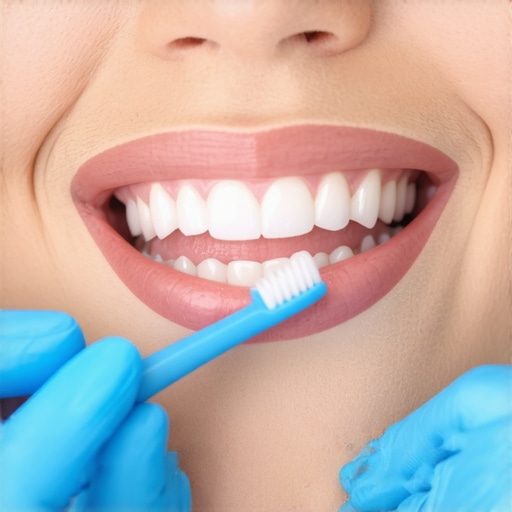 Many people believe that a simple teeth cleaning is all it takes to maintain oral health, but this oversimplification can lead to overlooked issues. For instance, some think that any dental procedure, like cosmetic dentistry or Invisalign, is purely superficial, but in reality, these treatments require a nuanced understanding of oral biomechanics and tissue health.
Why Do So Many Common Practices Actually Sabotage Your Smile?
Contrary to popular belief, aggressive brushing or over-reliance on whitening strips can cause more harm than good, leading to enamel erosion or gum sensitivity. A surprising fact is that contemporary research indicates that certain traditional cleaning techniques might disrupt the delicate balance of oral microbiota, ultimately impairing natural defenses (source). Additionally, many assume that cosmetic dentistry offers instant results without risks—what they often miss are the advanced factors like translucency matching or tissue contouring that require a skilled, nuanced approach to achieve truly natural—and long-lasting—results.
When considering options like Invisalign, the main misconception is that it’s just a
Investing in Precision Tools for Long-Lasting Results
Maintaining optimal dental health and cosmetic results requires more than just visiting the dentist regularly. It involves using specialized equipment and software that enhance your daily routine. I personally rely on the Philips Sonicare ProtectiveClean electric toothbrush because its sonic technology provides superior plaque removal and gentle gum stimulation, helping me avoid sensitivity issues enhanced by recent cosmetic treatments. This device syncs with a mobile app that tracks brushing habits, encourages consistency, and provides personalized feedback — an invaluable feature for ensuring long-term success.
Another critical device is a water flosser, like the Waterpik Aquarius. After trying various flossing tools, I found water flossers to be the most effective for cleaning around orthodontics like Invisalign aligners and bridges, areas where traditional floss often falls short (more about Invisalign maintenance). Regular use drastically reduces plaque accumulation, promotes healthy gum tissue, and prevents bleeding—especially vital for those with sensitive or receding gums.
Implementing Advanced Cleaning Techniques
Beyond tools, adopting specialized cleaning methods can make a significant difference. For example, I use guided ultrasonic scaling during professional cleanings, a technique that employs high-frequency vibrations to remove stubborn tartar and biofilm without irritating the soft tissues. This not only results in a thorough clean but also minimizes post-procedure sensitivity, which is crucial for maintaining cosmetic results and continued oral health (see the latest innovations here).
Home whitening kits equipped with LED technology are also part of my routine, giving me the confidence of radiant results that last longer when paired with proper maintenance. Cosmetic dentistry and teeth whitening in particular benefit from consistent cleaning and touch-up sessions done with professional guidance to prevent stain buildup and ensure expected longevity.
Where Is Teeth Care Headed in the Future?
The future of dental maintenance is poised to integrate smart technology seamlessly. Imagine toothbrushes and flossers that connect to AI-powered apps, offering real-time analysis of your oral health patterns and personalized recommendations. Moreover, advancements in 3D printing may soon enable at-home custom aligners or whitening trays tailored precisely to your mouth, reducing the need for frequent dental visits.
How do I keep my cosmetic results pristine over time?
The key lies in routine use of high-quality tools, like electric toothbrushes and water flossers, complemented by regular professional cleanings with the latest technology. Keep an eye on emerging innovations such as Invisalign advancements and at-home diagnostic apps that empower you to monitor your oral health proactively. Don’t forget to consult your dentist for personalized advice tailored to your treatment history and cosmetic goals. Ready to upgrade your toolset? Try the Philips Sonicare or Waterpik Water Flosser for a noticeable difference in your daily routine, and experience how advanced tools can transform long-term dental maintenance.
What I Didn’t Expect About Maintaining That Perfect Smile
One of the most eye-opening lessons I learned was how small daily habits can significantly impact long-term dental health. Simple adjustments, like switching to an electric toothbrush or incorporating water flossers, transformed my routine and results more than I imagined. These tools, combined with expert advice, keep my smile radiant and healthy, proving that investing in quality devices pays off in subtle yet impactful ways.
The Unexpected Power of Professional Care Beyond Basic Cleaning
Regular professional cleanings aren’t just about a fresh feel; they are critical in preventing issues before they become noticeable. My experience with ultrasonic scaling and advanced biofilm removal was a game-changer, drastically reducing sensitivity and bleeding. Seeing a skilled dentist who employs innovative techniques fosters peace of mind, especially with cosmetic treatments like Invisalign or veneers—reminding me that the right professional makes all the difference.
How Silver Bullets Might Actually Be Hidden Risks
Early on, I believed that quick-fix solutions like whitening strips or over-the-counter products were sufficient. Over time, I realized that many of these—even something seemingly harmless—could harm your enamel or trigger sensitivities. The key is understanding when to seek expert guidance and invest in tailored treatments, like targeted fluoride applications or cosmetic procedures, which promote healthier, longer-lasting results.
Hidden Gems in Oral Care Tech I Can’t Live Without
Discovering tools like the Philips Sonicare ProtectiveClean and Waterpik Water Flosser profoundly changed my approach. Their combination ensures the hard-to-reach areas are thoroughly cleaned, and my gums remain healthy, especially around orthodontic appliances like Invisalign. These devices, backed by research and professional recommendations, allow me to uphold excellent oral hygiene day after day.
My Personal Tip for Staying Ahead in Cosmetic Dentistry Trends
Keeping up with innovations like 3D-printed custom aligners or enhanced tissue contouring has been inspiring. I make it a point to follow reputable sources and consult with experts regularly, ensuring my smile stays beautiful and natural for years to come. Investing in top-tier technological advancements, and knowing what to ask during dentist visits, has empowered me to achieve my aesthetic goals without compromising health.
Are You Ready to Elevate Your Smile Journey?
The truth is, maintaining a beautiful, healthy smile combines smart tool choices, professional guidance, and consistent habits. Whether you’re considering Invisalign, cosmetic enhancements, or simply want to improve your daily routine, remember that small, informed steps create lasting change. So tell me—what’s one change you’re willing to make today to enhance your dental care journey?