
I was three miles into a humid July jog when it hit me. That unmistakable, sharp, copper-penny tang on the back of my tongue. I panicked. I actually stopped mid-stride, frantically rubbing my tongue against my teeth, certain I’d cracked a molar or that my gums were suddenly gushing. I even checked my reflection in a car window, expecting to see a bloody mess. But there was nothing. No blood, no broken bits—just that metallic weirdness. [IMAGE_PLACEHOLDER_1]
That Strange Metallic Tang Isn’t Just in Your Head
If you’ve ever pushed yourself through a heavy lifting session or a sprint finish only to feel like you’ve been sucking on a roll of quarters, you aren’t alone. It’s a common, albeit unsettling, phenomenon that many of us active types face. Early on, I made the classic mistake of thinking I just needed to brush harder. I’d go home and scrub my teeth until they were sore, thinking some hidden bacteria was reacting to my sweat. Spoiler alert: that is not how it works. Today, I am going to share exactly why this happens and how to ensure your fitness goals don’t compromise your oral health.
Is this penny taste actually a sign of a dental emergency?
For most of us, it’s just a temporary quirk of biology, but I get the fear. You wonder if your enamel is thinning or if you’re experiencing a sudden failure in your dental work. While a metallic smell in a child’s breath after a fall usually points to actual blood, your post-workout copper taste is a bit more scientific.
Why Intense Training Triggers That Copper Flavor
When you push your heart rate into the red zone, your lungs work overtime. Here is the “why” that finally put my mind at ease: it is all about red blood cells. According to research published by the *Journal of Biological Chemistry*, during intense physical exertion, red blood cells can release tiny amounts of iron as they break down under the pressure of increased blood flow and gas exchange in the lungs. This iron-rich “mist” travels up your throat and lands on your taste buds. Combine that with a bit of dehydration, and you have a recipe for a copper-flavored cocktail. When your mouth gets dry, your saliva thickens and concentrates whatever is in there. I have found that common dental myths often suggest this is a sign of poor hygiene, but even the most dedicated flosser can experience it. It is less about how often you see your cosmetic dentist and more about how your body handles physical stress. Have you ever had to cut a workout short because the taste was just too distracting? Reach out and let me know; I felt like I was the only one for years! Keeping up with regular teeth cleanings ensures that when these weird symptoms pop up, you can rule out actual gum disease or decay immediately and keep focusing on your PRs.
Stop the Copper Taste Before It Starts
To manage that metallic sensation, you have to tackle the root cause: dry mouth and blood-gas exchange. The first and most immediate step is mastering your hydration. It sounds basic, but most people wait until they are thirsty to drink, and by then, the iron-rich proteins in your saliva are already concentrating. I used to think a quick splash from a fountain was enough, but I learned the hard way that consistent sipping is what prevents the ‘penny mouth’ from taking hold. When your hydration levels drop, you might notice why your saliva feels thick and how it leads to more cavities; that sticky environment is exactly where that metallic taste lingers longest.
Hydrate Early and Often
Start your intake at least two hours before your session. This keeps the mucous membranes in your mouth saturated, making it harder for the iron molecules to bond to your tongue. If you’re already mid-run and the taste hits, don’t just gulp water—swish it. This physically rinses the metallic proteins off your taste buds and forces the salivary glands to reset. 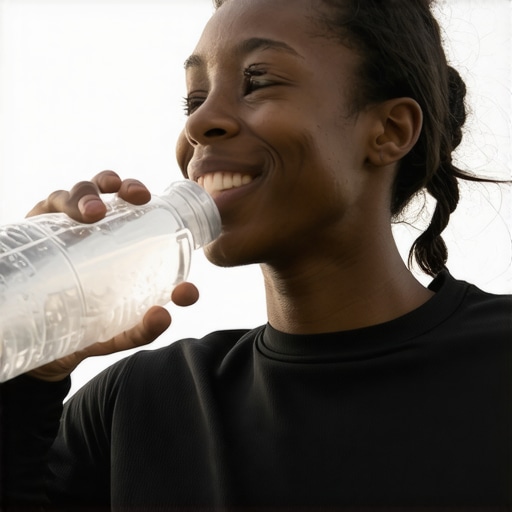
Why Your Saliva Becomes a Glue-Like Problem
During heavy exertion, your body prioritizes blood flow to your muscles, often leaving your mouth in the lurch. This leads to a decrease in saliva production, which is your mouth’s natural self-cleaning mechanism. Without that flow, the tiny amount of iron released in your lungs becomes concentrated. I remember one Tuesday morning after a brutal HIIT session, I was so desperate to get that ‘dirty’ feeling out of my mouth that I used a massive glob of charcoal paste, thinking the grit would act like sandpaper for the copper. Instead, I ended up with raw gums. I didn’t realize then that I should have been looking at the grit test to tell if your charcoal toothpaste is destroying your enamel.
Ditch the Harsh Scrubber for Smarter Cleaning
Instead of scrubbing harder post-workout, focus on gentle rebalancing. Use a pH-neutral mouthwash or even a simple baking soda rinse to neutralize the acidity caused by dry mouth. If your teeth feel sensitive after a cold-weather run, you should look into modern teeth cleaning innovations that reduce sensitivity and boost results rather than reaching for aggressive whitening products that can strip your enamel further.
Keep Your Alignment Trays From Harboring Bacteria
For those of us using clear aligners, the metallic taste can be even more pronounced because the trays trap that concentrated saliva against your teeth. If you are an athlete, Invisalign maintenance expert tips for clear confident smiles are non-negotiable. I found that if I didn’t rinse my trays immediately after a sweaty gym session, the ‘plastic’ flavor combined with the copper tang was almost unbearable. You might even need to learn how to get rid of the plastic taste from new aligners to keep your focus on your workout rather than your mouth.
Focus on Long-Term Gum Health
The metallic taste can sometimes mask actual bleeding from gingivitis, especially if you push yourself every day. By maintaining your teeth cleaning routine for long-term health, you ensure that any copper taste you experience is purely exercise-induced and not a sign of underlying infection. A healthy gum line is less likely to react to the physiological stress of a marathon or a heavy squat day.
Let’s dig deeper into why simply scrubbing away that metallic taste isn’t enough to save your smile. Most people assume that if they have white teeth, they have healthy teeth, but I’ve found that the reverse is often true: truly healthy teeth stay white much more easily. We often treat teeth cleaning myths debunked by top dentists as just a checklist for bad breath, but there’s a huge nuance most athletes miss. When you’re constantly pushing your body, your enamel becomes a battlefield of pH fluctuations. If you’ve spent money on the ultimate guide to teeth whitening and cosmetic enhancements, you might be frustrated when stains return within weeks. Here is the contrarian truth: professional whitening isn’t just a bleach job; it’s a porosity management project. According to the American Academy of Cosmetic Dentistry, if your enamel is dehydrated—a frequent state after long runs—it acts like a dry sponge, soaking up every pigment from your post-workout protein shake or morning coffee. 
Is your enamel’s texture sabotaging your aesthetic goals?
You might notice that the real reason your coffee stains come back a week after a professional cleaning is actually linked to micro-scratches on the surface. If you’ve ever felt that what to do if your dental implant crown feels gritty against your tongue sensation, you know that texture matters for comfort and cleanliness. The ‘Oops’ factor many fall into is using abrasive whitening toothpastes that actually create microscopic grooves, providing a perfect home for stains to settle. Instead, finding a dentist who gets your smile tips from top cosmetic pros means working with someone who looks at the microscopic integrity of your teeth. If you’re following the ultimate guide to invisalign for adults in 2025, remember that alignment isn’t just for vanity—it removes the overlapping stain traps where bacteria thrive during those dry-mouth gym sessions. Have you ever fallen into the trap of over-whitening while neglecting the actual health of your enamel? Let me know in the comments.
Ditch the Scrubbing Habit
Once you realize that the metallic taste after a run is just a biological byproduct of red blood cells, you can stop treating your teeth like a dirty porch that needs a power wash. I spent years over-brushing, especially after a hard lifting session, thinking I needed to ‘cleanse’ the palate of that copper tang. What I actually needed was a more sophisticated toolkit. If you’ve struggled with the transition to automated tools, you might have wondered why your gums bleed only when you use an electric toothbrush. Usually, it is because we try to ‘help’ the brush by adding our own manual pressure. The real secret is letting the vibration do the heavy lifting while you just guide the path along the gumline.
The Tech That Keeps My Gums Healthy
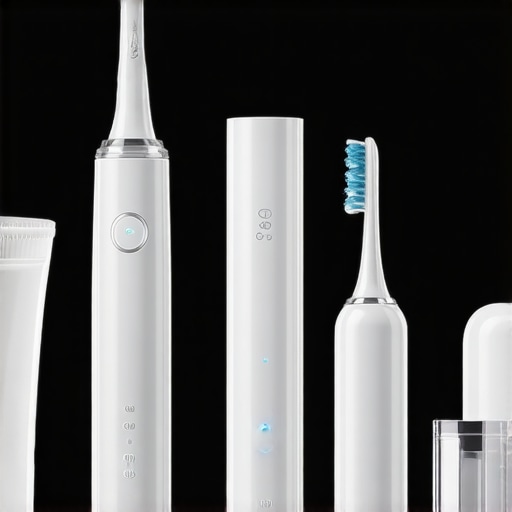
I’ve narrowed my daily maintenance down to three non-negotiables that have scaled my routine from basic to professional-grade. First, a sonic toothbrush with a built-in pressure sensor. Dr. Gordon Christensen of the Clinicians Report Foundation has highlighted that high-frequency sonic vibration creates non-contact biofilm disruption, which is a lifesaver when your saliva is thick and sticky from a workout. Second, I’ve swapped traditional string for a water flosser. It’s significantly more effective at flushing out those iron-rich proteins that linger in the back of the mouth. If you’re just starting, knowing how to stop your gums from bleeding when you use a water flosser is all about starting on the lowest setting and aiming at the space between the teeth, not the tissue. Finally, for those of us in clear aligners, I use a dedicated ultrasonic cleaner for my trays. It is the secret to keeping your invisalign trays perfectly clear for two weeks without the cloudy buildup that manual scrubbing causes.
How do I maintain my smile results for years to come?
The key to scaling your oral health as you age or increase your fitness intensity is consistency over intensity. You cannot ‘make up’ for a week of missed flossing with one hour of aggressive cleaning. By maintaining your teeth cleaning routine for long-term health, you create a baseline where your dentist only needs to do a light polish rather than a deep rescue mission. If you have noticed temperature sensitivity after your runs, look into teeth cleaning for sensitive teeth what works best in 2025 to find desensitizing pastes that actually work with your body’s chemistry. I also recommend checking out teeth cleaning tips for a brighter smile this spring to stay ahead of seasonal staining from things like post-gym iced coffee or sports drinks.
The Future of Brushing is More Data, Less Guesswork
I predict that within the next five years, our toothbrushes won’t just tell us if we are brushing too hard; they will analyze the pH and microbiome of our saliva in real-time via built-in sensors. Imagine an app that pings your phone post-workout to say, ‘Your mouth is too acidic—swish with water now to protect your enamel.’ Until that tech is standard, we have to be our own advocates. My advanced tip for you this week: try the ‘pre-rinse’ method. Before you brush at night, use an alcohol-free, pH-neutral mouthwash for 60 seconds to loosen the biofilm and neutralize exercise-induced acidity. You will be amazed at how much cleaner your teeth feel afterward. It’s a small tweak that yields massive long-term results.
The Breakthrough Moments That Saved My Smile
Reflecting on my journey from panicked runner to informed athlete, I’ve realized that oral health is the missing piece of the performance puzzle. I finally stopped chasing the “squeaky clean” feeling by over-brushing and started listening to what teeth cleaning myths debunked by top dentists taught me: intensity is no substitute for strategy. I also learned that nose-breathing isn’t just for yogis; it’s a critical tool for maintaining saliva flow and preventing that iron-rich tang from settling on your tongue. Most importantly, I realized that the ultimate guide to teeth whitening and cosmetic enhancements works best when you have a foundation of healthy enamel, not just bleached surfaces.
#IMAGE_PLACEHOLDER_FINAL#
My Pro-Athlete Dental Survival Kit
If you’re serious about your training, you need a toolkit that matches your dedication. I personally swear by a few non-negotiables. First, an electric toothbrush with a pressure sensor is essential to avoid the gum damage I previously suffered. Second, I recommend finding a partner in your health by finding a dentist who gets your smile tips from top cosmetic pros who understands the physiological demands of heavy training. Third, don’t underestimate the power of a pH-neutral rinse after your session to stop acidity in its tracks. Finally, for those pushing through the elements, teeth cleaning for sensitive teeth what works best in 2025 is a game-changer for handling post-run temperature sensitivity.
Your Health Doesn’t Stop at the Gym Door
Your fitness journey is about more than just your heart and lungs; it’s about every system that supports your body under stress. By maintaining your teeth cleaning routine for long-term health, you ensure that you aren’t just looking fit, but you’re healthy from the inside out. Don’t let a temporary metallic taste distract you from your PRs—handle the biology, protect your enamel, and keep moving forward. Have you ever experienced that weird copper taste during a workout and thought something was seriously wrong? Let me know your story in the comments below!