
I remember one Tuesday night three years ago, shivering under four layers of blankets with a 102-degree fever, when I noticed something terrifying. I bit down on a piece of toast and felt my front teeth shift. It wasn’t a hallucination. I reached up, gave my incisor a tiny wiggle, and it felt like it was sitting in a bowl of jelly. I panicked, thinking I’d somehow developed an instant case of gum disease because I’d skipped my last professional cleaning. I spent the next three hours in a fever-dream loop of Googling emergency tooth extractions. It was a visceral, scary moment, and if you’re reading this while nursing a thermometer, I know exactly that sinking feeling in your gut. Today, I’m going to explain why your body does this and why you aren’t actually about to lose your smile.
The Biology Behind That Wobbly Feeling During a Fever
When your body temperature spikes, your entire immune system goes into a high-alert state of inflammation. I made the mistake of thinking my teeth were physically detached from the bone, but the reality is much more subtle. Your teeth are held in place by periodontal ligaments—tiny, springy fibers that act like shock absorbers. When you have a high fever, systemic inflammation causes the blood vessels in these ligaments to dilate. This extra fluid and pressure can make the teeth feel slightly elevated or “loose” in their sockets. It’s a similar sensation to why your teeth feel loose during Invisalign treatment, though the cause is viral rather than mechanical. My early mistake was trying to “test” the looseness by constantly wiggling them with my tongue, which only irritated the tissue further. According to research published by the National Institutes of Health, systemic inflammatory responses can temporarily alter the tension of connective tissues throughout the body, including those in the oral cavity. This is your body focusing all its energy on fighting an intruder, not a sign that your cosmetic dentistry work is failing.
Is this a sign of permanent dental damage?
It is totally normal to feel skeptical. We are taught from childhood that loose teeth mean a visit from the tooth fairy, so feeling that wiggle as an adult feels like a dental death sentence. However, in the vast majority of fever cases, this is a transient symptom. Once your temperature drops and the inflammation subsides, those ligaments tighten back up. Have you ever experienced that weird, squishy sensation while you were sick and wondered if you needed to contact a dentist immediately? You aren’t alone, and usually, the best medicine is simply hydration and rest. If you’ve also noticed that your teeth ache when you have a cold, it’s often the same inflammatory culprit at work. We’re about to dive into how to tell the difference between a “fever wiggle” and a genuine dental emergency.
Stop the Wiggle and Run the ‘Pink Test’
The moment I felt that shift in my incisor while chewing toast three years ago, my first instinct was to poke it every thirty seconds to see if it was getting worse. Don’t do that. Imagine your periodontal ligaments are like wet bungee cords; they are already overstretched by the fluid buildup from your fever. Every time you wiggle the tooth with your tongue or finger, you’re just stretching those cords further and delaying the healing process. Instead, perform a visual check that I call the ‘Pink Test.’ Stand in front of a mirror and use a clean finger to gently pull back your lip. If your gums look their usual light pink, the looseness is almost certainly just transient pressure from systemic inflammation. However, if you see localized swelling, a dark red bump, or pus, you might actually be looking at how to handle a tooth that was knocked loose or a hidden abscess. When I did this during my fever, seeing that my gums were still pink—not angry red—was the first thing that lowered my heart rate and stopped my spiraling thoughts.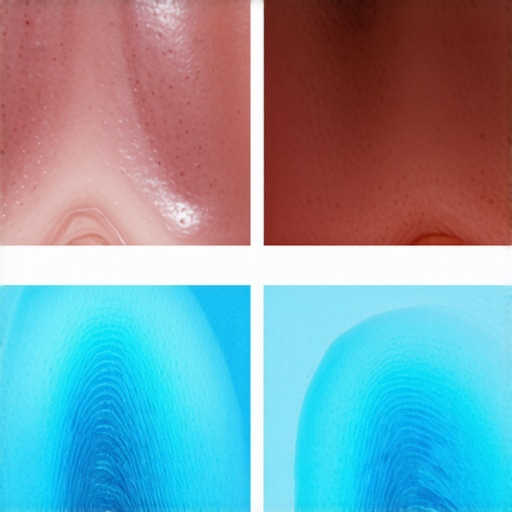
Treat the Inflammation Like a Sprained Ankle
Since the cause is biological pressure rather than a physical break, you have to treat the root cause: the fever-induced inflammation. Think of your mouth as having a sprained ankle. You wouldn’t try to run a marathon on a sprain, so don’t try to eat a crusty baguette or chewy steak while your temperature is up. Stick to soft foods and focus on managing the systemic heat. High-quality hydration is non-negotiable because a fever dehydrates the very tissues meant to cushion your teeth, making them feel even more ‘brittle’ or disconnected. I found that using a lukewarm saltwater rinse helped soothe the tissues without the thermal shock of ice-cold water, which can be brutal if you are already dealing with teeth cleaning for sensitive teeth issues. If the sensation persists for a day or two as your temperature drops, it’s often a sign that the ligaments are simply taking a little longer to ‘snap back’ into place, a process very similar to why your teeth feel loose during your Invisalign treatment as the surrounding structures stabilize.
Recognize the Red Flags That Require a Professional
There is a clear line between ‘fever-induced pressure’ and a genuine dental crisis that won’t go away with rest. If the looseness is accompanied by a foul, metallic taste in your mouth or a sudden, sharp pain when you bite down—even on something as soft as a banana—you should contact a dentist immediately. I once ignored a slight ‘gritty’ feeling in a back molar during a particularly bad flu, only to realize later it was a small crack that the inflammation had simply made more obvious. You can also try the cold water test for identifying a hidden cavity once your fever breaks. If a specific tooth reacts with a lingering, throbbing ache while the rest of your mouth feels fine, the fever didn’t cause the problem; it just unmasked an existing one. Realizing this distinction saved me from a lot of unnecessary panic when the ‘wiggle’ finally disappeared three days after my fever broke.Most people assume that if they’ve spent thousands on cosmetic dentistry, their teeth are somehow ‘locked in’ and immune to the whims of a common flu. I’ve seen this mistake repeatedly: patients think that because their smile looks perfect, the underlying biology is static. In reality, your gums are a living gateway. One common myth is that professional cleanings are just for removing stains. But when you’re sick, that cleaning history matters because it dictates how much bacterial load your immune system is fighting alongside the virus. If you’ve been lax with hygiene, the fever-induced inflammation has a ‘force multiplier’ effect with existing plaque, making that wobbly sensation even more pronounced. Here is the ‘oops’ factor many people ignore: trying to power through your dental routine when you’re at peak temperature. If you are mid-treatment, you might wonder if Invisalign is the right choice for adults during a health crisis. The nuance is that while the trays are great, the constant pressure of a new aligner on an already inflamed periodontal ligament (PDL) can actually trigger a localized immune overreaction. I once had a reader tell me they forced a tray swap while battling a 101-degree fever, only to end up with throbbing pain that lasted a week because they didn’t respect the body’s inflammatory limit.
Does a systemic fever actually compromise the integrity of your Invisalign progress?
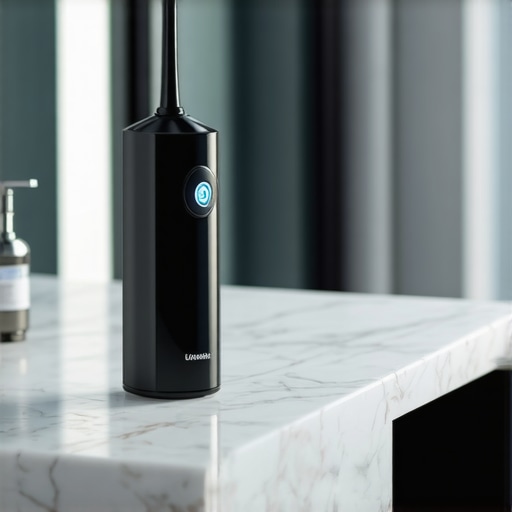
Advanced dental research, such as studies published in the Journal of Periodontal Research, highlights that systemic cytokines (the signaling proteins your body uses during a fever) can temporarily increase bone resorption rates. This means your teeth are actually more mobile when you’re sick. If you’re using modern clear braces, this isn’t necessarily a disaster, but it means you should probably delay your next tray swap by 48 hours until your temperature stabilizes. Pushing the mechanical movement of a tooth while the PDL is already under systemic stress is a recipe for extreme discomfort and potential root fatigue. 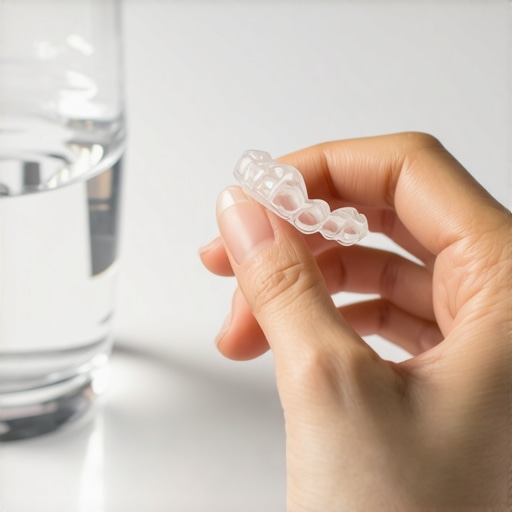 One contrarian view I hold is that cleaning for sensitive teeth shouldn’t just be about the toothpaste you use. It’s about the timing. Most people rush to contact a dentist the moment they feel a wiggle, but if you’re still symptomatic with a fever, that’s actually the worst time for a ‘deep’ cleaning. The tissue is too reactive. Instead, wait for the ‘Pink Test’ to clear, then focus on maintaining your cleaning routine once your body isn’t in a state of high alert. Have you ever fallen into this trap of trying to ‘fix’ a dental issue while you were still bedridden? Let me know in the comments.After my three-day fever ordeal, I realized that my standard ‘brush and hope’ method wasn’t cutting it anymore. I started searching for specific tools that wouldn’t irritate my already sensitive gums while they were bouncing back. That is when I discovered the life-changing benefit of a high-end water flosser. Unlike traditional string flossing, which can be traumatic to a recovering periodontal ligament (PDL), a water flosser uses a targeted stream to flush out debris without mechanical scraping. If you find your gums are tender after a sickness, learning how to stop your gums from bleeding when you use a water flosser is an absolute game changer. Personally, I use the pulsating setting on the lowest pressure for the first 48 hours after a fever breaks to ensure I am maintaining your cleaning routine without causing a relapse of inflammation. Dr. Gordon Christensen, a world-renowned authority in restorative dentistry, emphasizes in his ‘Clinicians Report’ that high-quality oral irrigators can reach significantly deeper into periodontal pockets than traditional flossing. This isn’t just about hygiene; it is about giving those inflamed ligaments a clean, stable environment to re-tighten as your body recovers.
How Can You Keep Your Results Perfect for Years?
Long-term maintenance is where most people fall off the wagon, especially after investing time and money into expert tips for clear confident smiles. When your body is healthy, you should be taking full advantage of modern teeth cleaning innovations that reduce sensitivity. I recommend scheduling your professional cleanings during the months when you typically feel your strongest—avoiding the peak of flu season if possible—so your immune system isn’t overtaxed during the procedure. I have noticed that if I keep my bacterial load low through regular professional intervention, my ‘fever wiggles’ are virtually non-existent even when I do catch a common cold. It is the difference between a minor annoyance and a full-blown dental panic attack. Looking toward the future, I predict we are entering an era of ‘Smart Smiles.’ By the end of the decade, I suspect Invisalign innovations will include bio-sensors embedded in the trays themselves. Imagine an aligner that pings your phone when your salivary pH drops too low or when it detects early signs of systemic inflammation—alerting you to a coming fever before you even feel the heat. For now, we have to rely on our own vigilance. My advanced tip for you today is the ’30-second salt-flush’ every morning for the week following any viral illness. It resets your mouth’s pH faster than many commercial rinses and provides the mineral support your gums crave during recovery. Try this for seven days and feel the difference in your stability.
My Biggest Takeaways After Surviving a Dental Fever Panic
- Trust the pink, ignore the wiggle. If your gums aren’t angry and red, your teeth are likely just reacting to systemic heat. Stop testing them with your tongue!
- Hydration is a dental tool. When you are dehydrated, your mouth tissues lose their ‘plumpness,’ making the sensation of looseness feel much more dramatic than it actually is.
- Pre-sickness hygiene is your shield. Patients who follow teeth cleaning secrets often find that their inflammation levels stay much lower during a flu.
The Post-Flu Recovery Kit for Your Smile
To get your mouth back to 100%, I recommend three specific things. First, switch to a soft-bristled brush or a high-quality oral irrigator. If you’re new to the tool, learn how to stop your gums from bleeding when you use a water flosser to keep the pressure gentle. Second, keep a bag of high-quality sea salt on hand; the salt water trick is the fastest way to neutralize acidity after being sick. Finally, if the anxiety lingers, start finding a dentist who gets your smile and can perform a wellness check once you’re fully recovered.
Your Smile is Stronger Than a Temp Spike
It is easy to feel like your dental health is fragile when a fever hits, but your body is remarkably resilient. That scary ‘wobbly’ feeling is just a temporary side effect of your immune system doing its job. Once the fever breaks and the inflammation dies down, your periodontal ligaments will tighten back up, leaving your smile as solid as ever. Don’t let a 102-degree night make you lose sleep over your cosmetic dentistry investments. Take a deep breath, stay hydrated, and let your body heal. Have you ever felt your teeth shift during a bad flu or cold? Let me know in the comments below!