
As I sat in my bathroom early one morning, brushing my teeth before heading out, I caught a whiff of my own breath. And guess what? It was noticeably foul—only in the mornings. I was surprised because I thought that brushing at night would take care of everything, but that morning breath still persisted. That little moment of self-awareness was a lightbulb for me, and I realized I wasn’t alone in this experience. Many people notice their breath smells worse when they wake up, and I want to share what I’ve learned about why this happens and how you can tackle it effectively.
Understanding Morning Breath: More Than Just Bad Hygiene
What’s really causing that unpleasant smell? It turns out, there’s a combination of natural processes and factors that make your morning breath smell different from your afternoon or evening breath. During sleep, saliva production drops significantly. Saliva plays a vital role in washing away food particles and bacteria in your mouth. Without enough saliva, bacteria thrive, breaking down leftover food and causing foul odors. Additionally, your mouth becomes a cozy environment for odor-causing bacteria to multiply.
Many of us assume that brushing and mouthwash are enough to eliminate bad breath, but the reality is that these methods only address surface issues. True improvement requires understanding the root causes and making targeted adjustments. Have you ever tried to brush away the bad smell and found it comes back quickly? That’s because bacteria buildup and dry mouth are often the real culprits.
Early on, I made the mistake of thinking that a quick brush in the morning would do the trick. I didn’t realize that my morning breath was a natural occurrence, not necessarily a sign of poor dental hygiene. In fact, a 2023 study highlighted that dry mouth is a major contributor to morning halitosis, and many people unknowingly wake up dehydrated—especially if they breathe through their mouth during sleep [source: https://smilezdentist.com/teeth-cleaning-secrets-how-regular-care-boosts-oral-health-at-any-age]. This knowledge was eye-opening and led me to adopt better morning routines.
So, why does this matter? Because understanding the ‘why’ helps us turn frustration into action. Addressing morning breath isn’t about just brushing more vigorously; it’s about tackling dryness, bacteria, and hydration. Up next, I’ll share some practical steps I took that transformed my mornings from embarrassing to fresh. If you’ve ever woken up with bad breath and wondered whether it’s normal or a sign of something worse, stay tuned—what I’ll share might surprise you.
Master Your Morning Routine
Brush with Purpose and Technique
Start by choosing a fluoride toothpaste and use a soft-bristled toothbrush. Position the brush at a 45-degree angle to your gums and use gentle, circular motions to clean all surfaces of your teeth. Focus on the back molars and tongue, as bacteria love hiding there. I once rushed through my brushing, only to realize later that my morning breath persisted; dedicating an extra minute made a significant difference.
Incorporate Mouthwash Wisely
Select an antimicrobial or antiseptic mouthwash to reduce bacterial load. Swish for at least 30 seconds, making sure to reach the back of the tongue and throat area. Remember, mouthwash complements brushing but doesn’t replace it. I learned this after using mouthwash alone, which hardly improved my morning odor—consistency is key.
Hydration is Your Secret Weapon
Drink Water Immediately After Waking
Swallow a full glass of water first thing in the morning to stimulate saliva production, which naturally washes away bacteria. I keep a glass by my bed and drink it as soon as I wake up. This simple step drastically reduced my dry mouth and morning bad breath over time.
Avoid Dehydrating Beverages
Limit caffeine and sugary drinks early in the day, as they can dry out your mouth further. Instead, opt for herbal teas without caffeine. Once, I replaced my morning coffee with warm water infused with mint, which not only kept me hydrated but also refreshed my breath.
Healthy Habits for Long-Term Freshness
Chew Sugar-Free Gum
Chewing stimulates saliva flow and helps dislodge food particles. Look for gum with xylitol, which can inhibit bacterial growth. During a busy morning, I pop a piece of sugar-free gum after brushing to keep my mouth moist until breakfast.
Regular Dental Check-ups and Professional Cleanings
Schedule visits every six months to remove tartar and plaque buildup that routine brushing might miss. I booked a professional cleaning after noticing persistent morning odor, and the hygienist’s thorough work made a noticeable difference. For tips on maintaining your teeth after cleaning, visit https://smilezdentist.com/maintaining-your-teeth-cleaning-routine-for-long-term-health.
Adjust Sleep and Breathing Patterns
Breathe Through Your Nose
Mouth breathing during sleep causes dryness and bacterial growth. Using nasal strips or consulting a specialist can help. I personally tried nose strips, which improved my nighttime breathing and morning freshness.
Stay Hydrated During the Night
Using a humidifier in your bedroom can keep air moist, preventing dry mouth. I added a humidifier to my room, noticing my morning breath improved even further.
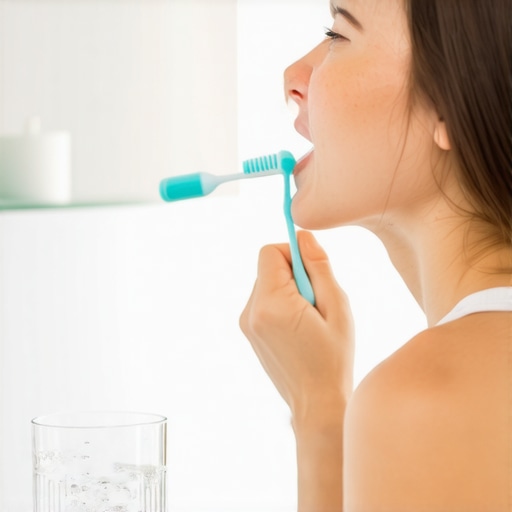
Image: Illustration of a person brushing teeth, rinsing with mouthwash, and drinking water in a morning routine.
Many people believe that Invisalign treatment is just about having straight teeth, but the reality is more nuanced. The myth that aligners require no maintenance or special care can lead to ineffective results; in reality, proper cleaning and adherence are crucial, as detailed in [Invisalign maintenance tips](https://smilezdentist.com/invisalign-maintenance-expert-tips-for-clear-confident-smiles). Similarly, there’s a misconception that all dentists practicing cosmetic dentistry are equal. However, the skill and artistry of your dentist greatly influence outcomes, especially for complex cases, which is why finding a specialist with proven experience is vital. Often, patients underestimate how vital professional teeth cleaning is for long-term oral health. Routine cleanings go beyond surface whitening; they prevent deep periodontal issues, as emphasized in [teeth cleaning myths debunked](https://smilezdentist.com/teeth-cleaning-myths-debunked-by-top-dentists). An advanced mistake many make is assuming that cosmetic procedures compensate for poor daily oral hygiene. In fact, without consistent at-home care, enhancements like veneers or whitening will fade faster, undermining the investment and effort involved. Have you ever fallen into this trap? Let me know in the comments. Now, let’s explore some hidden nuances that even seasoned dental patients might overlook. For instance, did you know that not all teeth whitening treatments are suitable for sensitive teeth? If you’re considering cosmetic work, understanding these subtleties can save time and prevent disappointment. A key insight is that some procedures require interim maintenance, such as avoiding certain foods or habits that can compromise results. Moreover, an often-overlooked aspect is the importance of selecting a dentist who understands your aesthetic goals and offers personalized solutions, which can be explored in [tips for choosing the best dentist](https://smilezdentist.com/how-to-choose-a-dentist-for-your-invisalign-transformation). By appreciating these complexities, you can make more informed decisions and achieve optimal results, both functionally and aesthetically. Remember, investing in your smile is not just about appearances—it’s about ensuring the health and durability of your teeth for the years to come.Maintaining your smile after cosmetic dentistry or Invisalign treatment isn’t just about regular check-ups; it involves using specialized tools and adopting routines that ensure long-lasting results. One of the game-changers I’ve personally incorporated is a high-precision interdental cleaner. Unlike standard flossers, this device features ultra-fine, flexible filaments that reach tight spaces between teeth, effectively removing plaque and food debris that can otherwise lead to staining or decay around veneers and aligners. I highly recommend the Waterpik Sonic-Fusion, which combines water flossing with brushing, providing a dual-action approach that keeps my dental work pristine. Additionally, an ultrasonic scaler app, like DentalX, can simulate professional cleaning techniques, guiding you through effective plaque removal at home. I use this to supplement regular dental visits, especially when I notice areas prone to buildup. As for software, teeth tracking apps such as SmileMate help monitor changes over time, offering visual progress reports and reminders for maintenance routines. Looking ahead, I predict that AI-powered oral health tools will become more integrated, offering personalized cleaning schedules based on your dental history. How do I maintain my cosmetic work long-term? Regularly using an interdental cleaning device combined with professional check-ups is key. Never underestimate the power of a good tool; they make your routine efficient and effective. For detailed advice tailored to your needs, consult your dentist and consider integrating these advanced tools into your daily routine. Remember, consistency is everything—delivering results that last for years. If you haven’t tried an ultrasonic scaler app yet, I challenge you to incorporate it into your morning routine for a week. You’ll be surprised at the difference it makes in preserving your beautiful smile.
What No One Tells You About The Hidden Challenges of Invisalign
Many think Invisalign is a magic fix for perfect teeth, but the real story is about consistency and understanding your body’s responses. I once believed that wearing aligners for the recommended hours was enough, only to realize that neglecting detailed cleaning routines led to enamel wear and staining. A key lesson was that the polishing and maintenance tips professionals share, like those found in [Invisalign maintenance tips](https://smilezdentist.com/invisalign-maintenance-expert-tips-for-clear-confident-smiles), are vital for long-term success.
Detecting The Subtle Signs of Oral Changes During Treatment
Sometimes, small sensations like increased sensitivity or slight discomfort can hint at underlying issues that, if ignored, may lead to more significant problems. I discovered that paying close attention to these signals and visiting my dentist for check-ups can prevent complications. Exploring [cosmetic dentistry trends](https://smilezdentist.com/cosmetic-dentistry-trends-that-transform-smiles-beyond-expectations) taught me that proactive care is essential to preserve both aesthetics and health.
Why Your Dentist’s Expertise Can Make or Break Your Smile Journey
Choosing a dentist isn’t just about proximity or price; it’s about trusting someone who understands the nuances of Invisalign and cosmetic procedures. I learned this firsthand when a meticulous dentist helped me avoid pitfalls by offering personalized tips and addressing minor concerns early. For guidance, [how to choose a dentist](https://smilezdentist.com/how-to-choose-a-dentist-for-your-invisalign-transformation) can help you find a professional who aligns with your aesthetic goals and health needs.
Curating Tools That Keep My Smile Bright and Healthy Long-Term
From ultrasonic scalers to specialized flossers, the right tools make a noticeable difference. I rely on devices like a water flosser and teeth tracking apps, which serve as my at-home dental team. Trusted resources such as [teeth cleaning myths](https://smilezdentist.com/teeth-cleaning-myths-debunked-by-top-dentists) have guided me to invest in tools that really work, ensuring my oral health remains robust beyond Invisalign treatments.
Embracing the Journey With Confidence and Care
Ultimately, mastering your smile involves not just dental procedures but cultivating a mindset of mindful maintenance. If you’re considering Invisalign or cosmetic dentistry, remember that progress happens with patience, vigilance, and support from experts. Your smile reflects your care—so treat it as a cherished asset. To keep motivated, reflect on how small daily actions compound into long-lasting results, inspiring you to take charge of your oral well-being every day.