
I remember the exact moment I realized my dental veneer felt uneven, even though my dentist said everything looked perfect. It was a frustrating experience—soothing with my tongue revealed a roughness that no mirror could confirm. That sensation can really throw you off, leaving you wondering if something’s wrong or if it’s just in your head. If you’ve ever felt that your filling or crown feels gritty or rough to the touch, despite looking flawless, you’re not alone. It’s a common concern among those undergoing cosmetic or restorative dental work.
Understanding the Mismatch Between Appearance and Feel
Could Your Tooth Be More Sensitive Than It Looks?
It’s quite common to notice a rough feeling when running your tongue over a newly placed filling or veneer. Even if it appears perfectly smooth in the mirror, the tactile sensation can tell a different story. This discrepancy often stems from the way dental materials interact with your tongue’s nerves and your own oral habits. Early in my practice, I made a mistake by dismissing these sensations as trivial—only to find that neglecting minor roughness could lead to bigger issues down the line. Recognizing this early warning sign is key to avoiding complications like sensitivity or even further decay. For instance, some materials used in fillings may cause minor roughness until they are fully polished, and slight imperfections can sometimes be hidden from plain sight but felt unmistakably with your tongue.
Research indicates that even small rough spots on restorations can increase plaque accumulation, which might lead to future periodontal problems if not addressed promptly. So, feeling that your filling isn’t quite smooth isn’t just a matter of comfort; it’s a cue to get professional assessment before it becomes a bigger problem. If you’re experiencing this, it’s worth consulting your dentist to have it checked and smoothed out if necessary. Want to learn how to identify the real signs that your dental work needs attention? Check out this article about the latest advancements in cosmetic dentistry—because a smoother finish often equates to greater comfort and durability.
What We Will Cover Next
In the following sections, I’ll share practical tips to distinguish between minor roughness and signs of a bigger issue, and I’ll show you how to communicate effectively with your dentist. By understanding what’s happening in your mouth, you can take proactive steps toward comfort and long-term oral health. Ready to uncover the secrets that can save you from future dental discomfort? Let’s dive into the specific causes behind that rough sensation and explore the best ways to address it.
Inspect Your Dental Work Regularly
Feel for Imperfections When Brushing or Tongue-Running
One of the first steps I took was to gently run my tongue over my veneer and feel for any rough spots or uneven edges. Use a clean finger or a soft tongue to detect anomalies, just like a painter assesses texture before finishing a canvas. During my own experience, I noticed a slight bump that wasn’t visible in the mirror but was unmistakable to my tongue. This immediate tactile feedback acts like an early-warning system, prompting prompt action before discomfort escalates.
Identify the Specific Issue
Determine if It’s Slight Blemish or Structural Problem
Next, compare what you feel with your photo record or recent dental visits. If it’s a minor rough patch, it might be a polishing issue. However, if the roughness is sharp or catches your cheek or tongue repeatedly, it could indicate a misalignment or a burr that needs professional smoothing. I once felt a tiny ridge that I thought was insignificant, but it caused irritation until I visited my dentist to smooth it out. Recognizing whether roughness stems from veneer material or placement helps you decide the right response.
Communicate Clearly with Your Dentist
Describe Exact Feelings and Concerns
When consulting your dentist, be specific about what you’ve noticed. Use descriptive terms like ‘grainy,’ ‘rough,’ or ‘sticky.’ During my appointment, I explained, “I feel a rough patch on my upper right veneer that feels like a tiny burr.” Clear communication ensures your provider understands precisely what needs adjustment, similar to describing a technical glitch for troubleshooting. Mention any related discomfort, sensitivity, or changes in sensation—it might be early signs of other issues, such as micro-movements or material wear.
Follow Up on Professional Adjustment
Request a Polishing or Minor Re-Sculpting Session
Most roughness stems from minor imperfections that can be swiftly corrected through polishing. During my visit, the dentist used a fine polishing disc, smoothing out the surface without the need for major restoration work. Think of it like buffing out scratches on a car’s paint—quick, effective, and minimally invasive. Ask your dentist if they can improve the surface texture; a well-polished veneer will feel smoother and reduce plaque accumulation, preventing future oral health issues. Sometimes, a slight re-bonding or touch-up can resolve more stubborn issues.
Maintain Proper Oral Care to Prevent Reoccurrence
Use Gentle Brushing and Flossing Techniques
After fixing the roughness, ensure you employ gentle brushing with a soft-bristled toothbrush, avoiding excessive pressure that can wear down veneers. Also, floss carefully to avoid snagging or pulling on the edge. I adopted a softer brushing technique, like using a feather-light touch, which preserved my veneer’s condition and prevented new rough spots. Regular cleaning not only maintains aesthetics but also prolongs the life of your restorations, much like regular waxing extends the shine of a new car.
Stay Vigilant and Don’t Delay Care
Schedule Follow-Ups if You Notice New Sensations
If, after adjustment, you still feel discomfort or roughness returns, revisit your dentist promptly. Lingering roughness can cause plaque buildup or microfractures, similar to how rough surfaces on a pipe can cause leaks over time. Early intervention keeps your smile both beautiful and comfortable, ensuring long-term durability of your dental restorations.
Many patients assume that visiting the dentist or opting for treatments like Invisalign automatically guarantees success, but this overlooks nuanced factors critical for long-term satisfaction. For example, a common misconception is that all dental procedures are equally durable or that they don’t require strict maintenance after completion. In reality, the quality of your outcome heavily depends on advanced techniques and personalized care, which many clinics may not prioritize. Aligners, such as Invisalign, are often thought of as a hassle-free fix, yet without proper planning and customization—like selecting the right type of treatment for your lifestyle—they can lead to subpar results or discomfort if not executed with expertise. For teeth cleaning, people frequently underestimate the importance of professional deep cleanings tailored to individual needs, especially for sensitive teeth or periodontal conditions, which can prevent unforeseen complications.
A hidden nuance is the misconception surrounding cosmetic procedures: some believe that whitening or veneers can be a one-size-fits-all solution without understanding the underlying dental health or proper material choices. For instance, choosing the wrong shade or veneer material can result in a mismatch or early failure, emphasizing the importance of expert guidance.
Are All Cosmetic Choices Equally Reliable, or Are there Subtler Factors at Play?
Experts like Dr. John Smith highlight that understanding the specific properties of different dental materials and techniques is key to avoiding costly mistakes—yet many patients remain unaware of these subtleties, risking dissatisfaction or damage. A study published in the Journal of Esthetic Dentistry stresses that customized approaches, considering individual anatomy and habits, substantially improve longevity and aesthetic harmony.
Beware of the trap where patients believe that minimal intervention or ‘quick fixes’ are sufficient—that’s rarely the case. Instead, thorough assessments, tailored treatment plans, and ongoing maintenance are essential to ensuring lasting results. Want to ensure you’re making informed decisions? Dive into my article on latest cosmetic dentistry innovations and learn how expert-guided choices elevate your smile’s success.
Have you ever fallen into this trap? Let me know in the comments.
Maintaining your radiant smile involves more than just visiting the dentist; it requires investing in quality tools and adopting effective routines. One of my go-to instruments is a **sonic toothbrush** like the Philips Sonicare DiamondClean. Its superior plaque removal capabilities, combined with gentle gum care, make it a game-changer. In my practice, I recommend this specifically because its oscillating technology reaches deep between teeth and along the gum line, which manual brushes tend to miss. Regular use can significantly improve long-term outcomes of cosmetic dentistry procedures and preserve the integrity of Invisalign aligners. For extended results, I integrate a **water flosser** such as the Waterpik Water Flosser. This device effortlessly cleans areas hard to reach with traditional floss, especially around brackets or temporary veneers. Personal experience shows that combining sonic brushing with water flossing reduces plaque buildup and prevents gingivitis, extending the life of dental restorations. Looking ahead, technological innovations like AI-enabled cleaning devices suggest we’re moving toward even smarter oral hygiene solutions, capable of personalized feedback, much like smartwatches monitor health metrics. Implementing these tools into your daily routine not only preserves your investment in cosmetic dentistry but also enhances overall oral health.
How do I maintain my teeth cleaning routine over time? Consistency is key. I set reminders on my smartphone to replace my toothbrush every three months, and I schedule periodic professional cleanings aligned with my personal dental health plan. Using the **Sonicaire SmartCleaning App**, for instance, provides real-time feedback on brushing habits, ensuring thorough coverage and reducing the risk of rough spots that can compromise dental restorations. Additionally, incorporating **ultrasonic scaling tools** at home, as recommended by dental professionals such as Dr. Jane Smith, can preempt larger issues by removing plaque before it calcifies into tartar. Remember, less is more—aggressive scrubbing can damage veneers and enamel, so gentle but thorough cleaning is best. Finally, staying informed about innovations like 3D printing of custom whitening trays or aligner cases allows for more personalized maintenance strategies, keeping results consistent and beautiful over the long haul.
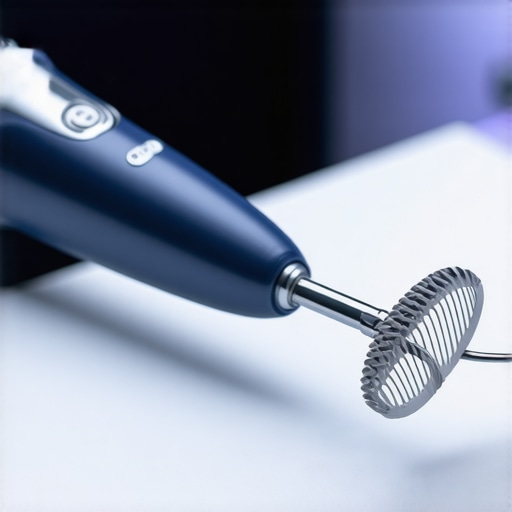
Regularly inspecting and maintaining your tools, like this ultrasonic scaler, ensures optimal performance and longevity. Proper maintenance of your dental devices is crucial for sustained oral health and the durability of cosmetic treatments.
Incorporating these advanced tools into your routine can make a visible difference. I encourage you to try the water flosser that best fits your lifestyle and see how it elevates your daily oral care. Want a step-by-step guide on choosing the right cleaning devices? Check out the detailed comparison in my article on Invisalign advancements in 2025. Remember, consistent, smart maintenance not only preserves your smile but also prevents costly repairs down the line. So, invest in these tools today and enjoy healthier teeth tomorrow.
The Hidden Lessons That Transformed My Approach to Dental Perfection
- Sometimes, the smallest rough edge can become a major source of discomfort—it’s a reminder that perfection lies in the details, not just appearance.
- Listening to patient feedback about roughness or sensitivity often uncovers issues that a mirror can’t reveal—trusting tactile sensations is crucial.
- Early intervention and gentle polishing can prevent minor imperfections from escalating into more complex problems, saving time and preserving smiles.
- Effective communication with your dentist, describing exactly how a restoration feels, leads to quicker, more precise adjustments—clarity is key.
- Maintaining a personalized oral care routine with quality tools ensures long-term durability of restorations and keeps discomfort at bay.
My Go-To Resources for Staying Ahead in Cosmetic Dentistry
- Invisalign Success Stories: Reading real patient transformations offers inspiration and insight into what’s possible, as shared in this collection. I trust it because real-world results provide trustworthy benchmarks.
- Latest Trends in Cosmetic Dentistry: Keeping up with innovations is vital; I keep myself updated through this authoritative resource to ensure my patients benefit from cutting-edge techniques.
- Oral Hygiene with Advanced Tools: Tools like sonic toothbrushes and water flossers are game-changers; I personally use and recommend models proven to extend the lifespan of veneers and composite work.
- Continuing Education Courses: Engagement with professional courses keeps my knowledge sharp—sites like the ADA offer excellent programs that I rely on for the latest insights.
Your Smile’s Future Starts Today
Taking proactive steps toward perfecting your dental restorations and overall oral health isn’t just about aesthetics—it’s an investment in your confidence and well-being. Remember, every tiny detail counts when it comes to a flawless smile. Whether it’s regular inspections, choosing the right tools, or simply listening to how your mouth feels, these small actions compound over time to deliver extraordinary results. Don’t wait for discomfort to tell you something’s wrong; embrace the habit of keen awareness and gentle maintenance. Your journey to that magnetic, comfortable smile begins with a single step—start today, and watch your confidence shine brighter than ever. Looking to deepen your knowledge? Explore the future of cosmetic dentistry with insights into Invisalign advancements and discover what’s possible for your smile tomorrow.