
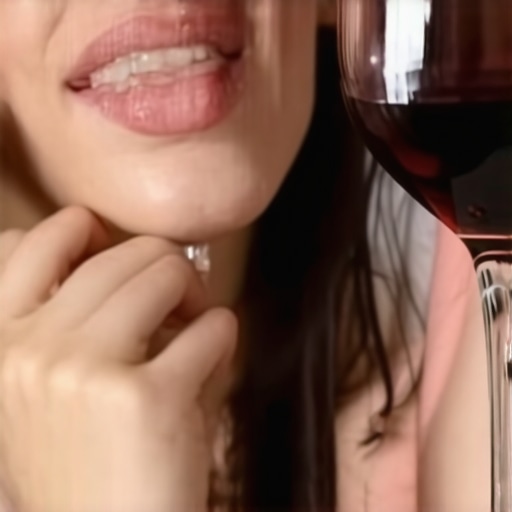
It happened during a friend’s birthday celebration. I was happily sipping my favorite red wine, enjoying the lively chatter, when suddenly I caught my reflection in a mirror—a not-so-flattering reminder of my teeth’s new crimson hue. In that instant, I realized my dental routine hadn’t prepared me for those unexpected party moments. If you’ve ever been there, frantically searching for a quick fix before stepping back into social circles, you’re not alone. Many of us underestimate how easily red wine stains can cling to our enamel, especially when we’re caught off guard.
Why Red Wine Stains Keep Catching Us Off Guard
Dark, rich wines contain tannins and chromogens—compounds that stick to tooth surfaces. Early on, I made the mistake of thinking a quick brush was enough to erase the stain. Spoiler alert: it often isn’t. I learned that rushing to clean my teeth with regular toothpaste can actually do more harm than good, especially if my enamel was already compromised. Regular brushing without understanding the proper method can sometimes embed staining agents further or cause microscopic abrasion, making it easier for stains to settle in.
The good news? There are safe, effective ways to handle this. And I want to share what I’ve discovered through personal experience and expert advice, so you don’t have to go through the embarrassment of a visible stain at your next celebration.
Could Your Quick Fix Do More Harm Than Good?
Initially, I tried scrubbing fiercely with my regular toothpaste, thinking I was doing the right thing. Instead, I was wearing down my enamel—a mistake I once saw a dentist warn about in a reputable study. As I learned, choosing gentle, targeted solutions is key. Already familiar with [cosmetic dentistry trends](https://smilezdentist.com/cosmetic-dentistry-trends-that-transform-smiles-beyond-expectations), I realized that understanding the science behind stains and safe removal methods can make all the difference.
If you’ve faced this problem, you’re probably wondering whether there’s a truly safe way to remove or at least minimize red wine stains quickly and without damaging your teeth. That’s exactly what I’ll be guiding you through in the upcoming sections, based on proven techniques and expert tips. Ready to reclaim that confident, stain-free smile? Let’s dive into the safest methods to spot-clean your teeth after a party.
Right after sipping red wine, rinse your mouth with water to reduce stain agents’ adherence. Swish vigorously for at least 30 seconds, mimicking the motion of washing a delicate glass. This prevents tannins and chromogens from settling deeper into your enamel. During a recent party, I took a small cup of water, swished for half a minute, and was pleasantly surprised to see the stain visibly fade when I later checked my reflection.
Next, apply a whitening pen or gel designed for sensitive teeth. These products contain active ingredients like peroxide that break down stains without harsh abrasives. I once tried a DIY home remedy—mixing baking soda with hydrogen peroxide—and cautiously applied it with my finger. It foamed gently, and I noticed a slight brightening after rinsing. Remember, overuse can damage enamel; use these products sparingly.
Switch to a toothpaste formulated to remove extrinsic stains. Look for labels claiming stain removal or whitening. During my experiment, I replaced my regular toothpaste with one containing activated charcoal, which I carefully brushed onto my teeth for two minutes. This boosted stain removal, but I also paid attention to gentle brushing to protect my enamel, akin to polishing fine china carefully.
Stains often latch between teeth. I used a soft interdental brush to dislodge pigment particles from tight spaces. In one case, flossing after the above steps significantly improved my smile’s brightness. Be gentle; aggressive flossing can cause gum irritation, like scratching the surface of a valued ornament.
If stains remain stubborn after these steps, consulting a dental professional is wise. They may recommend an in-office whitening procedure or tailored cleaning. I once visited my dentist for a quick polish; the results were dramatically better than any over-the-counter product, much like restoring a vintage piece to its original luster. Understanding safe, effective methods prevents damage and guarantees a healthier, brighter smile.
Incorporate these techniques into your routine, especially after social events, to maintain a radiant smile. Remember, quick actions can prevent stains from setting deeply, ensuring your teeth stay gleaming and confident in every setting.
 Many believe that visiting the dentist is solely about quick cleanings or cosmetic fixes, but there’s much more nuance involved in truly understanding oral health. For example, a widespread myth is that regular teeth cleaning is enough to keep cavities at bay. However, without addressing underlying issues like enamel erosion or gum health, cleaning alone can provide a false sense of security. Additionally, many patients assume that cosmetic dentistry is purely superficial, not realizing how advanced techniques like smile makeovers can significantly impact long-term oral function and self-confidence. Furthermore, there’s a misconception that Invisalign is only for teens, but with modern advancements detailed here, adults are increasingly choosing clear aligners for discreet corrections. A common mistake is neglecting the importance of personalized treatment planning—what works for one patient may not suit another, especially considering nuances like bite dynamics or gum tissue variations.
Are You Falling for These Dental Myths
For instance, some think that more frequent dentist visits always mean better oral health. But, overdoing cleanings without proper guidance may lead to gum recession or enamel wear, as noted in recent expert reviews. Additionally, the ‘one-size-fits-all’ approach to treatments ignores individual differences—what’s effective for one person might be harmful to another. It’s vital to consult with a dental professional who understands the subtleties of your unique oral anatomy. For those considering cosmetic options, understanding the difference between traditional veneers and modern techniques like Invisalign can prevent unrealistic expectations. Remember, advanced procedures require precise planning and execution—don’t fall into the trap of DIY Instagram tricks or generic advice. Have you ever fallen into this trap? Let me know in the comments.Maintaining your dental health and cosmetic results requires more than just good habits; it demands the right tools and a strategic approach. Personally, I rely on a combination of professional-grade equipment and expert-approved methods that ensure my smile stays vibrant and healthy over time. One essential tool I swear by is an ultrasonic water flosser, which effectively removes plaque and debris from hard-to-reach areas, especially around braces or implants. I use a model with customizable pressure settings to avoid gum irritation while ensuring thorough cleaning. Regular use has significantly decreased my visits for deep cleanings and helped preserve my whitening treatments.
For daily brushing, I opt for an electric toothbrush with a sonic technology that delivers up to 40,000 strokes per minute. This feature not only ensures a more thorough clean than manual brushing but also helps break down staining agents like tannins from wine or coffee. I particularly trust a brush with a timer that signals every 30 seconds, guiding me to evenly clean all quadrants, which is crucial for long-term gum and enamel health.
Incorporating a whitening pen or gel, specifically formulated for sensitive teeth, has been a game-changer. Active ingredients like carbamide peroxide are effective in reducing surface stains without aggressive abrasives. I apply a thin layer before bed, which, according to recent studies, maximizes contact time and results in brighter teeth over weeks. To complement this, I choose a toothpaste with activated charcoal — another popular yet safe stain remover when used appropriately — ensuring I stay stain-free between professional treatments.
What’s more, consistent professional care forms the backbone of my dental maintenance strategy. I schedule regular cleanings, typically every six months, during which my hygienist uses ultrasonics along with targeted polishing to eliminate plaque and tartar. These visits also offer an opportunity to assess the health of restorations and plan cosmetic updates, such as veneers or whitening enhancements.
Looking ahead, I believe that innovations like smart toothbrushes connected via Bluetooth to smartphone apps will further personalize and optimize oral care routines. These tools can track brushing patterns and provide real-time feedback, making it easier to maintain impeccable oral hygiene between visits.
**How do I keep my teeth in top shape for the long run?** The key lies in blending professional services with high-quality tools designed for home use. Investing in equipment like ultrasonic water flossers and sonic toothbrushes, and combining them with expert-recommended products, ensures consistent, effective care. Don’t forget, regular check-ups with your dentist are vital—they help catch issues early and keep your smile radiantly healthy. Want to experience the benefits firsthand? Start by trying a water flosser with adjustable pressure settings, proven to improve gum health and aesthetic outcomes. For more tips on selecting the right tools, I recommend checking out detailed guides available at [Invisalign vs. traditional braces](https://smilezdentist.com/invisalign-vs-traditional-braces-which-is-smarter-for-your-lifestyle), which also discuss how technology supports long-term dental wellness.
What My Unexpected Smile Taught Me About Real Dental Wisdom
- Never underestimate the power of quick action—rinsing after wine saved my smile from persistent stains, realizing prevention is always better than correction.
- Gentle, targeted treatments outperform harsh scrubbing, which can damage enamel—sometimes, less is more when caring for delicate teeth.
- Investing in quality tools like ultrasonic water flossers and sonic toothbrushes transformed my everyday routine, emphasizing that superior technology can make a meaningful difference.
- Understanding that cosmetic dentistry is an art rooted in science encourages me to choose trusted professionals over DIY fixes or fleeting trends.
- Consistent professional checkups are the secret weapon against surprises—early detection keeps my smile healthy and vibrant over the years.
Tools and Resources That Changed My Approach to Smiling Bright
- Invisalign vs. traditional braces—This resource helped me understand the best options tailored to my lifestyle.
- Why Invisalign is the future of clear braces—A game-changer for discreet orthodontics, boosting my confidence during treatment.
- Cosmetic dentistry trends—This guided me to up-to-date procedures that deliver natural, stunning results.
- Secrets behind Hollywood smiles—Inspiring insights that motivate me to maintain my own smile’s brilliance.
The Courage to Keep My Smile Alive and Thriving
Embracing these lessons and tools has transformed my perspective—from viewing dental care as routine to recognizing it as an empowering journey towards confidence and health. Remember, every small step, like choosing the right toothbrush or scheduling regular visits, contributes to a lifetime of radiant smiles. Are you ready to take your dental wellness into your own hands? Your smile deserves it!
What’s one technique or tool you’ve found most effective in maintaining your smile’s health? Share below—I’d love to hear your secrets to shining bright.
,