
It was one of those mornings when I looked in the mirror, ready to face the day. But then I noticed it—my reflection looked a shade duller, and my smile didn’t sparkle like it used to. Ever had that lightbulb moment when you realize your teeth just don’t respond the way they used to? For me, it was a stark reminder that my naturally thin enamel needed a gentler approach to whitening.
Why Choosing the Safest Whitening Method Matters
If you have delicate, thin enamel like I do, trying the latest whitening trends without proper guidance can feel like walking a tightrope. I once stubbornly tried over-the-counter whitening strips, convinced they would give me that Hollywood glow. But within days, I experienced increased sensitivity and even minor gum irritation—a wake-up call that not all whitening options are suitable for everyone, especially those with vulnerable enamel. According to a study published by the American Dental Association, over-aggressive whitening can accelerate enamel erosion, leading to long-term damage (ADA, 2022).
Have You Faced This Problem Without Knowing?
If you’re nodding along or feeling a flicker of concern, you’re not alone. My early mistake was trusting quick fixes without understanding the specific needs of my teeth. Now, I know that the safest way to whiten teeth with thin enamel involves a thoughtful, personalized approach. In this post, I will share proven strategies that have helped me—and could help you—to brighten your smile without risking your dental health. Ready to discover a gentle yet effective whitening path? Let’s dive into practical tips and expert advice to keep your enamel protected while achieving that radiant glow you deserve.
Follow a Gentle Routine for a Brighter Smile
Begin by establishing a daily brushing and flossing routine that maintains your enamel’s integrity. Opt for a soft-bristled toothbrush and non-abrasive toothpaste designed for sensitive teeth. I once started using a charcoal-infused toothbrush, thinking it would boost whitening, but it left my enamel more worn. Instead, I transitioned to a toothpaste recommended by my dentist, which subtly lifted stains without harming my delicate enamel (learn more about maintaining your routine).
Choose the Right Whitening Products Carefully
Look for whitening options labeled ‘gentle’ or ‘sensitive.’ Gel-based treatments with lower peroxide concentrations are safer for thin enamel. I tried over-the-counter whitening strips that promised quick results, but after a few uses, I noticed increased sensitivity and discomfort. After consulting my dentist, I switched to a professional, lower-peroxide gel provided during a routine whitening session, which gave me visible results without pain (see why professionals recommend this).
Incorporate Enamel-Strengthening Supplements
Consider supplements like fluoride rinses or remineralizing gels that bolster your enamel before whitening. I started using a fluoride rinse twice daily, which helped fortify my teeth against sensitivity during whitening treatments. This simple addition also aligns with my routine to prevent future erosion (find out more about whitening tips).
Schedule Regular Dental Check-Ups
Consistently visiting your dentist ensures targeted care. During my routine check-up, my dentist assessed my enamel’s thickness and recommended a personalized whitening plan. Regular check-ups prevent over-exposure to whitening agents and catch early signs of enamel wear. I experienced smoother whitening outcomes by following professional guidance, and my dentist even applied a desensitizing treatment post-procedure for added protection (understand the importance of cleanings).
Limit Stains from Food and Drink
Reduce intake of stain-causing substances like coffee, red wine, and berries during whitening. I found that swapping my morning coffee for tea significantly minimized new staining, prolonging my whitening results. For stubborn stains, I learned to rinse or brush immediately after consuming staining foods to prevent deep-set discoloration (discover stain prevention tips).
Adopt Protective Habits
Use straw for beverages that stain and avoid abrasive scrubbing. When I started using a straw for my iced drinks, I noticed less contact with my front teeth, reducing new stains. Additionally, I avoided using brute force when brushing, opting for gentle strokes that clean without eroding enamel. These habits, combined with professional advice, help maintain your whitening gains long-term (see how Invisalign also supports enamel health).
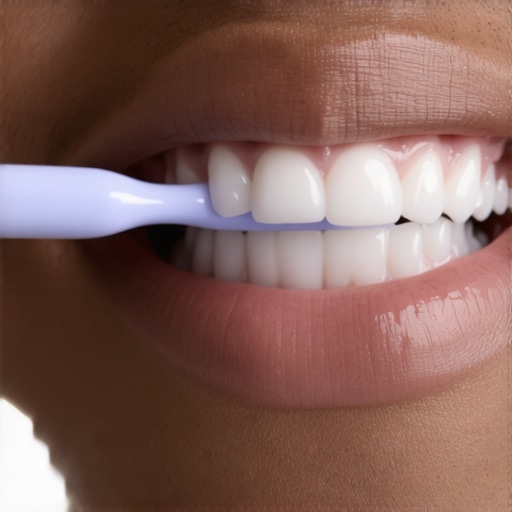 Many patients believe they understand the basics of cosmetic dentistry and orthodontic solutions like Invisalign, but in reality, common myths and overlooked nuances can lead to costly mistakes. One frequent misconception is that all Invisalign aligners are created equal; however, choosing the wrong provider or type of aligner can significantly impact your results (see how to select the right Invisalign option). Professionals know that not every case is suitable for standard aligners, and customizing treatment plans is crucial for optimal outcomes.
Another crucial point often missed in teeth cleaning routines is the importance of understanding plaque’s hidden complexity. Many neglect that it’s not just about removing surface debris but also about disrupting bacterial biofilms embedded deep within gum pockets. This is where advanced tools like ultrasonic scalers become invaluable, yet many dental practices still rely solely on traditional methods, risking incomplete cleaning and plaque buildup (learn more about effective cleaning techniques).
In cosmetic dentistry, there’s a widespread false belief that veneers are a quick fix without consequences. In fact, the placement of veneers involves subtle considerations such as enamel thickness and tooth alignment, which, if overlooked, can cause long-term aesthetic and structural issues. Experts emphasize that understanding the material and technique used can make a difference in longevity and natural appearance (discover how modern cosmetic methods improve results).
For those considering a dental consultation, recognizing the distinction between routine check-ups and specialized assessments is vital. Many assume that regular brushing and flossing negate the need for expert evaluations, but underlying problems like early enamel erosion or gum disease are often hidden until they worsen. Expert examinations can catch these issues before they escalate, saving you time and money.
An advanced tip involves understanding the synergy between diet, oral hygiene, and professional treatments. For example, frequent consumption of acidic foods can undermine your whitening efforts and enamel integrity. While many focus solely on products, the real benefit comes from a holistic approach that combines dietary adjustments with targeted dental care. Find out how to optimize your routine.
In the end, mastering the nuances of dental care requires a critical eye and ongoing education. Recognize that what may seem like minor details—such as choosing the right aligner type or understanding bacterial biofilms—can have substantial impacts on your oral health and smile aesthetics. Do you fall into these common traps? Let me know in the comments! When approached with a discerning mindset, your dental journey becomes not just about improvement but about achieving true, long-lasting health benefits.Maintaining a beautiful smile requires more than just good habits; it involves investing in the right tools and understanding effective methods to ensure long-lasting results. One of my favorite tools is the ultrasonic scaler, which I personally use during routine cleanings to disrupt bacterial biofilms embedded deep within gum pockets. Unlike traditional brushing, ultrasonic scalers use high-frequency vibrations to remove stubborn plaque and tartar without damaging enamel, making them essential for optimal oral health (learn more about effective cleaning techniques). Incorporating such advanced equipment into your dental routine can drastically reduce the risk of gum disease and maintain the integrity of your teeth over time.
How do I keep my Invisalign aligners working effectively long-term?”
Finding the right maintenance routine for Invisalign involves more than just cleaning your aligners; it requires daily attention to prevent bacteria buildup and ensure optimal performance. I recommend using an ultrasonic cleaner, a device that uses ultrasonic waves to thoroughly sterilize aligners, removing bacteria, plaque, and odors. This small investment has significantly extended the usability of my aligners and prevented discoloration or bad breath. Regularly cleaning your aligners with an ultrasonic cleaner can also prevent staining and maintain transparency, helping your treatment stay on track. Looking ahead, I predict that advancements in antimicrobial materials and smart wearables will revolutionize aligner maintenance, making it even easier to keep everything pristine without extra effort. To try one of these tips today, invest in a personal ultrasonic cleaner—your future self will thank you for a hassle-free, healthy smile. For comprehensive guidance on Invisalign maintenance, check out this detailed guide.
The Hardest Lessons I Learned About Invisalign, Teeth Cleaning, Cosmetic Dentistry, and Dentists
- Early on, I believed that quick fixes like over-the-counter whitening strips could dramatically transform my smile. It took some discomfort and sensitivity to realize that personalized, professional care is crucial, especially with thin enamel.
- I used to think all dental practices offered the same quality. Discovering that choosing the right provider with advanced tools like ultrasonic scalers made a world of difference in maintaining my oral health was a pivotal moment.
- Believing veneers were a one-size-fits-all solution almost led me to unnecessary repairs. Learning about the importance of material choice and technique taught me that customization is key to natural-looking, long-lasting results.
- Overlooking the subtle but vital role of diet in my whitening journey slowed progress. Integrating dietary awareness with a routine tailored by my dentist proved to be a game-changer for sustained brightness.
- Finally, I realized that regular dental check-ups are more than just cleaning—they are an opportunity to catch small issues before they become costly repairs. This proactive approach preserves both my smile and my confidence.
My Essential Toolkit for Smile Confidence
- Ultrasonic dental scalers—Personally, I trust these for effective plaque removal without damaging enamel. They’re a vital part of my routine that my dentist recommends for long-term health (learn more about effective cleaning techniques).
- Low-peroxide whitening gels—When used under professional guidance, these protect my sensitive enamel while brightening my smile. The key is proper application and avoiding overuse.
- Fluoride rinses and remineralizing gels—These strengthen my enamel, helping me maintain whiteness and reduce sensitivity. They’re simple but essential components of my oral care kit.
- Ultrasonic aligner cleaners—Using ultrasonic devices for aligner maintenance keeps my trays bacteria-free and transparent, ensuring my treatment stays on course (discover how to maintain Invisalign effectively).
Smile Brightening Awaits, Now It’s Your Turn
Achieving a radiant, healthy smile isn’t just about the products you choose but about understanding and implementing smart, personalized tactics. Your journey with Invisalign, teeth cleaning, and cosmetic dentistry can be smoother and more rewarding than you ever imagined. Remember, every small step—like selecting gentle whitening options or scheduling regular check-ups—adds up to a lifetime of confidence. Embark on your smile transformation today, and let your success story inspire others to look beyond the surface. What’s one change you’re excited to start implementing to protect and enhance your smile? Share below and let’s grow together in confidence and knowledge!
,