
I vividly remember the frustration sneaking up on me during a routine teeth cleaning. As my hygienist polished away, I couldn’t help but think about my first sip of coffee that very morning—a steaming cup that I cherished yet secretly dreaded for the inevitable stains it would leave behind. That moment was a lightbulb for me: I love my coffee, but I hate the stubborn stains it causes. Has this ever happened to you? If so, you’re not alone.
Why Preventing Coffee Stains Matters More Than You Think
Many of us rely on that morning ritual to kickstart our day, and it’s understandable. But coffee’s rich dark pigments are notorious for seeping into the microscopic pores of our enamel, gradually turning our bright smiles into dull, stained ones. Studies show that **coffee is among the top culprits for dental discoloration**—and the experts at the American Dental Association confirm that regular coffee drinkers are more likely to see their teeth yellow over time. This isn’t only about aesthetics; discoloration can also impact your confidence and how others perceive you.
Early mistakes, like neglecting proper oral hygiene or assuming whitening treatments are the only solution, can make the problem worse. I once tried over-the-counter whitening strips without realizing they could weaken enamel if used excessively, which ironically made stains worse in the long run. That was a wake-up call for me to explore smarter, more sustainable approaches.
Is Fighting Coffee Stains an Uphill Battle?
At first glance, it might seem like a losing fight—those deep brown streaks have a stubborn grip. But with the right strategies, it’s entirely possible to enjoy your favorite beverage without sacrificing your smile’s brightness. In the upcoming sections, I’ll share proven tips backed by cosmetic dentistry innovations on how to prevent coffee stains effectively. Ready to reclaim that radiant smile? Let’s dive into the practical solutions that transformed my mornings—and can do the same for you.
Start with a consistent brushing schedule using a fluoride toothpaste, ideally twice daily, to remove surface stains and prevent plaque buildup that can trap pigment. I remember the first time I used an electric toothbrush, which made a noticeable difference in cleaning efficiency, especially around the gum line. Be thorough, especially on the molars where stains hide. Floss daily to clean between teeth, where coffee particles can settle and cause discoloration over time.
Opt for whitening toothpaste containing mild abrasives. These help polish away superficial stains without damaging enamel. A few months ago, I tried a new whitening paste recommended by my dentist, and I saw visible results within a few weeks. Avoid excessive use of harsh whitening strips, which can weaken enamel and make stains more prominent. Instead, consult your dentist to explore tailored whitening options that suit your needs—more on that below.
Professional cleanings every six months are crucial. During my last appointment, my hygienist used modern ultrasonic scalers that removed stubborn surface stains effectively. Regular cleanings keep your enamel healthy and less porous, making it harder for coffee pigments to penetrate. For persistent staining, consider in-office whitening treatments administered by your dentist, which can lift deeper stains safely and efficiently.
When sipping coffee, use a straw to minimize contact with your teeth—an effective trick I adopted during a trip and noticed my smile stayed brighter longer. Rinse your mouth with water immediately after drinking coffee to dilute the pigments. If possible, reduce the frequency and duration of coffee consumption, especially if staining is a main concern. Timing your coffee intake with meal times can also reduce its staining potential, as saliva production increases during meals, offering natural cleansing.
While some natural methods, like baking soda rinses, can help remove surface stains, they should be used sparingly. I once tried a baking soda paste, but overdoing it scratched my enamel temporarily. Always check with your dentist before trying homemade solutions, especially if you have sensitive teeth or existing dental restorations. Consider incorporating oil pulling with coconut oil to support oral health, but remember, these are supplementary measures, not substitutes for professional care.
My routine includes scheduling checkups every six months, which keeps my smile fresh and healthy. These visits allow specialists to perform prophylactic cleanings, polishing away any early stains before they become visible issues. Discuss with your dentist about advanced treatments like enamel microabrasion or whitening if stains persist despite good habits. Visiting a professional ensures you’re using the safest and most effective methods for your teeth.
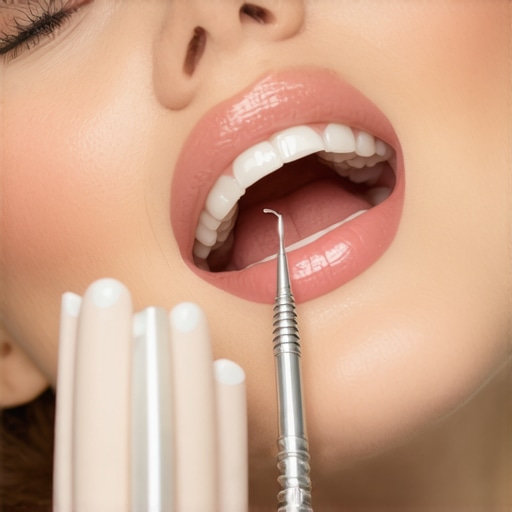 Many people believe that getting Invisalign is a simple process where aligners do all the work, but in reality, success depends heavily on proper patient compliance and understanding the nuances of treatment. For example, neglecting to wear aligners as prescribed can lead to prolonged treatment times or less-than-ideal results. Similarly, some assume that professional teeth cleaning alone can reverse all oral health issues, ignoring the importance of daily habits and targeted cosmetic procedures. In fact, advanced treatments like microabrasion or veneers require a strategic approach and understanding of their limitations, which most patients overlook.
A common myth revolves around the idea that cosmetic dentistry provides permanent solutions without maintenance. While procedures like veneers can dramatically enhance your smile, they are susceptible to chipping or staining if proper care isn’t maintained. Dental professionals often warn about the ‘oops’ of neglecting regular checkups post-treatment, which can result in unnoticed issues escalating.
From an expert perspective, one nuanced aspect many don’t realize is how individual variations in enamel thickness can influence whitening results. A 2022 study in the Journal of Esthetic Dentistry highlights that patients with thinner enamel are more prone to sensitivity and may not achieve optimal whitening outcomes with over-the-counter products. Thus, consulting with a dentist for tailored solutions is crucial for long-term satisfaction.
What about the advanced mistakes in cosmetic dentistry? Overly aggressive bleaching or microabrasion can weaken enamel, leading to increased sensitivity and structural issues down the line. The key is moderation and proper technique, which only a skilled professional can assure. Also, selecting a dentist experienced in cosmetic procedures significantly impacts the final result. A top cosmetic dentist will consider your unique oral anatomy and skin tone, ensuring the enhancement looks natural and balanced. You can learn more about choosing the right specialist in [this guide](https://smilezdentist.com/how-to-choose-a-dentist-for-your-invisalign-transformation).
In sum, the hidden nuance lies in understanding that cosmetic and orthodontic treatments are not one-size-fits-all solutions. They require careful planning, realistic expectations, and ongoing maintenance. Ignoring these complexities can lead to costly corrections or disappointed results. So, next time you consider aesthetic dental work, ask your dentist about these subtle factors and how they influence your outcome. Have you ever fallen into this trap? Let me know in the comments.Maintaining your radiant smile over the long term requires more than just good habits; it calls for the right tools and a strategic approach. Personally, I swear by using an ultrasonic scaler at home once a month, which my dentist recommended. This device effectively removes plaque and surface stains, complementing regular professional cleanings and preventing stubborn tartar buildup. I prefer models like the Philips Sonicare Interdental, which combines sonic technology with gentle interdental cleaning tips—ideal for reaching those tricky spaces between teeth where coffee or other staining agents can linger. In my experience, incorporating a high-quality water flosser, such as the Waterpik Ultra, has dramatically improved my gum health and kept my periodontal pockets from deepening. These tools not only support daily hygiene but also extend the results achieved through treatments like Invisalign or veneers, reducing the need for frequent touch-ups. Looking ahead, I believe advancements in AI-powered oral health monitoring devices will revolutionize how we maintain dental hygiene, providing personalized feedback and early warnings for potential issues before they escalate.
How do I maintain these tools over time?
Regularly replace brush heads and tips—most manufacturers recommend every three to six months—and keep your devices clean by soaking them in a vinegar solution monthly. This simple maintenance ensures optimal performance and longevity. To tailor your routine, consult your dentist about integrating professional-grade equipment into your daily regimen, which can be more effective than over-the-counter options. Remember, the key to lasting cosmetic results, whether for staining or alignment, is consistency combined with the right technology. For more insights on enhancing your smile’s longevity, I recommend exploring advanced cosmetic techniques discussed here. Don’t hesitate to try out a high-end water flosser or ultrasonic scaler—these tools can make a noticeable difference in your oral health journey.
What I Wish I Knew Before Embracing Invisalign
One of the most significant lessons I learned is that patience and consistency are your best allies during Invisalign treatment. Initially, I expected quick results but soon realized that wearing aligners diligently and following my dentist’s advice made all the difference. Skipping trays or not adhering to recommended wear times extended my treatment and eased my frustration.
The Unspoken Truth About Teeth Whitening and Stains
While countless products promise a brighter smile, I discovered that natural remedies and professional treatments have nuanced roles. Overusing whitening pastes or strips can cause enamel sensitivity, which ironically makes staining worse over time. Modern cosmetic dentistry offers tailored solutions, like microabrasion or veneers, that address stubborn stains more safely and effectively. Curious? Read more about cosmetic options for discolored teeth.
Why Regular Dentist Visits Make All the Difference
Beyond just catching cavities early, routine professional cleanings play a vital role in stain prevention. I realized that professional tools and techniques can remove surface pigmentation that home care misses. My hygienist once used an ultrasonic scaler that made my teeth feel smoother and look visibly brighter—an experience I now recommend strongly to everyone committed to maintaining their smile.
The Hidden Advantage of Advanced Dental Tools
Investing in high-quality at-home tools, like sonic toothbrushes and water flossers, complements the work done at the dentist’s office. These devices help prevent stain buildup and maintain gum health, which is essential when you’re regularly drinking coffee or indulging in vibrant foods. Incorporating these into my routine has extended the longevity of my cosmetic treatments and kept my smile radiant.
Turning Challenges into Opportunities for Confidence
Throughout my journey, I learned that facing dental concerns with informed choices transforms anxiety into empowerment. Whether it’s understanding the limitations of whitening or recognizing when professional intervention is necessary, knowledge builds confidence. If you’re ready to explore more about how cosmetic dentistry can elevate your smile, check out Invisalign innovations and other expert insights.
Insider Wisdom: Lessons from My Dental Voyage
- Expect the Unexpected: Even with the best routines, some stains are stubborn, but they’re manageable with expert help.
- Invest in Quality Tools: Durable, professionally recommended at-home devices make a tangible difference over time.
- Never Underestimate Routine Care: Regular visits and diligent daily habits are the backbone of a lasting radiant smile.
- Personalized Approaches Matter: Every smile is unique—consulting your dentist ensures treatments align with your needs, reducing surprises and disappointment.
- Patience Is a Virtue: Results take time, but with perseverance, the results are well worth it—confidence, aesthetics, and health all improve together.
Where to Go from Here to Brighten Your Smile
If you’re inspired to take your dental health and aesthetics seriously, start with trusted tools like a sonic toothbrush or schedule a professional whitening session. Consider seeking an experienced cosmetic dentist who can customize a plan tailored specifically for your smile goals. For comprehensive insights, explore the latest cosmetic dentistry trends and see how modern solutions can elevate your confidence.
Your Smile Awaits Its Best Chapter
Every step toward healthier, brighter teeth is a step toward a more confident you. Don’t wait for the perfect moment—start today, and see how small changes can lead to extraordinary results. Remember, your smile is your best asset; invest in it wisely and confidently. What’s one change you’re willing to make to enhance your smile? Share below—I’d love to hear your story!