
I couldn’t stop running my tongue over them. It felt like my mouth had been replaced with a set of tiny, porcelain steak knives. I actually called my dental office back that afternoon, convinced the hygienist had accidentally chipped a molar or scaled away half of my natural enamel. I was panicked, slightly annoyed, and honestly, a little bit embarrassed. It turns out, I wasn’t experiencing a dental disaster; I was finally feeling the actual shape of my teeth for the first time in years. If you are currently flicking your tongue against a seemingly ‘pointy’ incisor, take a deep breath. You aren’t broken.
That Panic When Your Tongue Hits a Sharp Corner
I made a classic mistake a few years back: I skipped my checkups for nearly twenty-four months because life just got in the way. When I finally sat in the chair for a professional teeth cleaning, the result was a total shock to my senses. The truth is, my mouth had grown accustomed to a ‘sweater’ of tartar that had smoothed over the natural nooks and crannies of my smile. We often talk about why the back of your lower teeth always collects the most tartar, but we don’t talk enough about the weird sensory experience of getting rid of it. That ‘sharpness’ you feel is simply the crisp, clean edges of your teeth that have been buried under hardened plaque (calculus) for far too long. Today, I want to pull back the curtain on why this happens and why that ‘glassy’ feeling is exactly what you should be aiming for.
Is it possible the hygienist actually damaged my enamel?
It is the number one fear I hear from friends and neighbors. We worry that the scraping and vibrating tools are ‘filing down’ the teeth. However, dental enamel is the hardest substance in the human body. According to the American Dental Association (ADA), dental calculus is a mineralized deposit that bonds to the tooth so strongly that only professional scaling can pop it off; the tools are designed to shatter the ‘stone’ of the tartar without harming the structure beneath. In fact, many teeth cleaning myths debunked by top dentists confirm that the ‘gaps’ or ‘sharpness’ you feel are just your anatomy returning to its intended state. Have you ever walked out of a cleaning and spent the entire drive home obsessing over a ‘new’ space between your teeth that wasn’t there an hour ago? You aren’t alone, and it’s actually a sign that your gums can finally breathe again. When you start maintaining your teeth cleaning routine for long-term health, that shock factor eventually disappears because you never let the ‘filler’ build up in the first place. This sensation is the first step toward a healthier mouth, and I promise, your tongue will get used to the new neighborhood in just a few days.I remember the first time I had a deep cleaning after a long hiatus. I went to a local burger joint right after, and every time my tongue brushed against the back of my lower front teeth, I jumped. It felt like I was eating with a mouth full of jagged glass shards. I actually stopped mid-bite, pulled out my phone, and used the front-facing camera to see if the hygienist had accidentally broken my teeth. What I saw wasn’t damage; it was the actual, scalloped anatomy of my incisors. For years, I had a ‘calcified bridge’ connecting those teeth into one solid block. Removing it was like taking a heavy winter coat off in July—the sudden exposure to the air was jarring, but necessary.
Stop fearing those crisp new edges
The first thing you have to do is stop poking the area with your tongue. I know, it’s impossible. But every time you ‘check’ the sharpness, you are essentially irritating your tongue’s delicate surface against the newly cleaned enamel. Think of it like a new pair of shoes; they aren’t ‘sharp,’ they are just structured. In a few days, your brain will stop sending ‘alert’ signals to your nervous system. If you find the sensitivity is too much, teeth cleaning for sensitive teeth what works best in 2025 suggests using a potassium nitrate toothpaste to calm the nerves while your gums settle down. 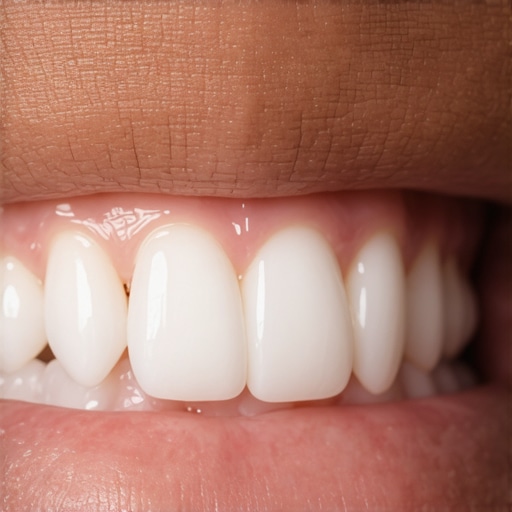
Why your teeth feel like polished glass after a professional prophy cleaning
That incredibly slick, almost slippery texture is the goal. When your hygienist uses the prophy paste—that gritty stuff that tastes like fake mint or bubblegum—they are essentially polishing out the microscopic craters where bacteria love to hide. This isn’t just for looks; it makes it much harder for new plaque to stick. To keep this going, you need to be diligent about maintaining your teeth cleaning routine for long-term health. If you let it go, you’ll notice that ‘furry’ feeling returning within hours. In fact, why your teeth feel furry only four hours after cleaning usually points to a high-sugar diet or a missed spot during your morning brush.
Managing the ‘new’ gaps between your teeth
Once the ‘filler’ (the tartar) is gone, you might see tiny black triangles near your gumline. Don’t panic and assume your gums are receding. Most of the time, the gums were just swollen and pushed back by the tartar. Now that the area is clean, the inflammation goes down, resulting in the soggy feeling in your gums after a professional cleaning that eventually firms up. This is actually a great time to evaluate your smile. If those gaps bother you, you might look into how we close a small gap between teeth in one visit using bonding. Or, if the cleaning revealed that your teeth have shifted over the years, exploring the ultimate guide to Invisalign for adults in 2025 could be your next logical step. The cleaning is the ‘reset’ button that lets you see what you’re actually working with.
What to do if you find a real chip
Occasionally, the tartar was actually holding a tiny piece of a broken tooth in place, or just masking a crack. If you run your tongue over a spot and it feels genuinely jagged—not just crisp—you might have a minor structural issue. I’ve seen cases where we can stop a small chip in your tooth from getting bigger with a quick smoothing treatment. For more visible issues, how we use bonding to fix a chipped tooth in under 45 minutes is a lifesaver. It’s better to address these ‘revealed’ problems now while your mouth is at its cleanest.
But here is the nuance most people miss: that ‘clean’ window is incredibly short-lived. Most patients think a professional cleaning is a permanent reset for their stains. It isn’t. Within minutes of a cleaning, a protein film called the ‘acquired pellicle’ forms on your teeth. While this protects your enamel, it’s also the ‘velcro’ that grabs onto tannins from your morning brew. This explains the real reason your coffee stains come back a week after a professional cleaning. To fight this, you need to be tactical during the first 48 hours, perhaps even using the trick to making professional whitening last through your morning coffee if you’ve opted for a brighten-up session as part of the ultimate guide to teeth whitening and cosmetic enhancements.
Avoid the Dangerous ‘Weekend Warrior’ Trap with Your Aligners
If you are currently using clear aligners to fix your smile, there is a common mistake I see all the time: the ‘Weekend Warrior’ mentality. Many patients believe that if they skip wearing their trays for a wedding or a weekend trip, they can simply wear them for a few extra hours on Monday to ‘catch up.’ This is a biological impossibility. According to a study published in the Journal of Clinical Orthodontics, the periodontal ligament requires constant, low-level pressure to remodel the bone around the tooth. When you skip a weekend, the teeth begin to drift back to their original positions. When you force that tray back on, you aren’t just ‘catching up’; you are putting excessive stress on the roots. This is often the truth about why your front teeth feel loose on invisalign tray swap days. Consistency is more important than total force. Following invisalign maintenance expert tips for clear confident smiles is the only way to avoid extending your treatment by months. Have you ever fallen into this ‘weekend warrior’ trap with your aligners? Let me know in the comments.
Why does my bite feel ‘heavy’ or ‘off’ after a routine prophy?
It sounds counterintuitive, doesn’t it? You remove the ‘junk’ from your mouth, and suddenly your bite feels weirdly heavy or misaligned. This happens because the brain is incredibly sensitive to changes in the mouth—down to the micron level. For years, that tartar bridge acted as a ‘bio-shim,’ slightly changing how your upper and lower teeth met. Once it’s gone, your teeth are finally contacting each other directly. While it feels ‘off’ for 48 hours, it’s actually the first time your bite has been anatomically correct in a long time. If you notice that your teeth are actually crooked once the ‘filler’ is gone, it might be time to look into the ultimate guide to invisalign for adults in 2025 to properly align your natural structure rather than relying on calculus to fill the gaps.
Stop Scrubbing Your Way to Sensitivity With Charcoal Pastes
Everyone says charcoal is a ‘natural’ miracle for whitening, but in my experience, it’s a shortcut to permanent sensitivity. The Relative Dentin Abrasivity (RDA) index measures how much a toothpaste wears down your enamel. Many charcoal products have an RDA that is dangerously high, effectively sanding off your protective outer layer to reveal the whiter (but more sensitive) layer beneath. You should perform the grit test how to tell if your charcoal toothpaste is destroying your enamel before committing to it. Many cosmetic dentistry myths debunked what you really need to know center around these DIY ‘hacks’ that end up costing thousands in restorative work later. If you are truly unhappy with your shade, it is far safer to consult a professional about cosmetic dentistry for discolored teeth your path to radiance rather than using abrasive kitchen ingredients. Professional care is designed to protect the integrity of your enamel while achieving the aesthetic results you want. Don’t trade your long-term dental health for a temporary, ‘scrubbed’ white look.
Instead of reaching for the abrasive charcoal, I want to talk about what actually lives in my bathroom cabinet to protect the work I’ve had done. If you have any kind of permanent work—whether it’s a wire retainer or a few veneers—you know the terror of a standard piece of floss getting shredded and stuck. I personally swear by a high-end water flosser because it is the best way to clean a permanent retainer without shredding your floss. I use it on the ‘pulse’ setting because it massages the gum tissue, stimulating blood flow to those areas that often get neglected. Since making the switch, the ‘sharp’ feeling I get after a professional cleaning lasts weeks longer because I’m effectively flushing out the biofilm before it can mineralize into that stubborn stone.
Upgrade your morning routine with my favorite tech
I often get asked if the brand of electric toothbrush really matters. In my experience, the difference lies in the vibrations per minute. A sonic brush that hits 62,000 brush movements per minute isn’t just marketing; it creates a ‘fluid dynamics’ effect that pushes toothpaste and water into the gaps between your teeth where the bristles can’t physically reach. This is a game-changer for anyone maintaining your teeth cleaning routine for long-term health. When I travel and have to use a manual brush, I can feel the ‘fuzz’ returning by lunchtime. With the sonic tech, that glassy sensation stays put. If you’ve felt that teeth cleaning for sensitive teeth what works best in 2025 includes better tools, you’re right; these brushes often have pressure sensors that stop you from scrubbing your gums into recession. 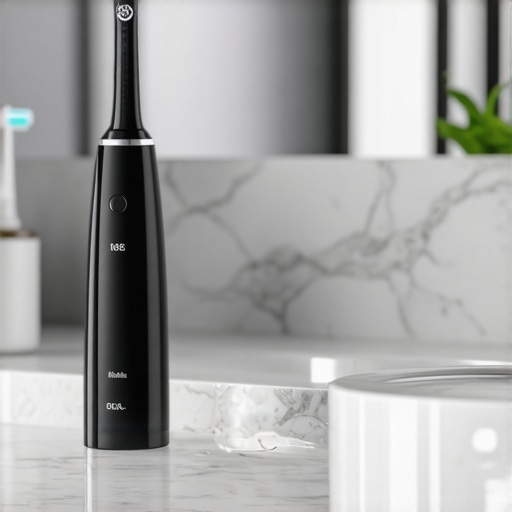
How do I maintain my results between professional visits?
The secret is consistency and a few ‘pro’ hacks. First, I use a straw for anything that isn’t water. It sounds high-maintenance, but it’s the trick to making professional whitening last through your morning coffee. Second, I don’t rinse with water immediately after brushing with fluoride toothpaste; I spit and let the residue sit for five minutes to actually remineralize the enamel. According to the Swiss Dental Academy’s Guided Biofilm Therapy (GBT) protocol, maintenance is moving away from ‘scraping’ and toward ‘airflow’ technology that uses erythritol powder to gently clear away bacteria. This is why modern teeth cleaning innovations that reduce sensitivity and boost results are becoming the standard in top-tier clinics.
Look into the future of home-based scanning
I predict that by 2027, we won’t just be ‘hoping’ our aligners are working. We are already seeing the rise of AI-driven home monitoring apps. You take a scan with your phone, and the software tells you if your tooth is ‘tracking’ before you even move to the next tray. This is the ultimate evolution of invisalign maintenance expert tips for clear confident smiles because it removes the guesswork. If you are serious about how regular teeth cleaning can prevent major dental issues, you have to treat your home care like a professional habit. My best advice? Invest in a water flosser this week and commit to using it every single night before bed for fourteen days. You will be shocked at how much ‘debris’ a standard brush misses, and your hygienist will definitely notice the difference at your next checkup. If you aren’t sure where to start, you can always contact us to find a specialist who can audit your current routine.
Three Realizations That Changed My Oral Health Forever
After navigating my own dental journey, I’ve had a few ‘lightbulb’ moments that I wish someone had shared with me sooner. First, I learned that dental tartar isn’t just a cosmetic issue; it’s a physical intruder that changes the way your mouth feels. When it’s gone, that ‘sharp’ sensation is actually your natural anatomy saying hello. Second, I realized that teeth cleaning tips for a brighter smile this spring aren’t just seasonal advice—they are year-round habits that prevent that ‘furry’ plaque from hardening into stone. Finally, the most important lesson: a little bit of sensitivity today is a small price to pay for a lifetime of keeping your natural teeth. It’s always better to feel a crisp edge than to ignore a growing problem.
Upgrade Your Bathroom Counter with These Essentials
If you want to maintain that ‘just-left-the-hygienist’ feeling, you need the right gear. I personally rely on a water flosser because it is the best way to clean a permanent retainer without shredding your floss, especially if you have bonded wires or tight gaps. I also highly recommend switching to a sonic toothbrush; modern teeth cleaning innovations that reduce sensitivity and boost results prove that technology does the heavy lifting so your gums don’t have to suffer. Lastly, don’t overlook your toothpaste. Understanding the truth about sensitive toothpaste and how long it takes to work can save you weeks of discomfort while your enamel settles after a deep scale.
Own Your Oral Health Future
The journey to a perfect smile doesn’t end when you leave the office. It’s about taking those first brave steps and finding a dentist who gets your smile tips from top cosmetic pros so you feel supported every step of the way. Don’t be afraid of the new sensations or the crisp edges of your clean teeth. Embrace the change and commit to a routine that honors your health. Your future self will thank you for the effort you put in today to maintain a professional teeth cleaning standard at home. Have you ever been shocked by how different your mouth felt after a long-overdue cleaning? Let me know your experience in the comments below!