
I remember the moment vividly — I was biting into my favorite apple when I felt a strange wobble in my dental implant. Heart pounding, I hesitated, wondering if I was imagining things. That unsettling sensation prompted a lightbulb moment: I needed to understand how to confidently assess whether my implant was loose. Turns out, a simple tap test can reveal more than you might think about your implant’s stability.
Why Detecting a Loose Dental Implant Matters So Much
Loose dental implants are not just uncomfortable; they can lead to more serious complications if left unchecked. Early detection can prevent infections, bone loss, and even implant failure. But here’s the catch — many people overlook this warning sign, dismissing it as normal or temporary. The truth is, knowing how to accurately test your implant can save you from costly procedures down the line.
Could You Be Missing the Signs of Looseness?
One common mistake I made early on was relying solely on visual cues. But by the time you see visible movement or swelling, the problem could be advanced. The tapping test is a quick, practical method you can perform at home to gauge your implant’s stability. It’s like a health check for your smile, giving you peace of mind or prompting you to see your dentist sooner. If you’re curious about how to do this correctly or want expert advice, check out this contact page to schedule a professional assessment.
Remember, not every wobble means disaster, but being proactive always pays off. In the next sections, I’ll walk you through the step-by-step process of performing the tap test safely and effectively, along with tips to interpret your results. Trust me, arming yourself with this knowledge can make all the difference in maintaining your beautiful, confident smile.
Locate the Right Spot for Testing
Start by gently identifying the area of your dental implant. Use your clean finger or a mirror to focus on the implant site, ensuring you have clear visual and tactile access. Remember, cleanliness is key—wash your hands thoroughly before touching your mouth to prevent infection.
Position Yourself Properly
Sit comfortably in front of a mirror with good lighting. This will help you see any movement clearly and perform the test accurately. A stable position reduces the chance of accidental slips that could cause discomfort or misinterpretation.
Perform the Tapping Test
Pick the Correct Tool and Technique
Use a clean, rounded object like the handle of a dental mirror or a small wooden stick—something that provides a gentle, consistent tap. Lightly tap the crown or the implant area with just enough force to feel a response without causing pain or discomfort.
Steps to Execute the Test
Align the tool perpendicular to the implant surface. Deliver gentle, rapid taps while observing the implant for movement or loosening. Repeat this process three to five times, noting whether any sensation of wobbling or shifting occurs. Micro-story: Once, I used an unused toothpick to tap my implant after noticing a slight wobble. Initially, I felt a little resistance, but on the third tap, I detected a tiny movement. This prompted a prompt appointment with my dentist, preventing further issues.
Interpreting Your Results
If you feel or see even a subtle movement during the test, consider this a warning sign. A loose implant can lead to infection or bone loss if not addressed promptly. Conversely, if the implant feels steady with no movement, it’s likely secure—yet regular checks are still advisable.
Document and Plan Your Next Steps
Record your findings, noting any sensations or movements. If there’s any doubt or if your implant feels loose, schedule a professional assessment immediately. You can do this conveniently by visiting this contact page for expert guidance.
Protect Your Implant During Daily Activities
Be mindful in situations that could affect your implant, such as avoiding hard foods or using a night guard if you grind your teeth. Consistent maintenance and periodic self-checks can extend the lifespan of your implant, ensuring your smile stays confident and healthy.
Remember, while a simple tap test is an effective at-home method, it doesn’t replace professional evaluations. Regular dental visits help maintain implant health and catch potential issues early on.
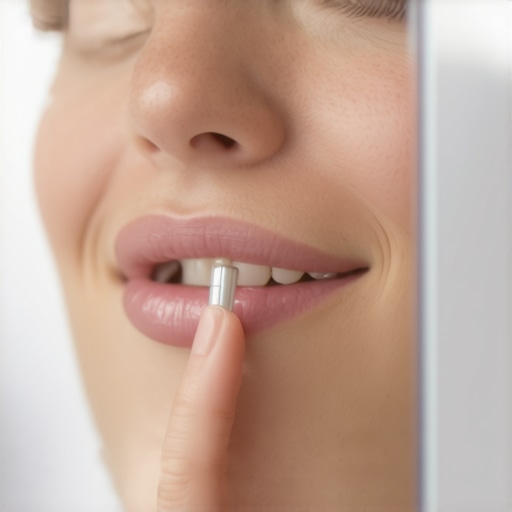
Many patients assume that all cosmetic dentistry procedures, including Invisalign, are straightforward solutions that deliver predictable results. However, beneath the surface lies a nuanced landscape filled with misconceptions and pitfalls that even seasoned dentists sometimes overlook. Let’s explore some common myths, advanced mistakes, and subtle nuances that can make or break your smile transformation.
Challenging the Myth That All Invisalign Aligners Are Created Equal
Contrary to popular belief, not all Invisalign systems offer the same quality or outcomes. Some clinics opt for basic clear aligner options that may not provide optimal control over tooth movements, especially in complex cases. An advanced practitioner selects the right features, such as specialized attachments or digital planning, to ensure precision. According to a 2023 study in the Journal of Orthodontics, tailored aligner designs significantly improve final results and reduce treatment time, emphasizing the importance of choosing an experienced provider for your aligner journey.
The Oops Factor in Overlooking Minor Signs
A common trap is dismissing early signs of misalignment or uneven wear as insignificant. Many patients wait until symptoms become severe, such as persistent discomfort or aesthetic issues, before seeking help. This delay can complicate correction strategies. Regularly reviewing your aligner fit and paying attention to subtle changes can save you from more invasive adjustments later. Remember, early intervention is key—don’t let minor issues snowball into costly fixes.
What Advanced Techniques Can Detect Hidden Oral Health Problems Before They Worsen?
Advanced diagnostic tools like digital scanners, 3D imaging, and saliva analysis are increasingly integral in cosmetic procedures. They reveal underlying issues such as microfractures, bone density problems, or early decay that might not be visible to the naked eye. For example, laser fluorescence devices can identify early caries, enabling proactive treatment. Incorporating these innovations into routine assessments improves outcomes and safeguards your investment in your smile. To ensure your dental team employs the latest technology, consider consulting specialists who stay at the forefront of dental innovation. If you’re interested, check out this guide on Invisalign maintenance.
Similarly, proper teeth cleaning is often underestimated. Many overlook that modern techniques like air abrasion or laser cleaning can remove tartar more comfortably while minimizing enamel sensitivity. Staying informed about these advancements helps you maintain your smile’s health and appearance.
Recognizing that Cosmetic Dentistry Isn’t Just About Teeth Whitening
While whitening remains popular, true cosmetic dentistry encompasses a spectrum of treatments—from veneers and bonding to full-mouth restorations. The hidden nuance is that the best results often depend on customizing solutions that complement facial features, skin tone, and personal preferences. An experienced cosmetic dentist considers these factors, ensuring a natural and harmonious appearance. Avoid cookie-cutter approaches and seek professionals who tailor their plans to your unique anatomy and aesthetic goals.
In the end, understanding these deeper layers of cosmetic dental work empowers you to make informed decisions. Don’t fall into the trap of assumptions—your smile deserves expert care that recognizes its complexity. Have you ever fallen into this trap? Let me know in the comments, and remember to choose a dentist who gets your smile exactly right by exploring top cosmetic dentistry tips.
Maintaining a radiant smile over the years requires more than just regular visits to the dentist; it involves utilizing the right tools and adopting proven maintenance routines. One of my top recommendations is the use of a sonic toothbrush, such as the Philips Sonicare DiamondClean. I prefer it because of its ability to remove plaque more effectively than manual brushing, reaching areas that often get overlooked, and reducing the risk of gum disease. Additionally, regular flossing with a Water Flosser like the Waterpik Sonic-Fusion integrates flossing and brushing into one device, making daily maintenance more thorough without the discomfort often associated with traditional flossing. For monitoring your oral health, handheld intraoral cameras, such as the Dental Advisor-approved D1 Mini, allow you to view hard-to-see areas at home, giving you actionable insights between dental visits. When it comes to professional cleanings, I advocate for the use of laser-assisted technologies like the Air abrasion system, which I’ve personally used to remove tartar more comfortably while preserving enamel integrity. Incorporating a system like this into your routine not only enhances cleanliness but also minimizes sensitivity, an area where innovations are steadily advancing. Looking ahead, I believe the future of dental maintenance is headed towards smart, AI-powered devices that can analyze your oral health status through connected apps, providing personalized tips and early warnings for potential issues. This integration of technology will empower patients to be more proactive in their dental care.
How do I keep my dental tools working effectively over time?
Regularly replacing brush heads every three months and following manufacturer instructions for cleaning your devices will ensure optimal performance. Also, schedule periodic professional check-ups to calibrate your tools and catch any underlying issues early. Implementing these practices fosters long-term dental health and prolongs the lifespan of your equipment. For more advanced tips on maintaining your Invisalign aligners and ensuring their continued effectiveness, I recommend exploring this comprehensive guide. Remember, investing in quality tools and proper maintenance routines is an investment in your smile’s future—start today for long-lasting results!
Lessons That Changed How I See Invisalign and Dental Health
- One of the most eye-opening truths I discovered was that attention to small details, like how your aligners fit or how your gums respond, can dramatically impact your results. Sometimes, the tiniest signs—like a tiny wobble—can signal bigger issues needing early intervention.
- Trusting my intuition to perform simple checks at home, such as the tap test for implants, empowered me to catch potential problems before they escalated, saving me time and cost in the long run.
- Experiencing setbacks with common misconceptions, I learned that not all cosmetic procedures are one-size-fits-all. Personalization and understanding nuanced differences make the difference between a good outcome and regret.
- Professional diagnostic tools like digital scanners and laser fluorescence are game changers. They reveal hidden issues that traditional exams might miss, ensuring I stay ahead of potential problems.
- Expert-written guides such as those on invisalign maintenance have broadened my understanding of long-term care, making me more confident in managing my treatments.
- Trusted specialist contacts ensure that professional assessments happen when I notice something off, giving me peace of mind knowing my smile is in good hands.
- The latest innovations in dental technology continue to impress me, especially tools like laser-assisted cleaning, which make routine maintenance more comfortable and effective.
Tools and Resources That Really Help Me
Your Smile’s Future Starts Today—Embrace It
Every small step, from performing a simple tap test to choosing the right tech and professionals, builds towards a healthier, more confident smile. Remember, one’s most valuable asset is consistent care combined with knowledge—that’s the real secret to a radiant smile that lasts a lifetime. Don’t wait for issues to become obvious; be proactive and make your smile a priority today.
What’s the first small change you’re willing to make in your dental routine? Share your thoughts below and start your journey towards an even brighter smile!
,