
I’ll never forget that sinking feeling during my last dinner out. Mid-bite, I noticed something felt off—the tiny attachment on my tooth had mysteriously disappeared. Disappointment and a bit of panic set in. If you’ve ever found yourself in this situation, you know how frustrating it can be, especially when you’re trying to enjoy a meal without stressing about your orthodontic journey.
The Real Scoop on Invisalign Attachments Missing During Meals
So, why does this happen? Invisalign attachments are meant to be sturdy little fixtures that help your aligners grip your teeth better, ensuring effective movement. However, eating certain foods, accidentally biting into hard items, or even just speaking too forcefully can cause these attachments to come loose. Early in my treatment, I made the mistake of ignoring a loose attachment, thinking it was no big deal. That was a costly oversight because it delayed my progress. Remember, ignoring such issues can lead to longer treatment times or discomfort down the line.
Ever Wonder If It’s Worth Fixing Immediately?
Many people worry about whether they should see their orthodontist right away or try to handle it themselves. Trust me, waiting too long isn’t advisable, but rushing in unprepared can also cause problems. If you’re unsure how to navigate this, keep reading—I’ll walk you through practical steps to handle your situation confidently and effectively.
Have you experienced a lost attachment during a dinner or social event? Share your story—I’d love to hear how you managed it! Now, let’s dive into what you can do right now to stay on track with your Invisalign journey without missing a beat.
Assess the Situation Quickly
When you notice an attachment is loose, stay calm and avoid pulling on your aligners excessively. Gently check if it’s just slightly lifted or completely detached. This initial assessment determines whether you can handle it at home or need professional help. Remember, ignoring a loose attachment can delay your treatment, so act promptly.
Clean the Area and Prepare for Fixing
First, thoroughly rinse your mouth with water to remove any debris or food particles around the attachment. Use a soft-bristled toothbrush to gently clean the tooth and attachment site. This step is critical because a clean surface ensures better adhesion if you decide to reattach it yourself or show the damage to your orthodontist. Think of it like preparing a surface before applying paint; cleanliness matters for a durable bond.
Attempt a Temporary Reattachment at Home
Gather the Necessary Supplies
Get some dental wax, orthodontic gripping wax if you have it, and clean, dry hands. You might also use a small amount of dental cement or special adhesive recommended by your dentist, available at some pharmacies. Be cautious with adhesives—avoid using superglue or household glues, as they are not safe for oral use.
Follow Precise Steps to Secure the Attachment
Dry the area again with a tissue or gauze. Carefully apply a tiny amount of dental adhesive to the attachment or the tooth, avoiding excess that could irritate your gums. Gently press the attachment back into place and hold it for a few minutes to allow it to set. If you’re unsure, consult the detailed process in this guide for more tips on handling detachments at home.
Keep in mind, this is a temporary fix only. Schedule an appointment with your orthodontist ASAP to ensure proper reattachment and optimal treatment progress.
Communicate Clearly with Your Orthodontist
After attempting to fix it or if you encounter difficulties, contact your provider through contact us. Provide detailed information about what happened, including photos if possible. This helps your dentist determine whether a professional reattachment or replacement is required.
Prevent Future Losses with Proactive Measures
Be cautious during eating and speaking—avoid biting into hard foods, and consider using chewies or silicone-based products to seat your aligners more securely. Regularly visiting your dentist for check-ups can catch potential issues early, reducing the risk of attachment loss. For comprehensive advice on maintaining your Invisalign system, see the latest Invisalign innovations.
By adopting these practical steps, you can manage minor issues without unnecessary delays, keeping your smile transformation on track and minimizing discomfort.
Many people operate under myths about cosmetic dentistry, believing that choosing the latest whitening gel or quick veneer procedure guarantees a perfect smile. However, as an expert in dental aesthetics, I can tell you that misconceptions about Invisalign aligners and teeth cleaning can cause more harm than good if not understood properly.
Don’t Fall for theKeeping It Working: Essential Tools and Practices for Long-Term Invisalign Success
Ensuring your Invisalign treatment progresses smoothly over time requires more than just wearing your aligners diligently. The right tools and consistent maintenance routines are critical. Personally, I recommend investing in a quality ultrasonic toothbrush, such as the Philips Sonicare, which I use daily to keep my aligners and teeth impeccably clean. Its ultrasonic technology effectively removes plaque and biofilm, reducing the risk of discoloration or bacterial buildup that can compromise your treatment results.
Another indispensable tool is a set of interdental brushes. I favor the GUM Proxabrush Go-Bermuda Triangle-type because their small size allows them to clean around attachments and hard-to-reach areas without causing damage. Regular interdental cleaning prevents tartar accumulation and ensures your attachments remain firmly bonded. Much like a good mechanic maintaining a vehicle, routine inspections and cleanings safeguard your investment in your smile.
For tracking your progress and staying vigilant about oral health, I utilize dental monitoring apps like Dentacare, which sync with my dental provider. These apps enable remote consultations, permit the dentist to spot early issues, and help me adhere to treatment schedules. The integration of technology into dental care is just beginning, and future innovations—such as AI-driven analysis—promise even more personalized maintenance plans.
If you’re serious about long-term results, consider scheduling periodic professional check-ups. During these visits, your dentist can assess the integrity of attachments, check for any early signs of wear, and perform professional cleanings that reach beneath the aligners. Research indicates that regular maintenance extends the lifespan of aligners and boosts treatment outcomes, so mutual vigilance matters.
Ask Yourself: How Do I Maintain My Invisalign System Over Time?
One practical tip I recommend is establishing a strict oral hygiene routine that includes brushing after every meal and using recommended cleaning tools. Don’t underestimate the power of a bio-mineral glaze treatment, which can protect enamel and improve bond strength, as detailed in this article. Committing to these practices not only preserves your teeth’s health but also ensures your attachments stay secure, minimizing delays and discomfort.
In the coming years, I predict that advancements like nano-bonding and bioactive materials will become standard, offering greater durability and biocompatibility, making Invisalign maintenance even more seamless. For now, employing high-quality cleaning devices, leveraging technology, and keeping up with professional consultations are your best bets to keep your smile transformation on track. Remember, a well-maintained system today secures your confident smile tomorrow.
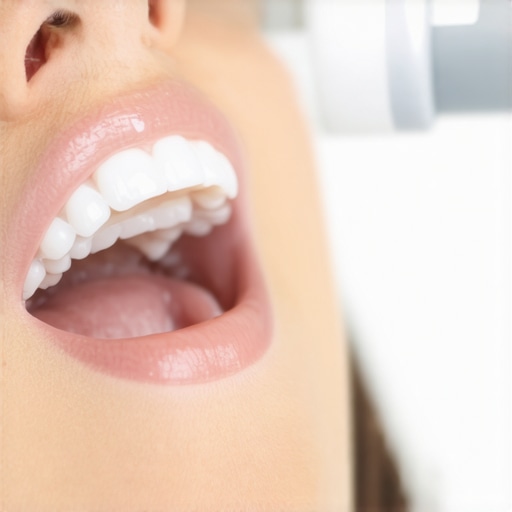
What I Wish I Knew Before Starting Invisalign
One of the most valuable lessons I learned is that encountering minor setbacks, like loose attachments, isn’t a sign of failure but an opportunity to refine your routine and understanding. Embracing these moments helped me develop patience and better communication with my dentist, leading to a smoother process overall. Remember, every challenge carries a hidden lesson that brings you closer to your perfect smile.
Tools That Made a Difference in My Treatment
Investing in a high-quality ultrasonic toothbrush revolutionized my oral hygiene routine, making it easier to keep aligners and teeth spotless. Interdental brushes became my best allies for cleaning around attachments, preventing plaque buildup and ensuring secure fitment. These tools, combined with regular check-ups, turned dental maintenance into a manageable part of my daily life, proving that the right resources accelerate progress.
The Power of Proactive Care
Consistently scheduling professional cleanings and monitoring my progress through dental apps kept issues like attachments falling off at bay. This proactive attitude created a sense of control and confidence, transforming what initially seemed like hurdles into steps toward a healthier smile. Taking responsibility for upkeep not only improved my treatment outcome but also strengthened my trust in my dental team.
Insider Wisdom for Lasting Results
- Stay ahead of problems: Regularly inspect your attachments and aligners to catch issues early, avoiding delays.
- Prioritize cleanliness: A clean mouth means better adhesion and fewer irritations, making tools like interdental brushes indispensable.
- Communicate openly: Never hesitate to share concerns with your dentist; transparency ensures tailored guidance and swift solutions.
- Embrace technology: Apps and remote consultations help maintain momentum, especially when in-person visits are limited.
Explore More to Elevate Your Smile
Books like The Secret To a Hollywood Smile broaden your understanding of cosmetic dentistry trends, inspiring confidence in your choices. Additionally, tools like the latest Invisalign innovations can enhance your treatment experience. Remember, the journey to a captivating smile is as much about knowledge as perseverance.
Your Smile Adventure Awaits
Taking charge of your Invisalign experience today can lead to stunning results tomorrow. Embrace continuous learning, leverage the right tools, and stay connected with your dental team. Every step you take today plants the seeds for a future filled with confidence and joy. Let your commitment to self-care be the catalyst for the smile you’ve always dreamed of.
What’s the biggest lesson you’ve learned on your smile transformation journey? Share below—I’d love to hear your story!
Comments are closed.