
I remember the moment vividly—sitting in the dentist’s chair, feeling the sting of my own negligence, wondering why my gums still bled despite flossting three times a day. It was a lightbulb moment that shifted my entire approach to oral hygiene. I had been trying to do too much, spreading myself thin across multiple inadequate flossing sessions, rather than focusing on consistency and quality. That realization made me question so many of the common dental advice we hear.
The Power of Simplicity in Flossing
What if I told you that flossing once a day, done thoroughly and correctly, can make a more significant difference than rushing through three poorly executed sessions? I know it sounds counterintuitive. Our instinct says more is better, right? But in the world of dental health, quality truly beats quantity. Early on, I made the mistake of thinking that flossing multiple times helped cover more ground, but I was actually damaging my gums by doing it poorly. The truth is that consistent, effective flossing is more beneficial than frequent but sloppy efforts.
Interestingly, studies support this approach. According to research published in the Journal of Periodontology, proper daily flossing can significantly reduce plaque buildup and inflammation, which are primary contributors to gum disease (source: [link](https://smilezdentist.com/teeth-cleaning-myths-debunked-by-top-dentists)). This evidence reassured me that I was on the right track. Now, I focus on making my single daily session count, emphasizing technique and thoroughness.
So, if you’ve ever felt overwhelmed or guilty because you couldn’t keep up with multiple daily flossings, know you’re not alone. The secret isn’t in how often you floss but how well you do it. Up next, we’re going to explore practical ways to maximize your flossing routine, ensuring each effort delivers real benefits. Are you ready to transform your dental habits and see lasting improvements? Let’s dive into the next steps together.
Master Your Flossing Technique
Choose the Right Floss for You
Start by selecting a floss type that suits your gums and preferences—waxed, unwaxed, or floss picks. I once struggled with traditional floss and found that switching to silicone interdental brushes made a noticeable difference in effectiveness and comfort. Experiment until you find what feels best; this ensures consistency over time.
Proper Flossing Grip and Length
Hold the floss firmly between your thumb and forefinger, leaving about 1-2 inches of floss between them. Think of it like a mini lasso; control and precision are key. During my initial attempts, I realized that using too little floss caused me to miss spots, so I ensure a longer section to work with, reducing the risk of snapping the floss.
Gentle, C-Shape Motion
Bring the floss to the gum line and curve it into a C-shape around each tooth, gently sliding beneath the gumline. Imagine shaping the floss around a tiny letter C—this deep clean targets plaque effectively. I once used a harsh back-and-forth motion, which irritated my gums. So now, I focus on a slow, gentle glide to prevent injury and maximize cleaning.
Vertical Cleaning Technique
Slide the floss vertically against each side of the tooth, moving up and down to remove plaque from the sides and under the gumline. This method is like vertically squeegeeing dirt from a window—thorough and methodical. I applied this during a weekend routine, and the next day, noticed less bleeding and fresher breath.
Schedule and Consistency
Set a daily reminder to make flossing non-negotiable. Once I committed to flossing at night, I found it easier to develop a habit. Remember, even a single, well-executed session a day can vastly improve your gum health compared to sporadic, incomplete efforts. Regularity prevents stubborn tartar buildup and reduces visits to the dentist for scaling procedures.
Enhance Your Routine with Technology
Consider tools like Water Flossers or Bluetooth-connected flossers to boost effectiveness. These devices can reach tight spaces more comfortably and motivate you through app reminders. When I invested in an oral irrigator, I noticed a significant reduction in inflammation, especially around my wisdom teeth, which tend to be tricky to clean.
Mind the Flossing Pressure
Apply gentle pressure—think of petting a delicate animal, not scrubbing a stubborn stain. Excessive force can cause gum recession and bleeding. During my initial attempts, I was too vigorous, which irritated my gums and caused discomfort. Now, I concentrate on soft, controlled movements that do the job without harm.
Addressing Common Mistakes
Avoid rushing or missing behind back molars; these areas harbor bacteria and are often overlooked. I personally used to neglect my molars until I decided to spend an extra minute on each side, which made a noticeable difference in overall oral health.
Stay Informed and Adjust
Regularly check for updates on best practices or new techniques. I found that watching tutorials and reading articles like debunking flossing myths helped refine my approach, ensuring I get maximum benefit from every session.
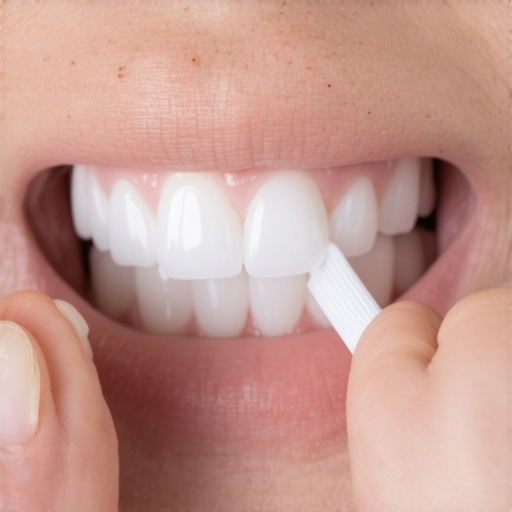 When it comes to dental health, many of us rely on common assumptions that might actually hinder our journey toward a brighter, healthier smile. For instance, the prevalent belief that visiting the dentist less frequently is better can be misleading. Studies, such as those published in the Journal of Dental Research, show that regular check-ups—even if you’re diligent about daily brushing and flossing—are crucial for catching early signs of issues like gum disease or decay, which often develop silently. Relying solely on routine or waiting until problems become symptomatic can lead to more invasive and costly treatments later.
Many patients also underestimate the importance of understanding the nuances of cosmetic dentistry. While achieving a Hollywood smile is appealing, not every procedure suits every individual. For example, some believe teeth whitening alone suffices, but without addressing underlying enamel health or alignment issues, results may be short-lived or uneven. Consulting with a specialist can help tailor a plan that considers your unique dental anatomy and long-term goals.
Moreover, there’s a common misconception that Invisalign aligners are only for teenagers or minor corrections. However, recent advances and research—including insights from the American Association of Orthodontists—highlight Invisalign’s expanding capabilities for comprehensive adult orthodontics. Proper selection and adherence to treatment protocols are essential for optimal results, especially in complex cases.
A frequent mistake many overlook involves the preventative side of dental visits. For example, many skip regular professional cleanings, assuming daily brushing is enough. But plaque and tartar can hide in places toothbrushes can’t reach, leading to risks such as periodontal disease. As emphasized on Smilez Dental’s blog, routine professional cleaning is vital for maintaining gum health and preventing major issues down the line.
One subtle yet impactful nuance involves the pressure applied during teeth whitening treatments. Overly aggressive bleaching can weaken enamel, increasing sensitivity or causing uneven coloration. Expert advice suggests that consulting a dental professional about personalized whitening options ensures safety and effectiveness—something over-the-counter products can’t guarantee.
Finally, while many believe all dental procedures are the same, the choice between traditional braces and modern options like Invisalign or ceramic brackets can significantly affect comfort, aesthetics, and long-term results. It’s essential to weigh these factors carefully with your dentist. As outlined in Smilez’s comprehensive guides, understanding the advantages and limitations of each approach enables smarter decision-making.
Have you ever fallen into this trap? Let me know in the comments. Remember, a nuanced understanding of dental care can make all the difference in achieving and maintaining that perfect smile.
Keeping It Working: Tools I Recommend for Lasting Dental Health
Achieving a healthy, radiant smile isn’t just about brushing and flossing daily; it’s about investing in the right tools and maintaining a disciplined routine. Over the years, I’ve found that certain equipment and methods can significantly extend the lifespan of your dental work and keep your mouth in optimal condition. One must-have is a high-quality water flosser, like the Philips Sonicare Sonic Fusion, which I personally use every night. Its pulsating stream effectively reaches areas traditional floss can’t, especially around braces or implants, reducing plaque buildup and preventing gingivitis.
Another game-changer is a UV toothbrush sanitizer. I incorporate this into my daily routine to eliminate bacteria lurking in my brush head. Regularly sanitizing your toothbrush head, especially if you wear Invisalign, helps prevent bacteria transfer and maintains oral hygiene at a professional level. For those focusing on cosmetic dentistry, investing in polishing and whitening kits approved by dental professionals can maintain your new smile between appointments. Products like the GLO Science Smile System deliver superior results when used according to instructions, keeping your teeth looking their best and reducing the need for frequent touch-ups.
When it comes to software tools, I recommend using an appointment reminder app to schedule routine check-ups and cleanings. Preventive care is the cornerstone of long-term dental health; scheduling visits every six months ensures early detection of potential issues. Additionally, leveraging dental health tracking apps can help monitor your habits, reminding you to replace your toothbrush every three months or to stay consistent with flossing. For Invisalign users, I advise using the Invisalign progress app, which tracks your tray wear time and provides motivational alerts. According to the American Association of Orthodontists, proper adherence to aligner schedules can reduce treatment time by weeks, saving you money and discomfort.
Predicting future trends, I believe technology will continue to refine at-home dental devices. Innovations like AI-powered oral health monitors could soon analyze saliva to detect early signs of decay or systemic diseases, allowing for even more proactive care. As these tools become more accessible, maintaining your dental health will shift from reactive visits to continuous, real-time management.
How do I maintain my dental tools over time?
The key lies in regular cleaning and proper storage. For example, rinsing your water flosser after each use and replacing its filters every three months prevents mold and bacterial growth. Similarly, sterilizing your toothbrush and replacing it every three months ensures optimal plaque removal. Always store your tools in a dry, ventilated space to prevent microbial contamination. By adhering to these simple maintenance routines, your tools will continue to perform effectively, supporting your long-term dental health.
Finally, don’t underestimate the power of professional guidance. Periodic check-ups allow your dentist to assess and optimize your tools’ effectiveness. If you’re serious about maintaining your cosmetic improvements or long-term oral health, consider consulting with specialists who can recommend the latest technology tailored to your needs. Curious about upgrading your routine? Reach out to professionals at Smilez Dental for personalized advice and advanced options tailored specifically for you.
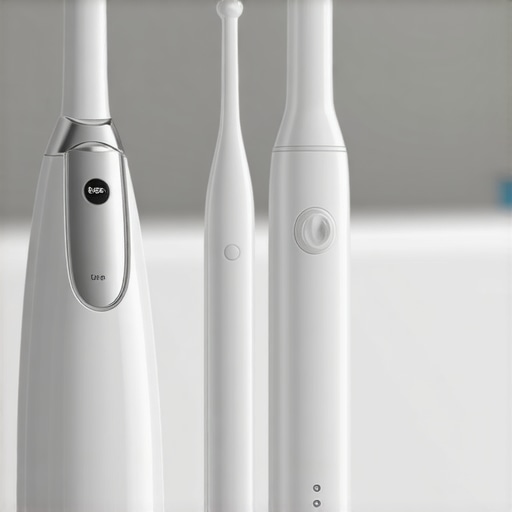
Implementing these recommended tools and maintenance habits can profoundly impact your dental journey. Incorporate at least one new tool or routine today—your future self will thank you for preserving that perfect smile.
Lessons That Changed My Dental Approach Forever
One of the most impactful lessons I learned is that perfect technique always outweighs frequency. Rushing through flossing, even multiple times a day, can cause more harm than good—something I experienced firsthand when my gums kept bleeding. The real breakthrough came when I slowed down, focused on quality, and realized that consistency with proper technique is key.
Another lightbulb moment was acknowledging that the tools we choose matter just as much as our habits. Switching from traditional floss to interdental brushes improved my cleanings significantly, proving that being open to new methods is vital for long-term health benefits.
Lastly, I discovered that regular professional check-ups act as a safety net, catching issues before they escalate. Relying solely on at-home routines is a mistake; professional guidance complements your efforts and enhances overall oral health.
My Go-To Resources for Dental Excellence
Investing in quality tools has transformed my routine. The professional cleanings I get every six months catch problems early and keep my gums healthy.
For at-home care, I trust the GLO Science whitening kits because they deliver safe, effective results without damaging enamel. And for orthodontics, Invisalign’s official guide helped me understand treatment options tailored for adults, making my journey smoother.
Using reliable apps like [Dental Tracker](https://smilezdentist.com/maintaining-your-teeth-cleaning-routine-for-long-term-health) helps me stay on top of routine tasks, ensuring consistency and peace of mind.
Your Smile: The Next Chapter Starts Today
Building a healthy, radiant smile is a journey, not a sprint. Every small change, from technique to tool selection, adds up to long-term success. Embrace the learning process, be open to experimenting with new products and methods, and remember—consistency is your secret weapon.
What new dental habit are you most excited to try? Share your thoughts below and take the first step toward a brighter, healthier smile today!
,