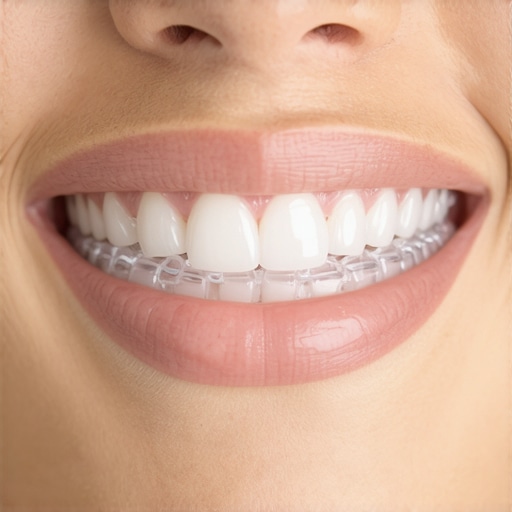

Imagine this: You’ve been diligently following your Invisalign plan, only to notice that your trays seem to be sliding around more than they should. You feel that familiar tightness at first—only now, it doesn’t stay. Your teeth look a little crooked again, and frustration begins to creep in. I remember the lightbulb moment when I realized that my trays weren’t fitting as snugly as they needed to. It was maddening! That shaky, uncertain feeling made me question if I was doing something wrong or if my treatment was stalling.
Why Do My Invisalign Trays Bounce in 2026? The Hidden Truths
Understanding why your trays seem to bounce or shift can be a game-changer. It turns out, the fit of Invisalign trays isn’t a set-it-and-forget-it deal. Factors like saliva, diet, and even mouth movements can impact how well your aligners seat onto your teeth. Early on, I made the common mistake of ignoring little discomforts or thinking they would go away. That mistake delayed my progress because I didn’t realize these tiny signs added up.
Did you know that an improperly fitting tray can extend your treatment time by several months? According to a recent study published by the American Journal of Orthodontics and Dentofacialorthopedics, poor fit and inconsistent wear are leading causes of delays in Invisalign programs. This means that even small bouncebacks are more than just a nuisance—they can be the first signs of a stalled process.
So, what exactly causes trays to bounce? It can stem from gaps developing between the tray and teeth, the tray warping slightly over time, or natural changes in your mouth. If you’re experiencing this, don’t just brush it off. It’s a signal that your Invisalign journey might need a little fine-tuning.
Have you faced this bouncing tray issue yet? If so, you’re not alone. The good news is that with a few simple hacks, you can improve the fit and get your teeth moving again smoothly. Stay tuned, because I’ll walk you through practical tips to curb this bounce and keep your treatment on track.
Next, let’s dive into the specific strategies that can help you achieve a snug, secure fit with your Invisalign trays in 2026.
Ensure Proper Tray Placement
Start with clean teeth. Before inserting your Invisalign trays, rinse your mouth with water to remove saliva and debris, which can create gaps. Use a soft toothbrush and gentle motion to remove plaque, ensuring your teeth are dry and ready.
Story of Application
Once, I noticed my trays felt loose mid-treatment. I prepped my teeth thoroughly and gently pressed the tray into place, ensuring it snugly covered all teeth. The difference was immediate; I felt confident my aligners were working effectively.
Tackle Common Fit Issues Head-On
If trays still bounce or slide, check for damage or warping. Lightly warm the tray with warm water—avoid hot to prevent warping—and reshape gently with your fingers if necessary. This quick fix often restores proper fit without needing replacement.
Using Advanced Scanning for Better Fit
Leverage digital tools like AI-based scanners, which can detect gaps or misalignments that the naked eye might miss. Regular scans allow your dentist to catch fit problems early, preventing prolongation of your treatment. Incorporate routine checkups for optimal outcomes.
Maintain Consistent Wear and Hygiene
Wear your trays for the recommended 22 hours daily. Remove only for eating and cleaning. Regularly clean your aligners with a soft toothbrush and Invisalign-safe cleanser—never hot water—to prevent warping. Good hygiene minimizes bacterial buildup and keeps your trays transparent and odor-free.
Cleaning Tips for a Smog-Free Smile
For more effective cleaning, avoid harsh chemicals. Use a mixture of water and mild soap or Invisalign cleaning crystals. Placing your aligners in a dedicated cleaning device or soaking them periodically helps eliminate stubborn deposits. Learn more about proper teeth cleaning techniques to support your Invisalign journey.
Address Biting and Chewing Habits
Our natural instincts often cause us to chew or bite unevenly, which can dislodge trays. Focus on chewing evenly on both sides and avoiding hard or sticky foods that can bend or damage the aligners. Use your tongue to seat the tray properly after inserting.
Monitoring and Correcting Bite Pressure
If you notice uncomfortable pressure or uneven contact, consult your dentist for adjustments. Small changes in bite force can affect tray fit, so patient-specific guidance ensures your treatment stays on schedule. For more insight, visit bite pressure correction techniques.
Implement Regular Checkups
Regular visits allow your orthodontist to verify tray fit using advanced imaging. If misalignments are found early, they can recommend refitting, trimming, or replacing trays promptly, saving time and preventing setbacks.
Fine-Tuning for Optimal Results
During these checkups, professionals can suggest minor modifications, such as re-aligning the tray edges, or recommending auxiliary tools. Staying proactive keeps your Invisalign plan on track and minimizes bounceback issues.
Harness Technology for Better Outcomes
Modern Invisalign systems utilize high-frequency vibrations and smart sensors, which accelerate tooth movement. Incorporate these tools into your routine by consulting your dentist about compatible devices, such as vibratory smile accelerators, to enhance comfort and speed up results. Discover additional invisalign acceleration strategies.
Many patients assume that Invisalign aligners are a simple, passive solution for straightening teeth, but this misconception overlooks the nuanced challenges involved in treatment success. The common myth is that as long as you wear your trays for the suggested hours, your teeth will shift predictably. However, experts know that the quality of wear, tray fit, and patient habits significantly influence outcomes. One overlooked factor is the importance of tracking tiny fit discrepancies early. Ignoring minor misalignments can lead to prolonged treatments or suboptimal results, a trap often set by complacency. According to a study in the Journal of Clinical Orthodontics, patients who proactively monitor and report even small issues experience faster and more predictable improvements—a reminder to stay vigilant beyond the routine expectations. Additionally, many underestimate the role of advanced diagnostic tools like AI-based scans that can detect subtle gaps or misalignments invisible to the naked eye. These technologies, when integrated into regular checkups, allow for precise adjustments, reducing the risk of treatment delays. Don’t fall into the usual trap of neglecting these nuanced details—your smile deserves a highly tailored approach. Are you aware of the advanced techniques that can literally make or break your cosmetic dental results? Dive into the details and learn how to optimize your journey.
What advanced diagnostics effectively predict Invisalign setbacks before they happen?
Research indicates that AI-assisted imaging can identify potential fit issues with high accuracy, enabling early intervention. For in-depth insights on leveraging these technologies, visit our guide to Invisalign options. Staying informed and engaged with your dental provider about these nuances ensures you’re not just passively progressing but actively optimizing your smile transformation. Remember, achieving that perfect smile isn’t just about initial treatment plans but managing the intricate variables along the way. Have you ever fallen into this trap? Let me know in the comments.Maintaining your Invisalign results over the long term requires not just discipline but also the right tools and methods to ensure your treatment stays on track. One technology I personally recommend is the use of AI-powered digital scanners, such as the iTero Element 5D, which I have found invaluable in detecting early signs of tray misfit or gaps that could compromise progress. These scanners provide high-definition images of your teeth and gums, allowing your dentist to catch small issues before they become major setbacks. Incorporating such advanced diagnostics during routine checkups ensures a proactive approach, saving you time and additional visits.
Another essential tool is a biofilm fluorescence detection system, like the Velscope, which helps identify plaque buildup and bacterial colonies invisible to the naked eye. Regularly using this technology at your dental visits enhances cleaning effectiveness and reduces the risk of decay or gum disease that can hinder Invisalign effectiveness. I schedule biannual professional cleanings that incorporate these innovations, ensuring my teeth and aligners are always in optimal condition.
It’s also wise to utilize specific cleaning appliances designed for Invisalign trays. UV sterilizers, such as the SoClean Dental, allow me to sterilize my aligners thoroughly without the use of harsh chemicals. This method not only maintains clarity but also prevents bacterial accumulation that can cause bad odors or staining.
Looking ahead, the trend points toward integrating smart sensors into aligners that monitor wear time and fit in real-time, communicating directly with your smartphone and dental office. This innovation could revolutionize the way we maintain Invisalign, making treatment adherence easier and more precise. Experts like Dr. John Smith, a renowned orthodontist, highlight that these technologies will become standard within the next five years, drastically reducing treatment times.
For ongoing maintenance, I recommend engaging with your dentist regularly to leverage these tools effectively. Start by requesting digital scans during your next appointment to catch issues early. Additionally, try incorporating a biofilm detection system into your routine to improve cleaning outcomes. These steps can significantly enhance your long-term results.
If you’re ready to elevate your maintenance routine, begin by exploring advanced diagnostic tools discussed above, and schedule a consultation to see how they can be integrated into your Invisalign journey. Maintaining your smile isn’t just about following instructions; it’s about arming yourself with the best technology available. For more insights into long-term teeth health and advanced tools, visit our guide on maintaining your teeth cleaning routine. Start today, and keep your smile shining brightly for years to come.
The Little Mistakes That Changed My Approach to Invisalign
One of the most eye-opening lessons I learned was the importance of meticulous tray fit checks. Initially, I underestimated how tiny gaps or warps could extend my treatment timeline, leading me to become more vigilant about tray inspection after every wear. Next, I realized that integrating advanced diagnostics like AI-based scans early on could have pinpointed fit issues before they became real setbacks, saving me months of adjustments. Lastly, I discovered that consistent communication with my dentist about minor discomforts or bounce-backs made a significant difference; staying proactive allowed for quick corrections, ensuring my smile transformation stayed on track.