
I was leaning in to whisper a joke to my sister at a crowded family dinner when I saw her nose do that tiny, tell-tale crinkle. You know the one. It’s the universal sign that something in the immediate vicinity smells… pungent. I had brushed, flossed, and even used a tongue scraper that morning, yet there it was: a sharp, acidic tang that tasted like I’d just downed a shot of balsamic. I spent the rest of the night nursing a glass of water, terrified to open my mouth. That mortifying moment was my wake-up call. I realized my breath wasn’t just off—it was a biological signal. I’d spent the morning looking into teeth cleaning tips for a brighter smile this spring, but no amount of brightening could hide the scent.
Your Mouth is Waving a Sour Red Flag
For the longest time, I assumed the vinegar smell was just a byproduct of my diet. I cut out pickles, ignored my love for sourdough, and waited for the freshness to return. It didn’t. I made the massive mistake of thinking that as long as my teeth looked white, everything was fine. I was so focused on cosmetic dentistry and looking into why Invisalign is the future of clear braces because I wanted that perfect Hollywood look, but I forgot that a beautiful smile has to be a healthy one first. I once thought that teeth cleaning myths debunked by top dentists were just for people who didn’t brush, but I was the one who was misinformed. The truth is that a vinegar-like scent is often tied to your body’s pH levels or a specific type of bacterial overgrowth. I wish I had known earlier that how regular teeth cleaning can prevent major dental issues includes managing the microbiome, not just scraping away plaque. Today, we are going to dive into exactly why this happens and how you can reclaim your confidence. We’ll solve the mystery of that acidic scent and get you back to a point where you don’t have to hide your smile behind your hand.
Does more brushing actually make the vinegar smell go away?
It’s the first thing we all try, right? We scrub harder, hoping the scent will just vanish. I fell into that trap, even wondering if I needed teeth cleaning for sensitive teeth because I was over-brushing so much. But if the root cause is systemic or related to why your saliva feels thick and how it leads to more cavities, all that extra scrubbing might actually be doing more harm than good to your enamel. Sometimes, the scent is just the beginning. I’ve talked to folks who were worried because their breath smells like other strange things, and why your breath smells like mothballs is equally concerning. It’s very similar to the real reason your mouth tastes like pennies after a workout; your body is using your mouth to dump excess chemicals it doesn’t want. According to researchers at the International Journal of Oral Science, volatile organic compounds in our breath are often the first indicators of metabolic shifts or bacterial overgrowth. Have you ever felt like you were doing everything right with your toothbrush, yet still felt like you were failing a sniff test? [IMAGE_PLACEHOLDER] It’s time to stop guessing and start fixing the environment inside your mouth. In the next few sections, I’ll walk you through the surprising reasons your pH might be off and how to get it back on track.
Neutralize the acid rain in your mouth
The first thing I learned when my breath started smelling like a salad dressing factory was that my mouth’s pH was completely out of whack. Think of your mouth like a swimming pool; if the chemicals are off, the water gets murky and smells weird. To fix this, I started using the salt water trick for shrinking a painful gum boil at home, but I adapted it as a daily rinse. It helps neutralize the acids produced by the bacteria that thrive in low-pH environments. I remember once trying to aggressively use a homemade paste to fix the scent, but I learned the truth about using baking soda to scrub away surface stains—it’s too abrasive. Instead, you need to focus on gentle alkalizing. If you are experiencing the real reason your mouth tastes like pennies after a workout, your body is likely pushing high levels of ketones or metabolic waste into your saliva, which contributes to that vinegar zing. Drink water with a pinch of sea salt or a drop of alkaline drops to help your system flush these out.
Stop letting biofilm build its fortress
You know that fuzzy feeling your teeth get around 4:00 PM? That is biofilm, a complex community of bacteria. I used to wonder the reason your teeth feel furry only hours after a professional cleaning, and the answer is that some mouths are just more prone to rapid bacterial colonization. When these bacteria ferment sugars or even certain proteins, they produce acetic acid. This is the source of the vinegar smell. To combat this, you need to move beyond basic brushing. I switched to using modern teeth cleaning innovations that reduce sensitivity and boost results, specifically an ultrasonic toothbrush that vibrates at a frequency high enough to break up the bacterial chains without shredding my gums. 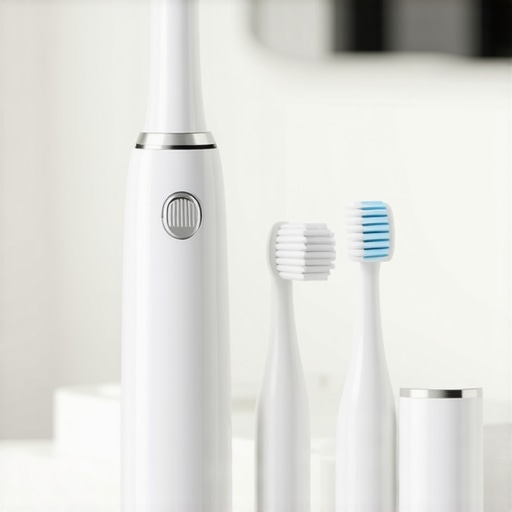 I once spent a week only brushing once a day because I was traveling and forgot my kit—by day three, my mouth felt like it was coated in velvet, and the acidic taste was unbearable. Never skip maintaining your teeth cleaning routine for long term health, especially at night when your saliva production drops.
Watch out for the thick saliva trap
If your saliva feels more like syrup than water, you are in trouble. This usually happens when you are dehydrated or breathing through your mouth. I realized why your saliva feels thick and how it leads to more cavities: it loses its ability to wash away acid. When saliva is thick, it traps the ‘vinegar’ scent against your tongue and cheeks. Even if you drink a gallon of water, you might still wonder why your mouth feels dry even though you drink a gallon of water. The key is to check your electrolyte balance. I started adding magnesium and potassium to my routine, and within two weeks, my saliva was thin and clear again. This simple shift does more for your breath than any bottle of peppermint-flavored mouthwash ever could.
Keep your aligners from becoming a science experiment
For those of us going through a smile transformation, those plastic trays are a breeding ground for acidity. If you don’t know how to get the morning breath smell out of your invisalign case for good, that vinegar scent will just keep recycling back into your mouth every time you pop your trays in. Bacteria love the dark, moist environment between the plastic and your enamel. I found that the secret to keeping your invisalign trays perfectly clear for two weeks isn’t just scrubbing them; it’s using an enzymatic cleaner that specifically targets the proteins in the biofilm. I once made the mistake of soaking my trays in a mouthwash that contained alcohol, and it made the plastic porous, which actually trapped more smells! Stick to pH-neutral cleaners and never, ever put your aligners back in without a quick rinse of your mouth first.
Let’s dig deeper into the common obsession with whitening that often masks deeper issues. I’ve seen so many people—myself included—try to ‘bleach away’ the problem when the breath starts smelling sour. We assume that if the teeth are white, the bacteria must be gone. This is a dangerous misconception. In reality, aggressive whitening can sometimes make that vinegar scent worse by stripping away the protective pellicle layer of your teeth, allowing odor-causing bacteria to settle deeper into the microscopic pores of your enamel. When you are looking into the ultimate guide to teeth whitening and cosmetic enhancements, you must realize that aesthetics should never come at the cost of structural integrity. If your enamel is thinning, you aren’t just losing your defense against sensitivity; you are losing the very barrier that keeps your mouth’s pH balanced. According to a study published in the Journal of Esthetic and Restorative Dentistry, over-bleaching can lead to increased tooth porosity, which ironically makes it easier for organic compounds to get trapped and rot, fueling that acidic odor.
Why does the shade of your smile seem to change when you step outside?
It’s one of the most frustrating nuances of cosmetic dentistry. You look in the mirror at home and think you’ve finally mastered your routine, but then you catch a glimpse in your car’s rearview mirror and feel defeated. There is a specific reason your teeth look yellow in sunlight but white indoors, and it usually comes down to the translucency of your enamel. If you’ve over-scrubbed or used harsh DIY treatments, you’ve likely thinned your enamel to the point where the yellow dentin underneath is shining through. This is where cosmetic dentistry myths debunked what you really need to know becomes vital: you cannot ‘clean’ away the color of your dentin. In fact, trying to do so with abrasive pastes is the ‘oops’ factor that leads to permanent damage. I once fell for the charcoal trend, but teeth cleaning myths debunked by top dentists warned me too late that I was essentially using sandpaper on my smile. 
Stop treating your aligners like a temporary fix
If you are using clear aligners to fix your bite, you are in a high-stakes environment for bacterial growth. Most people focus only on the movement of their teeth, but the real nuance lies in the microbiome management. When you are learning how to choose a dentist for your invisalign transformation, you need someone who prioritizes your gum health as much as the final alignment. A common trap is ignoring the ‘wiggle.’ It is completely normal to feel like your teeth are unstable, and understanding the truth about why your front teeth feel loose on invisalign tray swap days can save you from a lot of unnecessary anxiety. However, if that looseness is paired with a sharp, vinegar-like taste, it’s not the trays moving your teeth—it’s an inflammatory response to trapped bacteria. You must stay on top of invisalign maintenance expert tips for clear confident smiles to ensure your journey to a perfect smile doesn’t end with a periodontal nightmare. Have you ever fallen into this trap of prioritizing whiteness over health? Let me know in the comments.
The exact kit I use to stop the acid from returning
Once I stopped chasing the ‘white at any cost’ dream, I realized my maintenance game needed a total overhaul. I used to think a basic manual toothbrush was enough, but after dealing with that recurring vinegar scent, I upgraded to an ionic toothbrush. Unlike standard electric brushes, these actually change the polarity of your teeth to repel plaque. It sounds like science fiction, but when you are maintaining your teeth cleaning routine for long term health, that extra tech makes the difference between a surface clean and a deep, bacterial-level reset. I also invested in a high-quality water flosser. If you have ever wondered how to stop your gums from bleeding when you use a water flosser, the secret is starting on the lowest pressure and adding a teaspoon of dead sea salt to the reservoir. This saline flush doesn’t just knock out food; it changes the osmotic pressure for the bacteria hiding in your gum pockets.
How do I maintain my mouth’s pH balance over the long haul?
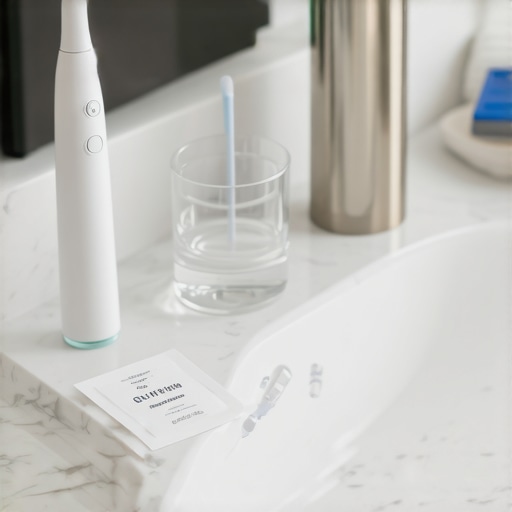
Maintenance isn’t just about what you do in the bathroom; it’s about monitoring. I actually keep a pack of narrow-range pH strips in my cabinet. If I wake up with that ‘tangy’ feeling, I test my saliva. Ideally, you want to be around 7.0 to 7.4. Anything lower than 6.5 means your enamel is literally dissolving while you talk. This is why modern teeth cleaning innovations that reduce sensitivity and boost results are so focused on remineralization rather than just scrubbing. According to technical specifications from the American Academy of Oral Systemic Health, the presence of specific anaerobic bacteria like P. gingivalis can be significantly reduced by maintaining a neutral salivary pH, which prevents the acidic ‘vinegar’ byproducts from ever forming. If you are struggling with a bridge or implants, you should look into how to clean under a fixed dental bridge without using a needle threader to keep those hard-to-reach areas from becoming acid traps.
Why I think AI-driven dental tracking is the next big shift
I’ve been tracking the latest cosmetic dentistry trends that transform smiles today, and I’m convinced that by 2026, we will all have smart-sensors in our aligners or retainers. Imagine getting a notification on your phone that says your acidity levels are too high before you even notice the smell. We already see this with Invisalign innovations why 2025 is the year for a perfect smile, where 3D tracking is becoming real-time. This level of scaling in personal health means we won’t just be reacting to bad breath; we will be preventing it at a molecular level. If you are currently in the middle of a transition, don’t forget to keep your hardware clean. Knowing how to get the morning breath smell out of your invisalign case for good is a small but vital part of the long-term success story. If you’re feeling overwhelmed, my best advice is to start with the pH strip test tomorrow morning. It’s the only way to truly know if your ‘vinegar’ problem is gone or just hiding. Reach out to a pro by finding a dentist who gets your smile tips from top cosmetic pros if you can’t get those numbers to stabilize.
What I wish I’d known before my breath became a chemistry project
Looking back at that mortifying family dinner, I realized that oral health is far more nuanced than just scrubbing away stains. The biggest lightbulb moment for me was discovering that freshness is a chemistry game, not just a mechanical one. I spent years falling for cosmetic dentistry myths debunked what you really need to know, thinking that a bright white smile automatically meant a healthy microbiome. It doesn’t. In fact, if you are utilizing invisalign maintenance expert tips for clear confident smiles, you will learn that moisture and pH balance are far more critical than the actual alignment. Another hard truth: your tongue is the primary warehouse for those vinegar-producing bacteria. If you aren’t cleaning the back of your tongue with the right tools, you are leaving 90% of the problem behind.
Essential tools to keep the tang at bay
I don’t believe in a one-size-fits-all approach, but these three shifts changed my life. First, I stopped using alcohol-based mouthwashes that cause dryness and switched to modern teeth cleaning innovations that reduce sensitivity and boost results, like remineralizing pastes that help rebuild the protective barrier. Second, I started using an ionic brush to disrupt the biofilm electronically. Finally, I never go a day without checking how to tell if your invisalign tray is actually seated, because even a tiny gap can trap the stagnant saliva that fuels that fermented, acidic smell. [IMAGE_PLACEHOLDER] I also recommend the Journal of Clinical Periodontology as a source for understanding how gum health affects your breath; it’s worth a look if you want the hard science behind why certain scents appear.
Taking back your confidence one breath at a time
You don’t have to live in fear of whispering to a friend or leaning in for a conversation. That vinegar scent is simply a message from your body asking for a more balanced environment. Once you start maintaining your teeth cleaning routine for long term health with a focus on pH rather than just optics, the anxiety melts away. Your smile should be a source of pride, not a reason to hide behind your hand. It takes about two weeks of consistent pH management to see a permanent shift, so don’t give up if the scent doesn’t vanish overnight. Have you ever noticed a sudden change in the way your breath tastes or smells after starting a new diet or dental treatment? Let me know in the comments below!