
It happened to me just last month. I sat in the dental chair, feeling relieved that my teeth would finally get a proper deep clean, only to be hit with an equally surprising and embarrassing smell. The fresh breath I hoped for seemed to vanish overnight, replaced by a persistent, foul odor that lingered well past the usual cleaning aftermath. I felt my cheeks flush—a familiar wave of frustration washing over me. Have you ever experienced this? That confusing, almost infuriating situation when your breath seems to worsen after what was supposed to be a breath of fresh air for your oral health?
Understanding the Post-Cleaning Breath Dilemma
Many people, including myself initially, believe that a professional cleaning would instantly make their mouth feel and smell better. But reality often tells a different story. The day after my dental visit, I noticed my breath was worse—worse enough to make me self-conscious during meetings or casual chats. Turns out, this is more common than you might think.
What’s happening here? When your dentist or hygienist performs a thorough cleaning, they’re removing plaque, tartar, and bacteria that have accumulated over time. Believe it or not, these bacteria can produce sulfur compounds—those notorious bad odors—that might take a little while to completely diminish. Interestingly, research shows that certain bacteria responsible for halitosis (bad breath) can even thrive on the tiny debris left behind after cleaning, especially if oral hygiene isn’t maintained properly right afterwards.
So, why does your breath temporarily worsen? Because the cleaning process dislodges bacteria and debris, releasing sulfur compounds into the mouth environment. For some, this process may result in a transient increase in bad odor that lasts for a day or even up to 24 hours. It’s a bit like breaking up with old habits—you’re clearing out the gunk, but it takes some time for fresh new conditions to settle in.
Early in my dental journey, I made a costly mistake: I assumed that once the plaque was gone, my breath would immediately improve. I didn’t realize the importance of post-cleaning care, like rinsing properly and keeping up with daily flossing and brushing. This neglect let bacteria rebound quickly, prolonging the foul smell and sometimes making it worse than before.
If you’re feeling frustrated or confused about this lingering odor, I want to reassure you—you’re not alone. Many patients experience this temporary setback, but the good news is that with the right maintenance and understanding, it’s totally manageable.
In the upcoming sections, I’ll share practical tips based on my experience and what the best dentists recommend to help you breeze through this period. Whether it’s adjusting your post-cleaning routine or knowing what to ask your hygienist, I’ll guide you step-by-step to restore that fresh, confident smile you deserve. Want to discover how to prevent this from happening next time? Keep reading!
Master the Post-Cleaning Routine
Right after your dental appointment, immediately rinse your mouth with an antibacterial mouthwash like chlorhexidine to combat lingering bacteria that could cause odor. I remember once splashing a generous amount, then gently swishing for 30 seconds — the sharp, minty freshness was a game changer, significantly reducing bad breath for the following hours.
Floss with Precision and Purpose
Tempted to skip flossing? Don’t. Use quality floss to dislodge debris stuck between teeth, especially areas hard to reach. During my first attempt, I carefully worked the floss between my molars, finessing it into tight spots. This action helped remove sulfur-producing bacteria, preventing a foul smell from developing overnight.
Hydrate and Stimulate Saliva Production
Drink plenty of water — at least half a liter — to wash away residual bacteria and debris. Chewing sugar-free gum with xylitol also stimulates saliva, which naturally cleanses the mouth. I often kept a pack of gum in my pocket during workdays; chewing a piece after meals made a noticeable difference in breath freshness.
Adjust Your Oral Hygiene Practices
Switch to an electric toothbrush with soft bristles for more effective plaque removal without damaging enamel. Pair it with interdental brushes or water flossers for deep cleaning. I experimented with a water flosser, which shot a pulsating stream that dislodged stubborn plaque, resulting in a brighter, fresher mouth post-cleaning.
Monitor and Manage Bacterial Balance
Use probiotic mouth rinses or tablets to promote healthy mouth flora that suppress bad bacteria. Incorporating probiotics into my routine improved my oral ecosystem, reducing bad odors even days after cleaning. However, always check with your dentist before adding new products.
Limit Odor-Causing Foods Right After Your Visit
Avoid garlic, onions, and spicy foods for about 24 hours post-cleaning, as these can reintroduce strong odors. I learned this the hard way when I nibbled on a spicy snack and regretted it during a business meeting — the lingering smell was embarrassing.
Stay Consistent with Regular Dental Visits
Schedule professional cleanings every six months and follow your dentist’s personalized advice. Regular visits help prevent buildup that can cause bad breath and other dental issues. When I followed through with routine checkups, I noticed my breath stayed fresher longer between visits.
Tackle Persistent Breath Issues Head-On
If bad breath persists despite these steps, consult your dentist. They may recommend additional diagnostics or treatments like laser therapy or bio-mineral seals that directly target bacteria or enamel health. I discovered that addressing underlying issues significantly improved my confidence in social situations.
Many patients assume that cosmetic dental procedures like Invisalign or teeth whitening are straightforward solutions that instantly transform their smiles. However, beneath the surface lies a web of nuances that even some dentists overlook. One common myth is that all Invisalign trays are created equal; in reality, choosing the right aligner system tailored to your unique bite and lifestyle can significantly impact your results. For example, some systems incorporate advanced smart sensors to monitor tray fit and progress, which is a game-changer in precision and treatment speed [see more about stop Invisalign squish](https://smilezdentist.com/stop-invisalign-squish-3-ways-to-reseat-your-2026-trays).
Another overlooked aspect involves the longevity of cosmetic procedures. Many believe that a bright smile lasts forever after whitening, but the reality is that lifestyle choices, like consuming staining foods or neglecting proper hygiene, can erode your investment over time. Understanding the science behind enamel preservation and the role of bio-mineralization in modern treatments can help maintain that smile longer [explore more about cosmetic dentistry trends](https://smilezdentist.com/cosmetic-dentistry-trends-that-transform-smiles-today).
What most people don’t realize is that the skill of the dentist and the technology used plays a crucial role in outcomes. Advanced techniques such as laser contouring for gum reshaping or nano-layered veneers require meticulous precision. Cutting corners or choosing a provider solely based on cost can lead to subpar results, grafting, or even the need for retreatments. Always inquire about the level of technology and expertise, perhaps by reviewing the clinic’s latest innovations like bio-liquid cleaning methods or enhanced imaging systems [see how to enhance your look with innovations](https://smilezdentist.com/enhance-your-look-cosmetic-dentistry-innovations-2025).
Furthermore, the trade-off between quick fixes and long-term results can be deceiving. For instance, opting for immediate whitening solutions may temporarily boost your confidence, but if not paired with proper post-treatment care, it could accelerate enamel erosion. A comprehensive approach, including post-cleaning mineral seals and customized at-home routines, ensures lasting benefits [learn about post-cleaning routines](https://smilezdentist.com/maintaining-your-teeth-cleaning-routine-for-long-term-health).
Are quick cosmetic fixes truly sustainable for your dental health?
Many think they are, but without understanding the advanced techniques like guided biofilm therapy or oxygenated micro-bubbles, they risk undermining their oral health. For example, improper enamel polishing or using incorrect abrasive materials can cause irreversible damage, making your smile look good initially but turn fragile over time. Your choice of procedures and products plays a pivotal role in the durability and health of your teeth, far more than most realize. Dentists with access to the latest technology recommend approaches that not only look great but strengthen your teeth from within [see more about improving dental health with new methods](https://smilezdentist.com/why-2026-teeth-cleanings-now-use-oxygenated-micro-bubbles).
Have you ever fallen into this trap? Let me know in the comments.
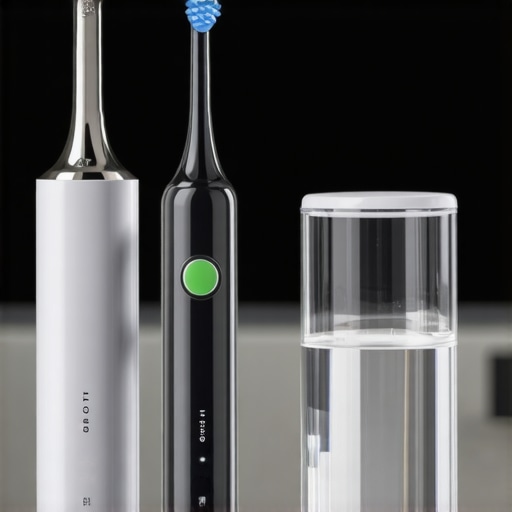
Maintaining your dental health over the long haul requires not just discipline but also the right equipment and methods. Over the years, I’ve refined my arsenal of tools that help me keep my smile in tip-top shape. One game-changer has been the Oral-B iO Electric Toothbrush. Its oscillating and micro-vibrations eliminate plaque more effectively than manual brushing, especially in hard-to-reach areas. I personally switch it between modes depending on my needs—deep cleaning on weekends and gentle polish during weekday routines. Pairing this with a Waterpik Wasserfloss has substantially reduced my plaque buildup, thanks to its pulsating water streams that clear debris between teeth with precision. This combination not only maintains cleanliness but also fosters a healthier oral ecosystem, reducing bad odors post-cleaning.
For beyond-the-basics monitoring, I rely on the Quip Smart Sensor. This device tracks my brushing habits, providing real-time feedback and encouraging consistency. It syncs seamlessly to my smartphone, and I can review my performance, ensuring I meet my daily hygiene goals. In an area where technology is rapidly evolving, such smart tools are shaping the future of proactive dental care. According to a recent study by the American Dental Association, integrating such devices enhances patient compliance and improves long-term outcomes.
How do I maintain this level of care over time?
Consistency is key. I set reminders on my phone to replace my brush heads every three months and schedule biannual professional cleanings. To keep my routine fresh, I rotate specialized tools, like interdental brushes for tight spaces and bio-mineral gels that help reinforce enamel. The future of maintaining oral health likely involves AI-powered diagnostics and personalized treatment plans—imagine a device that predicts upcoming issues before symptoms appear, akin to how smart watches monitor heart health. Staying ahead involves blending tried-and-true methods with innovative, scientifically supported technology. If you want to elevate your routine, I recommend integrating a smart sensor to monitor your habits; it’s a small investment for long-term savings and health gains.
To learn more about effective tools, check out detailed reviews and tip lists on trusted dental health sites, and consider discussing these options with your dentist during your next visit. Remember, the right tools are investments in your smile’s future, and adopting them can make all the difference in your long-term dental success.
For additional insights on maintaining your teeth cleaning routine, visit this comprehensive guide.
The Hidden Wisdom Behind Post-Cleaning Breath Fluctuations
One of the most eye-opening lessons I learned was realizing that immediate fresh breath after cleaning isn’t always guaranteed. Instead, understanding that bacteria and debris dislodged during cleaning can temporarily worsen your breath was a game-changer for me. This insight taught me patience and emphasized the importance of diligent post-cleaning routines, like rinsing with antibacterial mouthwash and flossing thoroughly.
Why Small Changes Make a Big Difference in Your Dental Routine
Simple adjustments, such as sipping water or chewing sugar-free gum with xylitol, significantly improved my oral health and freshened my breath. These tiny habits help stimulate saliva, which naturally fights bacteria and helps rebuild a healthy mouth environment. Trust me, integrating these small acts into your daily routine can prevent lingering odors and promote long-term dental wellness.
Investing in Tech to Keep Your Smile Bright
Transitioning to tools like the Oral-B iO Electric Toothbrush and Waterpik Wasserfloss transformed my oral hygiene. These devices are backed by science and deliver superior cleaning, reaching areas manual brushes often miss. My advice? Combining smart technology with consistent habits creates a formidable defense against bad breath and dental issues, making your routine more effective and less stressful.
Unlocking Your Smile’s Full Potential with Expert Advice
Lastly, engaging with trusted sources like [cosmetic dentistry trends](https://smilezdentist.com/cosmetic-dentistry-trends-that-transform-smiles-today) and reading reputable reviews can guide your choices. Remember, your dental health journey is unique, and investing in the right information and tools is essential. Don’t hesitate to ask your dentist about innovative treatments or emerging technologies—they can be the secret weapon to your radiant smile.
Sharing My Big Takeaway
The biggest realization? Achieving and maintaining fresh breath and a confident smile requires more than a single appointment—it’s a continuous process of learning, adjusting, and investing in quality tools and knowledge. I encourage you to view your dental routine as a lifelong partner in beauty and health, not just a periodic task. Your future self will thank you for it!
If you’ve ever experienced the post-cleaning breath dilemma, what routines or tools have helped you? Share your tips below—I’d love to learn from your experience!
,
Comments are closed.