
I remember the exact Tuesday evening it happened. My son, Leo, finally lost that stubborn front tooth. We celebrated with sugar-free ice cream, of course. But the next morning, when I peeked into his mouth to see the progress of the new ‘grown-up’ tooth poking through, I nearly dropped my coffee. It didn’t look like the smooth, flat teeth I had. It looked like the business end of a steak knife. Serrated, jagged, and—to my untrained, sleep-deprived eyes—absolutely broken. I’ll be honest: I went into a total tailspin. I started Googling ‘jagged permanent teeth’ at 2:00 AM, convinced that my kid had some rare enamel deficiency. I even made the mistake of trying to ‘clean’ the ridges off with a firm toothbrush, thinking maybe it was just weird tartar buildup. Spoiler alert: it wasn’t. If you’re currently staring at your seven-year-old’s mouth and wondering why your child’s new teeth look jagged on the bottom edge, let me tell you right now—you can put the phone down and take a breath. We’re going to talk about why this is actually a sign of a healthy, developing smile and when you might actually need to call the office. [image_placeholder]
That Heart-Stopping Moment When the Adult Teeth Finally Arrive
The transition from baby teeth to permanent ones feels like a massive milestone, doesn’t it? It’s right up there with the first day of kindergarten. But no one really prepares you for the ‘construction zone’ phase of dental development. When those big teeth start pushing through, they often look way too large for their little faces, and those serrated edges (technically called mamelons) make them look like they belong to a shark rather than a second-grader. I spent weeks worrying that he’d need expensive cosmetic dentistry before he even hit double digits. I was sure I had failed some basic parental duty, like not giving him enough calcium or letting him chew on too many plastic toys. Have you ever had that ‘oh no’ moment when you saw your child’s first permanent tooth and thought something was wrong?
Is this something they actually grow out of?
I know what you’re thinking: ‘Surely my kid can’t go to high school with saw-blade teeth.’ It’s a valid fear! You see these tiny ridges and worry they’ll be permanent fixtures. But here is the cool part: the American Association of Orthodontists explains that mamelons are actually just three small protuberances on the cutting edge of the tooth that help it break through the gum tissue more easily. They aren’t a defect; they’re a tool.
Why Your Child’s Mouth Looks Like a Construction Zone
The reason those edges look so sharp right now is simply because they haven’t been used yet. Think of them like the tread on a brand-new tire. As your child starts eating, chewing, and just generally living life, those ridges naturally wear down. It’s a slow process of self-leveling. I didn’t realize this back then and spent way too much time obsessing over it. If I had spent more time choosing the right dentist for a quick consult instead of panic-reading forums, I would have slept much better. We also have to remember that permanent teeth have a lot more pigment and a different shape than baby teeth. Sometimes the contrast alone makes those ridges stand out more than they should. If you’re also wondering how to tell if your toddler’s tooth gap is normal alongside those jagged edges, the answer is usually ‘yes’—it’s all part of the awkward, wonderful growing process.
Give the Natural Grinding Process Room to Work
I remember the panic when I saw the jagged edges on my son’s front teeth, but the real test came six months later. I had become so obsessed with those ‘saw blades’ that I started checking his mouth every morning like a dental detective. I even thought they were wearing down *too* fast at one point. I brought him back to the clinic, and the hygienist patiently explained that the process is like a natural sandpapering. Every time Leo ate an apple or chewed a sandwich, those peaks were slowly being leveled. This is why you shouldn’t rush into any aggressive treatments. The best move is to let nature take its course. However, if those ridges don’t start to smooth out after a year or two of full eruption, it usually means the teeth aren’t making proper contact. If they don’t touch, they can’t wear down. This is often the first sign you might need to compare Invisalign vs. traditional braces to see which is smarter for your child’s future alignment. 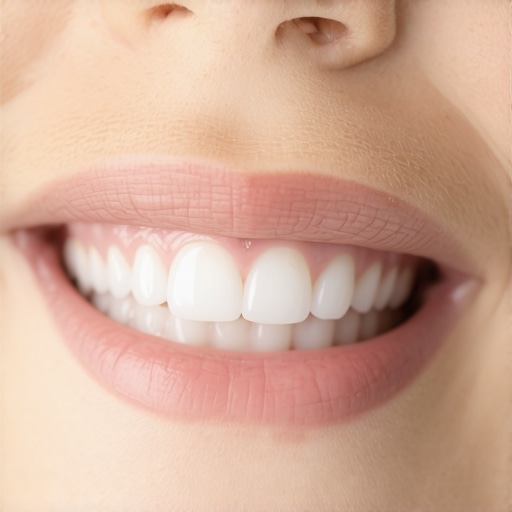
Scrub the Valleys Between those Ridges
Because those jagged edges (mamelons) create tiny dips on the biting surface, they can become a secret hiding spot for plaque. When Leo’s first adult tooth was only halfway in, I noticed a tiny bit of discoloration in the ‘valleys’ of the jagged edge. I realized that my standard horizontal brushing wasn’t reaching the bottom of those serrations. You need to angle the toothbrush slightly to ensure the bristles actually penetrate those small grooves. Since new enamel is often a bit more reactive, looking into teeth cleaning for sensitive teeth can help if your child finds the transition uncomfortable. Also, don’t be startled by the shade; the reason your child’s permanent teeth look yellow compared to baby teeth is simply because they have more dentin under the enamel, which is perfectly normal for ‘grown-up’ teeth.
Check if the Top and Bottom Actually Meet
The most actionable thing you can do at home is a simple ‘bite test.’ Have your child bite down on their back teeth and look at the front. If there is a significant gap where the top and bottom teeth don’t overlap, those mamelons will stay sharp forever because there’s no friction to smooth them. This ‘open bite’ is something you want to catch early. I wish I had known this before I spent hours worrying about the shape of the tooth itself. If you notice a gap that doesn’t seem right, it’s worth how to tell if your toddler’s tooth gap is normal or if it requires a specialist’s eye. If the bite is aligned, those jagged edges are just temporary ‘training wheels’ for their smile. When you are choosing the right dentist, ask them specifically about the wear pattern of the mamelons to ensure the jaw is developing on the right track.
I’ve seen so many parents—including myself in those early panic days—begging for a quick fix for those serrated edges. It’s tempting to ask for a little bit of cosmetic filing to level everything out. However, this is where we need to look at the ‘hidden nuance’ of dental anatomy that most people overlook. Everyone says that a flat tooth is a perfect tooth, but in my experience, rushing to shave down these ridges is a massive ‘oops’ factor that can lead to lifelong sensitivity.
The Cosmetic Filing Trap You Should Avoid
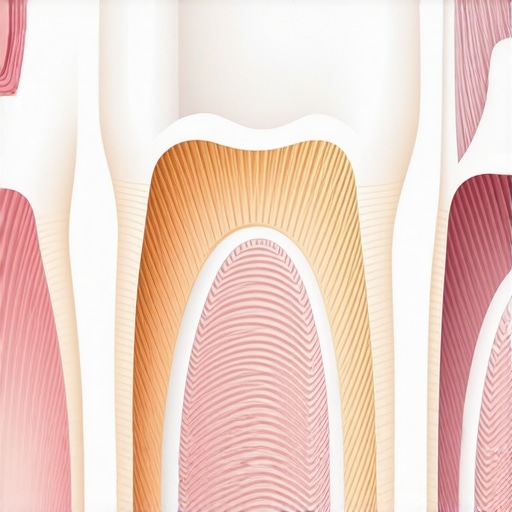
The biggest mistake parents make is viewing mamelons purely as a cosmetic defect rather than a developmental marker. There is a common belief that you can just ‘sand them down’ during a routine visit to make the smile look more mature. But here is the professional reality: the pulp horns (the nerve-filled center of the tooth) in newly erupted permanent teeth are much closer to the surface than in an adult’s mouth. A study published in the Journal of Endodontics highlights that the pulp chamber size decreases significantly with age as secondary dentin forms. If you file those mamelons down too early, you risk exposing the nerve or causing permanent damage to the tooth’s internal structure. It’s one of those cosmetic dentistry myths debunked by the simple fact of biological timing. You aren’t just losing a ridge; you are losing a protective layer of enamel that the tooth still needs.
Why do some adults still have these jagged edges?
If those ridges are supposed to wear down naturally, you might wonder why you see some adults with ‘saw-tooth’ smiles. This is a crucial diagnostic clue. It usually indicates an ‘open bite,’ where the front teeth don’t actually meet when the person chews. Since there is no friction, the mamelons never erode. If you notice this in your child as they get older, it’s not a cosmetic issue—it’s a functional one. Instead of looking for a quick aesthetic fix, you should be choosing the right dentist who understands occlusion (how teeth bite together). They might suggest evaluating Invisalign vs. traditional braces to correct the underlying bite problem rather than just masking it with a file.
Pulp Health Comes Before Perfection
We often prioritize the ‘Instagram-perfect’ smile for our kids, but the real expertise lies in knowing when to leave things alone. When you are how to choose a dentist for your Invisalign transformation or your child’s first adult check-up, ask them about the depth of the pulp horns. A conservative professional will always tell you to wait. If you force the issue, you might end up needing teeth cleaning for sensitive teeth for the rest of your child’s life because their enamel was compromised in second grade. Have you ever fallen into this trap of wanting a cosmetic fix before the ‘foundation’ was ready? Let me know in the comments. We’re all learning how to navigate this construction zone together.
Once you’ve decided to let those mamelons wear down naturally, the focus shifts from fixing to preserving. I found that the standard manual toothbrush just wasn’t cutting it for the tiny grooves on Leo’s new adult teeth. I switched him to an ultrasonic brush with a pressure sensor. This was a game-changer because kids—and let’s be real, most adults—tend to scrub too hard, which can actually cause micro-abrasions on that fresh enamel. According to clinical data published in the International Journal of Paediatric Dentistry, electric toothbrushes with oscillating-rotating technology remove significantly more plaque than manual ones in children. It’s about efficiency, not force. I’ve also started looking for toothpastes containing Hydroxyapatite, which actually mimics natural tooth structure to remineralize the enamel during this vulnerable phase.
Stop guessing if you’ve brushed long enough
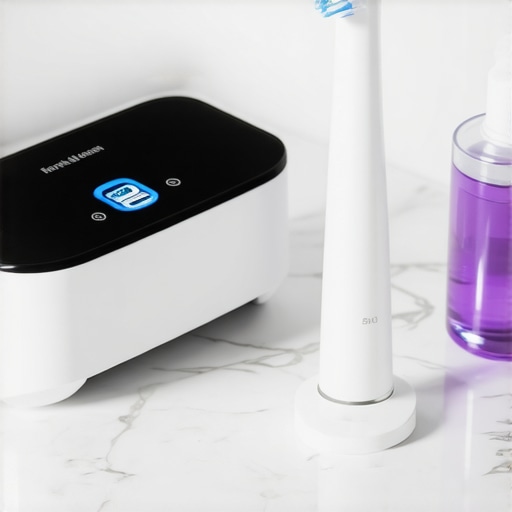
If you’re noticing that the jagged edges aren’t smoothing out because of an alignment issue, you might be looking at clear aligners. One thing nobody tells you is that keeping those trays clean is a full-time job. I swear by a 42kHz ultrasonic cleaner for retainers; it uses sound waves to blast away the microscopic film that causes odors. It’s much more effective than just brushing them with toothpaste, which can actually scratch the plastic and make it look cloudy. Learning how to stop your invisalign trays from smelling like plastic starts with these small tool investments. For the teeth themselves, I highly recommend a water flosser for the tight spaces between those emerging molars—it avoids the gum bleed drama of traditional floss.
How do I maintain this new smile over time?
Maintenance isn’t just about the tools; it’s about the routine. I’ve seen that maintaining your teeth cleaning routine for long-term health is the only way to ensure those jagged edges don’t become traps for cavities. We started using a disclosing solution once a week—it’s a purple dye that shows exactly where you missed. It turned brushing into a game for Leo, but it gave me the peace of mind that those deep ridges were actually clean. If you’re dealing with alignment issues alongside the jagged edges, you’ll want to focus on invisalign maintenance expert tips for clear confident smiles to keep the progress moving. If you’ve ever wondered how regular teeth cleaning can prevent major dental issues, it’s all about these daily micro-habits and choosing the right dentist who prioritizes prevention over procedures.
The tech that makes a standard cleaning obsolete
I genuinely believe the future of this construction zone phase will be managed by AI. We’re already seeing apps where you can take a photo of your child’s teeth and get an instant analysis of wear patterns. This will help parents know exactly when those mamelons have shifted from normal development to potential bite issue without the 2:00 AM Google panic. We’re seeing modern teeth cleaning innovations that reduce sensitivity and boost results every year, moving toward guided biofilm therapy which is far more comfortable than old-school scraping. Try this today: Get a pack of disclosing tablets from the pharmacy and have your child use one after their normal brushing tonight. It’s the fastest way to see the invisible spots your current routine is missing and will show you exactly where those mamelons need a little extra love.
I’ve been where you are, staring at those serrated edges and feeling that sudden surge of parental panic. But as I’ve learned through dozens of appointments and late-night research, those ridges are just nature’s way of saying the ‘adult’ journey has begun. Let’s wrap this up with the perspective I wish I had on that Tuesday morning when Leo’s tooth first appeared.
Hard Lessons From the Front Lines of the Tooth Fairy’s Visit
One of the most important things I realized is that not every tooth is a race. Just because your neighbor’s child has perfectly flat incisors doesn’t mean yours is ‘behind.’ Everyone’s bite is a unique architecture. If I had spent more time choosing the right dentist early on, I would have known that mamelons vary in size based on the thickness of the enamel and the child’s specific jaw alignment. I also learned the hard way that you cannot ‘scrub’ a tooth into a different shape. Attempting to brush away those ridges only irritates the gums; the only thing that should be smoothing those edges is a healthy, balanced diet and time. Lastly, remember that how regular teeth cleaning can prevent major dental issues is more about maintaining the health of the enamel than changing its appearance. Those ridges are a sign of brand-new, untouched tooth structure—a ‘new car’ smell for the mouth, if you will.
The Survival Kit That Protects New Enamel
To help Leo’s teeth transition safely through this jagged phase, we moved beyond the basic toothbrush. I highly recommend investing in disclosing tablets; they turn dental hygiene into a science experiment by staining the plaque purple, showing exactly where those mamelons are trapping debris. We also started looking into modern teeth cleaning innovations that reduce sensitivity and boost results, such as air-polishing tools that can clean those deep grooves without the scraping sound kids hate. Another essential is a high-quality water flosser, which is much more effective at reaching the ‘valleys’ of a jagged tooth than traditional string floss. If you’re already thinking ahead to alignment, knowing how to choose a dentist for your Invisalign transformation or your child’s future braces can help you plan for the day those jagged edges are perfectly aligned.
Celebrate the Saw-Tooth Phase While It Lasts
In a few years, those ‘shark teeth’ will be a distant memory, smoothed down by thousands of apples, sandwiches, and smiles. While it’s natural to worry about why your child’s new teeth look jagged on the bottom edge, try to see it as a beautiful, fleeting marker of their growth. It is a sign that their body is doing exactly what it was designed to do—providing them with strong, sharp tools to navigate the world. By staying proactive with teeth cleaning for sensitive teeth and keeping a close eye on their bite, you are setting the foundation for a lifetime of confidence. Don’t rush the process; the smooth, adult smile will arrive exactly when it’s supposed to. Have you noticed these jagged edges in your child’s mouth recently, or are they starting to wear down already? Let me know in the comments below!