
I remember the exact moment I noticed my child’s new adult teeth—those small, slightly uneven teeth that suddenly replaced their baby teeth—looked jagged and uneven at the bottom. It was a strange sight that caught me off guard. My initial reaction? Concern and a dash of panic. Was something wrong? Did I miss something during their last dental visit? That lightbulb moment made me realize I wasn’t alone in this confusing experience. Many parents find themselves puzzled when their kids’ new teeth don’t look perfectly smooth right away.
Understanding Why Your Child’s Teeth Appear Jagged
What I came to learn is that this jagged appearance is often perfectly normal. During the eruption of permanent teeth, it’s common for the edges to be slightly irregular or rough. This isn’t necessarily a sign of trouble but part of the natural process, especially for the lower teeth. The jagged or uneven edges are often caused by the way the teeth emerge through the gums, which can sometimes leave a rough or scalloped edge. As the teeth settle into their final position and the enamel matures, these rough edges tend to smooth out naturally over time.
However, there’s a crucial aspect to keep in mind. Sometimes, uneven teeth can be a sign of underlying issues like misalignment or bite problems, which might require dental intervention. That’s why regular dental check-ups are vital. Dentists can evaluate whether the jagged appearance is temporary or part of a larger concern. For instance, if the teeth remain jagged after a significant period or are causing discomfort, further assessment might be necessary.
This is a good time to reflect on your child’s dental routine and ensure they’re maintaining good oral health. Proper cleaning and regular visits can prevent complications and promote healthier, more even teeth. If you’re curious about maintaining your child’s oral health effectively, check out tips for long-term teeth cleaning routines.
So, why is this topic even worth your attention now? Because early recognition of normal development versus signs needing intervention can save a lot of worry later. Plus, knowing what to expect turns what feels like a mystery into a manageable phase of your child’s growth. Now, let’s delve deeper into what causes these jagged edges and how to differentiate between normal variation and early warning signs of dental issues.
What Makes Teeth Look Uneven and When to Worry
It’s totally understandable to feel uncertain. I made the mistake of assuming all uneven teeth needed immediate correction—only to learn that patience and proper monitoring often do the trick. Sometimes, the rough edges are just the teeth’s way of finding their final position. But other times, irregularities might signal deeper issues like misalignment or bite concerns, which could benefit from treatments such as cosmetic dentistry procedures or orthodontic solutions like Invisalign.
In my experience, the key is to keep a close eye and consult your pediatric dentist or orthodontist when uncertainties arise. Early intervention can prevent more complex problems down the line, making future treatments smoother and less costly.
Is Cosmetic Dentistry Overhyped for Kids?
Some parents worry about rushing into dental corrections for cosmetic reasons. I get it—who wants their child to feel self-conscious about their early teeth? From my experience, the best approach is to trust dental professionals’ guidance. And remember, some imperfections are just temporary. Take the time to understand whether your child’s uneven teeth are part of normal growth or signal something that needs addressing. For accurate advice, visit myths about cosmetic dentistry to better understand what’s necessary versus what’s superficial.
Recognizing your child’s tooth development stage and knowing when to seek professional help can make all the difference. Now, let’s explore practical steps you can take today to support your child’s dental health and ensure their smile emerges both healthy and confident.
Start with a Consistent Oral Hygiene Routine
Establish a daily habit of brushing twice and flossing once to keep your child’s gums healthy and teeth strong. I remember setting a reminder on my phone to ensure nightly brushing; initially messy, but soon became second nature for my family. Use a soft-bristled toothbrush and a pea-sized amount of fluoride toothpaste suitable for children. This routine helps remove plaque and prevents issues that might exacerbate uneven teeth.
Monitor Teeth Eruption and Progress
Keep a dental diary noting when new teeth erupt and how they look. During my child’s eruption phase, I noticed some uneven edges; I took photos weekly to track changes. This visual record provides concrete evidence when consulting your dentist, especially if irregularities persist or worsen. Pay attention to how teeth align over time, as natural adjustments usually occur within a few months.
Schedule Regular Dental Check-Ups
Arrange visits every six months or as recommended. Dentists can evaluate whether uneven teeth are part of normal development or if intervention is needed. I learned to ask specific questions during appointments—such as, “Are these jagged edges typical at this stage?”—and received tailored advice. Regular exams also allow professional cleanings that protect against decay, which can affect eruption paths.
Address Minor Irregularities Early
If your child develops small chips or rough edges, consider bonding or other cosmetic procedures. My experience involved a minor chip on my child’s front tooth; a quick composite bonding restored appearance within an hour. Use a qualified cosmetic dentist to ensure natural results. Early treatment can prevent further misalignments and boost your child’s confidence.
Implement Supportive Dietary Choices
Limit sugary snacks and drinks that promote plaque buildup, which can affect teeth development. I switched to offering crunchy vegetables and dairy, which provide essential nutrients. A balanced diet supports strong enamel and healthy gums, reducing the risk of uneven wear or developmental issues.
Consider Orthodontic Consultation If Necessary
Now, if irregularities persist or interfere with your child’s bite, an orthodontist’s assessment is crucial. For example, I visited an orthodontist after noticing my child’s lower teeth looked out of alignment after age eight. Early intervention with options like Invisalign can gently guide teeth into proper position. Don’t wait too long, as early treatments tend to be more effective and less invasive.
Empower Your Child Through Education
Teach your child about the importance of oral health and proper brushing techniques. Making it a fun, engaging activity—like singing a two-minute song—can foster independence. When my child understood how good oral hygiene affects their smile, they became more diligent, which helped in maintaining even, healthy teeth as they grow.
Utilize Technology for Tracking and Guidance
Apps and online resources can help monitor eruption patterns and provide educational tips. I found apps that send reminders and track progress, making routines more interactive and less daunting for my kid. Use these tools to stay proactive and informed about your child’s dental journey.
By following these concrete steps, you create a supportive environment that fosters healthy, evenly developed teeth. Regular monitoring, professional guidance, and solid hygiene habits are your best tools to ensure your child’s smile matures beautifully and confidently.
Many people assume they fully understand the nuances of dental care, but in reality, misconceptions abound, especially when it comes to treatments like Invisalign and cosmetic dentistry. One widespread myth is that all dental procedures are purely aesthetic and unnecessary beyond a certain age. In fact, cosmetic dentistry can play a vital role in improving oral health, as misaligned or damaged teeth often lead to issues like tooth decay or gum disease if left untreated. Recognizing the difference between superficial fixes and health-related procedures is crucial for making informed decisions.
Another common mistake is overestimating the effectiveness of simple brushing and flossing routines. While essential, these habits alone can’t prevent all dental problems—especially if there are underlying alignment issues or enamel vulnerabilities. Regular checkups and professional cleanings are indispensable, as they help detect early signs of decay or gum problems that home care might miss. For example, proper teeth cleaning routines go beyond basic brushing, incorporating techniques like ultrasonic cleaning or fluoride treatments to bolster long-term health.
When it comes to Invisalign, many believe it’s only suitable for minor misalignments. In my experience, that’s a gross underestimation. Advances in clear aligner technology now enable orthodontists to treat a wider range of cases, including complex bite issues, with greater precision. This is supported by recent studies indicating higher success rates when treatments are maintained properly, such as regular aligner replacements and adherence to the schedule here. Missing these maintenance steps can lead to prolonged treatment times or suboptimal results.
What should I watch out for when choosing a cosmetic dentist to ensure I get natural, lasting results?
Many assume that all cosmetic dentists produce equally good results, but the reality is that expertise, materials, and techniques vary significantly. A crucial factor is a dentist’s ability to match the translucency and texture of natural teeth, which demands precise shade selection and skillful application. Consulting reviews, requesting before-and-after photos, and understanding their use of advanced materials—like porcelain veneers that mimic enamel—are essential. An experienced cosmetic dentist not only enhances your smile but ensures durability and harmony with your natural features.
One oops to avoid is rushing into cosmetic procedures without proper consultation. Treatments like veneers or whitening can be overused or improperly planned, resulting in unnatural appearances or enamel damage. As detailed in some expert sources, a tailored, staged approach that considers your unique facial anatomy and dental structure ensures the best outcome here.
In the end, better education about what truly works and what’s unnecessary saves you from costly mistakes and disappointment. Remember, a healthy smile balances function and aesthetics—professional guidance is your best friend in achieving that.
If you want to make your dental routine more effective, don’t forget the importance of consistent teeth cleaning. Taking proactive steps and seeking expert advice can transform your dental health from routine to resilient. Have you ever fallen into this trap? Let me know in the comments!
Keep It Working: Tools I Recommend for Long-Term Dental Care
Maintaining a healthy and beautiful smile requires more than just good habits; it demands the right tools to support your dental routine over time. Based on my personal experience and professional insights, I’ve found that investing in quality equipment and reliable software makes all the difference in achieving lasting results. For instance, I use an ultrasonic toothbrush like the Philips Sonicare DiamondClean because it offers superior plaque removal, especially around aligners and veneers, which can be tricky to clean thoroughly with manual brushing. Its timer feature ensures you brush for the recommended two minutes, preventing shortfalls that might compromise long-term health.
Another indispensable tool is a water flosser, such as the Waterpik Aquarius. This device is literally a game-changer for cleaning between teeth, especially if you’ve undergone cosmetic procedures like veneers or Invisalign. It reaches areas that traditional floss might miss and reduces irritation, encouraging consistent use. Regular flossing is vital, but combining it with a water flosser guarantees deeper cleaning and reduces the risk of plaque buildup, which can undermine your cosmetic results over many years.
Consistency extends beyond physical tools. That’s where smart software comes into play. I personally rely on apps like MySmilePlan, which reminds me when it’s time for a cleaning or check-up, tracks my progress, and even provides personalized tips based on my dental history. These digital aids help stay accountable and make routine maintenance less burdensome—trust me, remembering to schedule appointments becomes effortless.
In the future, I predict advancements like AI-driven oral health management tools will become more widespread. Imagine a device that analyzes your saliva or plaque in real time, advising you precisely on what to adjust in your routine or when to seek professional help. This innovation could revolutionize long-term dental care, reducing issues before they become serious.
So, how do I maintain my Invisalign treatment and prevent relapse over time? The key is combining professional guidance with intelligent tools like the recommended cleaning methods and routine check-ins. I always ensure my aligners stay spotless with a specialized brush and disinfectant, and I follow my orthodontist’s advice diligently. Making these supportive habits part of your lifestyle can lead to lifelong confidence in your smile.
For anyone serious about preserving their dental investment, I strongly suggest trying out high-quality tools tailored to your needs. Don’t underestimate the power of a good electric toothbrush or a smart scheduling app—they’re pennies on the dollar compared to costly corrections down the line. Remember, the best results are sustained with deliberate, informed choices today. Start integrating these tools into your routine and watch your smile flourish for years to come.
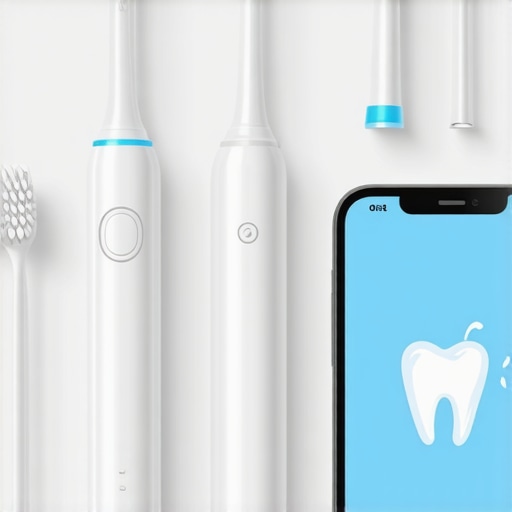 : A sleek dental care toolkit showing an ultrasonic toothbrush, water flosser, and a smartphone displaying a dental app interface. Alt text: Modern dental maintenance tools neatly arranged for optimal oral health. Title: Essential tools for long-term dental success.
Want to elevate your dental routine? Consider using an ultrasonic toothbrush highlighted in this guide to get the most out of your daily care. Consistent use paired with professional advice can dramatically improve your long-term results.
Lessons That Changed My Approach to Dental Care
- Patience Is Key When Teeth Erupt: I learned that waiting out the jagged edges of your child’s teeth often pays off, preventing unnecessary interventions and fostering natural development.
- Regular Professional Checks Save Worries: Frequent dental visits gave me peace of mind and caught potential issues early, emphasizing that professional guidance can be a game-changer.
- Personalized Routine Matters: Tailoring oral hygiene and monitoring to my child’s specific needs made routine checkups more effective and less stressful.
Tools and Resources That Made a Difference
- Philips Sonicare DiamondClean: Its gentle yet thorough cleaning helped maintain my child’s teeth and aligned treatments, proving that quality tools support better outcomes.
- Waterpik Aquarius: A reliable water flosser that deepened cleaning and complemented daily flossing, especially vital after cosmetic procedures or aligner wear.
- MySmilePlan App: This digital companion kept me accountable, scheduled reminders, and tracked progress, making long-term care manageable and engaging.
- Expert Articles and Guides: Trustworthy online resources like the ones from Smilezdentist provided clarity on complex topics, empowering me to make informed decisions.
Becoming Your Child’s Dental Champion
The journey to a healthy, confident smile is ongoing. Embrace the lessons learned, leverage the right tools, and stay proactive. Remember, your dedication and the right guidance can turn dental routines into empowering habits that last a lifetime. It’s never too early or too late to start making meaningful changes—your child’s future smile depends on it. So, are you ready to take the next step toward excellent dental health for your family? Share your thoughts or experiences below; I’d love to hear your story.