
I remember the moment I looked in the mirror after switching to my new whitening toothpaste. Great expectations, right? But instead of shining teeth, I saw stubborn coffee stains mocking me, refusing to budge. It was like my morning ritual had become a battle I couldn’t win, leaving me frustrated and questioning whether I had wasted my money. Have you ever experienced that sinking feeling when your favorite coffee stain stays put, even after diligently using whitening toothpaste? You’re not alone. Many of us assume that swapping out our regular toothpaste for a whitening one guarantees a brighter smile overnight. But what if I told you there’s more to this story?
Unmasking the Coffee Stain Conundrum
The truth is, your teeth’s struggle with coffee stains isn’t just about the toothpaste you choose. It’s a complex dance involving the type of stain, your enamel’s health, and your oral hygiene habits. Early on, I made the mistake of believing that any whitening toothpaste would do the trick, only to find stains stubbornly clinging to my teeth. That mistake taught me the importance of understanding what causes these stains and how different dental products interact with your enamel.
Here’s the thing: coffee contains tannins, which are compounds that can cause staining and are notorious for sticking to dental surfaces. Whitening toothpastes often contain abrasives or chemical agents meant to scrub or dissolve surface stains, but they aren’t a one-size-fits-all solution. If your enamel is thin or already compromised, aggressive abrasives might not only fail to remove stains but could also damage your teeth further.
Have you ever wondered why your coffee stains seem immune to your whitening efforts? The key lies in the composition of the stain and your teeth’s unique structure. Plus, habits like inconsistent brushing or neglecting regular dental cleanings can allow stains to set deeply, making them resistant to over-the-counter solutions.
Interestingly, according to the American Dental Association, professional cleanings are more effective at removing stubborn stains and plaque than home methods alone. Regular visits to your dentist can expose issues before they escalate, so don’t skip those appointments. You might also consider exploring cosmetic dentistry options, like veneers or professional whitening treatments, for more dramatic results. Want to learn more? Check out some trending cosmetic dentistry innovations that could help transform your smile.
Understanding these factors paves the way for more targeted and effective strategies. So, if you’ve faced this very predicament—stubborn coffee stains despite your best efforts—you’re in the right place. Next, we’ll dive into practical steps to break through this stubborn stain cycle and achieve that radiant smile you deserve.
Targeted Cleaning Techniques
Start with a professional cleaning session to tackle deep stains that over-the-counter products often can’t reach. Book an appointment with your dentist; they may recommend ultrasonic or laser cleaning methods that effectively break down stubborn coffee deposits. During my last visit, I observed how ultrasonic tools vibrated away decades-old stains, leaving teeth visibly brighter. <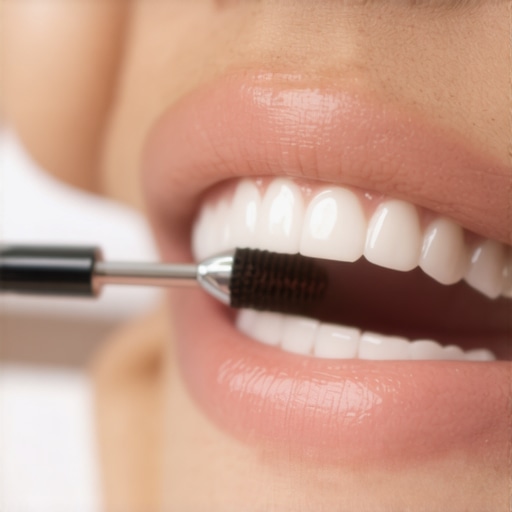 >
>
Choose the Right Toothpaste and Tools
Switch to a whitening toothpaste containing gentle abrasives designed for enamel preservation. Avoid aggressive scrubbing with hard-bristled brushes, which can erode enamel and make stains worse. I learned this the hard way when my gums bled after vigorous brushing. Instead, opt for a soft-bristled brush and a toothpaste with fluoride and stain-removing agents, like hydrogen peroxide. Incorporate electric toothbrushes with pulse technology, which mimic professional treatments by removing plaque more effectively. For incredibly stubborn stains, consider using whitening trays or strips under the supervision of your dentist—learn more about the best options at this guide.
Implement Lifestyle Changes for Long-Term Results
Limit coffee intake or switch to a straw to minimize contact with teeth. Rinse your mouth with water immediately after consuming coffee. Regular flossing helps prevent plaque buildup that traps stains. When I committed to rinsing with water after my morning coffee, I noticed a gradual improvement in my teeth’s brightness, which motivated me to refine other habits. Consistency is key—using whitening products daily and maintaining routine dental visits enhance results significantly. For ongoing maintenance, integrate a routine described at this resource.
Explore Cosmetic Solutions for Lasting Whitening
If stains persist despite your efforts, professional cosmetic treatments such as porcelain veneers or in-office bleaching can dramatically transform your smile. These options effectively mask stains that are resistant to regular whitening methods. I personally tried a veneer and was amazed at how quickly my smile changed. To understand which cosmetic procedures fit your lifestyle and dental health, visit this article. Don’t forget to discuss your goals with your dentist, who can tailor treatments to your unique needs. Regular dental checkups also help in preventing new stains from forming, keeping your smile radiant over time.Many patients assume that treatments like Invisalign and teeth cleaning are straightforward solutions, but in reality, there are nuanced pitfalls that even seasoned professionals might overlook. One common misconception is that all dental aligners are created equal; however, the difference often lies in the technology and customization approach, which impacts long-term results. For instance, some aligners use advanced 3D imaging and AI-driven planning to reduce treatment time and improve comfort—details that can dramatically influence outcome quality. Moreover, many overlook the importance of post-treatment retention protocols, which are crucial to maintain aligned teeth, yet are often underemphasized in general advisories.
Are All Cosmetic Procedures Truly Lasting, or Just Surface-Level Fixes?
It’s a misconception that veneers or crowns offer permanent solutions without regard to underlying dental health. Studies confirm that neglecting the health of your enamel before cosmetic interventions can lead to issues like increased sensitivity or decay beneath the restoration. Skilled dentists perform comprehensive diagnostics—like probe depth assessments and enamel thickness measurements—to tailor treatments effectively. For example, a common mistake is choosing whitening treatments without consideringsalivary pH or enamel mineralization status, which can inadvertently weaken teeth and cause future staining or damage. Experts warn that rushing into cosmetic procedures without understanding these subtle nuances can ultimately undo initial benefits and lead to costly repeat treatments. To avoid this, evaluating your oral health holistically and seeking practitioners who prioritize preventive care—such as regular cleanings and mineralization boosters—is advisable. Regular maintenance, including targeted **teeth cleaning routines**, can prevent biofilm buildup that accelerates staining or erosion, which some patients neglect after cosmetic work. Check out this article on how regular teeth cleaning can prevent major issues. The trap to avoid is assuming that cosmetic dentistry is a quick fix; in fact, longevity depends heavily on aftercare and understanding new risks introduced by aesthetic procedures. For advanced insights, explore the latest trends in cosmetic dentistry innovations, ensuring you’re not just chasing superficial results but investing in lasting health. Remember, a truly radiant smile stems from both strategic treatments and diligent maintenance—so don’t fall for the misconception that beauty patches over underlying issues. Are you aware of the subtle nuances that could protect your investment? Have you ever fallen into this trap? Let me know in the comments.
Maintaining a radiant smile requires more than just good habits; it calls for the right tools and strategies that ensure long-term success. As someone deeply invested in cosmetic and restorative dentistry, I’ve tested and refined a set of equipment and methods that help my patients preserve their treatments and achieve optimal oral health.
Precision Instruments for Consistent Maintenance
One of my go-to tools is the ultrasonic scaler. Unlike traditional manual instruments, ultrasonic scalers generate high-frequency vibrations that efficiently remove plaque and tartar, especially in hard-to-reach areas. Regular use of this device during professional cleanings not only prevents stain recurrence but also safeguards enamel integrity. I prefer models equipped with pulsed irradiation technology—a feature that minimizes heat buildup and enhances patient comfort. For at-home maintenance, I recommend the electric toothbrushes with sonic technology. My personal favorite is the Sonicare DiamondClean, which offers superior plaque removal while being gentle on enamel. Its micro-vibrations disrupt biofilm effectively, reducing staining over time.
Smart Software for Monitoring and Planning
In the era of digital dentistry, digital planning tools like Invisalign clinician software revolutionize how we track treatment progress. These sophisticated programs provide 3D visualizations that facilitate precise adjustments, predict long-term outcomes, and prevent relapse. I personally rely on a combination of CAD/CAM systems and AI-supported algorithms to analyze occlusion and plan re-treatment before issues arise. For ongoing care, I utilize cleaning apps that remind patients of scheduled visits and guide them through daily oral hygiene routines, making maintenance a continuous, engaged process.
Enhancing Results with Auxiliary Devices
Post-treatment, I often recommend innovative devices like ozone therapy pens and microbubbles oxygenators. These tools accelerate biofilm removal, combat bacteria, and promote enamel strengthening. For instance, I have incorporated post-cleaning bio mineral glaze treatments that seal enamel and prevent stain recurrence. Such adjuncts are game-changers in preserving cosmetic work and long-lasting restorations.
The Future of Dental Maintenance Could Be in Wearables
Looking ahead, I predict that wearable oral health sensors—like smart mouthguards with embedded biofeedback technology—will become standard. These devices will monitor pH levels, plaque accumulation, and even early signs of decay, alerting users to intervene before problems escalate. Already, prototypes are showing promise, and I believe integrating these innovations into routine practice will redefine maintenance protocols. Staying ahead of the curve means being open to adopting emerging technologies that streamline care and improve patient outcomes.
To fully leverage these advancements, start by incorporating high-quality ultrasonic tools and smart monitoring apps into your routine. For example, try the latest bio-growth factor techniques to support tissue health after procedures. Regularly updating your maintenance methods ensures your initial cosmetic or restorative investment continues to shine for years to come.
Lessons That Changed My Approach to Dental Care
One of the most profound lessons I learned was that dental health isn’t solely about quick fixes or chasing the latest whitening trend. Real progress comes from understanding the nuances—such as how enamel resilience influences stain susceptibility or why certain cosmetic procedures require diligent post-care routines. I once believed that a professional whitening session was enough, but I realized that consistent maintenance and lifestyle adjustments are crucial for sustaining that bright smile over years. This insight transformed my approach from reactive to proactive, underscoring the importance of tailored strategies for each patient.
Tools and Resources That Elevate Smile Care
My toolkit includes advanced ultrasonic scalers with pulsed irradiation technology, which effectively remove resistant plaque and tartar without harming enamel. I’ve also integrated smart monitoring apps that track routine cleaning accuracy and remind patients of upcoming visits—making maintenance engaging and effective. For deeper insights, I recommend consulting resources like bio-mineral glaze procedures and the latest trends in cosmetic dentistry innovations. These tools and knowledge empower both practitioners and patients to preserve cosmetic results long-term.
Your Next Step Toward Radiance
Achieving a lasting, dazzling smile isn’t just about quick remedies; it’s a journey built on continuous care, informed choices, and embracing technological advancements. Don’t wait for stains or damage to become unmanageable—set a routine that incorporates professional care and personal habits today. Your smile is an investment that deserves ongoing attention, and with the right mindset and tools, you’ll enjoy a confident, healthy dental outlook for years to come.
What has been your biggest challenge in maintaining your bright smile? Let me know below and share your experience!
Comments are closed.