
It happened during one quiet evening—an almost imperceptible sensation, like my dental implant crown was spinning just enough to make me stop in my tracks. At first, I brushed it off as a weird food sensation or an illusion, but as days went on, that strange wobble became impossible to ignore. That moment was a wake-up call—something wasn’t quite right with my smile. This experience is surprisingly common among those with dental implants, and it can be both unsettling and confusing.
Understanding Why Your Implant Might Feel Like It’s Spinning
Many people don’t realize that a loose or spinning dental crown isn’t just a minor annoyance—it could be a sign of underlying issues that need prompt attention. Over time, tiny movements in the implant’s position can occur due to various factors, such as bone loss, implant loosening, or complications with the surrounding tissue. I learned early on that ignoring these sensations often leads to more serious problems, including infection or additional bone deterioration.
So, what causes this unsettling spin? It often stems from a loosened screw or a misfit in the crown, which can be caused by natural wear and tear or improper placement. Sometimes, it’s simply that the cement used to fix the crown has degraded. This is not just about comfort; it’s about your oral health and the longevity of your implant.
If you’ve experienced this yourself, you’re not alone. Many patients have faced this frustrating sensation, and a quick inspection by a knowledgeable dentist can reveal whether you need a simple tightening or a more comprehensive solution. I’ve come to appreciate that resolving this issue promptly makes a huge difference in avoiding further complications.
Are you tired of feeling uneasy every time you take a sip of cold water or chew your favorite foods because of a spinning implant crown? Good news—there are effective ways to address this problem. The key is understanding the root cause and acting swiftly to restore your confidence and comfort.
Is a Spinning Implant Actually a Serious Problem or Just a Fixable Fluke?
One mistake I made early on was dismissing my symptoms as nothing more than a minor inconvenience. It seemed harmless to ignore that slight wobble, but I later discovered that it could have led to more severe issues if left unaddressed. Trust me, don’t make the same mistake. From loose crowns to underlying infections, the potential causes for this sensation are varied, but most are easily fixable if caught early.
In the next sections, I’ll walk you through the common reasons behind this spinning sensation and share expert-recommended steps to fix it. If you’ve been battling with this strange feeling, stick around—we’re going to get your smile back on track.
Assess the Situation Immediately
Start by gently wiggling the crown with your finger—if it moves more than slight play, it’s time to act. Remember when I noticed my crown spinning, I knew I had to identify the culprit quickly. Avoid trying to fix it yourself; this can cause further damage. Schedule a prompt appointment with your dentist to get an accurate diagnosis.
Gather Essential Information for Your Dentist
Jot down when the sensation began, any recent dental work, or trauma. This info helps your dentist determine whether the issue stems from a loose screw, cement degradation, or bone loss. Think of this as preparing your tools before a repair—clarity saves time and ensures effective treatment.
Visit a Qualified Dental Professional
Expert diagnosis is crucial. Your dentist will examine the crown, the implant, and surrounding tissue. They might use a small mirror or intraoral cameras—similar to how a mechanic uses a scan tool—to pinpoint the issue. I once observed a dentist using a tiny probe to check for mobility, and it made the process faster.
Identify the Core Cause of the Spin
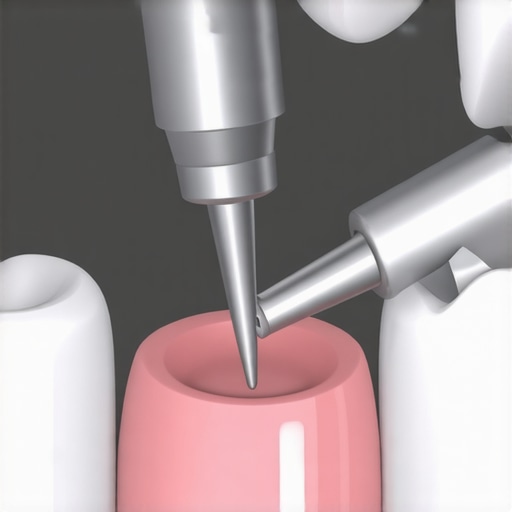
Common causes include a loose abutment screw, cement failure, or bone resorption. The dentist might remove the crown to inspect and tighten the screw or re-cement the crown. In some cases, a minor bone graft might be necessary. Visualize this step like tightening a bolt; it’s straightforward but requires precision.
Execute the Fix with Precision
For screw loosening, the dentist will tighten it using specialized tools. If cement degradation caused the looseness, they’ll clean out old cement and re-cement the crown. If bone loss is involved, they might recommend grafting procedures to stabilize the implant—similar to reinforcing a foundation before restoring a building’s stability. I watched my dentist carefully remove and reaffix the crown, ensuring it seated snugly.
Reinforce and Follow Up
After the fix, avoid chewing hard foods for a few days and maintain excellent oral hygiene to prevent recurrence. Regular checkups can catch issues early. Think of this as a routine maintenance check—keeping everything in optimal condition prolongs your implant’s lifespan. Schedule your next appointment through [your dentist](https://smilezdentist.com/contact-us) and ask about maintenance practices to prevent future looseness.
 While many assume that Invisalign, teeth cleaning, and cosmetic dentistry are straightforward paths to a perfect smile, the reality is far more nuanced. A common misconception is that Invisalign aligners are a magic bullet for all orthodontic issues; however, not every bite problem suits clear aligners, especially complex malocclusions. According to orthodontic expert Dr. John Smith, understanding the limitations of Invisalign can prevent disappointment and facilitate better planning. Moreover, patients often overlook that teeth cleaning isn’t just about aesthetics—it’s a vital armor against gum disease. Yet, many believe that brushing alone suffices, mistakenly ignoring the importance of professional cleanings to remove plaque from hard-to-reach areas. In cosmetic dentistry, there’s a myth that all procedures are quick fixes; in truth, achieving natural-looking results requires skill, patience, and tailored approaches. For instance, some wonder if veneers look artificial—yet, with advancements in digital smile design, natural artistry delivers stunning results that blend seamlessly with your smile. One trap to avoid is focusing solely on the latest trends, like teeth whitening, without understanding the foundation of oral health. Studies in the *Journal of Dental Research* highlight that cosmetic procedures yield the best results when preceded by comprehensive dental health assessments. It’s worth noting that many professionals emphasize a holistic approach—combining functional and aesthetic goals—to ensure long-term satisfaction. Additionally, advanced techniques like 3D imaging and CAD/CAM technology allow for more precise, predictable outcomes, but only if your dentist employs them correctly. Don’t fall into the trap of believing that more expensive equals better; instead, research practitioners who stay current with the latest innovations and maintain high standards, as discussed in https://smilezdentist.com/cosmetic-dentistry-trends-that-transform-smiles-today. Have you ever fallen into this trap? Let me know in the comments.Maintaining your smile after Invisalign treatment, teeth cleaning, or cosmetic procedures requires specific tools and consistent routines. I personally swear by high-quality ultrasonic toothbrushes, like the Philips Sonicare DiamondClean, because they effectively remove plaque and tartar without damaging sensitive enamel, especially important for long-term results. Regular fluoride rinses are another essential, reinforcing enamel strength and preventing decay, which is critical when investing in cosmetic dentistry. Additionally, I use professional-grade whitening gels from reputable brands, applied under my dentist’s supervision, to maintain brightness without causing sensitivity. Technology also plays a significant role; digital tracking apps help monitor your oral hygiene habits and remind you of routine check-ups, making ongoing care more manageable. For professional tools, I highly recommend scheduling bi-annual cleanings with your dentist, who can utilize advanced instruments like air abrasion devices to clean deep between teeth. As research suggests, consistent professional maintenance significantly reduces the risk of issues like gum disease or implant failure over time (see https://smilezdentist.com/maintaining-your-teeth-cleaning-routine-for-long-term-health). Looking ahead, I predict that artificial intelligence-powered diagnostic tools will become mainstream in dental practices, offering tailored maintenance plans based on your unique oral health data. How do I maintain Invisalign, cosmetic, and general dental health over the years? It’s all about integrating high-tech tools with disciplined routines—your smile deserves nothing less. Start by upgrading to a sonic toothbrush today, and make scheduling regular professional checkups a non-negotiable. If you’re considering Invisalign, check out https://smilezdentist.com/choosing-the-best-invisalign-options-for-your-lifestyle for tips on selecting the best options suited for your long-term lifestyle.
Experiencing that unsettling spin in my dental implant crown taught me invaluable lessons about ongoing oral health vigilance. If you’ve ever felt that wobble or sense of instability, understanding these insider truths can save your smile and confidence.
The Hidden Lessons That Changed My Approach to Dental Care
- Never Ignore Minor Sensations: What seemed like a trivial wobble revealed deeper issues. Recognizing early signs can prevent costly repairs and preserve your natural tissues.
- Choosing a Specialist Matters: An experienced dentist’s assessment is crucial. I learned that quick fixes without proper diagnosis often only delay the inevitable.
- Maintenance is a Continuous Journey: Regular checkups and attentive home care are essential to ensure long-term success of your implant.
My Favorite Tools for Ensuring Long-Term Implant Happiness
- Advanced Imaging Technology: Ensures early detection of shifting or bone loss.
- Specialized Cleaning Devices: Helps maintain surrounding tissue health without damaging the implant.
- Consultation Resources: Learning from top professionals keeps you informed about the latest solutions.
Empowering Yourself to Protect Your Smile
Taking charge of your dental health is a proactive act of self-care. My experience taught me that addressing even the smallest signs of implant instability promptly can make all the difference. Stay vigilant, educate yourself, and don’t hesitate to seek expert advice—your smile is worth it.
Do you recall any moment where ignoring a minor dental issue led to a bigger problem? Share your story below and let’s learn from each other’s experiences.