
I remember the moment vividly. I was biting into my morning apple when I felt a strange wiggle from my dental implant crown. That unsettling movement made me pause—a little panic creeping in. I wondered, “Is this normal? Should I be worried?” It was a real lightbulb moment that urged me to dig deeper into what could cause my implant to feel loose.
Understanding Why Your Dental Implant Might Feel Wiggly
It’s surprisingly common for people with dental implants to experience a sensation of looseness at some point. Though implants are designed to fuse securely with your jawbone, factors like bone loss, gum issues, or mechanical problems can make your crown feel wobbly. Early in my journey, I made the mistake of dismissing this feeling as just a temporary thing. But ignoring it can lead to bigger problems, including potential failure of the implant itself.
Could It Be a Sign of Something Serious?
Absolutely. A wiggly crown isn’t something to ignore. It might indicate issues like peri-implantitis, an inflammatory process that damages the supporting bone. Recognizing early signs can save you discomfort and costly repairs later. Want to learn how to distinguish between normal movement and something worth worrying about? Keep reading, because I’ll guide you through the symptoms to watch for and what steps to take next.
As someone who initially overlooked my own symptoms, I learned the hard way that timely intervention is crucial. I also discovered that regular check-ups and proper hygiene can keep your implant stable and healthy. Curious about maintaining your implants effectively? You might find my insights are just what you need to stay ahead of potential issues. For broader tips on dental health, check out this guide on teeth cleaning.
Now, let’s explore what actually causes a crown to become loose and how you can address it before it turns into a bigger problem. The good news? Many issues are fixable, especially if caught early. Ready to dive into the practical steps? Let’s get started.
Tighten and Assess Your Implant
Start by gently wiggling the crown with clean fingers—if it moves slightly, it’s likely loose. Do not apply force or attempt to fix it at home by yourself; instead, contact your dentist promptly to prevent further damage. Remember, a loose implant isn’t just uncomfortable—it can lead to infections or implant failure if ignored.
Secure Temporary Measures
If you experience discomfort or worry about debris entering the space, rinse your mouth with warm saltwater—this helps reduce bacterial buildup. Avoid chewing directly on the crown or sticky foods that could cause further loosening until professional help is obtained. I once used a small piece of orthodontic wax to cover the crown temporarily, which prevented food entrapment during a stressful weekend before my appointment.
Schedule a Dental Evaluation
Make an appointment with your dentist as soon as possible. During the visit, the dentist will examine the implant, check the abutment connection, and assess bone stability. Often, they will remove the crown to inspect the screw or cement that holds it in place. Think of your implant like a house foundation; if the screws are loose, the entire structure can become unstable—timely inspection is crucial.
Understanding the Core Causes
The dentist might find issues like cement washout, screw loosening, or peri-implantitis. Regularly monitoring these factors through professional cleanings can help prevent loosening. For ongoing maintenance, I started adhering to a meticulous oral hygiene routine, including gentle interdental cleaning, which significantly improved my implant’s stability.
Get the Repair Done Correctly
Your dentist will determine whether to re-tighten the screw, re-cement the crown, or replace it entirely. Sometimes, the issue lies deeper, such as bone resorption, which may require additional procedures like bone grafting. Remember, trusting a specialist familiar with cosmetic dentistry ensures the best outcome, similar to how proper Invisalign maintenance can keep your smile perfect—learn more about proper Invisalign care.
Follow-Up for Long-Term Success
After the repair, follow your dentist’s instructions carefully—this might include avoiding hard foods and maintaining excellent oral hygiene. I found that using a soft-bristled toothbrush and antimicrobial rinse helped my implant settle quickly. Regular check-ups will catch any early signs if loosening begins again, helping you maintain that confident, functional smile you desire.
Prevent Future Loosening
Consistent dental hygiene practices are your best defense. Brush twice daily with fluoride toothpaste, floss gently around your implant site, and schedule professional cleanings at least twice a year. For tips tailored specifically for Invisalign users or other cosmetic procedures, check out tips on choosing the right dentist to ensure your smile stays healthy and secure.
By taking proactive steps and understanding your implant, you significantly reduce the risk of future issues. Remember, a loose crown isn’t the end—it’s a sign to seek professional evaluation and ensure your dental health remains optimal. Proper maintenance and early intervention are key to preserving your beautiful, functional smile for years to come.
Challenging the Myths About Cosmetic Dentistry and Invisalign
Many assume that cosmetic dentistry, especially Invisalign, is just a straightforward, quick fix for a perfect smile. However, this perception often overlooks the nuanced reality of treatment planning and the importance of customizing solutions for individual needs. For example, a common myth is that Invisalign works equally well for everyone, but in my experience, only a thorough evaluation can determine if Invisalign or traditional braces are the smarter choice. To understand this better, check out this comparison between Invisalign and braces that unpacks the pros and cons based on lifestyle factors.
Beware of the trap of thinking that a perfect, white smile can be achieved overnight or with minimal effort. The real work involves comprehensive assessments, including evaluating your bite, gum health, and jaw alignment. Often, patients underestimate the importance of these factors, leading to subpar results or even treatment failure. Moreover, many do not realize the critical role of long-term maintenance and the potential for advanced mistakes, such as neglecting proper orthodontic hygiene during Invisalign treatment, which can cause permanent staining or decay. A recent study emphasizes that diligent post-treatment care is essential for stable results (source).
Advanced Mistake to Avoid
One advanced mistake that often trips up even experienced patients is neglecting the subtle signs of gum disease or misjudging the limitations of whitening procedures. For instance, attempting DIY whitening solutions or overestimating the effectiveness of over-the-counter products can damage enamel or cause sensitivity. To minimize risks, always consult a professional for cosmetic enhancements and follow guided routines such as those outlined in expert-approved whitening tips. And remember, the overall health of your teeth and gums directly influences the success of any cosmetic treatment—neglect can lead to the very issues you’re trying to fix.
What About Teeth Cleaning Techniques That Most Overlook?
Many believe that brushing and flossing are enough to maintain oral health, but the reality is that professional teeth cleaning involves nuances that can make a big difference. Using the wrong tools or technique can cause gum recession or enamel erosion, especially in sensitive individuals. For example, opting for hard-bristled brushes or aggressive flossing might seem effective but can actually cause damage over time. The secret lies in gentle, effective cleaning methods, like interdental brushes recommended in this guide to cleaning sensitive teeth. Additionally, regular professional cleanings educate patients about subtle signs of issues like early tartar buildup, which can prevent major problems down the line.
Key takeaway? The average person often underestimates the complexity of dental health management. The real advantage comes from understanding these nuances and engaging with dental professionals who recognize and address them. Preventative measures and tailored treatments save you from costly repairs later. Have you ever fallen into this trap? Let me know in the comments.
Keep Your Smile Working Smoothly with the Right Tools
Maintaining a stunning smile isn’t just about the initial treatment; it’s an ongoing process that relies heavily on the right tools and routines. Over the years, I’ve refined my approach with specific equipment that delivers professional results right at home. From advanced toothbrushes to specialized prophy brushes, each item plays a crucial role in preserving the longevity of cosmetic procedures like Invisalign aligners or teeth whitening treatments.
One essential tool I swear by is the SonicaCare Electric Toothbrush. Unlike standard brushes, it boasts a high-frequency sonic vibration that creates more effective plaque removal, especially in hard-to-reach areas. Using it with a fluoride-rich toothpaste, I notice significant benefits in preventing staining, decay, and gum issues—keeping my smile radiant longer.
Additionally, I incorporate a Water Flosser such as the HydroSpa Plus. Unlike traditional floss, this device uses a pressurized water stream to dislodge debris between teeth and beneath gum lines. I particularly recommend it for Invisalign users, as it simplifies cleaning around aligners and minimizes irritation or damage. Regular usage can substantially reduce the risk of peri-implantitis or other inflammation-related problems.
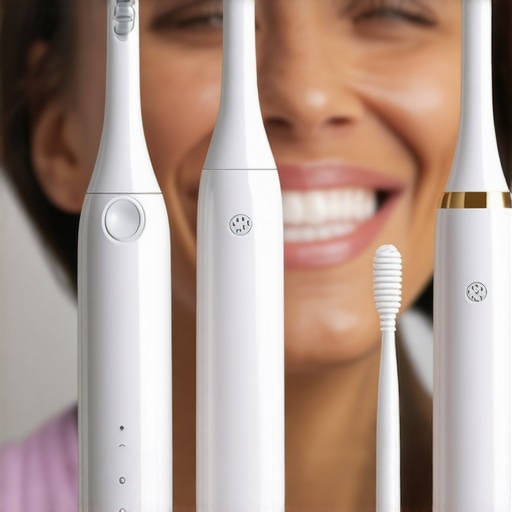
Professional-grade ultrasonic scaler devices have also transformed my routine. Although not a substitute for periodontal therapy, handheld ultrasonic tools like the PlaqueBuster allow for periodic cleaning of stubborn tartar build-up in between professional visits. They’re especially useful for those with sensitive teeth, as gentle vibrations help prevent unnecessary wear.
For maintaining long-term results, using a magnetic mouth mirror helps with precise brushing and flossing in tricky spots, ensuring no plaque or stain accumulates unnoticed. Integrating these tools with disciplined routines creates a barrier against common setbacks like staining, decay, or loosening of implants.
How do I keep my cosmetic work pristine over time?
Regular professional cleanings are indispensable. Scheduling visits every six months, combined with at-home maintenance, extends the life of your cosmetic investments, including Invisalign or veneers. Consider supplementing your routine with repurposed tools recommended by top dentists, such as interdental brushes and tongue scrapers. Cosmetic dentistry experts emphasize that consistent care is key to long-term success.
The trajectory of dental technology points toward smarter, more integrated systems—like AI-powered cleaning devices and smart toothbrushes that monitor your brushing habits. Embracing these innovations now can set your smile up for decades of brilliance.
What’s the best way to sustain your smile’s health?
In my opinion, the secret lies in marrying high-quality tools with expert advice. Try adopting a nightly routine that includes the use of a sonic toothbrush coupled with gentle interdental cleaning. Also, take advantage of apps and device connectivity to track your routine compliance and receive personalized tips. Over time, these small, consistent habits will make a noticeable difference, helping your cosmetic treatments last longer and stay flawless.
To get started, consider upgrading your toothbrush or adding a water flosser—small investments for big smiles. Remember, the right tools are your frontline defense against common issues that can compromise your dental work. Want to dive deeper into maintaining Invisalign aligners or veneers? Check these expert tips on Invisalign care.
Don’t hesitate—introduce these advanced tools into your routine today and enjoy the peace of mind that comes with knowing your smile is protected and thriving for years to come!
,
What Losing My Invisalign Made Me Realize About Dental Vigilance
One of my toughest lessons was understanding that even the most advanced cosmetic dentistry like Invisalign requires ongoing attention. Missing regular check-ups or neglecting emphasizes that care can lead to setbacks, regardless of how perfect your initial smile transformation appears. This experience taught me that consistency trumps quick fixes when it comes to maintaining a dazzling smile.
The Cutting-Edge Tools That Transformed My Dental Routine
Discovering personalized tools, such as ultrasonic scalers and smart toothbrushes, revolutionized my approach to teeth cleaning and implant maintenance. These trusted resources, like the teeth cleaning guide, helped me move from reactive to proactive, ensuring my cosmetic results last longer and my oral health remains optimal.
Why Ignoring Small Changes Sometimes Costs Big Smiles
My biggest lightbulb moment was realizing that subtle signs—like a loose crown—are often warning signals for deeper issues. Addressing them early, with guidance from top dentists, can prevent complex repairs and preserve the integrity of your smile. Recognizing these clues made all the difference in my ongoing dental success story.
Insider Wisdom for Smarter Cosmetic Choices
- Myth Busting: Not all cosmetic dentistry solutions are one-size-fits-all. A tailored approach, considering your unique bite and gum health, yields truly stunning, lasting results. Check out this comparison to see which path suits your lifestyle best.
- Long-Term Perspective: Emphasize the importance of post-treatment care and maintenance routines. Dental health isn’t a one-time effort but a lifelong commitment for vibrant, enduring results.
- Choosing the Right Practitioner: Your success hinges on selecting an experienced, attentive professional familiar with your cosmetic goals. Learn more about the key factors for choosing your dentist.
Stay Inspired to Keep Your Smile Bright
Your journey to a confident, healthy smile is ongoing. By embracing innovative tools, staying vigilant about small changes, and partnering with dedicated professionals, you’re setting yourself up for long-term success. Remember, each positive habit reinforces your investment in that radiant smile you deserve. Ready to take the next step? Your brighter future begins today.
How have your experiences with dental maintenance or cosmetic procedures reshaped your approach to oral health? Share your insights below—I’d love to hear your story!
,