
I vividly remember the moment I realized something was seriously wrong. I was in my bathroom, struggling with my water flosser, cranking up the pressure because I thought, “More power means cleaner teeth,” right? Suddenly, my gums started bleeding profusely. It was shocking and a bit alarming. I felt like I had unintentionally attacked my own gums, and that lightbulb moment made me wonder: Why does this happen only when I set my water flosser to high pressure? Is it normal, or am I doing something wrong? If you’ve ever faced a similar situation, you’re not alone. Many people experience bleeding gums only when using their water flosser on powerful settings, and it can be quite confusing.
What’s Really Going On When Your Gums Bleed with High-Pressure Water Flossing
At first, I thought I was just being too sensitive or maybe damaging my gums. But the truth is, high-pressure water flossers deliver a mighty blast of water that can be too much for delicate gum tissues, especially if they’re already inflamed or sensitive. The force can cause tiny micro-tears in the gum lining, leading to bleeding. This isn’t necessarily a sign of poor hygiene; in fact, it often indicates that your gums may be inflamed or early-stage gum issues that need gentle care. According to dental experts, aggressive flossing—whether manual or with a power device—can do more harm than good if not done correctly. The key is to find the right pressure level that cleans effectively without harming your gums or causing bleeding.
If you’re like me, naive about these water pressure nuances, you might have been making a common mistake: setting your flosser to the maximum without considering your gum health. Early on, I ignored the signs and just thought I needed to toughen up. But as I learned from trusted sources like this article on regular teeth cleaning secrets, gentle, consistent care is the foundation of a healthy smile. Being mindful of your water pressure is part of that process.
Have You Experienced This Problem? Let’s Find Out How to Fix It
If your gums bleed only when using high pressure, don’t worry—you’re not alone, and there are solutions. Adjusting your water flosser to a gentler setting, mastering proper technique, and addressing underlying gum issues can make a huge difference. In the next sections, I’ll walk you through simple steps to prevent bleeding, improve your oral health, and get the most out of your water flosser without discomfort.
Start with the Right Settings and Technique
Set your water flosser to a low or gentle pressure, especially if you’re new or have sensitive gums. When I first used mine, I aggressively cranked the pressure, thinking tougher meant better cleaning. One morning, I experienced bleeding gums and realized my mistake. Instead, I began with a soft setting, aiming the tip at a 90-degree angle to my gumline and letting the water gently pulse along the edges. This approach mimics the gentle pressure of a professional cleaning, reducing micro-tears and inflammation.
Adjust Pressure Gradually
Increase the water pressure slowly over days rather than jumping straight to maximum. During my second week, I increased mine gradually from gentle to medium, observing my gums’ responses. This stepwise approach allows your tissues to adapt and prevents trauma that causes bleeding. Remember, if bleeding persists, revert to lower settings and consult your dentist.
Master the Proper Flossing Motion
Don’t just blast water directly into your gums; instead, move the tip along the gumline in a gentle, sweeping motion, similar to manual flossing. I learned this technique after watching a professional demonstration; by following the contours of my gums, I avoided unnecessary force and minimized bleeding. Think of it like cleaning delicate glassware—gentle, deliberate movements prevent damage.
Avoid Over-Flossing and Over-Pressurizing
Overdoing it can irritate underlying tissues, causing bleeding and soreness. During my first attempts, I spent too long focusing on one area with high pressure, which irritated my gums — much like scrubbing a fine piece of china. Instead, keep each session brief and move systematically through your mouth, ensuring thorough yet gentle cleaning.
Addressing Underlying Gum Issues
Persistent bleeding may signal inflammation or early gum disease. Regularly clean your toothbrush and consider using antibacterial mouthwash to reduce bacteria. I also scheduled a check-up when I noticed ongoing bleeding; my dentist confirmed slight inflammation, guiding me to improve my oral hygiene routine and adopt gentle water flossing practices.
Incorporate Regular Advice from Dental Experts
Stay informed by reading trusted resources, like regular teeth cleaning secrets. They emphasize that gentle, consistent care prevents damage, especially for sensitive gums. Following their tips helped me avoid bleeding and build a sustainable flossing routine.
Final Tips for Success
Use lukewarm water to prevent shock to sensitive tissues, and avoid rushing your sessions. Remember, patience and gentle technique trump force. By maintaining a routine with these core steps—adjusting pressure gradually, mastering technique, and addressing inflammation—you can enjoy clean teeth without the discomfort or bleeding associated with high-pressure misuse.
As I applied these techniques, I noticed my gums became healthier over time, and bleeding episodes diminished. Consistent, gentle water flossing isn’t just about effectiveness; it’s about respecting your body’s limits and promoting long-term oral health.
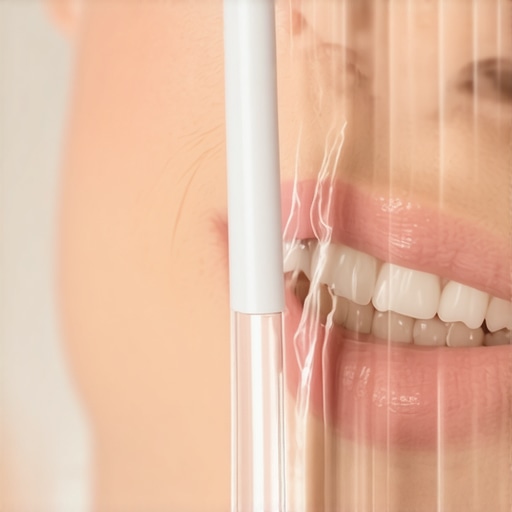 Many people believe that cosmetic dentistry is purely about superficial improvements, but in reality, there’s a nuanced landscape that often gets overlooked. For instance, the misconception that all whitening procedures are safe for sensitive teeth is widespread; however, not all treatments are suitable, and some can exacerbate sensitivity if not chosen carefully. Experts suggest that understanding individual oral health conditions—like enamel thickness and existing sensitivities—is crucial before opting for any cosmetic procedure. This is detailed in this comprehensive guide to cosmetic dentistry myths.Maintaining the results of cosmetic dentistry and associated treatments like Invisalign or professional teeth cleaning requires the right tools and consistent care routines. I personally swear by the Electric Water Flosser from Waterpik because it offers adjustable pressure settings, allowing me to customize my flossing experience and prevent gum irritation. The importance of selecting a device that suits your gum sensitivity cannot be overstated; for sensitive mouths, models with gentle modes are ideal, as highlighted in this guide to teeth cleaning for sensitive teeth.”;”htmlBody”:”
Beyond daily brushing, investing in quality tools is vital for the longevity of your cosmetic dental results. A cordless sonic toothbrush with replaceable heads, like the Oral-B Genius Pro, ensures effective plaque removal while being gentle on veneers or bonded restorations. I personally prefer models with pressure sensors to avoid applying too much force, which can compromise both natural teeth and dental work. Regularly replacing toothbrush heads, ideally every three months, keeps your regimen optimal and reduces bacteria buildup, which is crucial for maintaining bright smiles.
In addition to handheld tools, incorporating a UV-C toothbrush sanitizer has been a game-changer in my routine. It disinfects brushes and device tips, preventing bacterial colonization that could lead to sensitivities or decay. These devices are recommended by dental professionals for long-term hygiene and are especially beneficial when managing post-treatment care after procedures like crowns or veneers.
How do I maintain my cosmetic enhancements over time?
Consistent upkeep involves more than just tools; scheduling regular check-ups with your cosmetic dentist ensures any minor issues are addressed before they escalate. For example, even with professionally applied teeth whitening, the results can fade over time if you neglect touch-up treatments—typically recommended every 6 to 12 months. My dentist advises using reputable whitening pens or gels at home in conjunction with professional whitening to prolong your results.
Furthermore, adopting a comprehensive oral hygiene routine that includes interdental brushes and gentle yet effective toothpaste helps preserve enamel integrity, particularly when using whitening or bonding materials. For those interested in emerging trends, cosmetic dentistry innovations in 2025 suggest new sealants and laser treatments that can protect surfaces long-term, making maintenance more manageable.
Looking ahead, the integration of smart dental devices equipped with Bluetooth connectivity and AI diagnostics promises to empower patients with real-time feedback, making routine maintenance more proactive and personalized. As these technologies become mainstream, we’ll be able to detect early signs of wear or issues and address them swiftly, ensuring your cosmetic enhancements remain perfect for years to come.
In the meantime, I highly recommend trying out a high-quality, adjustable water flosser for your daily routine. It’s an advanced step towards safeguarding your investment in a radiant smile, as proper interdental cleaning is crucial for maintaining the longevity of cosmetic procedures. If you’re serious about holding onto those beautiful results, regular use of such tools along with scheduled professional evaluations will keep your smile shining brightly for the future.
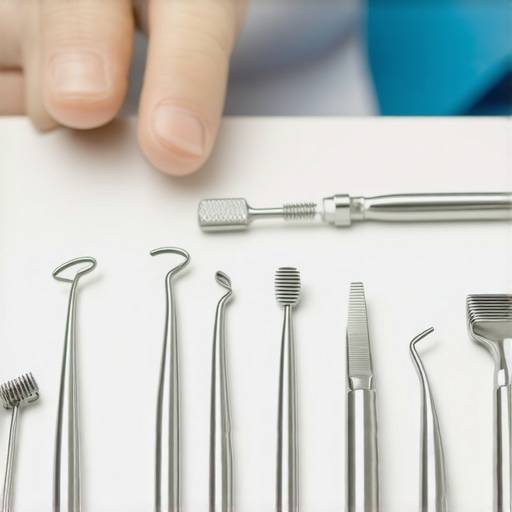

One of the most eye-opening insights I gained was realizing that gentleness often trumps brute force in dental care. Rushing through teeth cleaning or pushing water flossers to maximum settings might seem effective initially, but it can actually cause more harm than good. Taking the time to understand your body’s responses and respecting its limits turned my routine around. This patience, combined with consistent gentle care, has helped me maintain a radiant smile without discomfort.
Another lesson was understanding that not all tools are suitable for everyone. I used to believe that a high-powered water flosser would instantly banish plaque, but I learned that adjusting the pressure to my gum sensitivity was crucial. Personalizing my dental tools and techniques, guided by expert recommendations, made a significant difference in my oral health journey. This tailored approach is something I wish I had embraced sooner.
Finally, I discovered the importance of addressing underlying issues rather than just surface symptoms. Bleeding gums on high-pressure settings signaled early inflammation, prompting me to seek professional advice. Regular check-ups combined with mindful care ensured I was tackling problems from the root. Recognizing the signs early and acting with patience transformed not just my routine, but my overall dental wellbeing.