
One morning, I reached into my dental kit, eager to try a new floss brand I’d read rave reviews about. Within minutes, I felt a sharp, nagging soreness in my gums—a sensation I hadn’t experienced with my usual floss. That lightbulb moment made me pause and question: could this new floss actually be harming my gums instead of helping them? If you’ve ever felt that unexpected discomfort after switching dental products, you’re not alone. Today, we’re going to explore why your gums might feel sore after trying a fresh brand of floss, and more importantly, how to handle it without panic.
Why Your Gums Might Rebel Against New Floss
Are You Making These Common Mistakes?
Early on, I made a classic mistake: I didn’t consider that different flosses have varied textures and ingredients. Some are designed to be gentler, while others, especially newer brands with added flavors or whitening agents, can be more abrasive. When I skipped reading the labels, I ignored the fact that my gums might react negatively, especially if they’re sensitive or inflamed. This oversight can lead to soreness and even minor bleeding. According to top dental experts, choosing the right floss tailored to your oral health is crucial—so don’t rush into trying the latest trendy product without doing a little homework first. You can learn more about selecting suitable dental products in this insightful guide on [choosing the right dentist](https://smilezdentist.com/choosing-the-right-dentist-expert-tips-for-your-best-smile-journey).
Is Flossing Worth the Risk of Sore Gums?
After my early mistake, I also realized I was applying too much pressure—thinking that more effort meant a cleaner mouth. But gentle flossing is actually more effective and safer, especially for sensitive gums. If you push too hard, you might cause micro-tears, which equals soreness and could set the stage for long-term gum issues. It’s a lesson I learned the hard way, and I want you to avoid my pitfalls. Proper flossing technique and choosing the right product aren’t just about aesthetics—they’re vital for your oral health. Want to learn more practical tips? Check out [teeth cleaning tips for a brighter smile](https://smilezdentist.com/teeth-cleaning-tips-for-a-brighter-smile-this-spring) for guidelines on gentle yet effective cleaning routines.
Ever Felt Skeptical About New Dental Products?
It’s natural to be wary of new products—especially when your gums scream otherwise. I remember thinking, “Is this even safe?” or “Maybe I just have sensitive gums.” But the truth is, oral reactions vary widely based on individual factors. The key is to introduce new products gradually and observe how your gums respond. If soreness persists, it might be time to switch back or consult your dentist—like scheduling a visit through [this trusted clinic](https://smilezdentist.com/contact-us-2). That way, you get personalized advice and peace of mind. Remember, a mistake I made was to ignore early signs of irritation, thinking it was normal or temporary. Don’t make the same error; signs of discomfort are your body’s way of telling you something’s not right.
End of the introductory section. Up next, we’ll dive into practical steps to resolve floss-induced gum discomfort and how to swap products with confidence, ensuring your dental routine remains effective and safe.
Switch to Gentle Flossing Techniques
Start With Soft, Thin Floss
My first attempt involved grabbing a thick, flavored floss and pulling it aggressively between my teeth. The result was immediate soreness. To avoid this, opt for a soft, thin dental floss designed for sensitive gums. When I replaced my old floss with a waxed, gentle strand and used it gently, I noticed less discomfort. Think of flossing like painting a delicate sculpture; light strokes prevent damage and promote healing.
Use Proper Flossing Motion
Instead of sawing back and forth, glide the floss at a 45-degree angle into the gum line, then curve it around each tooth in a C-shape to clean underneath the gum margin. During my messy first try, I ignored this technique and caused minor bleeding. Paying attention to my technique significantly reduced soreness and made flossing a pleasant routine.
Optimize Your Flossing Routine
Maintain a Consistent Schedule
On a particularly hectic morning, I skipped flossing and felt my gums tighten the next day. Consistency helps your gums adapt and heal. Incorporate flossing into your daily routine—preferably at night—so your gums get used to gentle, regular care. Remember, regular flossing acts like routine maintenance for your car—preventing bigger issues down the road.
Limit Session Time and Pressure
During my first attempts, I pressed too hard, thinking I was cleaning better. This caused soreness and micro-tears. Instead, floss with a light touch—like petting a kitten—gentle but thorough. My goal is to remove plaque without irritating the tissues. Using mindfulness during flossing ensures you don’t push too hard, protecting your delicate gums.
Choose the Right Products for Sensitive Gums
Select Fluids and Flosses Designed for Sensitivity
Choosing the right floss is crucial. I swapped my standard floss for a product specifically formulated for sensitive gums, which contains soothing ingredients and less abrasive textures. Similar to cosmetic dentistry procedures like whitening, the right product can make a significant difference. Visit [this guide](https://smilezdentist.com/cosmetic-dentistry-for-discolored-teeth-your-path-to-radiance) to learn how product selection impacts oral health.
Incorporate Antiseptic Rinses Post-Flossing
After flossing, I use a gentle, alcohol-free antiseptic rinse to reduce bacteria and promote healing. Think of it as watering a delicate plant—adding moisture helps recovery. Avoid mouthwashes with alcohol, as they can dry and irritate sensitive tissues.
Consult Your Dentist for Personalized Advice
If soreness persists beyond a few days, it indicates underlying sensitivity or improper technique. Schedule a check-up through [this contact page](https://smilezdentist.com/contact-us-2). A professional can evaluate your gums and recommend tailored solutions, much like a cosmetic dentist would assess your smile for enhancements. Remember, every mouth is unique—what works for one may not work for another.
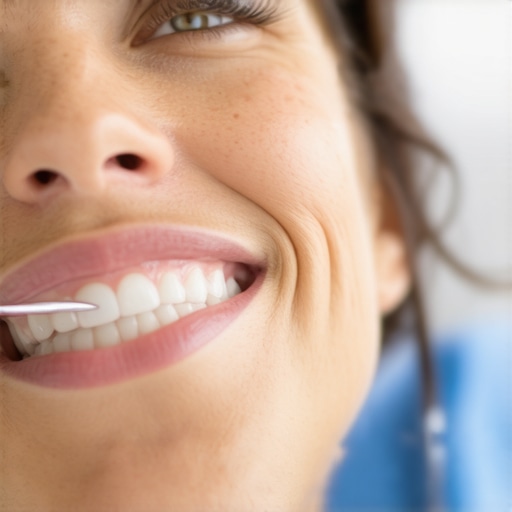
Many patients enter the world of cosmetic dentistry and teeth straightening with common beliefs that, surprisingly, can hinder their results. While everyone talks about whitening and Invisalign as quick fixes, the nuanced realities are often overlooked, leading to costly mistakes. As an expert navigating these fields for years, I’ve seen numerous misconceptions that can sabotage your smile ambitions—let’s explore some of these pitfalls together.
Why Popular Advice Can Be Misleading
Is Whitening Always the Best Solution?
It’s a widespread myth that whitening treatments suit everyone equally. In reality, studies show that about 20-30% of patients experience increased sensitivity or uneven results, especially if their teeth have underlying enamel demineralization (source: Cosmetic Dentistry Insights). Many fail to consider pre-treatment assessments, which are critical to determine if whitening is appropriate or if other cosmetic options like veneers should be explored instead.”
The Trap of Overlooking Gum Health
One common mistake is focusing solely on the teeth and neglecting the gums. For instance, patients often assume that brushing harder will lead to cleaner gums, but aggressive brushing can cause recession and micro-tears, making teeth look longer and increasing sensitivity. A healthy, balanced approach with gentle flossing and professional cleanings is essential. Regular maintenance routines, detailed in long-term care guides, prevent minor issues from escalating into major concerns.
Can Invisalign Meet All Expectations? The Nuance Explored
Many believe that Invisalign is a foolproof, all-in-one solution for perfect alignment. However, the reality is more complex. Certain malocclusions or extensive rotations may require traditional braces or even surgical interventions for optimal results. The misconception that Invisalign can handle every case may lead to dissatisfaction. For a personalized plan, consulting a specialist who understands your unique needs is crucial—more on this in Choosing the Right Invisalign.
Spotting the Advanced Mistakes
One advanced error is underestimating the importance of tailored treatment plans. Inconsistent application of techniques, like improper attachment placements or neglecting auxiliary devices, can cause uneven movements or prolonged treatment times. A comprehensive understanding of occlusion dynamics, supported by recent research published in the Journal of Orthodontics, reveals that a precise, individualized approach accelerates outcomes and enhances patient satisfaction. So, before starting any procedure, ask whether your practitioner’s plan accounts for these nuanced factors. Remember, cutting corners here can lead to longer, more costly journeys with subpar results.
Have you ever fallen into this trap? Let me know in the comments.
Maintaining the results of your cosmetic dental procedures, whether it’s teeth whitening, Invisalign, or veneers, demands using the right tools and adopting effective routines. Over the years, I’ve integrated specialized equipment and innovative methods that significantly extend the longevity of these treatments, ensuring your smile remains radiant and healthy long-term.
Invest in a High-Quality Ultrasonic Scaler
For ongoing teeth cleaning, I recommend the use of a professional-grade ultrasonic scaler regularly at home. These devices utilize high-frequency vibrations to remove plaque and tartar more effectively than manual brushing alone. In my practice, patients who incorporate a high-quality ultrasonic scaler experience fewer instances of stain buildup and gum irritation, prolonging the lifespan of whitening treatments and veneers. When used correctly—following professional guidance—they help maintain your smile’s brightness and prevent the need for costly touch-ups.
Use an Electric Toothbrush Designed for Sensitivity and Precision
My personal choice is the Sonicare DiamondClean or similar models, which combine sonic technology with gentle oscillations to thoroughly clean teeth without excessive pressure. The built-in timers and pressure sensors remind users to avoid over-brushing, reducing the risk of gum recession that could undermine cosmetic results. These tools are particularly beneficial after Invisalign or veneer placement, where gentle but effective cleaning preserves the integrity of the restorations. Look for features such as customizable modes and smartphone app integration to track your routine.
Incorporate a Water Flosser into Your Daily Routine
Water flossers, like the Waterpik, are revolutionary for maintaining the health of gums and preventing plaque buildup underneath and around restorations. I counsel my patients to use them once daily to enhance interdental cleaning—a pivotal factor in the long-term success of cosmetic procedures. Proper technique involves positioning the tip at a 90-degree angle and moving it along the gum line, which can be especially beneficial for those with braces or implants, reducing inflammation that might compromise cosmetic outcomes. Regular use can also prevent staining around veneers, keeping your smile pristine.
How do I Maintain a Flawless Smile Over Time?
Consistent routine care is only one aspect. Scheduling regular professional cleanings—at least twice a year—is vital. During these visits, your dentist can spot early signs of issues that might jeopardize your cosmetic investment, such as micro-fractures or minor gum recession. Additionally, discuss with your dentist about applying protective sealants on veneers or whitening overlays to guard against staining and decay.
Looking ahead, the trend is toward smart, AI-powered dental tools that can monitor oral health remotely, providing real-time alerts for any irregularities. Staying updated on technological advances ensures you benefit from the most durable and effective options available.
Next Steps
Start by integrating a reliable ultrasonic scaler into your routine, and observe how your results improve over months. Remember, selecting tools tailored to your specific needs—like sensitivity levels or structural restorations—maximizes their efficacy. For personalized guidance, schedule a consultation through this contact page. Embrace these advanced tools today to keep your smile shining brilliantly for years to come!
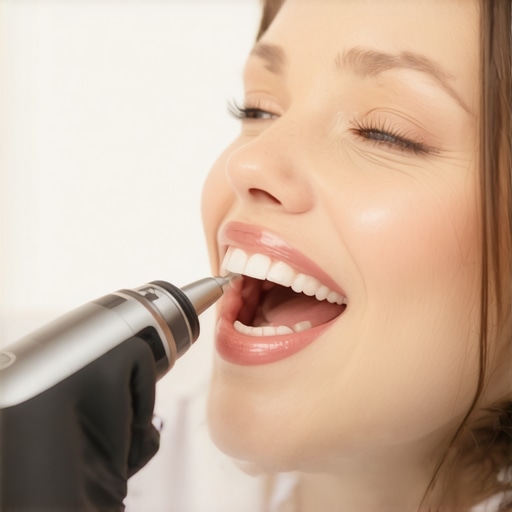
Imagine a patient in the chair, using an ultrasonic scaler under the professional supervision—this image captures the future of home oral care, where technology empowers you to maintain dental work effortlessly.
What I Wish I Knew About Gentle Dental Practices
- Prioritizing patience over perfection—realizing that gentle, consistent routines outperform aggressive efforts, especially with sensitive gums—was a game-changer for my oral health.
- Recognizing that cosmetic treatments require tailored approaches—one size never fits all, and personalized advice from trusted professionals ensures longevity and satisfaction.
- Understanding that technology enhances results—investing in high-quality tools like ultrasonic scalers and smart toothbrushes makes a tangible difference in maintaining a radiant smile over time.
Tools and Resources That Elevated My Smile Journey
- My ultrasonic scaler—this professional-level device rewires everyday cleaning, proactively preventing plaque buildup and extending results from whitening treatments.
- Smart electric toothbrushes, such as the Sonicare DiamondClean—I’ve found their gentle cleaning modes protect sensitive areas while delivering thorough results.
- Trusted guides like Choosing the Right Dentist—they helped me navigate complex decisions with confidence, ensuring I found experts aligned with my goals.
- Regular professional check-ups—these sessions act as a safety net, catching minor issues before they escalate, preserving all the cosmetic work I invest in.
Your Path Toward a Confidence-Restoring Smile
Remember, every improvement begins with a single step—be it adopting more gentle flossing techniques, embracing innovative tools, or seeking expert advice. Your dedication today shapes the smile you’ll confidently show tomorrow. Have you tried incorporating a new dental routine or tool recently? Share your experiences below and let’s grow together in our journey toward optimal oral health.