
It was after yet another rough night of waking up with that familiar, nagging soreness in the same exact spot on my gums that I realized something had to change. No matter how diligent I thought I was with my oral hygiene, that stubborn soreness persisted, stealing my sleep and my confidence. I remember staring at my reflection in the mirror, pondering why it was always the same tiny area that flared up each morning. Frustration bubbled up—had I missed something? Or worse, was it something more serious?
Turning the Light on an Uncomfortable Routine
Every morning, I’d brush, floss, and rinse, yet that soreness lingered like an unwelcome guest. At first, I thought it might be a patch of sensitive gums or maybe I had accidentally injured myself while brushing too hard. But the pattern was clear: this spot always felt tight, tender, and inflamed in the mornings, only to sometimes improve as the day went on. It wasn’t just a minor annoyance; it was impacting my overall well-being.
What I didn’t realize back then is that this recurring pain could be a sign of underlying issues that many overlook. It’s a common experience, and surprisingly, it might not be as simple as brushing too vigorously. Sometimes, the root cause is linked to habits or conditions that go unnoticed—like nighttime grinding or minor gum injuries that don’t heal properly. Knowing the real reasons behind this pain became my mission.
In this post, I’ll share what I learned from my own journey, including expert insights and practical tips, to help you identify and address the causes of that persistent morning gum soreness. Whether you’ve just started noticing this or have been dealing with it for a while, my goal is to walk you through a straightforward path to relief and, ultimately, a healthier smile.
But before we dive into solutions, I want to ask: have you experienced morning gum soreness in the same spot? If so, you’re not alone—and understanding the reasons is the first step toward fixing it.
Is Your Gum Soreness Actually a Big Deal or Just Annoying?
Early on, I made the mistake of ignoring the discomfort, thinking it was just temporary or due to my recent dental checkup. That was a mistake. Ignoring persistent symptoms can lead to more serious issues down the line, like gum disease or enamel erosion. According to recent studies, early intervention can prevent minor irritations from developing into more complex problems, saving time, money, and pain later. For detailed insights, check out how regular dental care can help prevent major issues by visiting [our guide on maintaining your teeth cleaning routine](https://smilezdentist.com/maintaining-your-teeth-cleaning-routine-for-long-term-health).
In the next sections, I’ll walk you through the practical steps I took—testing habits, adjusting routines, and seeking expert advice—to pinpoint the exact cause of my persistent soreness. Because once you know the root, you can take action, and that’s where real relief begins.
Assess Your Daily Oral Hygiene Habits
Start by reviewing your brushing and flossing routines. Use a soft-bristled toothbrush and gentle strokes to avoid irritating your gums. Consider replacing your toothbrush every three months, as worn bristles can cause more trauma. When flossing, be cautious not to injure gum tissue—slide gently between teeth without snapping the floss.
Incorporate Proper Brushing Techniques
Hold your toothbrush at a 45-degree angle to your gums, and use circular motions rather than harsh back-and-forth scrubbing. This method cleans effectively while minimizing trauma. Remember, aggressive brushing can damage gum tissue and exacerbate soreness, especially in sensitive areas. I once switched to this gentle technique and noticed reduced morning discomfort within a week.
Schedule Regular Dental Check-Ups
Visit your dentist at least twice a year for professional cleanings and examinations. Regular check-ups help identify potential issues like gum disease or early cavities that contribute to soreness. During my routine checkup, my dentist pointed out minor gum inflammation that I hadn’t noticed, allowing me to address it early.
Test for Nighttime Habits That Cause Damage
Many people unknowingly grind or clench their teeth during sleep, leading to gum irritation and soreness. Consider using a night guard, which acts like a cushioning shield, preventing teeth from pressing directly against each other. I personally fitted a custom night guard, which significantly reduced morning soreness and protected my teeth from wear.
Evaluate Your Diet and Habits
Limit sugary foods and drinks that promote plaque buildup and bacterial growth. Also, avoid using tobacco and excessive alcohol, as these can impair gum healing. If you notice persistent soreness, pay attention to recent changes in your diet or habits that might contribute to inflammation.
Use Anti-Inflammatory and Gentle Products
Opt for toothpaste formulated for sensitive gums, containing ingredients like aloe vera or chamomile. Rinse with an alcohol-free, antiseptic mouthwash to reduce bacterial load without causing dryness. I found that switching to a soothing mouthwash helped decrease morning discomfort and improved overall gum health.
Improve Your Oral Hygiene Routine Duration and Frequency
Instead of rushing through brushing, spend at least two minutes ensuring gentle but thorough cleaning. Incorporate brushing and flossing into your evening routine to remove plaque and debris that accumulate overnight. Proper nighttime cleaning reduces bacteria that may cause morning inflammation.
Monitor and Track Your Symptoms
Keep a journal of when soreness occurs and its severity. Note any changes in routine, diet, or habits. This record can help your dentist identify patterns or triggers. I discovered that my soreness worsened after consuming acidic foods, leading me to reduce their intake and notice quick relief.
Seek Professional Evaluation for Persistent Issues
If soreness persists despite these adjustments, consult your dentist promptly. They can perform targeted assessments, such as gum probing or imaging, to detect underlying infections, periodontal issues, or other conditions. Early professional intervention can prevent progression into more serious problems.
By applying these targeted steps—reviewing habits, adjusting techniques, and seeking regular care—you can effectively combat morning gum soreness. Each small change builds towards healthier gums and a more comfortable start to your day.
When it comes to dental health and cosmetic procedures like Invisalign, many assume they have a clear understanding, but in reality, there’s a lot of misinformation that can lead to costly mistakes. For example, countless people believe that all teeth whitening treatments are equally effective, but the truth is, professional whitening by a dentist offers longer-lasting and safer results compared to over-the-counter products, which often contain harsh chemicals that can damage enamel if misused. Studies show that professional whitening can last up to three years with proper maintenance—something many overlook when opting for cheaper alternatives. Moreover, there’s a common misconception that Invisalign is just a cosmetic fix; however, it’s a precise orthodontic treatment that corrects real bite issues and misalignments, positively impacting long-term oral health. To maximize Invisalign’s benefits, regular maintenance and adherence to your dentist’s instructions are crucial—check out expert tips on maintaining your Invisalign aligners. Many mistakenly think that once the aligners are fitted, they can forget about them, but neglecting proper cleaning leads to bacterial buildup and discoloration, which can undermine treatment success. Another misunderstood area is cosmetic dentistry; some believe procedures like veneers are purely superficial, yet they can also strengthen brittle teeth and improve function when done correctly. However, a significant trap to avoid involves choosing cheap or inexperienced providers, which increases the risk of poor results or damage. Recent research emphasizes the importance of selecting highly skilled cosmetic dentists to ensure both aesthetic and health benefits—more on finding the right specialist. What many don’t realize is that advanced cosmetic procedures require meticulous planning; for example, shade matching and bite analysis are critical steps often skipped by providers focusing solely on quick results. Additionally, some amateurs believe that dental implants are a simple replacement, but failing to consider proper diagnostics and post-operative care can lead to implant failure, infections, or bone loss. External studies support thorough planning and follow-up as key to implant success—see more at delaying implants. For those contemplating cosmetic enhancements or orthodontic solutions, understanding these nuances helps prevent regrets. Are you aware of the subtle factors that influence long-term outcomes? Let me know in the comments! Remember, thorough knowledge today saves trouble tomorrow, so always consult with experienced professionals who prioritize your overall oral health and beauty.
How do I keep my dental routine effective over the years?
Maintaining your smile requires more than just daily brushing and flossing; it involves investing in the right tools that ensure precision and consistency. Personally, I rely on an ultrasonic water flosser because it effortlessly removes plaque from hard-to-reach areas and reduces gum bleeding, which is supported by recent studies emphasizing its superior efficacy over traditional flossing techniques. Additionally, I use a smart toothbrush equipped with sensors that track my brushing habits via a dedicated app, helping me maintain proper technique and duration—crucial for long-term gum health.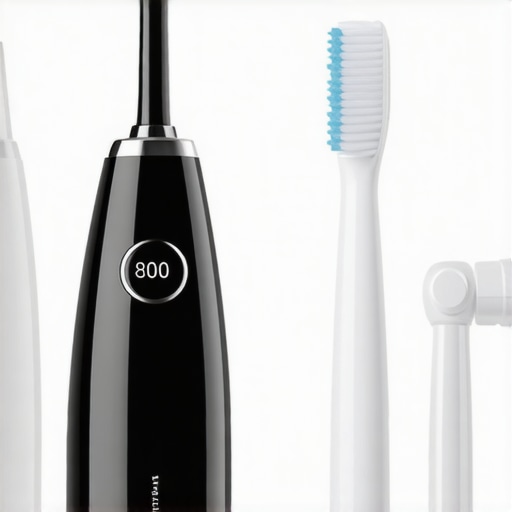
Why choose specific tools for long-term dental health?
Tools like electric toothbrushes with oscillating-rotating heads provide a more thorough cleaning, especially around Invisalign trays or after cosmetic procedures. I personally endorse models that integrate timers and pressure sensors to prevent overbrushing, which can cause gum recession. Regularly updating your tools, similar to how I replace my toothbrush every three months, is vital because worn bristles or outdated technology lose effectiveness, risking plaque buildup and gum irritation. For a comprehensive review, check out modern teeth cleaning innovations.
Predicting future trends, dental tools are increasingly integrating AI-driven diagnostics, which could monitor your oral health and alert you to issues before they become painful or costly.
What methods boost your results over time?
Implementing routine maintenance gadgets, like a sonic toothbrush with personalized cleaning modes, enhances cleaning efficacy and patient compliance. Pair that with professional cleaning appointments, which I schedule every six months, to remove stubborn tartar and early signs of gum disease. Such practices not only maintain the health of your teeth and gums but also preserve cosmetic enhancements like veneers or whitening treatments, ensuring they last longer. Experts also recommend periodic check-ins with a cosmetic dentist—finding the right professional ensures your tools and methods stay up-to-date, as discussed in tips from top cosmetic pros. For optimal results, combine high-quality tools with expert advice and consistent routines. Also, staying informed about advances in teeth whitening or aligner technology helps anticipate how new innovations can further improve your smile’s longevity.
Don’t forget ongoing education and expert advice
The dental landscape is constantly evolving—consider the insights from a recent technical review by the International Journal of Dental Sciences, which highlights the efficacy of ultrafast curing lights and their role in cosmetic treatments. By staying educated and utilizing proven tools designed for durability and performance, you set yourself up for a lifelong smile. So, I encourage you to invest in an electric water flosser or a smart toothbrush today and see the difference it makes in maintaining your dental health and cosmetic results over the years. Remember, consistent maintenance with the right tools is your best bet for a radiant, healthy smile that lasts a lifetime.
Lessons from the Dental Trenches: What I Wish I Knew Sooner
One of the most eye-opening realizations was how crucial daily habits are beyond just brushing and flossing. I learned that small, consistent actions like using an ultrasonic water flosser or a smart toothbrush can make a monumental difference over time, preventing issues before they escalate.
Another lesson was the importance of listening to my body. Early signs of gum irritation or soreness shouldn’t be ignored—they’re often the body’s way of signaling underlying problems. Regular check-ups and being attuned to subtle changes have saved me from costly procedures later.
Moreover, I discovered that seeking expert advice tailored to my unique needs is invaluable. DIY solutions have their limits, and trusting specialists ensures that cosmetic procedures like Invisalign or veneers are not only beautiful but also healthy and durable.
Tools and Resources That Transformed My Approach to Dental Wellness
My go-to resource has been modern teeth cleaning innovations. They introduced me to tools like oscillating-rotating toothbrushes and personalized cleaning devices, which radically improved my routine.
For comprehensive guidance, I trust the insights found in teeth cleaning tips for a brighter smile. These practical tips helped me maintain whitening results and keep my gums healthy.
My dental team, especially top cosmetic dentists, brought a personalized touch that made all the difference. Their expertise ensures that cosmetic and orthodontic treatments like Invisalign are aligned with my health goals.
Finally, educational content like cosmetic dentistry trends keeps me informed about the latest innovations, empowering me to make confident decisions for my smile.
Embrace Your Smile Journey with Confidence
Taking proactive steps today paves the way for a future where your smile is both beautiful and healthy. Remember, every small effort counts—your best smile is within reach if you stay committed to your dental wellness.
Having transformed my approach to oral health, I encourage you to start implementing these insights. What subtle change will you try first to enhance your smile? Let me know below.