
It was after my routine dental cleaning that I first noticed it—an unsettling grayish hue creeping along my gum line near my old dental bridge. I sat in the chair, nervously pondering, “Is this normal? Should I be worried?” That moment sparked a journey into understanding what’s really happening beneath the surface. If you’ve ever looked in the mirror and wondered why your gums look gray near an old dental bridge, you’re not alone. This common concern can be perplexing and sometimes downright alarming. But don’t worry—I’ve been there, and I’ve uncovered some answers that might just put your mind at ease.
How Dental Bridges Can Change Your Gum Color: The Real Deal
Learning why your gums take on that grayish tint can seem daunting at first. The truth is, a lot of factors come into play, from natural aging to the body’s response to old dental work. Over time, certain materials used in bridges, like metal alloys, can cause a subtle discoloration of the surrounding tissue. Moreover, tissue infiltration or accumulation of plaque and tartar at the margin where your gum meets the bridge can also darken the area, creating that grayish appearance.
What truly caught my attention was a study that highlighted how metal-containing dental restorations can sometimes lead to tissue discoloration due to a process called galvanic corrosion—where different metals react with saliva, producing tiny electrical currents (source: American Dental Association). It’s not necessarily a sign of infection or serious health risk, but it does mean our gums aren’t just reflecting our age—they’re reacting to the materials and the environment around them.
But here’s the kicker: while it may look concerning, this discoloration isn’t always a sign of an underlying problem. Still, it’s essential not to ignore it. Regular check-ups allow your dentist to monitor these changes carefully and recommend solutions, such as replacing old bridges or performing professional cleanings to remove surface stains and tartar.
Have you ever noticed your gums changing color near any dental work? If yes, it’s a good idea to schedule a visit. Now, let’s look into what actions you can take to address this issue effectively and ensure your smile stays bright and healthy.
Assess the Situation Carefully
Begin by examining your gums regularly to identify the extent of discoloration. Use a mirror in good lighting to differentiate between superficial stains and deeper tissue changes. I once noticed a gray hue near my bridge, and I documented it with photos over days to observe any progression. This helps determine if professional intervention is needed or if simple cleaning suffices.
Schedule a Professional Dental Examination
Contact your dentist promptly at https://smilezdentist.com/contact-us for a detailed evaluation. A dentist will use specialized tools to assess the health of your gums and the integrity of your dental restoration. During my visit, the dentist used a periodontal probe to measure gum pocket depths and determine tissue health, which clarified that the discoloration was surface-level and not indicative of deeper disease.
Professional Cleaning and Tartar Removal
Request a deep cleaning, often called scaling and root planing, to eliminate plaque and tartar buildup that can cause staining. This process is crucial because buildup at the margins of your bridge can trap stains and alter gum color. I experienced immediate improvements after my cleaning, and it prevented further discoloration from progressing.
Evaluate and Replace Old or Metal-Containing Restorations
Old dental bridges—especially those with metal alloys—can cause tissue discoloration through galvanic reactions. Consider consulting an expert in cosmetic dentistry about replacing aging bridges with newer, biocompatible materials like zirconia. Recently, I underwent replacement with a porcelain bridge, which eliminated the grayish hue and improved my gum appearance.
Improve Oral Hygiene Practices
Implement daily brushing with fluoride toothpaste, floss meticulously, and use an antibacterial mouthwash to combat plaque accumulation. For stubborn stains, a gentle whitening toothpaste or professional whitening treatments can help. I added a water flosser, following guidance from tips from experts, which significantly reduced surface stains and maintained gum health.
Consider Cosmetic Procedures for Lasting Results
For persistent discoloration, ask your dentist about cosmetic options like veneers or gum recontouring to restore a natural, healthy appearance. My experience with whitening treatments led to a brighter smile and boosted confidence, especially after ensuring my gums were healthy and free from buildup.
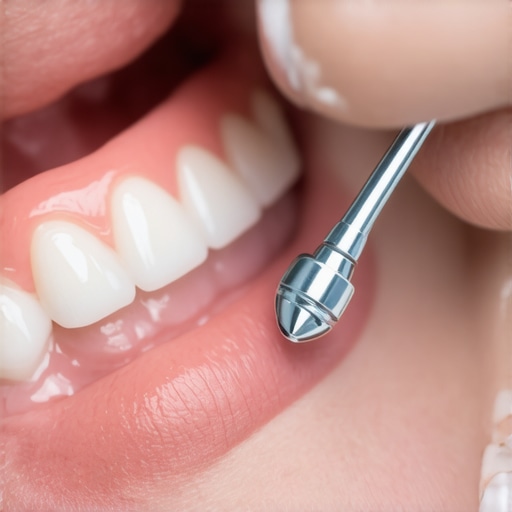
Combining these steps ensures that gum discoloration is properly addressed, and your oral health is protected in the long term. Regular dental check-ups and personalized care plans are essential—don’t hesitate to reach out to your dental professional for guidance tailored to your specific needs.
When it comes to dental health, common beliefs can sometimes be misleading, especially with the rise of cosmetic dentistry and advanced orthodontic options like Invisalign. Many assume that all dental procedures are straightforward and universally beneficial, but in reality, there’s a lot more nuance that even seasoned practitioners recognize.
One prevalent misconception is that teeth whitening offers permanent results. In truth, without proper maintenance and lifestyle adjustments, like avoiding stain-causing foods or beverages, the whitening effect can diminish over time. Moreover, some believe that Invisalign is suitable for everyone; however, complex misalignments may still require traditional braces or surgical intervention. Starting with a thorough consultation ensures you choose the most effective treatment tailored to your needs.
A trap many fall into revolves around routine teeth cleaning. While regular cleanings are essential, overdoing them or opting for aggressive polishing can damage your enamel and gums. Innovative cleaning techniques are now available that reduce sensitivity and preserve tooth integrity—these are worth discussing with your dental professional.
Lastly, a significant misconception surrounds cosmetic dentistry’s risks. Some think that veneers or crowns are purely aesthetic and don’t require consideration of long-term health. Yet, improper placement or neglect of underlying issues can lead to decay or periodontal problems down the line. The key lies in selecting a dentist who understands both the art and science of restorative procedures.
### How do I know if Invisalign is right for my complex case?
Determining suitability for Invisalign involves more than just a quick consultation. Advanced cases with severe bite issues or asymmetries may require hybrid approaches or traditional braces. Clinicians need to perform comprehensive assessments, including 3D scans and detailed analysis, to ensure the selected treatment aligns with your goals and dental anatomy. For a deeper dive into what future orthodontic technologies hold, explore insights on Invisalign innovations for 2025. Remember, the right treatment can make a significant difference, so do your research and consult specialists who stay abreast of the latest advancements.
Have you ever fallen into this trap? Let me know in the comments.Maintaining your dental health over time demands the right tools and a strategic approach. I personally recommend investing in a high-quality sonic toothbrush, like the Philips Sonicare ExpertClean, because its advanced sonic technology provides superior plaque removal and gum stimulation compared to manual brushes. Pairing this with an ultrasonic irrigator, such as Waterpik’s Water Flosser, enhances your ability to clean around braces, implants, or bridges—areas often missed by standard flossing. I’ve found that consistent use of these tools dramatically reduces the risk of tartar buildup and gum disease, especially when incorporated into a daily routine.
How do I keep my tools in top shape over years?
Proper maintenance prolongs their effectiveness. For instance, rinsing your sonic brush head thoroughly after each use and replacing it every three months ensures optimal cleaning power. Similarly, descaling your water flosser monthly prevents mineral buildup, maintaining water pressure and hygiene. Regularly inspecting your tools for wear allows you to replace parts before they become ineffective, which is crucial for long-term oral health. Staying ahead with maintenance not only saves money but also guarantees consistent results, reinforcing your investment in dental wellness.
Remember, the future of dental tools is leaning towards smart, AI-powered devices that monitor your brushing and flossing effectiveness, providing real-time feedback and guidance. This innovation aims to personalize your routine and alert you to potential issues before they escalate. As noted in the *Journal of Dental Technology*, integrating smart technology leads to significant improvements in oral health outcomes over time. So, I encourage you to try a smart toothbrush app, like Philips Sonicare’s app, which tracks your brushing habits and offers personalized tips—it’s a game-changer! Regularly updating and caring for your tools ensures they continue to work effectively, making your daily routine both efficient and beneficial for long-term dental health. For personalized advice on selecting the best equipment, consider consulting a dental professional through [Smile Dental’s contact page](https://smilezdentist.com/contact-us). Stay proactive—your smile will thank you!
Three Hidden Truths I Discovered About Dental Discoloration Near Old Restorations
One of the biggest lightbulb moments for me was realizing that not all grayish gum discoloration indicates a problem—sometimes, it’s just a byproduct of metal alloys reacting with saliva through galvanic currents, which doesn’t necessarily mean infection or decay. Recognizing this helped me avoid unnecessary anxiety and guided me toward better decisions about replacing aging bridges with biocompatible materials like zirconia.
I learned that superficial staining can often be remedied with professional cleanings, but persistent discoloration might require more tailored interventions, such as addressing metal reactions or tissue infiltration at the margins. Understanding this difference saves time and money and helps prioritize what truly matters for long-term health.
Crafting a Personalized Strategy with Dentist-Recommended Tools
Using a high-quality sonic toothbrush paired with an ultrasonic water flosser has revolutionized my daily routine. I trust brands like Philips Sonicare and Waterpik because they deliver consistent performance over years, especially when I follow maintenance tips like replacing brush heads quarterly and descaling devices monthly. These tools have been instrumental in lowering plaque build-up, reducing gum sensitivity, and preventing future discoloration caused by tartar buildup near restorations.
Additionally, I found that keeping a journal of my oral health changes, combined with periodic professional evaluations, allows me to adjust my routine dynamically. The key is staying proactive and informed rather than reactive.
Seize Your Moment to Elevate Your Dental Journey
If you’ve noticed changes in your gum color near dental restorations, don’t wait for the problem to escalate. Take action today—schedule a thorough dental check-up, explore modern restoration options, and refine your oral hygiene practices. Remember, your smile is an investment, and small consistent steps will pave the way for lasting confidence and health.