
I’ll never forget the first time I experienced that pounding ache right after a routine dental cleaning. I sat in my car, wondering if I had somehow triggered a new dental crisis. The throbbing was intense, frustrating, and completely unpredictable. It made me question whether I had made a mistake by trusting the process. Sound familiar? If you’re like me—trusting your dentist, yet suddenly overwhelmed with hours-long gum pain—you’re in the right place. Today, I want to uncover what might be causing this discomfort and how you can find relief.
The Hidden Reasons Behind Persistent Gum Throbbing After Cleaning
Is This Normal or a Sign of Trouble?
In my early days of dental visits, I made a classic mistake: ignoring lingering pain and assuming it would fade on its own. But I learned that hours of dull or sharp gum throbbing aren’t something to brush off. They could indicate sensitivity, inflammation, or even minor trauma from the cleaning itself. Interestingly, research shows that gentle yet effective cleaning can sometimes cause temporary discomfort, especially if your gums are sensitive or inflamed to begin with. For more myths about teeth cleaning, I recommend checking out this comprehensive article. Understanding what’s normal versus what warrants concern is an essential first step.
Next, I’ll walk you through common reasons why your gums might throb long after your appointment—and what you can do about it. Sometimes, the answer is simple, and other times, it might require professional attention. Either way, recognizing the cause is the key to relief and better future experiences.
Apply Gentle Anti-Inflammatory Measures
Immediately after experiencing gum throbbing, I gently rinsed my mouth with warm salt water, which acts like a natural anti-inflammatory. Mix half a teaspoon of salt in eight ounces of warm water, swish for 30 seconds, and spit out. This helps reduce swelling and soothe irritated tissues, much like soothing a minor sprain.
Adjust Your Oral Hygiene Routine to Minimize Discomfort
Use Soft-Bristled Brushes and Gentle Motions
Switch to a soft-bristled toothbrush and brush with light strokes. I remember using a toothbrush with ultra-soft bristles and brushing in a circular motion, avoiding aggressive scrubbing, which can aggravate sensitive gums. This technique prevents further trauma and promotes healing.
Incorporate Desensitizing Products
Applying desensitizing toothpaste containing potassium nitrate helped me numb hypersensitive areas. I applied a small dab to my gums twice daily, much like using a numbing gel on a painful area. Regular use over a week can reduce sensitivity caused by cleaning.
Use Over-the-Counter Pain Relief Wisely
In my case, taking an NSAID like ibuprofen helped manage the throbbing within an hour. Follow the dosage instructions carefully. Think of it as temporary support for your tissues, allowing natural healing to take over.
Implement Lifestyle Adjustments to Promote Healing
Maintain a soft diet avoiding hot, spicy, or acidic foods that can irritate your gums. I found that sticking to lukewarm soups and smoothies minimized discomfort. Hydrate well, as water flushes out irritants and supports tissue repair.
Schedule a Professional Evaluation if Needed
If discomfort persists beyond 48 hours or worsens, it’s crucial to consult your dentist promptly. Sometimes, persistent throbbing indicates underlying issues like inflammation or infection, which require targeted treatment. When I experienced ongoing pain, I contacted my dentist and discovered I had minor inflammation needing special care—more about that can be learned from regular dental care strategies.
Monitor and Prevent Future Discomfort
Regularly visiting your dentist for cleanings ensures that your gums stay healthy and responsive. Implementing recommended home care steps consistently can prevent sensitivities and throbbing episodes, much like maintaining a well-oiled machine to avoid breakdowns.
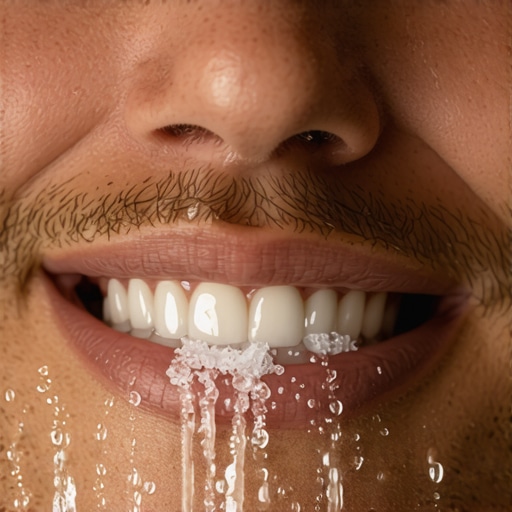 Many patients operate under misconceptions about teeth cleaning, Invisalign, and cosmetic dentistry, often leading to suboptimal results and unmet expectations. Let’s explore some nuances that are frequently overlooked, challenge common myths, and reveal advanced mistakes that even experienced dental patients might unknowingly make. Understanding these details can elevate your oral health journey and ensure you’re making informed decisions.
Why the Popular Belief That More Frequent Cleaning Is Always Better Might Be Wrong
Contrary to the widespread assumption that scheduling more frequent dental cleanings will automatically guarantee a healthier mouth, overdoing it can sometimes cause sensitivity or gum recession. Dentists recommend personalized cleaning intervals tailored to your specific needs, and blindly increasing frequency may do more harm than good. For example, aggressive cleanings can strip away protective enamel or irritate sensitive tissues, a nuance often missed by patients eager for perfect results. The key is balancing regularity with gentleness; explore insights from modern techniques that minimize sensitivity to get the best outcomes.
Common Mistake: Assuming Invisalign Is Just About Straightening Teeth
Many people overlook that Invisalign’s success depends heavily on precise treatment planning and patient compliance. A prevalent myth is that the aligners do all the work, but in reality, inadequate wear time, skipping aligner changes, or not following your dentist’s instructions can prolong treatment or lead to undesirable results. Advanced users focus on understanding the nuances of attachment placement and how specific features influence tooth movement—details discussed extensively in comparing Invisalign options. Proper education here can prevent costly mistakes and improve treatment efficacy.
Make Your Smile Last: A Critical Cosmetic Dentistry Insight
Many assume whitening or veneers are quick fixes, but neglecting maintenance can result in staining, chipping, or uneven wear over time. For instance, patients often underestimate that veneers require specific care, and using abrasive toothpaste or excessive whitening can compromise their longevity. An advanced tip is understanding how to properly care for cosmetic work, which involves routine checkups, avoiding certain foods, and factoring in natural aging. Consulting with experts using cosmetic dentistry trends ensures your investment remains radiant longer.
Are You Sabotaging Your Dental Hygiene Without Realizing It?
One often-overlooked nuance is the technique behind brushing and flossing. Using a hard-bristled brush or applying too much pressure can damage gums and enamel—yet many do this unknowingly. The subtlety lies in the correct angle, gentle strokes, and choosing the right tools for your unique oral condition. Missteps here can cause recession or increased sensitivity, negating the benefits of professional cleaning. For a deeper understanding of effective techniques, visit tips for long-term oral health. Remember, the devil is in the details, and mastering these can make a significant difference in your dental health.
Have you ever fallen into this trap? Let me know in the comments and share your experiences. Being aware of these hidden nuances allows you to be a proactive participant in your dental care, transforming routine procedures into long-term investments in your smile.
How do I maintain my teeth cleaning routine for long-term success?
Maintaining optimal oral health requires more than just scheduling regular dentist visits; it involves investing in the right tools and adopting effective methods. Personally, I rely on a high-quality electric toothbrush like the Oral-B Genius Pro 8000. It features oscillating-rotating technology that clean teeth more thoroughly than manual brushes, especially in hard-to-reach areas. The built-in timer ensures you brush for the recommended two minutes, which is crucial for plaque removal.
In addition to a reliable toothbrush, I incorporate interdental brushes like the TePe Interdental Brush to effectively clean between teeth, where floss might miss stubborn debris. These small but powerful tools help prevent plaque buildup and gingivitis over time. For those with sensitive gums or tooth enamel concerns, I highly recommend using a plaque disclosing tablet once a week. It visually indicates areas you might be missing during brushing, allowing you to improve your technique.
When considering software, I use dental health tracking apps such as Dental Monitoring, which sync with my smartphone. These apps provide personalized tips, remind me of replacement schedules for toothbrush heads and floss, and even allow my dentist to monitor my progress remotely. As technology advances, I predict that integrating AI-driven diagnostics with at-home devices will further personalize long-term dental care, catching issues before they escalate.
To ensure long-term results, it’s essential to adhere to professional advice and regularly update your tools. Dental innovations, like rubberized polishing discs and ultrasonic scaler attachments, are revolutionizing cleanings and maintenance, reducing sensitivity and boosting results—something to discuss with your dentist during routine visits. For insights into these innovations, I recommend reading this article.
Remember, consistent maintenance is key. Try switching to a sonic toothbrush with Bluetooth connectivity and keep track of your brushing habits with a dedicated app. Over time, these tools can help you sustain a healthier, brighter smile and save you from costly future treatments.
What I Wish I Knew About Dental Sensitivity
One of the most eye-opening lessons I learned was that persistent gum throbbing isn’t something to ignore. Initially, I thought it was normal post-cleaning discomfort, but it turned out that understanding the nuances of gum sensitivity could save me hours of unnecessary pain. Consulting trusted resources, like this article, helped me see that gentle care and recognizing warning signs transform routine procedures into truly positive experiences.
How Cutting-Edge Tech Changed My Approach to Oral Care
Discovering innovative tools like smart electric toothbrushes and dental apps fundamentally reshaped my routine. These tools monitor my brushing patterns, ensuring thorough cleaning without excess pressure—an insight I gained from this resource. Embracing technology empowered me to maintain healthier gums and smoother healing, proving that investing in the right tools is an investment in my confident smile.
Why Personalization Matters in Your Dental Journey
One realization that struck me deeply is that every mouth is unique. Whether it was adjusting my oral hygiene routine or choosing Invisalign options, personalized care made all the difference. Insights from this guide taught me that collaborating with a knowledgeable dentist and understanding my specific needs results in better, long-lasting outcomes. Customized solutions aren’t just a luxury—they’re essential.
Strategies for Long-Term Dental Happiness
Adopting consistent habits like using gentle brushing techniques and regular checkups rewarded me with fewer sensitivities and more radiant results. The importance of smart maintenance, including tools like interdental brushes and tracking apps, became clear from this article. These small but vital steps foster a relationship with my oral health that supports both aesthetic and functional excellence over years, turning routine care into a source of personal empowerment.
My Hidden Wisdom About Achieving a Healthy Smile
- Never underestimate the power of gentle techniques—aggressive brushing can do more harm than good, especially when recovering from deep cleanings.
- Invest in modern tools to monitor your habits; technology can dramatically improve your daily routine.
- Personalized care isn’t optional—your unique needs shape your long-term success.
- Stay curious and proactive; regular education from trustworthy sources keeps your smile shining brightest.
Curated Resources That Made a Difference
- Innovations in teeth cleaning—This opened my eyes to the latest tools that minimize sensitivity and maximize results.
- Finding the right dentist—Guidance that helped me build a trust-based relationship for ongoing care.
- Sensitive teeth tips—Strategies tailored for sensitive gums after procedures.
- Routine maintenance—This resource demystified how consistent habits lead to lifelong gains.
Your Next Step Toward a Brighter Smile
Remember, the journey to optimal dental health is deeply personal and ongoing. Embracing personalized care, leveraging innovative tools, and staying informed transforms routine cleanings from simple procedures into powerful investments in your confidence and wellbeing. Don’t hesitate to explore new techniques and ask your dentist about the latest advancements—your smile deserves it!
What’s the most surprising lesson you’ve learned about dental care? Share your insights below—I’d love to hear your story!
,