
I remember sitting in my dentist’s chair, teeth aching from constant orthodontic adjustments, feeling a mix of frustration and hope. It hit me—why is it that some people seem to accelerate their Invisalign progress while others plateau? I used to think it was all about the trays or the dentist’s skill, but then I stumbled upon a simple yet overlooked tool: chewies. The lightbulb moment came when I realized that these little silicone devices weren’t just for comfort—they could actually turbocharge tooth movement. If you’ve been wondering why your Invisalign isn’t moving as quickly as you’d like, you’re in the right place. Today, I’ll share how incorporating the right technique with your chewies can make a surprisingly big difference in your treatment timeline.
The Secret Ingredient to Invisalign Success
During my own journey with Invisalign, I made a classic mistake early on—failing to properly seat my aligners after each removal. I assumed that just putting them back in was enough. But I learned that without good contact between your teeth and aligners, your teeth aren’t getting the gentle but constant pressure they need to shift effectively. That’s where chewies came into play. These simple silicone tools help press the aligners snugly against your teeth, ensuring optimal force and comfort. I started using my chewies consistently, and within a few weeks, I noticed a visible difference. It’s like giving your teeth a gentle push, reminding them to keep moving in the right direction.
Could Poorly Fitted Aligners Speed Up Your Treatment?
Many people, myself included, underestimate the importance of proper aligner fit. A loose fit can slow down progress, cause discomfort, or even lead to uneven movement. Early on, I overlooked this and thought that just wearing the trays was enough—big mistake. I didn’t realize that frequent use of chewies could help maintain that perfect fit, maximizing the effectiveness of each step in my treatment. This small adjustment made a remarkable difference, saving me precious time and reducing discomfort. If you’re curious about how to optimize your Invisalign experience, I recommend exploring [the latest innovations in Invisalign](https://smilezdentist.com/invisalign-innovations-why-2025-is-the-year-for-a-perfect-smile) that can support your journey even further.
Master the Perfect Fit for Every Tray
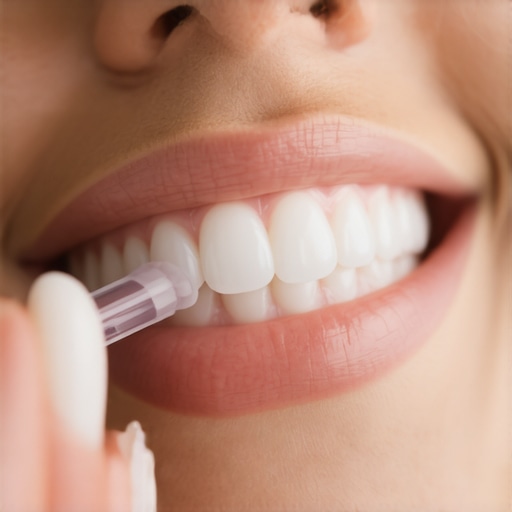
One of the most straightforward steps I took involved ensuring my aligners sat snugly against my teeth. After each removal, I carefully inspected the fit—if there was any looseness, I used my silicone chewies to press the aligners firmly into place. This process is simple but vital: by applying gentle pressure on the aligners for about 5 minutes, I enhanced contact, which accelerated tooth movement. I suggest placing the chewies over each section of your mouth, biting down gently, and holding for a few seconds on each. Doing this consistently improves the force applied, making your treatment more efficient.
Optimize Your Seating Technique
When I first started using chewies, I made the mistake of rushing and not pressing evenly. I learned that targeting different parts of the mouth helps. For example, I focused more on the molar areas where air pockets often develop. This focused effort ensured that force distribution was uniform. Over time, I developed the habit of seating my aligners each time with a systematic approach—pressing evenly, pausing briefly, and then double-checking for gaps. This method guarantees better aligner contact, reduces discomfort, and speeds up treatment.
Eliminate Air Gaps for Faster Movement
Air pockets between your teeth and aligners can slow down progress significantly. I remember a time I neglected this step and experienced a noticeable delay. To avoid this, I used my chewies in combination with tongue pressure—gently pushing against the aligner to encourage proper seating. Moreover, I would use my finger to run along the edges, feeling for any loose spots or gaps. Addressing these immediately ensures continuous pressure, which is crucial for efficient tooth movement. Regularly checking your aligner fit and re-seating if needed can make a tangible difference in your treatment timeline.
Incorporate Routine Oral Hygiene Properly
Maintaining oral hygiene complements the effectiveness of your aligners. I dedicated time to improve my cleaning routine, making sure to remove plaque and debris that could interfere with fit. I found that using a soft-bristled toothbrush and gentle flossing around the aligners helped keep the contact points clear. If buildup occurred, I noticed my aligners no longer fit properly, hampering progress. Regular cleaning and ensuring a dry, clean surface before reinsertion can enhance the seal—think of it like tuning a musical instrument before playing. Proper hygiene not only prevents complications but also ensures your aligners fit snugly for maximum force transfer.
Leverage Advanced Invisalign Innovations
Staying informed about the latest innovations in Invisalign, such as remote monitoring and SmartTrack materials, can amplify your efforts. These technological advancements aim to make aligner Fit more precise, allowing your orthodontist to fine-tune your treatment remotely. For example, some clinics now incorporate digital scans to customize the fit further, reducing gaps and improving movement. Exploring options like these can complement your physical techniques. I recommend discussing new features with your dentist, especially if you notice slow progress or discomfort, to harness these innovations for your benefit. Learn more about how to elevate your Invisalign journey in the latest Invisalign innovations.
Consistency and Patience Compound Results
Finally, combining these practical steps with consistent effort yields the best results. I found that establishing a daily routine of seating aligners properly with chewies, diligent oral hygiene, and regular check-ins with my dentist dramatically shortened my treatment time. Just as a gardener tends to plants daily for optimal growth, regular attention to aligner fit and oral health ensures continuous progress. Remember, little habits compound—regularly reasserting correct fit and cleaning can shave weeks off your schedule.
Many believe that visiting the dentist only for emergencies or basic cleanings suffices for optimal oral health. However, this narrow view often overlooks critical nuances that can significantly impact your long-term dental success. For instance, there’s a widespread misconception that all dentists are equally skilled at cosmetic procedures, but the reality is that expertise varies widely. Choosing a specialist with advanced training in cosmetic dentistry, like those leveraging latest innovations, can make a visible difference in your results. Don’t assume that routine dental visits alone will address complex aesthetic concerns—advanced procedures demand specialized knowledge and techniques.
Are You Falling for the Overseen Benefits of Teeth Cleanings?
It’s tempting to view teeth cleaning as a routine task, but many don’t realize that professional cleanings also help detect early signs of issues like hidden decay or gum disease, which are often invisible to the untrained eye. Moreover, minor plaque buildup that isn’t visible can cause tartar formation, accelerating gum deterioration. Proper cleaning methods, including newer technologies reducing sensitivity, are crucial for long-term health. Skipping or rushing these appointments might save time now, but it could cost you deeply in future emergencies, making routine cleanings an investment rather than a chore.
In the realm of cosmetic dentistry, many assume that whitening or veneers deliver results with little effort, but the reality is that biological factors and habits influence outcomes more than most realize. For example, enamel thickness varies among individuals, affecting how well whitening agents work. Additionally, some over-the-counter whitening products can erode enamel if used improperly—highlighting the importance of professional guidance from specialists skilled in transformative procedures. Being aware of these nuances allows you to tailor your cosmetic plans safely and effectively.
What Advanced Mistakes Do Even Savvy Patients Make?
One of the most overlooked errors is neglecting the importance of consistent home care, especially when undergoing orthodontic treatments like Invisalign. Many patients assume that once their aligners are fitted correctly, their role is minimal. Yet, failing to follow precise hygiene routines or correct seating techniques can slow progress unexpectedly. Incorporating practices such as proper aligner cleaning and re-seating strategies, supported by insights from the latest Invisalign developments, ensures treatment efficiency. Small mistakes at home can negate months of progress, which is why staying vigilant about routine nuances is vital.
It’s easy to believe that dental issues are solely surface problems, but experts warn that these superficial signs often mask deeper concerns. For example, persistent sensitivity may indicate underlying enamel erosion or microfractures needing advanced intervention. Recognizing these subtle signs and consulting specialists who utilize cutting-edge diagnostic tools can prevent more invasive treatments later. Being aware of these hidden nuances enables proactive care, ultimately saving time, money, and discomfort.
In conclusion, elevating your dental knowledge beyond common myths is crucial for achieving truly optimal oral health and aesthetic outcomes. Recognize that expertise varies, that hidden biological factors influence results, and that small, overlooked home-care details can be game-changers. If you want to deepen your understanding and avoid these traps, consider reading about how to choose the right dental expert and exploring new technologies in cosmetic dentistry. Have you ever fallen into this trap? Let me know in the comments.
Maintaining a healthy, radiant smile requires more than just good brushing habits; it involves utilizing precise tools and adopting effective techniques that ensure longevity. One of my go-to devices is the Pulse Sonic Toothbrush, which delivers micro-vibrations that dislodge plaque more effectively than conventional brushes. I personally prefer models with gum-care modes, like the Philips Sonicare DiamondClean, because they provide gentle yet thorough cleaning, especially around sensitive areas or after cosmetic procedures. Regular use of such advanced toothbrushes not only enhances immediate cleanliness but also contributes to maintaining the results of cosmetic treatments over years.
In addition to brushing, incorporating a water flosser like the Waterpik Ultra can significantly reduce plaque buildup, especially in hard-to-reach spots around braces, implants, or along the gum line. I’ve found that aiming the water stream at different angles and adjusting the pressure settings makes a noticeable difference in gum health. For those undergoing Invisalign, using a specialized interdental brush helps prevent debris accumulation between aligners, preserving both the aligners and your oral tissues. Combining these tools with a consistent routine, confirmed through resources like maintaining your teeth cleaning routine for long-term health, maximizes treatment outcomes and prevents future issues.
Technological advancements continue to shape the future of dental maintenance. AI-powered toothbrushes, for example, analyze brushing patterns and provide real-time feedback, encouraging better technique and coverage. Future trends suggest that integrating such smart devices with mobile apps will offer personalized guidance, making home maintenance more effective and engaging. As these innovations become more affordable, I recommend trying an AI-enabled brush like the Colgate Hum for a synergistic effect—combining human touch with intelligent monitoring. These tools support not just cosmetic goals but long-term health, reducing the need for invasive procedures later.
How do I maintain my tools and techniques to ensure lasting results?
Regularly replacing brush heads—every three months or after illness—is essential to prevent bacterial buildup. Keep your interdental brushes and water flossers clean by rinsing and drying thoroughly after each use, following manufacturer recommendations. Consistent technique, such as angling water streams properly or applying gentle pressure with interdental brushes, preserves the effectiveness of your tools. Scheduling biannual dental check-ups also ensures professional oversight, catching issues early and refining your habits. Remember, the key to long-term success lies in the routine: incorporate your preferred advanced tools into your daily habits, and stay updated with emerging innovations by consulting your dentist regularly. For detailed strategies tailored to your specific needs, visiting tips on choosing the right dental expert can guide you toward sustained excellence. Make the commitment today to adopt these proven practices and ensure your smile stays healthy and beautiful for years to come.
Looking back on my own experience with Invisalign, I realized that the real secret to faster, more effective results often lies in the small, overlooked details. While many focus solely on wearing aligners, I learned that fine-tuning your daily habits can make a dramatic difference. From perfecting aligner seating to maintaining your tools, these insider insights are what truly helped me achieve a radiant smile ahead of schedule.
Lessons I Didn’t Expect to Learn About Smile Transformation
- The Power of Precision Seating: Ensuring every aligner fits snugly after each removal accelerates the moving process and minimizes discomfort. I found that spending an extra 30 seconds pressing each section made all the difference.
- Gaps Are Enemy Number One: Regularly checking for and eliminating air pockets ensures consistent pressure on teeth. Small adjustments, like using tongue pressure in combination with chewies, sped up my progress more than I anticipated.
- Hygiene Is a Hidden Accelerator: Clean aligners thoroughly and frequently; any debris or buildup can hinder fit and movement. I started using interdental brushes and water flossers, which kept my aligners impeccably clear and treatment on track.
- Embrace New Technologies: Advanced materials like SmartTrack and remote monitoring options allow your dentist to fine-tune treatment. Staying informed about these innovations can give you a strategic advantage in your journey.
- Patience with Consistency: Small routines—like evening alignment re-seating and morning hygiene—compound over time. I realized that daily discipline, even when progress seems slow, posts significant long-term benefits.
My Favorite Tools and Resources for a Flawless Smile
- Smilezy Dental Tips: Regularly updated articles on maintaining your smile help me stay ahead. Their insights on the latest Invisalign innovations are particularly valuable.
- Advanced Cleaning Devices: I trust the Philips Sonicare DiamondClean for gentle yet effective brushing, and the Waterpik Ultra keeps my gumline healthy—both crucial during orthodontic treatment.
- Expert Guidance: Reading the tips on choosing the right dental expert ensures I’m making informed decisions about my care and treatment adjustments.
- Educational Content: The comprehensive Ultimate Guide to Invisalign for Adults helped demystify the process and motivated me to stay committed.
Keep Moving Forward with Confidence
Your Invisalign journey is uniquely yours, and small, intentional efforts can push you past common hurdles. Remember, the path to a perfect smile isn’t just about the big moments—it’s about the daily wins you create through consistency and attention to detail. Investing in your routine now will lead to long-lasting results that boost your confidence for years to come. If you’re ready to make meaningful changes, start by refining your aligner seating technique and embracing new tools. Your radiant smile is within reach—don’t wait to unlock its full potential.
What’s one small change you’re willing to try today to improve your Invisalign results? Share your thoughts below—I’d love to hear what works for you!
,