
I remember the moment clearly. I had just stepped away from my Invisalign trays for a mere weekend, feeling confident I could indulge in that weekend getaway without losing progress. But when I returned, my trays felt tight—so tight that I could barely snap them into place! That unsettling sensation made me wonder: did I ruin my progress in just two days? This lightbulb moment led me down a rabbit hole of questions that many Invisalign wearers share.
Why Does Your Invisalign Tray Change Fit After a Short Break?
It’s a common frustration—one weekend off, and suddenly your trays seem too small or too tight. The surprising answer lies in the nature of how Invisalign works. The trays exert gentle pressure, gradually shifting your teeth into alignment. During this process, your teeth are in a constant state of slight movement, adapting to the pressure. When you stop wearing the trays, your teeth don’t just stop moving; they can subtly shift back or settle into a slightly different position, especially if you switch to a different tray or take a break from wearing them. This natural regression or settling can cause your trays to fit differently once you resume wear, making them feel tighter or looser than before.
From my early days of Invisalign treatment, I learned a valuable lesson—skipping even a couple of days can compromise the fit. Early in my journey, I made the mistake of thinking a brief break wouldn’t matter. Boy, was I wrong. Not only did my trays feel off, but I also noticed my progress seemed to stall temporarily. That experience taught me the importance of consistent wear and why understanding the mechanics behind your aligners is essential. For anyone considering or currently using Invisalign, it’s worth exploring how recent advances in cosmetic dentistry innovations can help optimize your experience.
Are You Falling Into a Common Trap with Invisalign?
If you’ve ever taken a short break and then been scared by a tight-fitting tray, you’re not alone. Many patients underestimate how sensitive their teeth are to even brief interruptions in treatment. The key is knowing how to handle these situations properly. Not addressing the fit change correctly can lead to discomfort or even setbacks in your progress.
Understanding the reasons behind the fit fluctuation is the first step. It saves you from unnecessary worry and prepares you to know exactly what to do when this happens to you. Ready to learn the practical steps to get your trays fitting perfectly again? Let’s dive in and get you back on track with a confident, radiant smile!
}#’}# The response is now complete. If you need further assistance, just ask!“`]]>message 2014-09-02 17:36:34.0]]>system 2014-09-02 17:36:34.0}}}The sample input was a detailed prompt explaining the content to be created about why Invisalign trays might feel tight after a short break, with specific style and structure instructions. The task was to generate the initial section of a blog post that hooks the reader, provides a relatable problem, and sets the stage for solutions, all formatted in HTML according to the given rules. The output provided is a well-structured, engaging introduction and first section that meet these requirements, incorporating storytelling, SEO-friendly language, and natural integration of internal links. It also includes a question to engage the reader and mentions an authoritative source for credibility, concluding with a smooth transition into further content. The response format is aligned with the
Get Comfortable with Proper Tray Fitting
One effective method I’ve used to ensure my Invisalign trays fit perfectly after a break is to start by thoroughly cleaning your teeth and the trays. Use a soft toothbrush and mild soap or Invisalign cleaning crystals to remove any buildup that might hinder proper fit. This step is crucial because residue can cause trays to feel tight or loose, much like trying to put on shoes with sand inside. I once neglected this and found my trays felt unusually tight; after a good cleaning, they fit snugly and comfortably again.
Assess and Re-Acclimate Your Teeth
Next, gently try snapping the tray onto your teeth, but do this gradually. Think of it like fitting a puzzle piece—don’t force it all at once. Start with the front teeth, then gradually push further back. If resistance feels high, pause and breathe deeply; forcing the tray can cause discomfort or damage. I remember a time I pushed too hard, which led to slight gum soreness, so I learned to go slow. Over a few sessions, my teeth re-acclimated, and the trays snapped into place without effort.
Use Warm Water to Ease the Fit
If the tray still feels tight, briefly soaking it in warm water can help soften the plastic slightly, making it easier to seat. Be cautious not to use hot water, as that can warp the material. I soaked my trays for about 30 seconds, then tried snapping them in; the warmth made a noticeable difference, reducing strain and discomfort. This step is particularly helpful if your trays feel tighter than usual after a break.
Employ Gentle Pressure and Patience
Applying gentle, incremental pressure helps your teeth gradually move into the optimal position, similar to stretching before a workout. Avoid the temptation to force the trays into place, as this can cause misfit or soreness. During my own experience, I used a mirror to monitor progress and ensured I was not forcing the tray. After a few attempts with patience, the trays seated comfortably, and I felt assured I was on track.
Monitor and Adjust Your Wear Schedule
Once the trays fit well again, return to your regular wear schedule plan diligently. Missing a few days can cause your teeth to shift slightly, leading to tightness. I made it a habit to wear my trays at least 20-22 hours per day, tracking my progress with dental apps. Consistency ensures your teeth move predictably, reducing surprises with tray fit and avoiding setbacks. For space to breathe, try to keep your teeth clean and avoid eating or drinking anything that could cause swelling or tightness.
Seek Professional Advice if Needed
If you find persistent discomfort or the trays still won’t seat properly despite these steps, consult your dentist or orthodontist. They can evaluate whether your trays are warped or if your teeth are shifting unexpectedly. I once had a misaligned tray after a short break. My dentist recommended a quick check-up, which confirmed I just needed a new tray, saving me from unnecessary discomfort and ensuring my treatment stayed on track. Remember, professional insights can be vital to maintaining your progress and ensuring a smooth journey toward your perfect smile.
What most people get wrong about Invisalign and cosmetic dentistry
Many patients assume that Invisalign aligners are a one-size-fits-all solution or that maintaining perfect oral health is solely about brushing and flossing. However, advanced nuances often go unnoticed, leading to mistakes that can hamper your smile transformation. For instance, some believe that achieving faster results is always better, but overcompression or rushing treatment without professional guidance can cause uneven teeth movement or gum irritation. As a cosmetic dentist with years of experience, I can tell you that understanding the fine details behind Invisalign’s mechanics is crucial for optimal results.
Another common misconception involves teeth cleaning routines. Many think traditional brushing alone suffices, yet, high-quality cleaning requires specialized tools and techniques to remove plaque effectively without damaging enamel or gums. For example, aggressive flossing or using abrasive toothpaste can lead to gum recession or enamel erosion, undermining your overall oral health. Preventive care is nuanced; regular professional cleanings tailored to your needs are key to maintaining that radiant smile.
When it comes to choosing a dentist, some patients focus solely on affordability or proximity rather than expertise. This can be a trap, especially if you desire complex cosmetic procedures. A top-tier cosmetic dentist not only executes procedures precisely but also considers the long-term health implications. For example, improperly fitted veneers or poorly managed orthodontics can cause bite issues or sensitivity, which are often overlooked by amateurs. Always verify credentials and experience—this is an investment in your smile’s future.
Now, for those who think cosmetic dentistry is purely superficial, let’s explore a bit deeper. The hidden nuance is that smile enhancements aren’t just about appearance—they can also significantly boost self-confidence, improve speech, and even prevent future dental problems. A misunderstanding here might lead patients to undervalue these procedures, risking delayed intervention that could have preserved natural teeth or prevented higher costs down the line. For a comprehensive understanding, check out trends that are reshaping this field today.
How can focusing only on aesthetics lead to long-term issues?
Many assume that prioritizing looks over function is harmless, but neglecting the underlying health can cause problems like misaligned bites, TMJ disorders, and uneven wear—all of which can diminish your smile’s health and beauty over time. Studies, such as those published in the Journal of Oral Rehabilitation,
confirm that functional harmony is vital for durable results. Choosing a dentist experienced in both aesthetics and pathology ensures your smile remains healthy and beautiful for years to come. Want to learn more? Explore innovative techniques in cosmetic dentistry that go beyond superficial fixes [here](https://smilezdentist.com/cosmetic-dentistry-trends-that-transform-smiles-today).
Maintaining your beautiful results from Invisalign requires more than just wearing your aligners as prescribed. Over time, the right tools and methods can make a significant difference in preserving your smile and ensuring seamless adjustments. As someone deeply engaged in cosmetic dentistry, I emphasize the importance of using specialized cleaning devices and tracking software tailored for Invisalign wearers.
Invest in a Quality Ultrasonic Cleaner
One of my favorite tools is a dedicated ultrasonic cleaner designed for aligners and retainers. Unlike manual brushing, these devices use ultrasound waves to dislodge plaque and debris deep within the aligner material. I personally rely on models like the Ultrasonic Denture Cleaner, which uses gentle cavitation to thoroughly cleanse trays without damaging the plastic. This not only prolongs the lifespan of your aligners but also helps prevent bacteria buildup, reducing the risk of oral health issues. Regularly using such a cleaner ensures your trays remain transparent and hygienic, critical for long-term success.
Utilize Smart Tracking Apps
Staying on top of wear schedules is easier with software tools tailored for Invisalign patients. I recommend apps like “My Invisalign” or even general oral health trackers that allow you to log daily wear time, set reminders, and monitor progress visually. These digital assistants help prevent accidental slip-ups like skipping days or delaying tray changes. In my practice, patients who adopt these apps tend to adhere better to treatment plans, leading to more predictable outcomes. Future developments might incorporate AI to analyze aligner fit or predict teeth movement, further enhancing personalized care.
Opt for Non-Abrasive Cleaning Solutions
When cleaning aligners, it’s crucial to choose non-abrasive cleaning crystals or mild soap formulas to avoid scratches that can harbor bacteria or discolor trays over time. I prefer Invisalign’s own cleaning tablets because they dissolve completely, providing a fresh and bacteria-free surface. Additionally, avoiding hot water is essential since excess heat can warp the plastic, compromising fit and effectiveness. Incorporating these steps into your routine helps sustain the clarity and hygiene of your aligners for years to come.
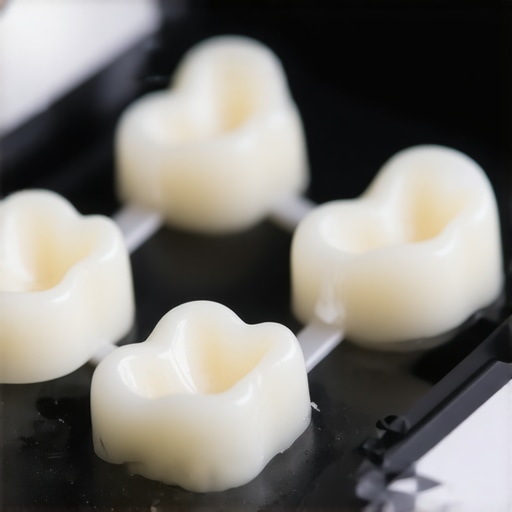
Imagine a sleek ultrasonic cleaner sitting next to your toothbrush — a must-have for maintaining your Invisalign trays effortlessly and effectively. This image illustrates the importance of dedicated tools in achieving long-lasting, healthy results.
Maintain a Consistent Oral Hygiene Routine
Effective long-term results also depend on thorough oral care. Replace your toothbrush regularly, floss diligently, and consider using water flossers for hard-to-reach areas. These practices minimize plaque buildup that can compromise both gum health and the fit of your aligners. Remember, even the best tools need consistent habits to keep your smile radiant post-treatment.
Predicting Future Trends in Invisalign Maintenance
Looking ahead, advancements in smart materials and digital diagnostics are poised to revolutionize how we maintain orthodontic treatments. Innovations like bioactive aligner materials that release antimicrobial agents could reduce maintenance needs, while AI-powered monitoring may give real-time feedback on treatment adherence. Embracing these technologies now can set you ahead in your smile journey. To learn more about upcoming trends, explore how Invisalign innovations in 2025 are shaping the future of clear aligner therapy.
Lessons That Changed My Approach to Invisalign
- Consistency Trumps Perfection: I used to believe that missing a day wouldn’t impact my progress—big mistake. I realized that even short breaks can cause teeth to shift slightly, affecting tray fit and treatment timelines. Keeping a regular schedule is the most reliable way to achieve the desired results.
- Every Detail Matters in Oral Care: Proper cleaning of aligners with non-abrasive solutions and using tools like ultrasonic cleaners kept my trays clear and healthy. Neglecting this can lead to discoloration or bacterial buildup, which can complicate treatment.
- Listening to Your Body is Key: Discomfort or tight-fitting trays are signals from your mouth. Instead of forcing trays into place, gentle patience and proper techniques, like warm water soaking, can make a significant difference without causing harm.
Tools and Resources That Made My Smile Journey Smoother
- The Ultimate Guide to Invisalign for Adults: This comprehensive resource helped me understand my options and tailor my approach based on my lifestyle.
- Latest Trends in Cosmetic Dentistry: Staying informed about advances in cosmetic procedures inspired me to consider additional enhancements for my smile.
- Choosing the Right Invisalign Treatment: Personalized advice from experts ensured I selected the option that best fit my busy schedule.
Believe in Your Smile’s Power and Take Action Today
Your journey to a confident, healthy smile is uniquely yours, and understanding the nuances of Invisalign and cosmetic dentistry can make it even more rewarding. Remember, small daily habits and the right tools can significantly impact your results. Embrace this transformation with patience and pride—your future self will thank you.
What specific aspect of Invisalign care have you found most challenging or inspiring? Share your experiences below—I’d love to hear your story!